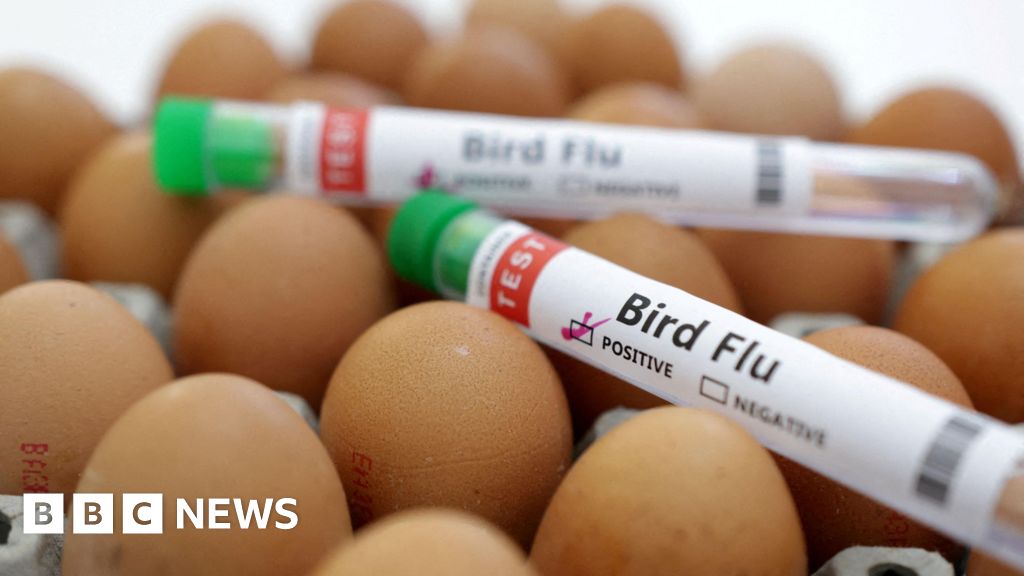
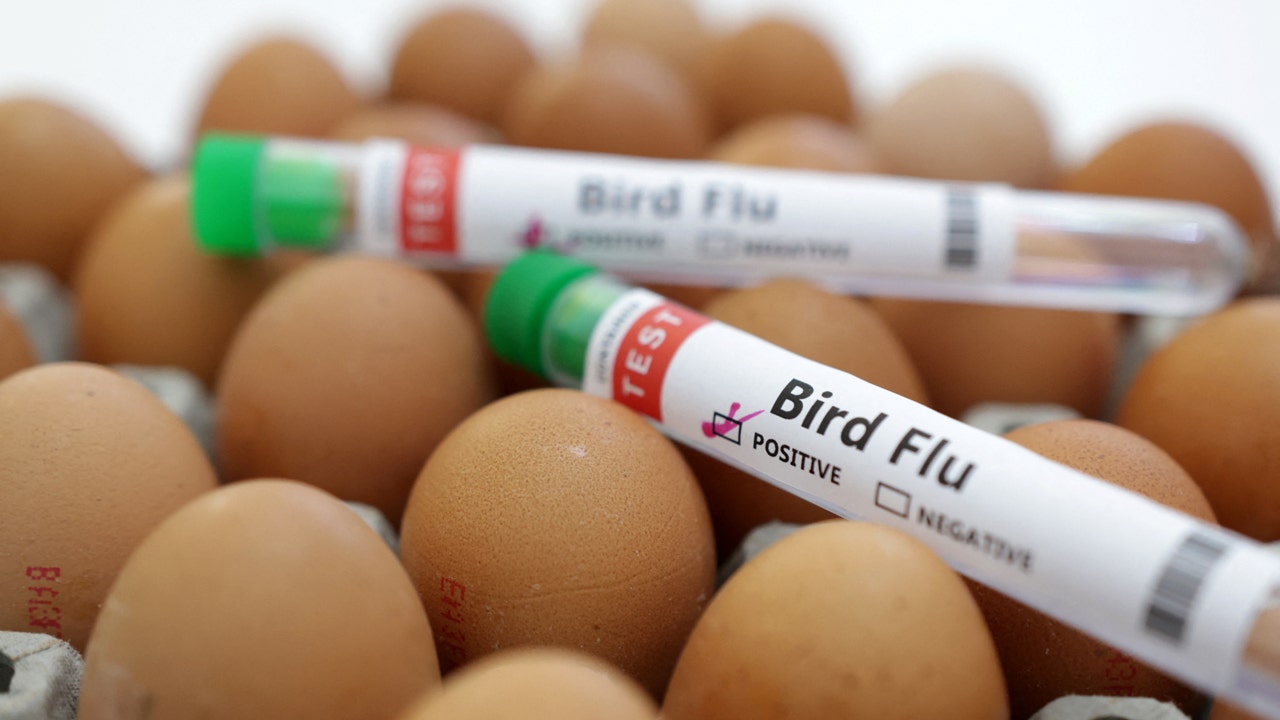
A third case of bird flu has been detected at a commercial poultry farm in Maricopa County, Arizona, with no impact on the food supply or human health reported. The virus was identified in poultry showing symptoms, and measures have been taken to contain it, including quarantine and elimination efforts. The CDC considers the risk to the public to be low.
A bird flu outbreak of the H5N1 strain has been confirmed at a commercial poultry farm in Cornwall, leading to the culling of all poultry on the premises. The UK government has established a 3km protection zone and a 10km surveillance zone around the affected area. This is the first case of highly pathogenic avian influenza H5N1 this season, following earlier detections of H5N5 in Yorkshire and in wild birds across England. The virus spreads through birds' droppings, saliva, and contaminated feed or water.
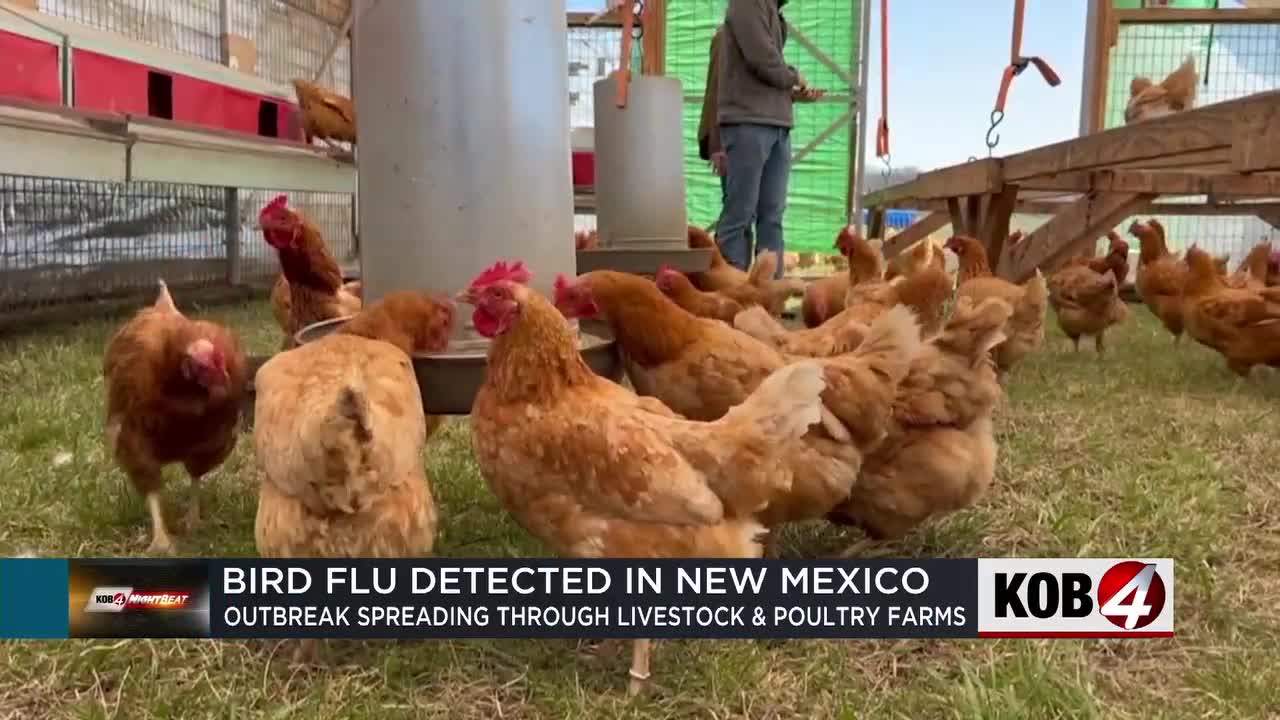
A case of bird flu has been confirmed at a poultry farm in eastern New Mexico, adding to concerns about the virus spreading through livestock and poultry in the U.S. This comes after recent cases at dairy farms in nearby counties, with the same highly-infectious strain also found in migratory birds. While there have been peaks in avian influenza cases historically, the recent surge is unique, with dozens of confirmed cases in dairy cattle across several states. The affected chickens will be euthanized, and health officials are urging vigilance among those with backyard bird flocks, providing a list of symptoms to watch for.
The state of Michigan has confirmed a case of highly pathogenic avian influenza at a commercial poultry farm in Ionia County, leading to the quarantine and depopulation of the affected birds. The public health risk is considered low, and measures are in place to prevent infected birds or products from entering the commercial food chain. The disease can cause flu-like symptoms in poultry and is highly contagious among birds. Residents are advised to report any unusual bird deaths to the Michigan Department of Agriculture and Rural Development.
Nearly 1 million chickens will be culled at a Minnesota egg operation, marking the largest death toll at a single poultry farm in the state during the current bird flu outbreak. The virus, which is typically spread by wild migrating birds, has resulted in the culling of approximately 5.5 million birds in Minnesota since early 2022. Despite the outbreaks, Thanksgiving turkey availability and prices are not expected to be impacted. Bird flu does not pose a risk to food safety, but it did contribute to record-high egg prices last winter. In Iowa, the largest egg producer in the US, 16 million birds have been killed in the outbreak, accounting for over a quarter of the nationwide death toll.
A case of bird flu has been confirmed at a poultry farm in Madison County, Arkansas. The farm has been placed under quarantine, and nearby poultry flocks are being tested. The avian influenza, H5N1, does not affect poultry meat or egg products. The Arkansas Department of Agriculture has designated specific areas as possible boundaries and recommends keeping free-range or backyard poultry covered or inside structures to prevent contamination from migratory birds. People who notice sick birds or unusual deaths in their flocks can contact the department for assistance.
The U.S. has reported its first case of avian flu on a commercial poultry farm since April, with a flock of 47,300 turkeys in South Dakota testing positive. Infected flocks are culled to prevent the spread of the virus, potentially impacting the poultry meat and egg supply. Since 2022, the U.S. has lost 58.8 million birds to avian flu, leading to record-high prices for turkey meat and eggs. Farmers have been working to rebuild their flocks, but the presence of the virus in the wild bird population raises concerns about future outbreaks.
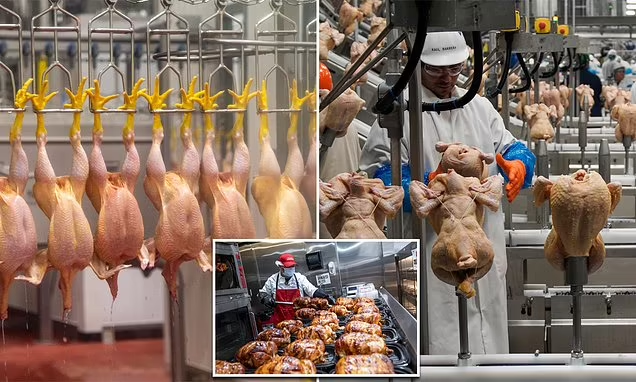
Costco has spent $1 billion to build a state-of-the-art chicken processing plant in Nebraska, which processes two million chickens a week, coming from its own network of chicken farmers. The plant has 500 chicken houses, each containing 42,000 chickens, and is the only retailer to have such an operation. The facility helps ensure that its popular $4.99 rotisserie chicken can remain in stores, at the same price for years, and provides a strategic advantage over its rivals. Costco has secured around 100 million of the 400 million chickens it's estimated to sell annually, and roughly half of the plant's chicken ends up on rotisserie spits.