Tag

Potential Treatment

All articles tagged with #potential treatment

health1 year ago

"Cannabis Extract Shows Promise in Treating Melanoma, Study Finds"

A study has found that a cannabis extract, PHEC-66, interacts with receptors on certain melanoma cells, potentially making it useful as an additional treatment for malignant melanoma. The extract was shown to impede the growth of melanoma cells and induce apoptosis, but further research and clinical trials are needed to fully understand its potential and effectiveness. Melanoma represents a small percentage of skin cancers but is responsible for the majority of skin cancer-related deaths.

health1 year ago

"Exploring Promising New Treatments for Alzheimer's Disease"

Researchers have identified a molecule that can inhibit the APOEe4 gene, which is associated with an increased risk of Alzheimer's disease, allowing cells to clear beta-amyloid deposits. This discovery, based on animal research, could lead to new treatments for individuals genetically predisposed to Alzheimer's. The molecule, CBA2, has shown promise in reducing beta-amyloid build-up in nematodes and mice. While the findings are encouraging, further research and testing in humans are needed to confirm its potential benefits for Alzheimer's disease.

health2 years ago

"Hope for Morning Sickness: Scientists Identify Possible Cause"

Scientists from the University of Southern California and University of Cambridge have discovered that the hormone GDF15, produced in the placenta, is the cause of morning sickness during pregnancy. The severity of symptoms is determined by a mother's sensitivity to this hormone. The findings open up potential avenues for treatment, such as lowering GDF15 levels or pre-exposing individuals to the hormone before pregnancy. This research could provide hope for the 70 to 80% of pregnant people who experience morning sickness, including severe cases known as hyperemesis gravidarum.

health2 years ago

Unveiling the Link Between ABCA7 and Tau Tangles in Alzheimer's Disease

Researchers at Temple University's Lewis Katz School of Medicine are investigating the protein ABCA7 as a potential therapeutic target for Alzheimer's disease. A recent study published in Cells explored the relationship between ABCA7, cholesterol metabolism, and inflammation in human brain cells. The study found that cholesterol loss could downregulate ABCA7 in various brain cells, potentially contributing to the onset of Alzheimer's disease. Additionally, inflammation was found to suppress ABCA7 in certain brain cells. Further research is needed to fully understand the role of ABCA7 in Alzheimer's disease and develop targeted therapies.

health2 years ago

The Connection Between Protein and Exercise Intolerance in ME/CFS

A study conducted by NIH researchers suggests that high levels of a protein called WASF3 may reduce energy production in the muscle cells of people with ME/CFS, leading to exercise intolerance. Blocking this protein in lab cells restored energy production, indicating a potential new strategy for treating the condition. The study also found substantially higher levels of WASF3 in muscle tissue samples from people with ME/CFS compared to healthy volunteers. The dysfunctional increase in WASF3 appeared to be linked to impairment of a cellular signaling pathway called the ER stress pathway. Further research is needed to determine if targeting ER stress could be a promising approach for ME/CFS and other conditions associated with fatigue.

health2 years ago

Unveiling the Hidden Impact of Long COVID: New Findings and Treatment Breakthroughs

Researchers from the University of New South Wales and St. Vincent's Hospital have discovered a key biological pathway, known as the kynurenine pathway, that is activated in people with long COVID and is linked to the cognitive challenges commonly referred to as "brain fog." The study found that patients with prolonged activation of this pathway were more likely to have mild cognitive deficits even 12 months after developing COVID-19. The identification of this pathway could lead to potential treatments for brain fog and provide a diagnostic marker for long COVID. The findings highlight the biological basis behind long COVID's cognitive effects and offer hope for those experiencing long-term symptoms.

health2 years ago

Early Detection of Alzheimer's Disease through Gut Microbes

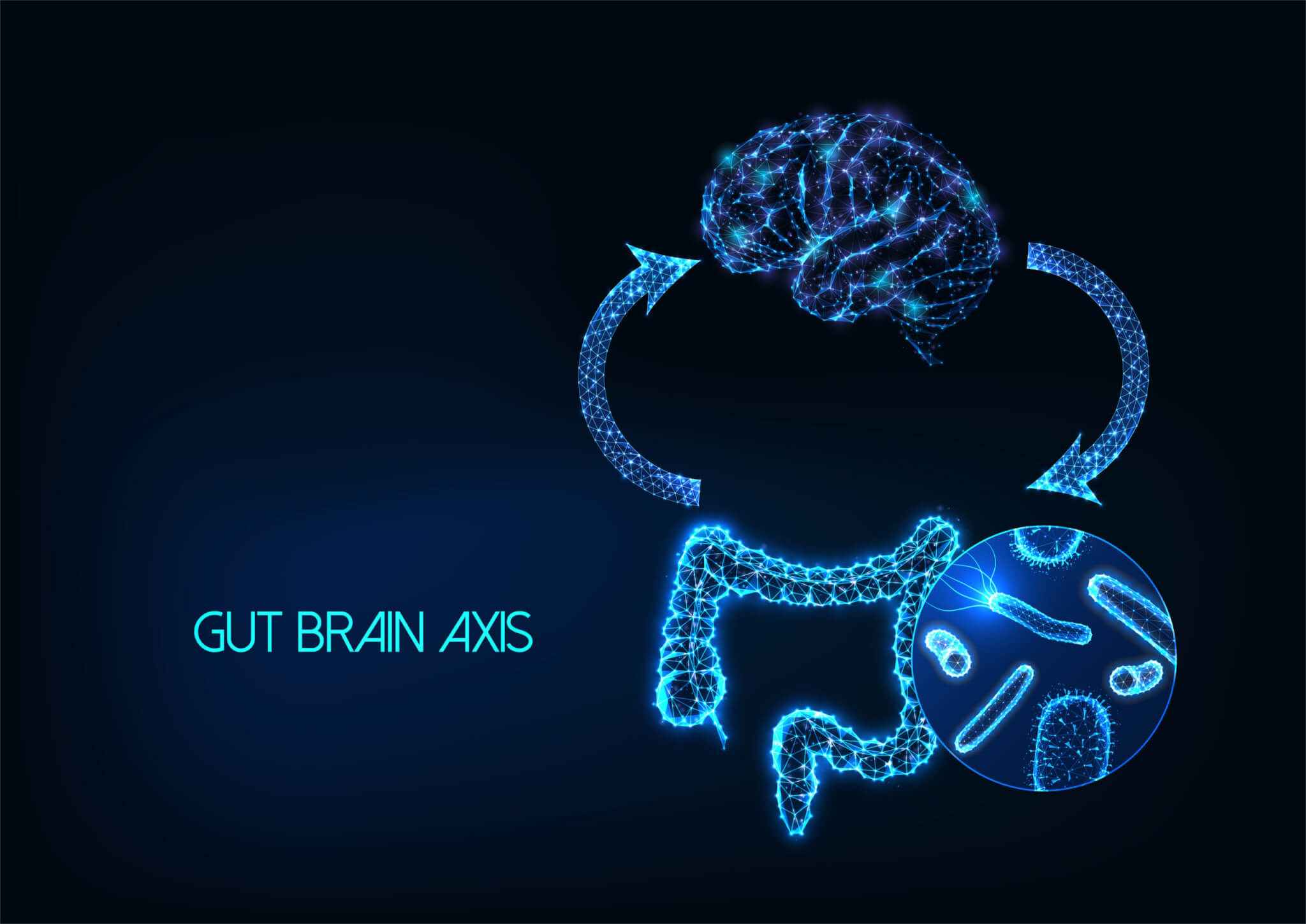
Recent research suggests that certain microbes in the gut may be more common in individuals with early signs of Alzheimer's disease, potentially offering a new method of diagnosis for the condition. The study found distinct differences in the gut microbiome profiles of older people with and without signs of preclinical Alzheimer's, and including gut microbiome data improved the accuracy of a machine learning algorithm in diagnosing preclinical Alzheimer's. While the improvement was modest, analyzing gut microbiome data could complement existing diagnostic methods. The study also identified potentially beneficial gut microbes associated with preclinical Alzheimer's, raising the possibility of future treatments targeting the gut microbiome.

health2 years ago

Breakthrough Alzheimer's Drug Shows Promise in Slowing Cognitive Decline

A new drug called donanemab has shown promising results in a major clinical trial, significantly slowing down cognitive decline in patients with early-stage Alzheimer's disease. While not a cure, the drug could potentially allow individuals suffering from the disease to live longer and less-impeded lives. The treatment, produced by pharmaceutical company Eli Lilly, reduced cognitive decline by approximately 35 percent. However, there are risks associated with the drug, including serious side effects such as brain swelling. Despite this, experts are hailing donanemab as a turning point in the fight against Alzheimer's, offering hope for future treatments that could effectively manage symptoms and improve the quality of life for patients.

health2 years ago

Rare Genetic Mutation Shows Promise in Delaying Alzheimer's Onset

A Colombian man with a gene mutation that should have caused Alzheimer's in his early 40s developed the disease two decades later due to a second gene mutation that protected an area of his brain crucial to the disease's development, according to a study in Nature Medicine. Researchers say the second mutation points the way toward potential treatment for Alzheimer's. The study's findings suggest it's possible to have decades-long protection against the disease, says one of the study authors.