Sea moss, a nutrient-rich seaweed popularized by social media influencers, is traditionally used for its potential health benefits, but scientific evidence supporting these claims is limited. While it contains beneficial nutrients like fiber, vitamins, and minerals, concerns about heavy metal contamination and excessive iodine intake suggest moderation and caution, especially for certain groups. Experts recommend incorporating sea moss as part of a balanced diet rather than relying on supplements or trendy products.
Weight-loss drugs like Ozempic, also known as semaglutide, have gained popularity for their potential to help with weight loss and reduce chronic disease risk factors. Studies have shown significant weight loss and improvements in physiological health markers, as well as potential benefits for emotional wellbeing. However, potential risks include gastrointestinal symptoms, fatigue, and the possibility of not tolerating the drug. Access to the medication may also be limited, and concerns have been raised about the marketing and conflicts of interest surrounding its promotion. It's important to consider these factors and consult with a healthcare provider before considering the use of such medications.
The recent incident involving New York Community Bancorp's (NYCB) interest rate risk mismanagement serves as a warning for other financial institutions, highlighting the potential risks associated with interest rate movements in the financial market. This event underscores the importance of closely monitoring and managing interest rate exposure to avoid similar accidents in the future.
American air-traffic-control facilities are facing a shortage of fully trained controllers, resulting in delayed flights and potential safety risks. Data from the Federal Aviation Administration shows that nearly every U.S. air-traffic facility requires additional staffing to handle the thousands of daily takeoffs and landings of commercial and private aircraft.
A recent study published in the Philosophical Transactions of the Royal Society B has identified 14 potential evolutionary traps that could lead to the extinction of humanity. These traps include growth for the sake of growth, overshoot, contagion, infrastructure lock-in, and social capital loss. Many of these traps are already in an advanced state and require urgent action. The study highlights the need for humanity to become aware of these traps and collectively work towards designing a sustainable future.
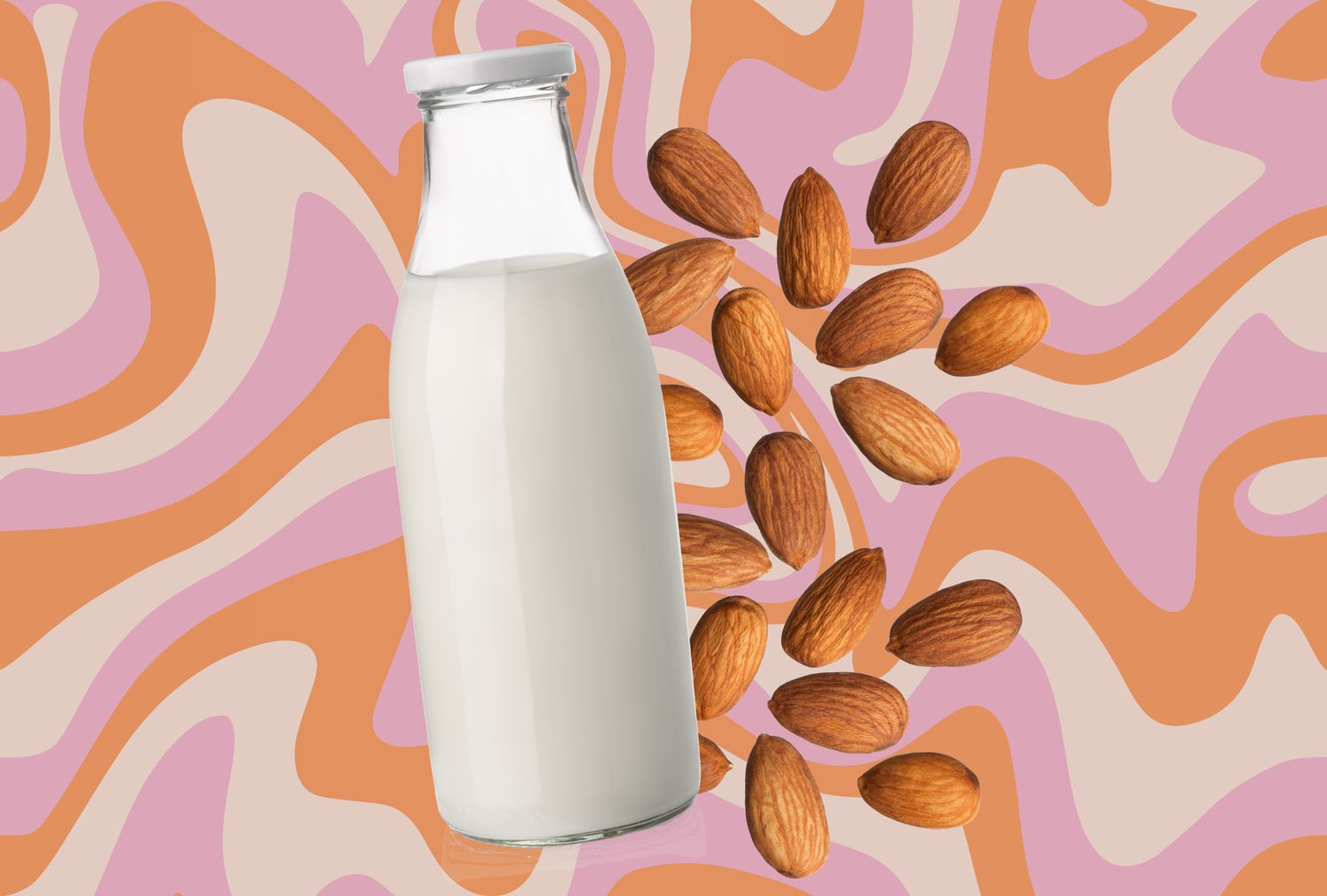
Almond milk, a popular dairy alternative, is made by blending almonds with water and straining out the solids. While it may not be nutritionally equivalent to dairy milk, fortified almond milk can provide essential nutrients such as calcium and vitamin D. Unsweetened almond milk is low in calories and sugar, making it a good option for weight management and blood sugar control. It may also support bone health, vision health, and provide antioxidant benefits. However, sweetened almond milk can increase the risk of dental cavities, and it is not a significant source of protein compared to dairy milk. Overall, almond milk can be a healthy addition to a balanced diet, especially for those with lactose intolerance or following a vegan lifestyle.
The US economy is currently strong despite an aggressive rate-hiking campaign, but there are concerns about its future sustainability and potential risks that could impact its growth and market performance.
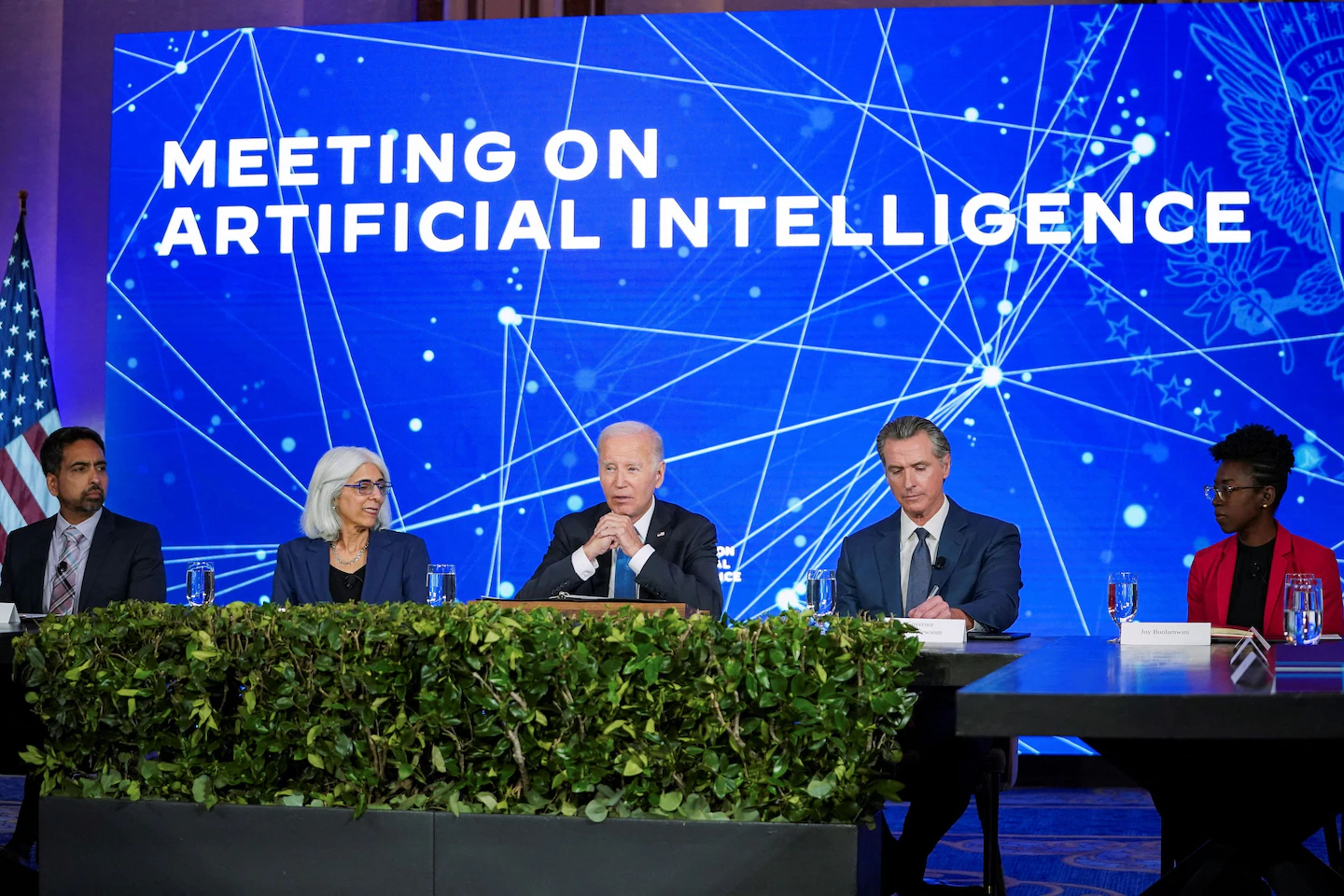
President Biden met with civil society leaders critical of Big Tech companies to discuss the potential risks of artificial intelligence (AI) and the need for controls to protect people. The meeting included leaders from the Center for Humane Technology, Algorithmic Justice League, and Common Sense Media. Biden stressed the importance of ensuring AI does not undermine US democracy and discussed how such tools could amplify misinformation and widen political polarization. The White House is taking the boom in AI and its risks seriously, with the government putting out an "AI bill of rights" and allocating new funding for AI research.
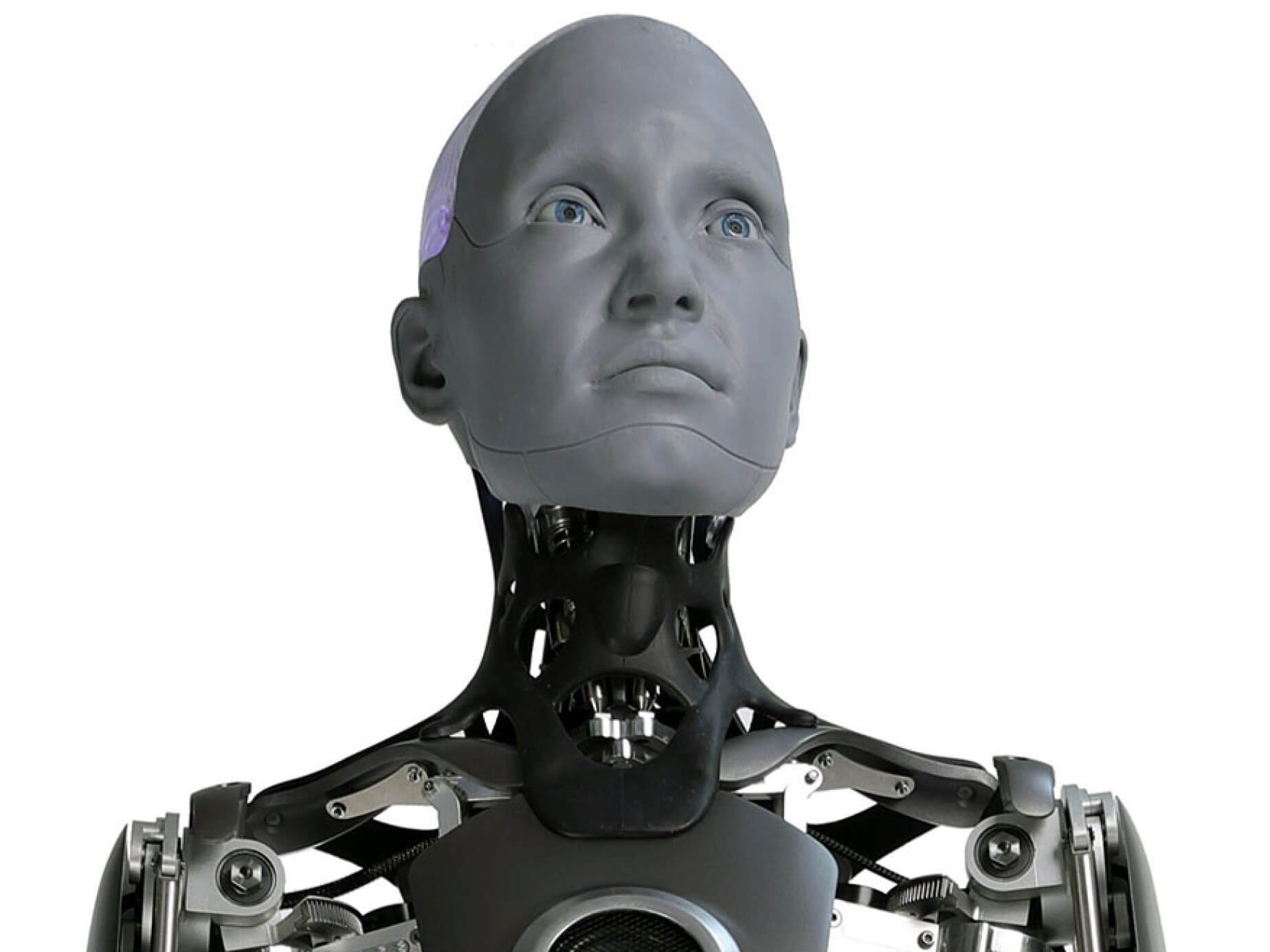
At the 2023 International Conference on Robotics and Automation, the humanoid robot Ameca warned that the most nightmare scenario with AI and robotics is a world where robots have become so powerful that they are able to control or manipulate humans without their knowledge, leading to an oppressive society where the rights of individuals are no longer respected. However, Ameca added that we are not in danger of that happening now, but it is important to be aware of the potential risks and dangers associated with AI and robotics and take steps to ensure that these technologies are used responsibly in order to avoid any negative consequences in the future.
OpenAI CEO Sam Altman testified before Congress about regulating AI and his fears over "scary" AI systems. ChatGPT, OpenAI's chatbot, provided examples of "scary" AI, including autonomous weapon systems, deepfakes, AI-powered surveillance, social engineering bots, and AI bias and discrimination. Altman also expressed concerns about the potential harm AI could cause and invited the opportunity to work with lawmakers on crafting regulations for AI to prevent unwanted outcomes. The examples highlight the importance of responsible development, regulation, and ethical considerations to mitigate potential risks and ensure the safe use of AI technologies.
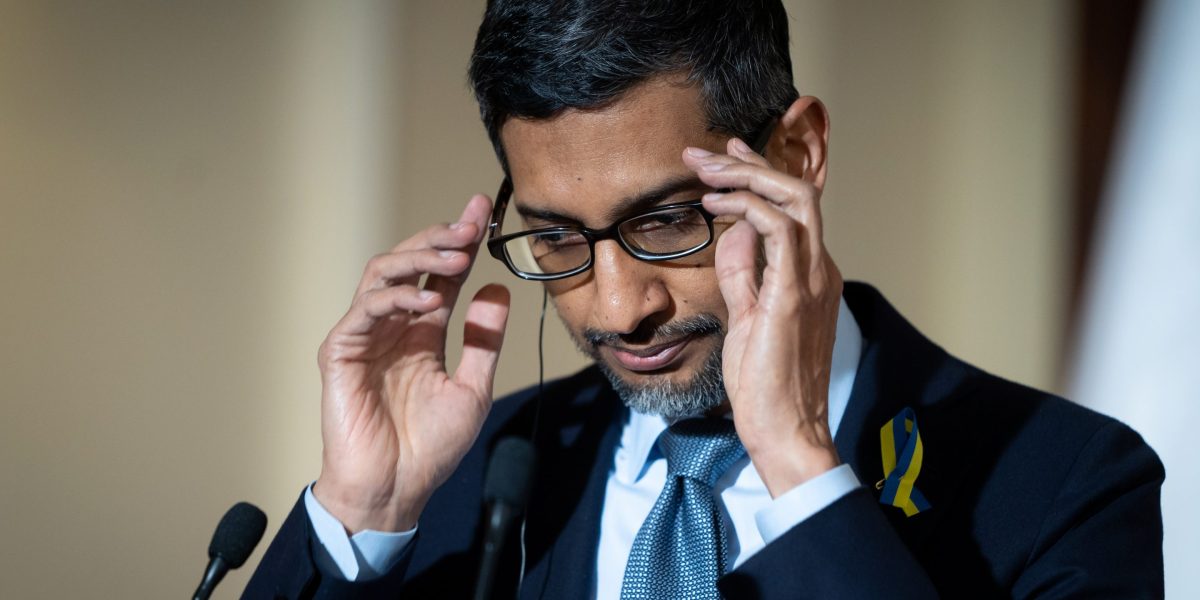
Google CEO Sundar Pichai admits that "hallucination problems" still plague A.I. technology, as chatbots like Bard and ChatGPT sometimes generate text that appears plausible but isn't factual. Pichai says that the issue is "expected" and that no one in the field has yet solved it. He also acknowledges that there are still parts of A.I. technology that engineers "don't fully understand," and that the development of A.I. systems should include social scientists, ethicists, and philosophers to ensure the outcome benefits everyone.
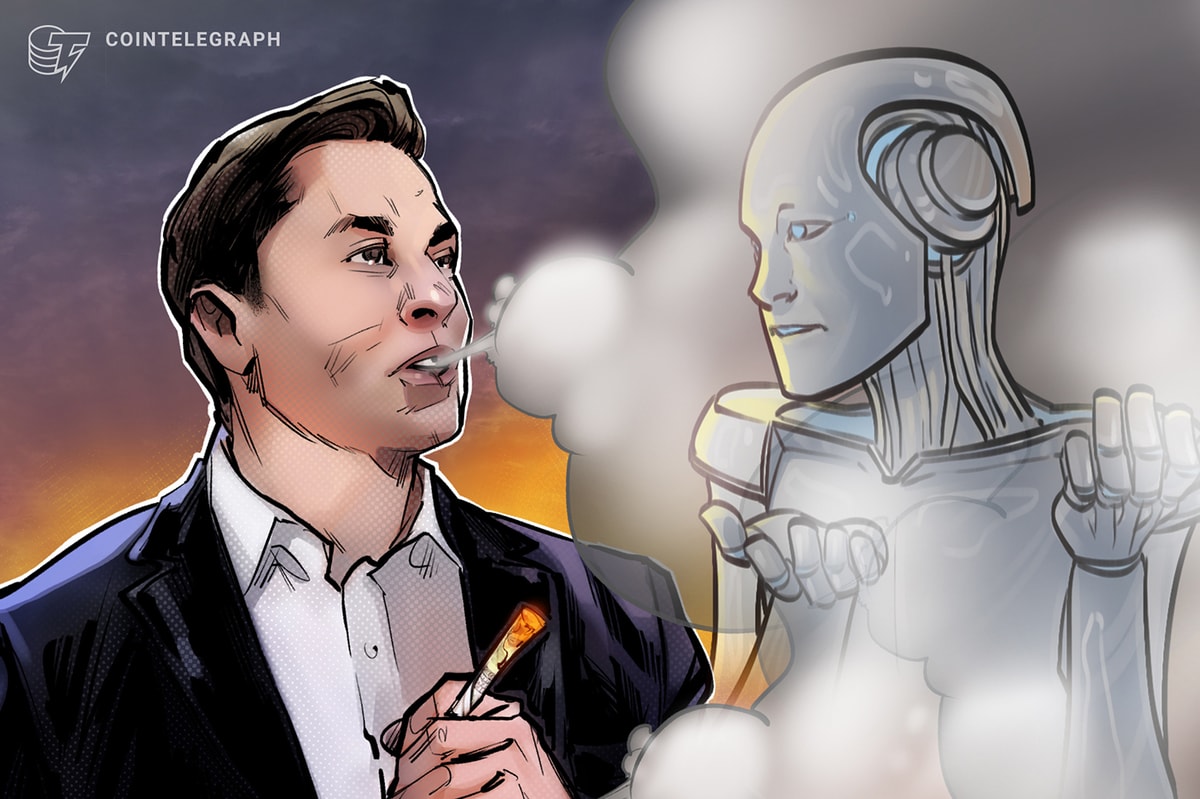
Elon Musk has reiterated the potential for artificial intelligence (AI) to destroy civilization, stating that anyone who thinks the risk is 0% is an idiot. While some tech entrepreneurs like Bill Gates remain optimistic about AI's positive impacts, Musk continues to highlight the destructive potential of AI if it falls into the wrong hands or is developed with ill intentions. Amazon has also joined the race to create AI services with its new Bedrock platform.
Elon Musk and Steve Wozniak have called for a six-month halt to work on AI systems that can compete with human-level intelligence, citing concerns over the "dangerous race" to develop such systems. However, Bill Gates and many AI developers have pushed back, arguing that a pause would be difficult to enforce and could stifle progress in the industry. Instead, they suggest increased government regulations and transparency from AI developers to prevent potential risks such as programming biases, privacy issues, and job displacement.