President Trump has proposed a one-year cap of 10% on credit card interest rates, aiming to reduce consumer costs, but financial institutions criticize the move, arguing it could limit access to credit.
The Federal Reserve Board is seeking public input on a new 'payment account' designed for eligible financial institutions to facilitate payment clearing and settling, aiming to support innovation while maintaining system safety. This account would differ from a master account, offering limited features without interest or Fed credit access, and the comment period lasts 45 days.
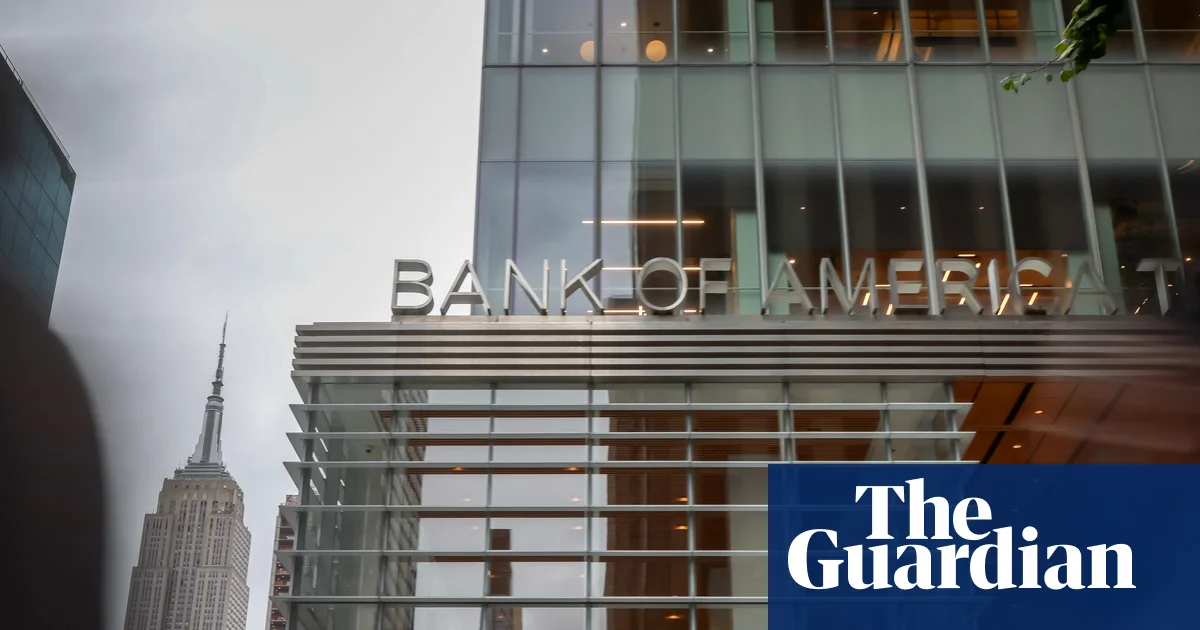
New lawsuits against Bank of America and BNY Mellon allege they enabled Jeffrey Epstein's sex trafficking through financial support, potentially revealing new information and holding institutions accountable, despite legal challenges and uncertain outcomes.
Federal financial regulatory agencies have announced the immediate withdrawal of their Principles for Climate-Related Financial Risk Management for large financial institutions, stating that existing safety and soundness standards sufficiently address financial risks, including emerging ones.
FinCEN has issued FAQs to clarify suspicious activity report (SAR) requirements, aiming to improve the quality of information provided to law enforcement and reduce unnecessary resource expenditure by financial institutions, with a focus on prioritizing significant threats.
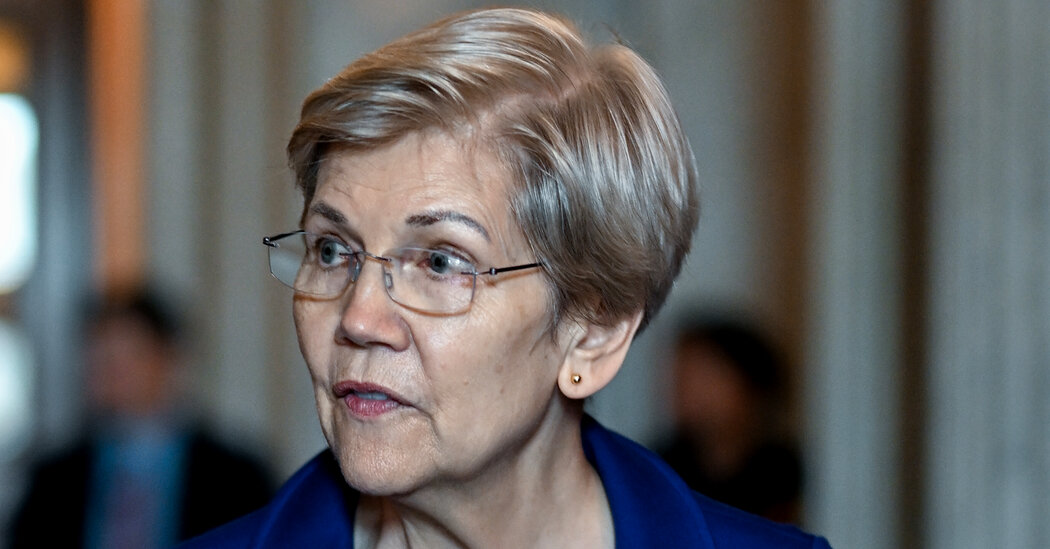
Ten Democratic senators, led by Elizabeth Warren, are urging the Senate Banking Committee to hold hearings with JPMorgan Chase and other banks to investigate their roles in Jeffrey Epstein's sex trafficking, following reports of suspicious transactions and the bank's long-term relationship with Epstein. The senators seek transparency and accountability regarding the banks' oversight and handling of Epstein's accounts.
Donald Trump claims that JPMorgan Chase and Bank of America refused to do business with him, highlighting ongoing disputes with major financial institutions.
The Consumer Financial Protection Bureau (CFPB) has closed a loophole that allowed large banks to charge excessive overdraft fees without adhering to lending laws. The new rule, applicable to banks and credit unions with over $10 billion in assets, offers options to cap overdraft fees at $5, cover only costs and losses, or comply with standard lending disclosures. This move is expected to save consumers up to $5 billion annually. The rule will take effect on October 1, 2025, as part of broader efforts to eliminate junk fees.
The United States has imposed new sanctions on over 50 Russian financial institutions, including Gazprombank, to hinder Russia's ability to fund its war against Ukraine. This move is part of a broader international effort led by President Biden and allies to hold Russia accountable for its aggression. The U.S. remains committed to supporting Ukraine through security assistance and enforcing sanctions against Russia.
JPMorgan Chase has denied a $331 monthly pension to Elaine Silverberg, the widow of a former employee, citing a lack of necessary documentation due to her late husband's failure to fill out required forms before his death in 1988. Despite the Retirement Equity Act of 1984, which ensures spousal benefits, JPMorgan argues that Mel Silverberg's departure from the bank predated the law, and thus Elaine is not entitled to the pension. Elaine has been fighting the bank for over 13 years, enlisting political support, but JPMorgan maintains its stance, claiming adherence to pension plan terms.
US banks are facing challenges as savers are increasingly dissatisfied with low interest rates, leading to a potential shift in consumer behavior and financial strategies.
Shares of major banks JPMorgan Chase & Co., Wells Fargo, and Citigroup opened trading under pressure due to a decline in net interest income, reflecting the difference between the interest banks earn and pay out. JPMorgan CEO Jamie Dimon expressed concerns about consumer spending pressures and maintained the bank's net interest income outlook, while also noting a potential pullback in spending among low-income consumers amidst an uncertain economic environment.
JPMorgan Chase, Wells Fargo, and Citigroup reported a drop in net interest income in the first quarter, indicating that even the largest banks are grappling with challenges posed by high interest rates. Deposit margin compression and higher deposit balances were cited as reasons for the decline. Despite this, the big banks are still expected to earn substantial profits from lending. JPMorgan's stock dropped over 5% in response to the news, while overall profits for the bank were up 6% from a year ago. Both Wells Fargo and Citigroup also disclosed increased costs for their deposits, with Citigroup undergoing a significant restructuring resulting in thousands of job losses. JPMorgan's CEO, Jamie Dimon, expressed caution about the future economic outlook, citing geopolitical tensions, inflationary pressures, and potential quantitative tightening from the Federal Reserve.
Carey Halio, head of strategy and investor relations at Goldman Sachs, is being promoted to global treasurer, overseeing the firm's $1.6 trillion balance sheet and reporting to the CFO. Philip Berlinski, the previous treasurer, is leaving for a role at Millennium Management. Halio, who joined the firm in 1999, will lead a team of 900 and serve on the management committee. Jehan Ilahi will take over as head of investor relations.