Tag

Pollen Analysis

All articles tagged with #pollen analysis

"Groundbreaking Bay Area Study Confirms Ancient Origins of Ghostly Human Footprints"

Originally Published 2 years ago — by The Mercury News

Featured image for "Groundbreaking Bay Area Study Confirms Ancient Origins of Ghostly Human Footprints"
Source: The Mercury News

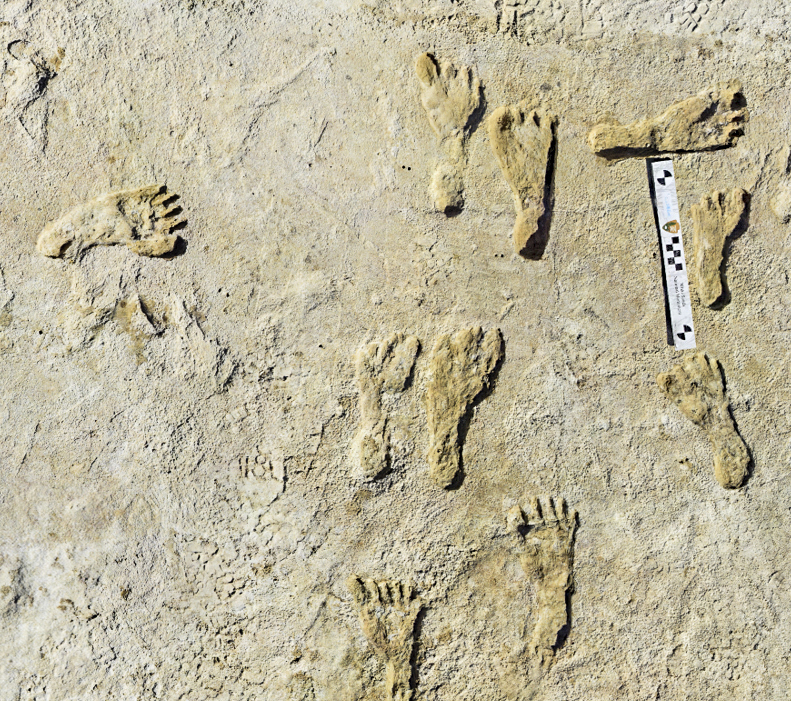
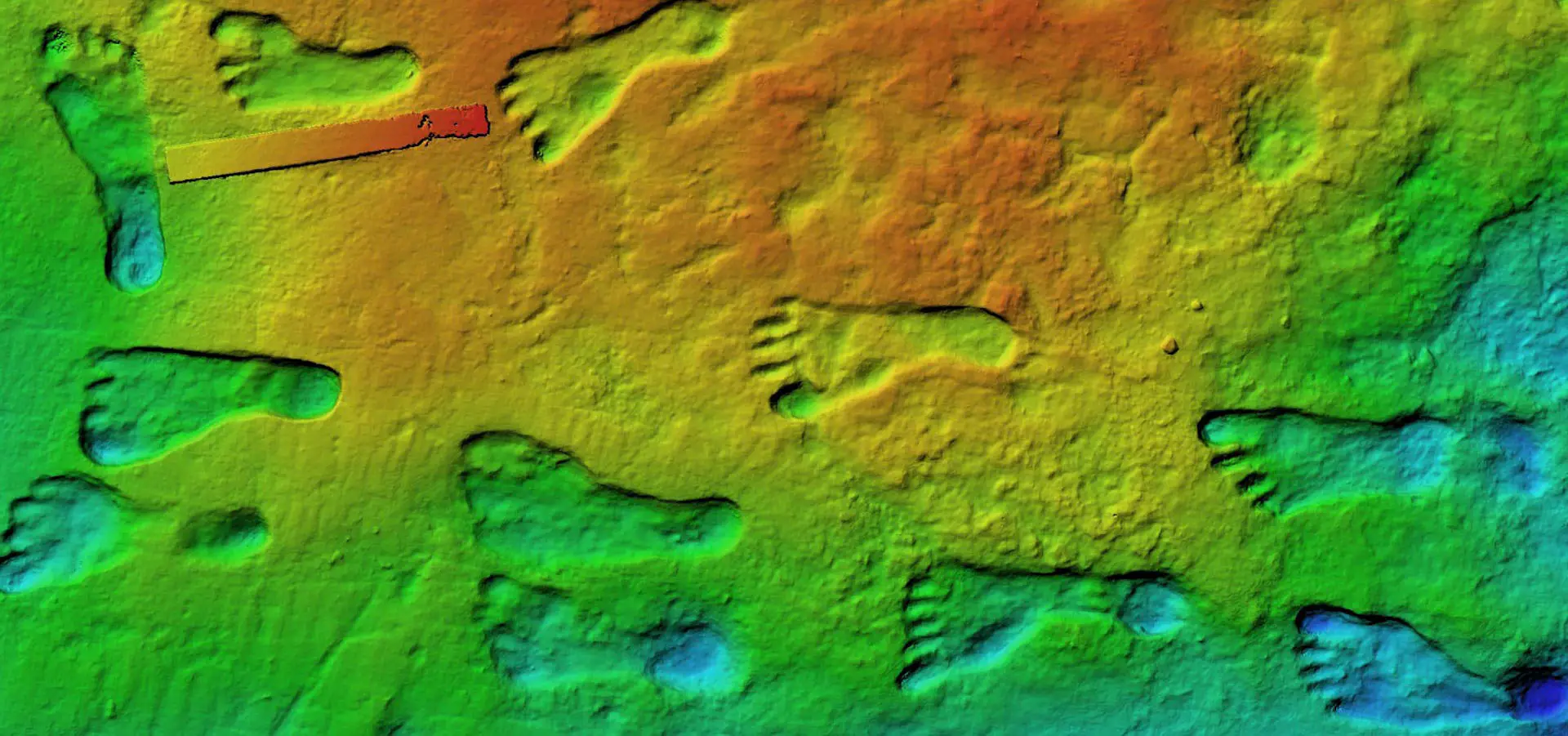
Analysis of tree pollen trapped in ancient sand at White Sands National Park in New Mexico by Bay Area scientists supports the claim that humans thrived in North America as early as 23,000 years ago, challenging the previous assumption that people arrived from Asia around 14,000 years ago. The pollen, found alongside ghostly human footprints, provides evidence that these early settlers behaved similarly to modern humans, carrying children, hunting for food, and slipping in mud. The study's findings were confirmed by a second technique called optically stimulated luminescence, further solidifying the evidence of early human presence in North America.
Revisiting America's Ancient Footprints: New Insights on Early Human Arrival

Originally Published 2 years ago — by SciTechDaily

Featured image for Revisiting America's Ancient Footprints: New Insights on Early Human Arrival
Source: SciTechDaily

New research using advanced dating techniques suggests that humans settled in the Americas around 23,000 years ago, challenging previous beliefs of a 14,000-year timeline. Fossil footprints found in New Mexico were dated to the height of the last Ice Age, adding 7,000 years to the record of human presence in the Americas. The study used radiocarbon dating on pollen grains and optically stimulated luminescence to confirm the early dates. The findings suggest that humans may have reached the Americas during an earlier period of melting or that the ice posed fewer barriers to their passage than previously thought.

Pollen analysis reveals Pleistocene warming's role in human dispersal

Originally Published 2 years ago — by Phys.org

Featured image for Pollen analysis reveals Pleistocene warming's role in human dispersal
Source: Phys.org

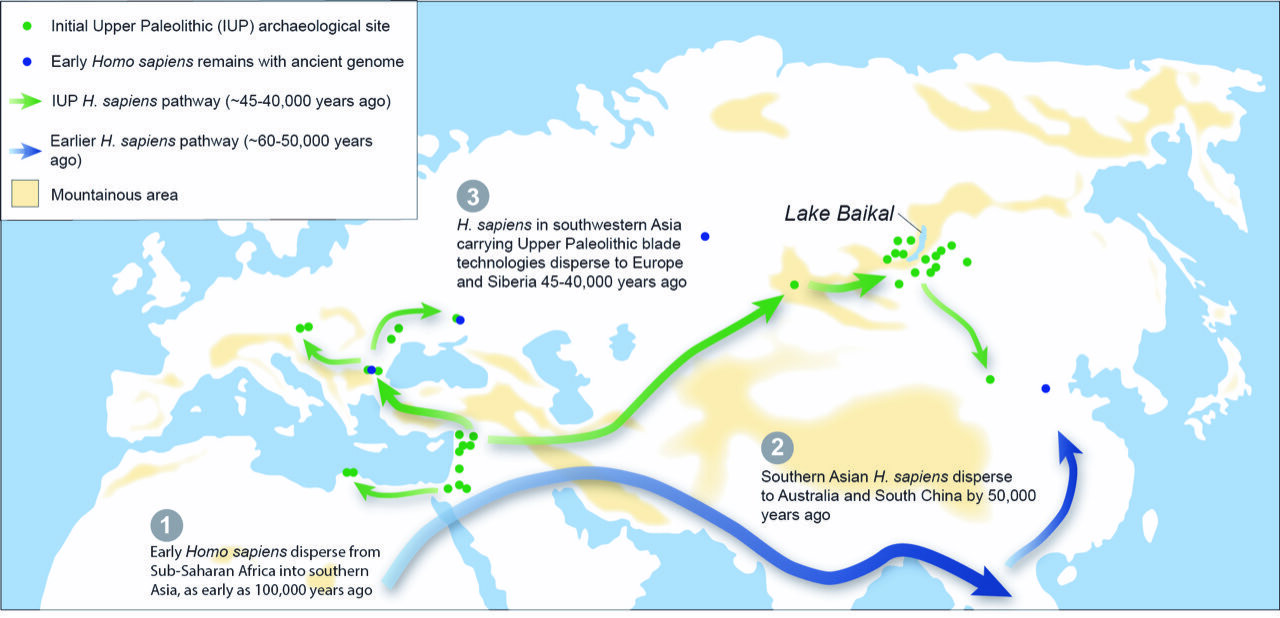
A study published in Science Advances suggests that the dispersal of Homo sapiens across Europe and Asia occurred during a major warming period in the late Pleistocene, supported by evidence from pollen analysis around Lake Baikal in Siberia. The research challenges previous archaeological perspectives and provides insights into the environmental conditions that early humans faced during their migration. The study also highlights the emergence of behavioral and cultural changes in early modern humans, coinciding with the anatomical changes observed in the fossil record. However, more evidence is needed to establish a clear link between the archaeological sites and the single human fossil found in the region.

"Pollen Unveils the Rise and Fall of the Roman Empire"

Originally Published 2 years ago — by Phys.org

Featured image for "Pollen Unveils the Rise and Fall of the Roman Empire"
Source: Phys.org

Scientists studying sediment cores from the Gulf of Saint Eufemia in Italy have used pollen analysis to track the colonization of Italy by Greeks and Romans over the past 5,000 years. The analysis revealed three distinct phases of vegetation: dense forest cover, forest decline and aridity, and deforestation with intensive agriculture. These patterns were closely linked to the communities living in the area at the time, with evidence of climate change impacting the vegetation. The final phase of widespread deforestation coincided with the collapse of the Western Roman Empire in the region. This study highlights the importance of palynology in understanding the impact of human occupation and climate change on plant communities.