
"Pollen Unveils the Rise and Fall of the Roman Empire"
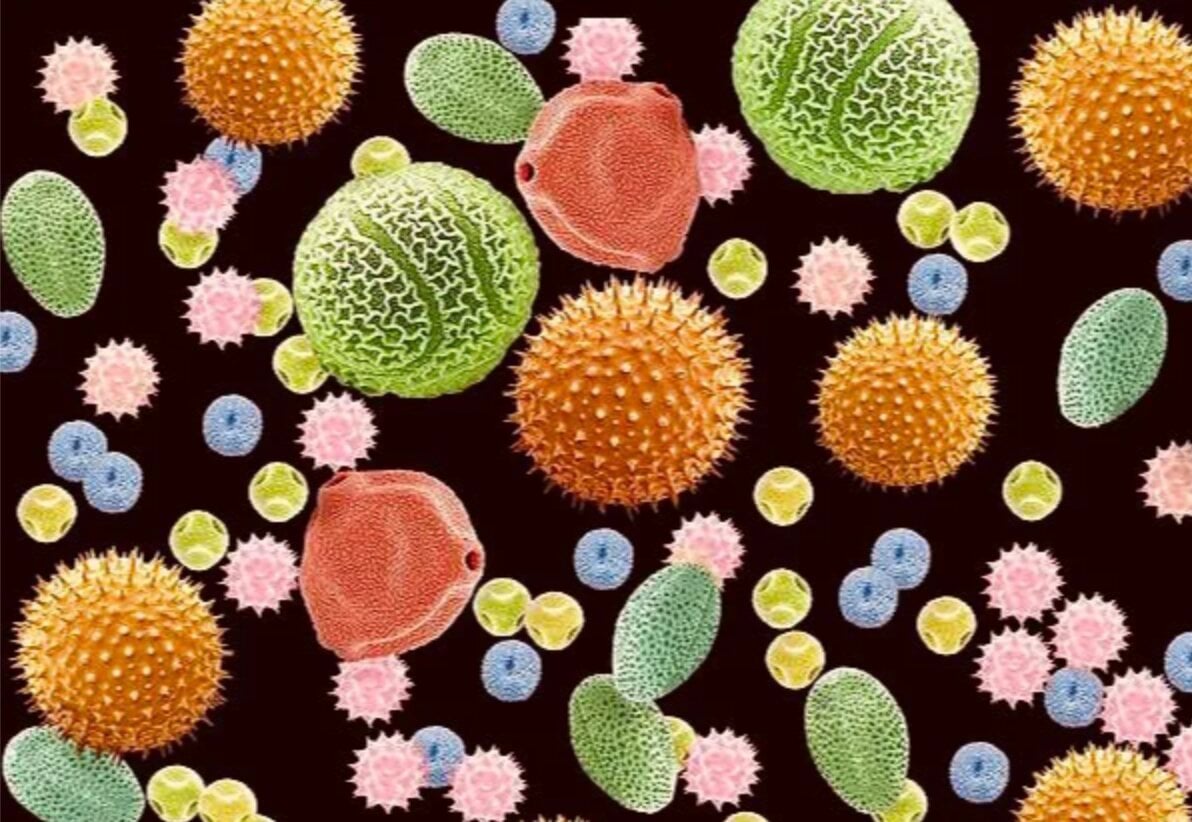
Scientists studying sediment cores from the Gulf of Saint Eufemia in Italy have used pollen analysis to track the colonization of Italy by Greeks and Romans over the past 5,000 years. The analysis revealed three distinct phases of vegetation: dense forest cover, forest decline and aridity, and deforestation with intensive agriculture. These patterns were closely linked to the communities living in the area at the time, with evidence of climate change impacting the vegetation. The final phase of widespread deforestation coincided with the collapse of the Western Roman Empire in the region. This study highlights the importance of palynology in understanding the impact of human occupation and climate change on plant communities.