
Pollen analysis reveals Pleistocene warming's role in human dispersal
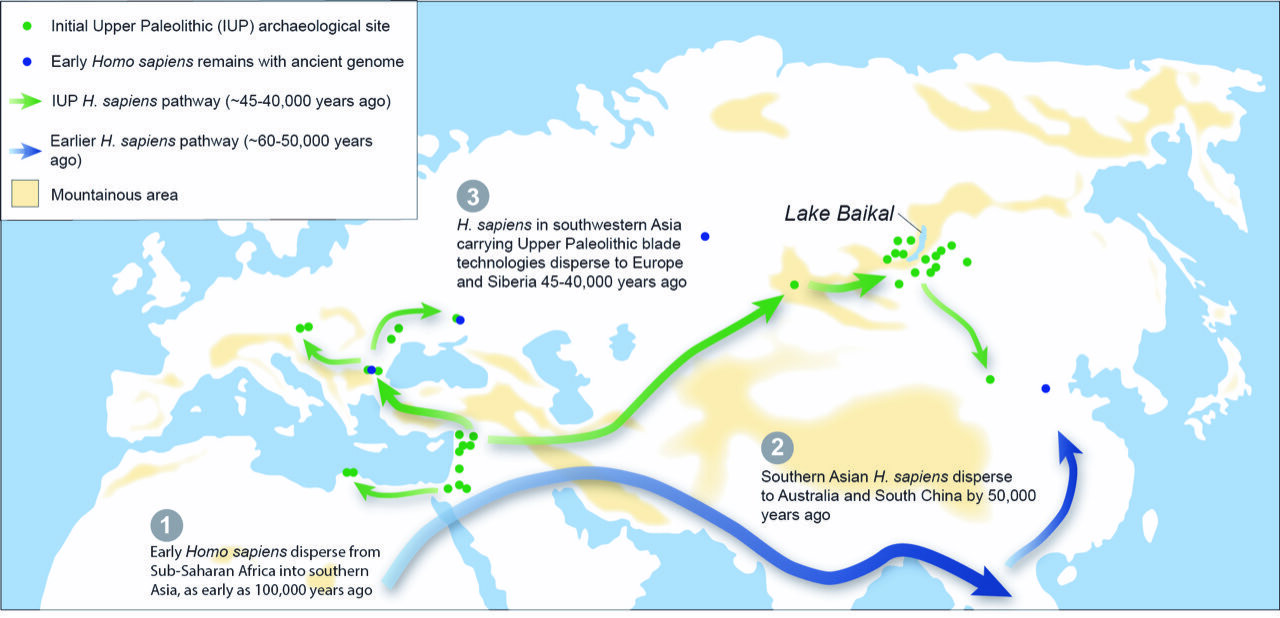
A study published in Science Advances suggests that the dispersal of Homo sapiens across Europe and Asia occurred during a major warming period in the late Pleistocene, supported by evidence from pollen analysis around Lake Baikal in Siberia. The research challenges previous archaeological perspectives and provides insights into the environmental conditions that early humans faced during their migration. The study also highlights the emergence of behavioral and cultural changes in early modern humans, coinciding with the anatomical changes observed in the fossil record. However, more evidence is needed to establish a clear link between the archaeological sites and the single human fossil found in the region.
- Pollen analysis suggests dispersal of modern humans occurred during a major Pleistocene warming spell Phys.org
- Pollen could hold clues to mysteries of early human migration Popular Science
- An Ancient Love Story – How Climate Shifts Drove Early Human Species Together SciTechDaily
- View Full Coverage on Google News
Reading Insights
0
8
4 min
vs 5 min read
88%
860 → 106 words
Want the full story? Read the original article
Read on Phys.org