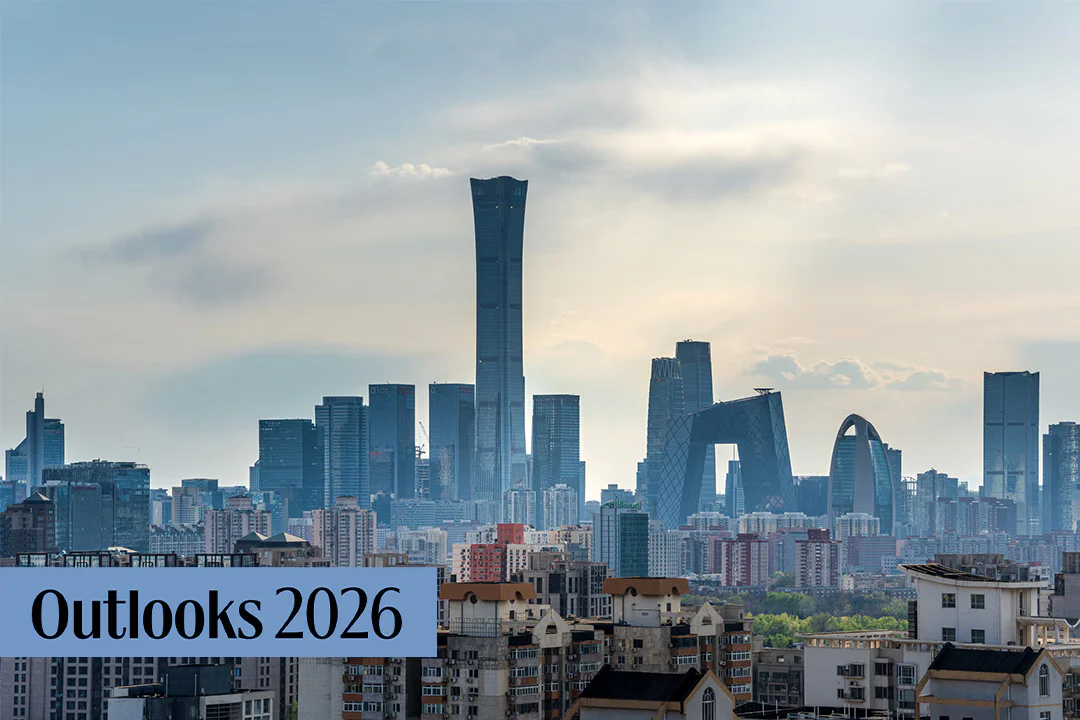
China's economy is projected to grow by 4.8% in 2026, driven by surging exports and policy easing, despite ongoing challenges in the property market and labor sector. The country is shifting towards a consumption- and services-driven economy, with a focus on diversifying export markets and supporting income growth through targeted policies. However, structural issues like a weak property market and labor market pressures remain significant hurdles.
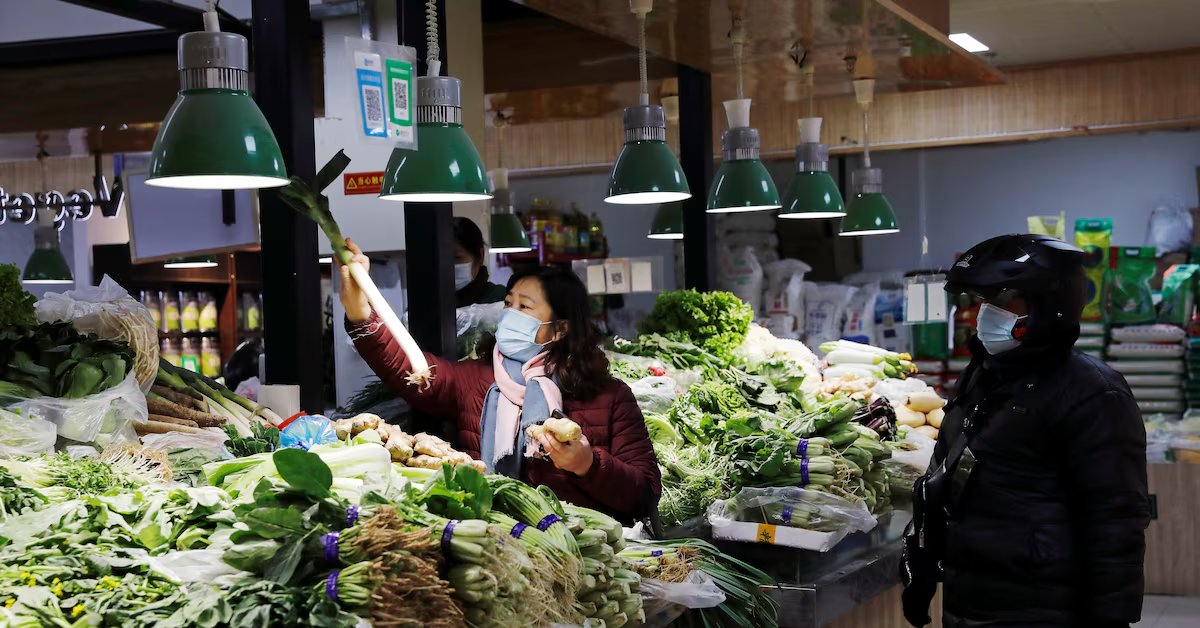
China's consumer inflation hit an 18-month low and factory-gate price declines sped up in March as demand stayed persistently weak, shoring up the case for policymakers to take more steps to support the uneven economic recovery. The consumer price index (CPI) rose 0.7% year-on-year, the slowest pace since September 2021 and weaker than the 1.0% gain in February, while the producer price index (PPI) fell 2.5% year-on-year, the fastest pace since June 2020 and compared with a 1.4% drop in February. Policymakers have pledged to step up support for the economy, which recorded one of its worst performances in nearly half a century last year due to strict COVID-19 curbs.