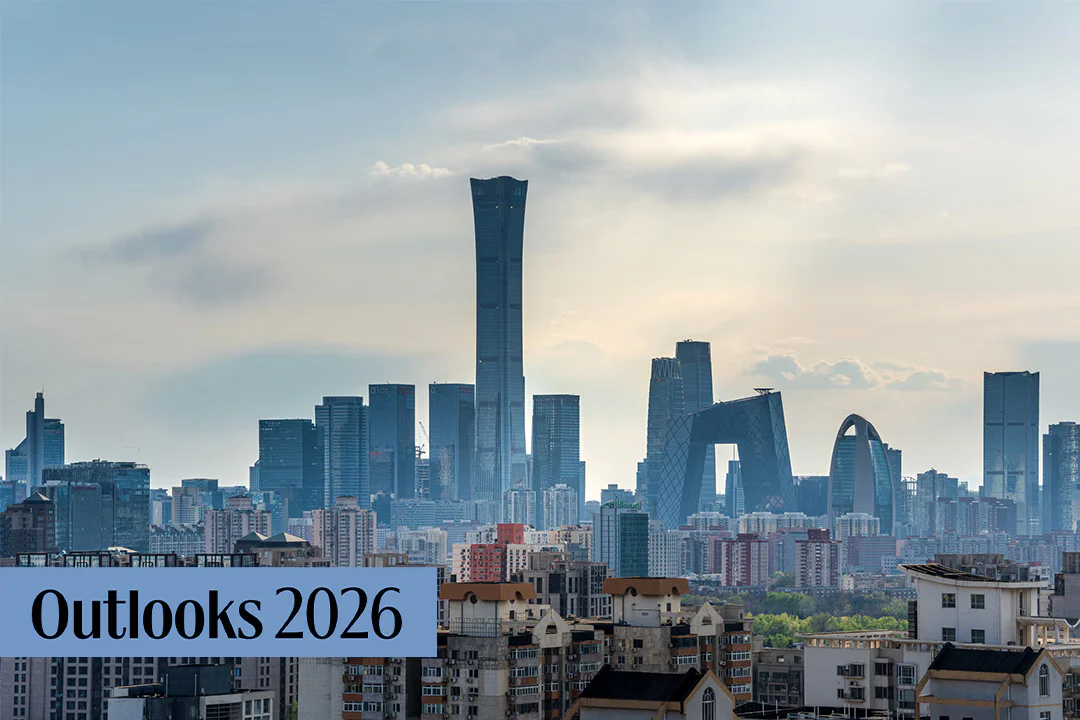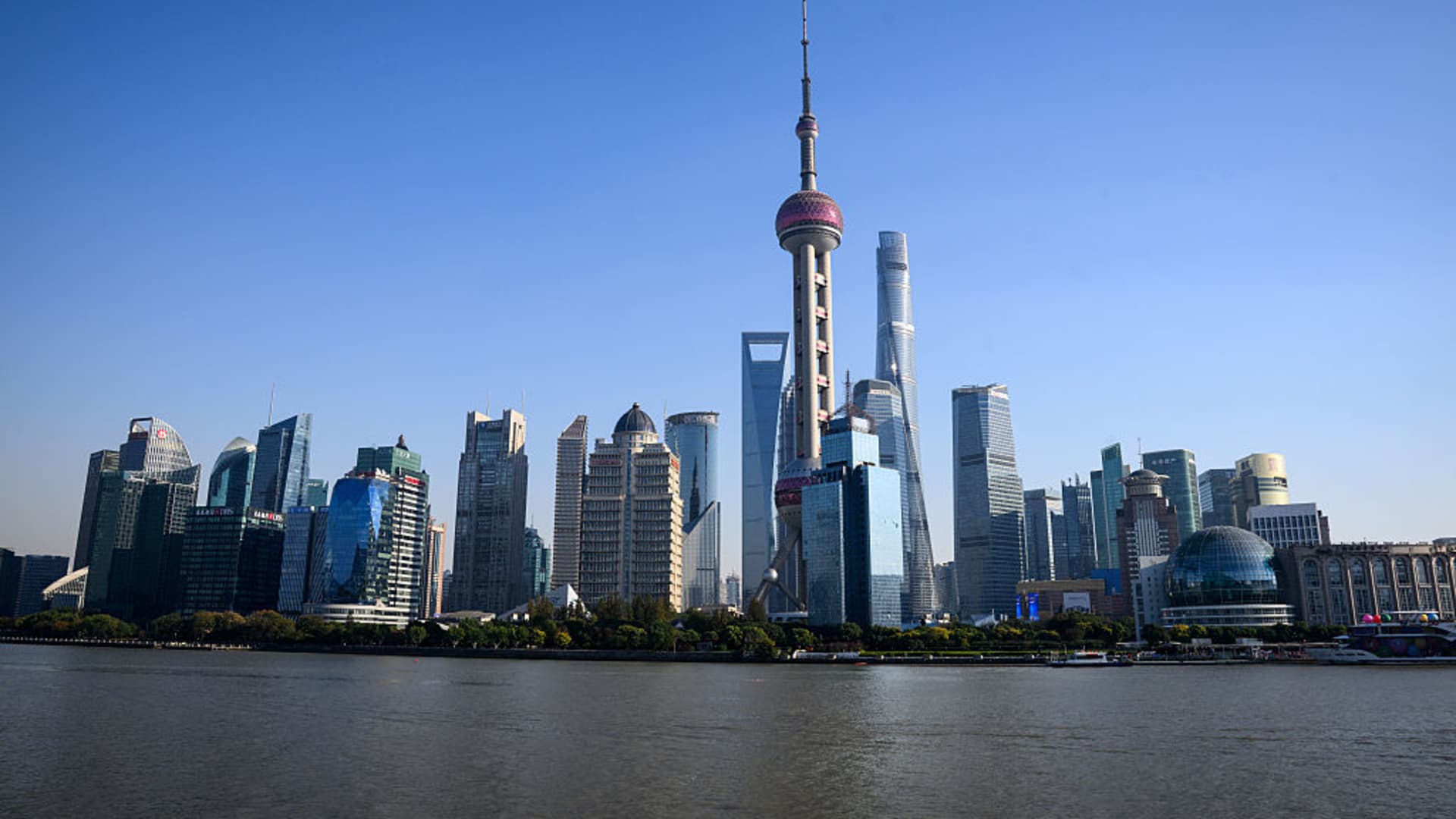
China's economy is projected to grow by 4.8% in 2026, driven by surging exports and policy easing, despite ongoing challenges in the property market and labor sector. The country is shifting towards a consumption- and services-driven economy, with a focus on diversifying export markets and supporting income growth through targeted policies. However, structural issues like a weak property market and labor market pressures remain significant hurdles.
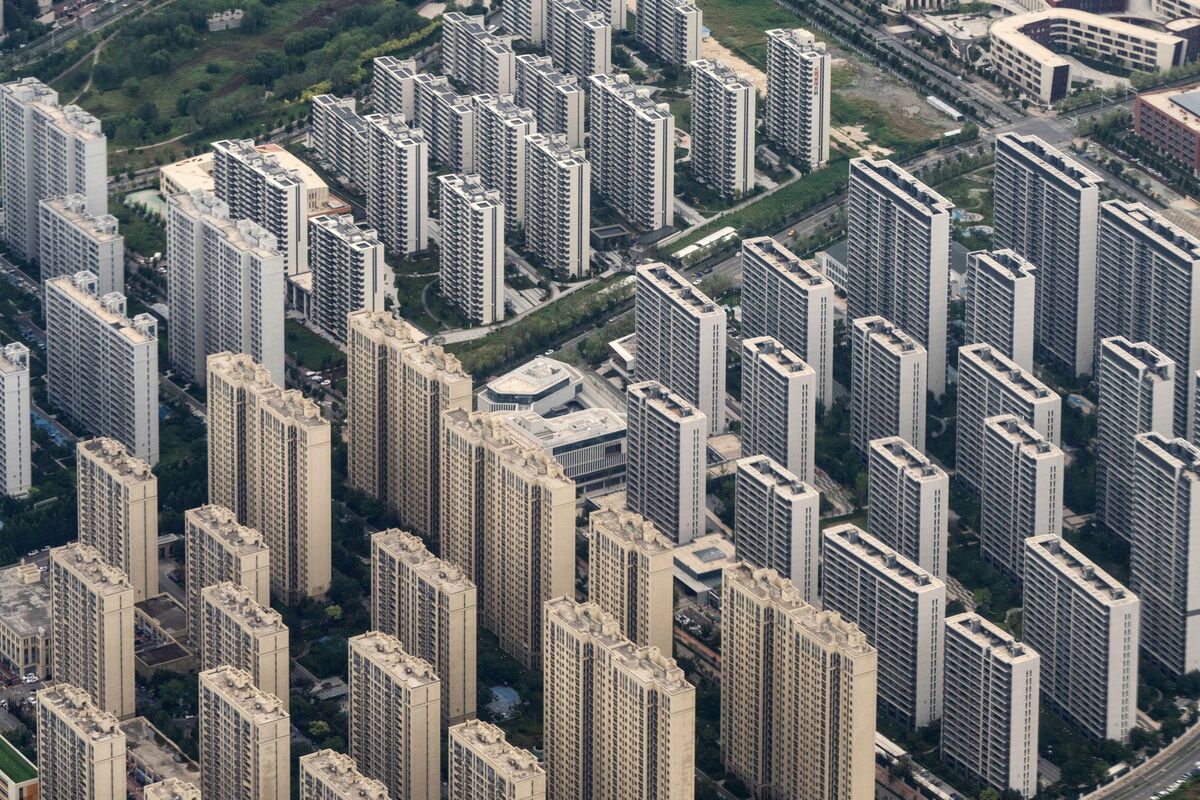
China's property market crisis, ongoing since 2021, is expected to last until 2030, with the government actively suppressing negative information and restricting data releases to manage the narrative.
China's economy appears resilient on paper with strong exports and advancements in technology, but many ordinary Chinese face economic hardship due to weak property prices, job insecurity, and reduced consumer spending, highlighting a disconnect between official figures and everyday realities.
China's economy appears resilient with strong exports and technological advances, but many ordinary Chinese face economic hardships due to weak property prices, job insecurity, and reduced household incomes, leading to a disconnect between official growth figures and public sentiment.
China's November retail sales growth sharply missed expectations, indicating a deepening economic slowdown with declines in consumption, investment, and industrial output, amid ongoing property sector struggles and cautious consumer sentiment. Despite government pledges for policy support, concerns remain about the sustainability of growth and reliance on exports, with calls for structural reforms and increased domestic demand measures.
China's home prices declined more sharply in September despite recent easing measures in major cities, with new-home prices dropping 0.41% and resale values falling 0.64%, marking the steepest decline in a year. The prolonged downturn in the property sector continues to weigh on the economy, with real estate investment hitting a low since 2014 and overall economic growth slowing to 4.8% in Q3. While some cities like Beijing and Shanghai saw slight price increases due to policy easing, others like Shenzhen experienced significant price drops, highlighting ongoing challenges in the housing market.
China's property market continues to decline, with falling home prices, contracting investment, and the potential delisting of Evergrande, highlighting ongoing consumer fragility and economic challenges.
China's economy grew by 5.2% in the second quarter, slightly slowing down due to trade tensions and a struggling property market, but it has avoided a sharp downturn thanks to government support and a fragile tariffs truce with the US. The country faces challenges in maintaining its growth target amid ongoing trade disputes and declining property prices.
Goldman Sachs forecasts China's urban housing demand will remain at 75% below its 2017 peak due to declining population and falling prices, with annual demand dropping to around 4.1 million units by 2025-2030, highlighting ongoing struggles in China's property sector.
China's new-home prices fell the most in seven months in May, prompting government officials to pledge support to revive the property market amid ongoing declines in sales and investment, with policymakers continuing to coordinate fiscal and financial policies to counteract the downturn.
China's economy has shown resilience despite ongoing trade tensions, and a significant property market crisis appears to be ending, boosting confidence in the country's economic outlook.
China's retail sales increased by 4.8% in October, marking the highest rise in eight months, while industrial production grew by 5.3%, slightly below forecasts. Despite these gains, the property sector continues to struggle, with new home prices falling for the 16th consecutive month and real estate investment declining. The Chinese government has implemented various stimulus measures, including rate cuts and debt refinancing, to boost the economy. However, the persistent weakness in real estate poses challenges, especially with potential trade disruptions from a second Trump presidency. Analysts suggest more policy support is needed to stabilize the sector and sustain economic growth.
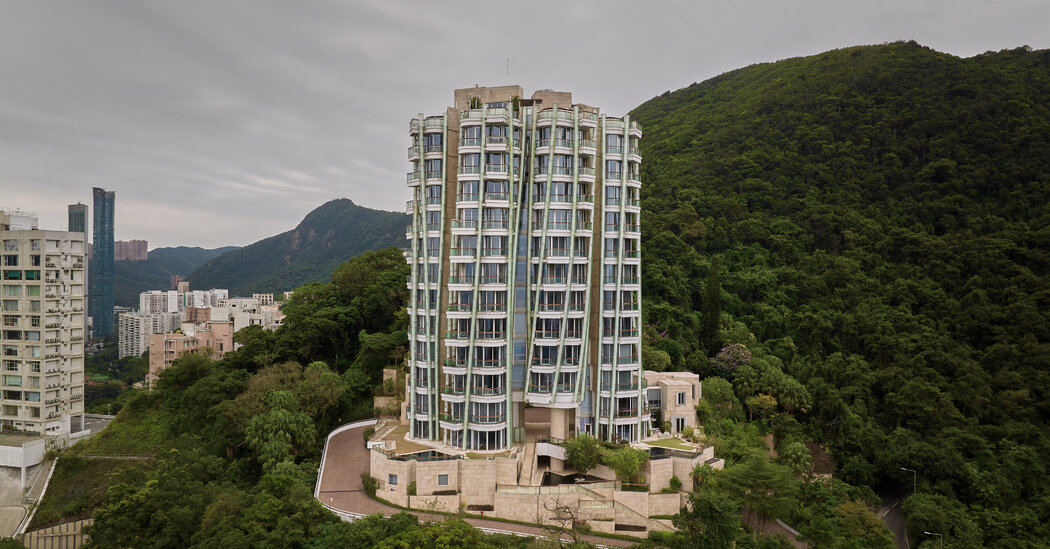
Luxury homes in Hong Kong are being sold at significantly reduced prices as the property market faces a downturn. This trend reflects broader economic challenges and a shift in demand within the region's real estate sector.
Once a reliable path to wealth, China's real estate market is now causing financial distress for many, particularly the middle class, due to a prolonged slump. With 70% of family assets tied to property, declining house prices are eroding wealth and consumer confidence, further slowing the economy. Despite piecemeal government measures, the property sector remains in crisis, with many apartments unsold or unfinished, and public sentiment shifting towards concerns over inequality and systemic issues.
China's economic growth slowed to 4.7% in the second quarter, below the expected 5.1%, due to weak retail spending and falling house prices. Retail sales growth hit an 18-month low, reflecting low consumer confidence. Despite increased infrastructure investment and strong export growth, the property market remains a significant drag on the economy. Analysts believe achieving the government's 5% growth target for 2024 will be challenging without significant policy measures.