A recent study reveals that groundwater pumping has caused Earth's tilt to shift by 31.5 inches over less than two decades, significantly impacting Earth's rotation and contributing to sea level rise, highlighting the importance of water redistribution in climate change effects.
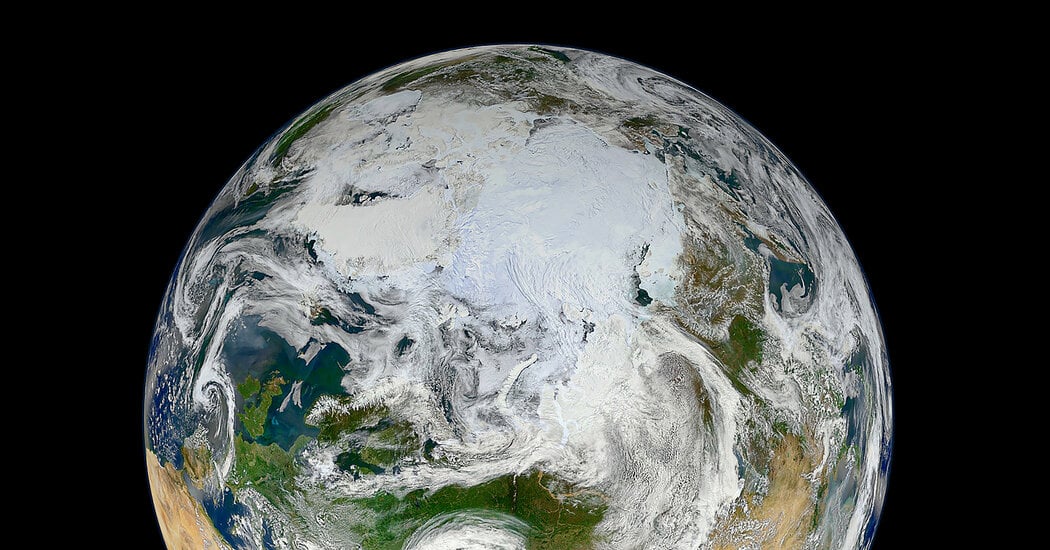
New research indicates that climate change-induced ice melt is redistributing Earth's mass towards the equator, slowing its rotation, shifting its axis, and even affecting its inner core. This dynamic could eventually rival the moon's tidal forces in influencing Earth's spin, with significant implications for timekeeping and space navigation.
A new study by ETH Zurich reveals that melting ice due to climate change is causing Earth's spin axis to shift and lengthening the days by redistributing mass towards the equator, which slows down the planet's rotation. This phenomenon, driven by human activity, is now outweighing the moon's tidal influence and affecting Earth's internal dynamics, including its core.
The rotation of Earth's inner core is not aligned with the rotation of the mantle, causing a wobble that affects the motion of the poles and the length of days. The misalignment, with a tilt of 0.17 degrees, suggests a slight difference in density between the northwestern hemisphere of the inner core and the rest. Researchers discovered this through the analysis of polar motion and day-length fluctuations, indicating a periodic variation of 8.5 years. The study highlights the complexity of Earth's core-mantle system and its impact on our planet's dynamics.
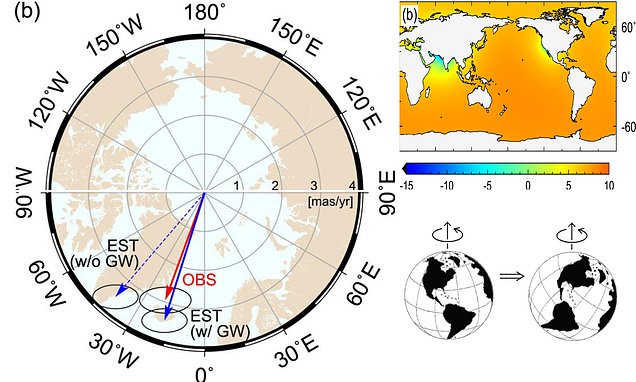
A recent study suggests that pumping large amounts of groundwater to the surface can impact the position of Earth's poles and its rotation. Scientists used a climate computer model to estimate that humans pumped 2,150 gigatons of groundwater to the surface from 1993 to 2010, causing the Earth to tilt nearly 80 centimeters towards the 64 degrees east longitude line. The study highlights the significant impact of groundwater pumping on polar motion and its potential contribution to sea level rise.
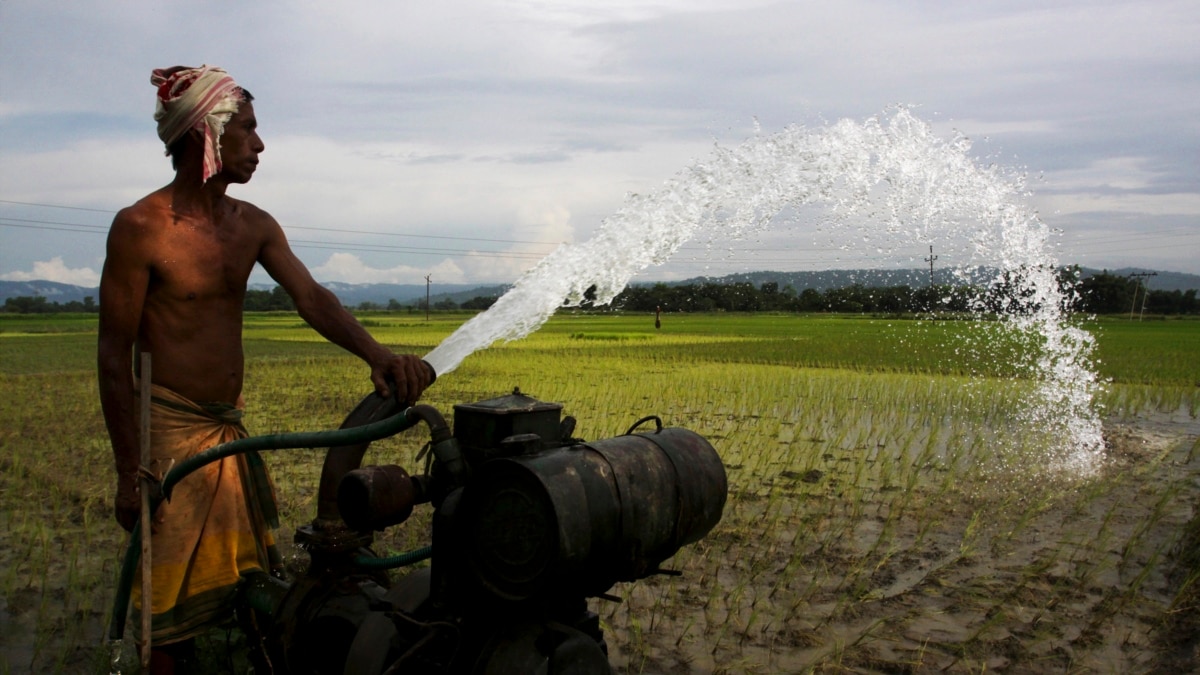
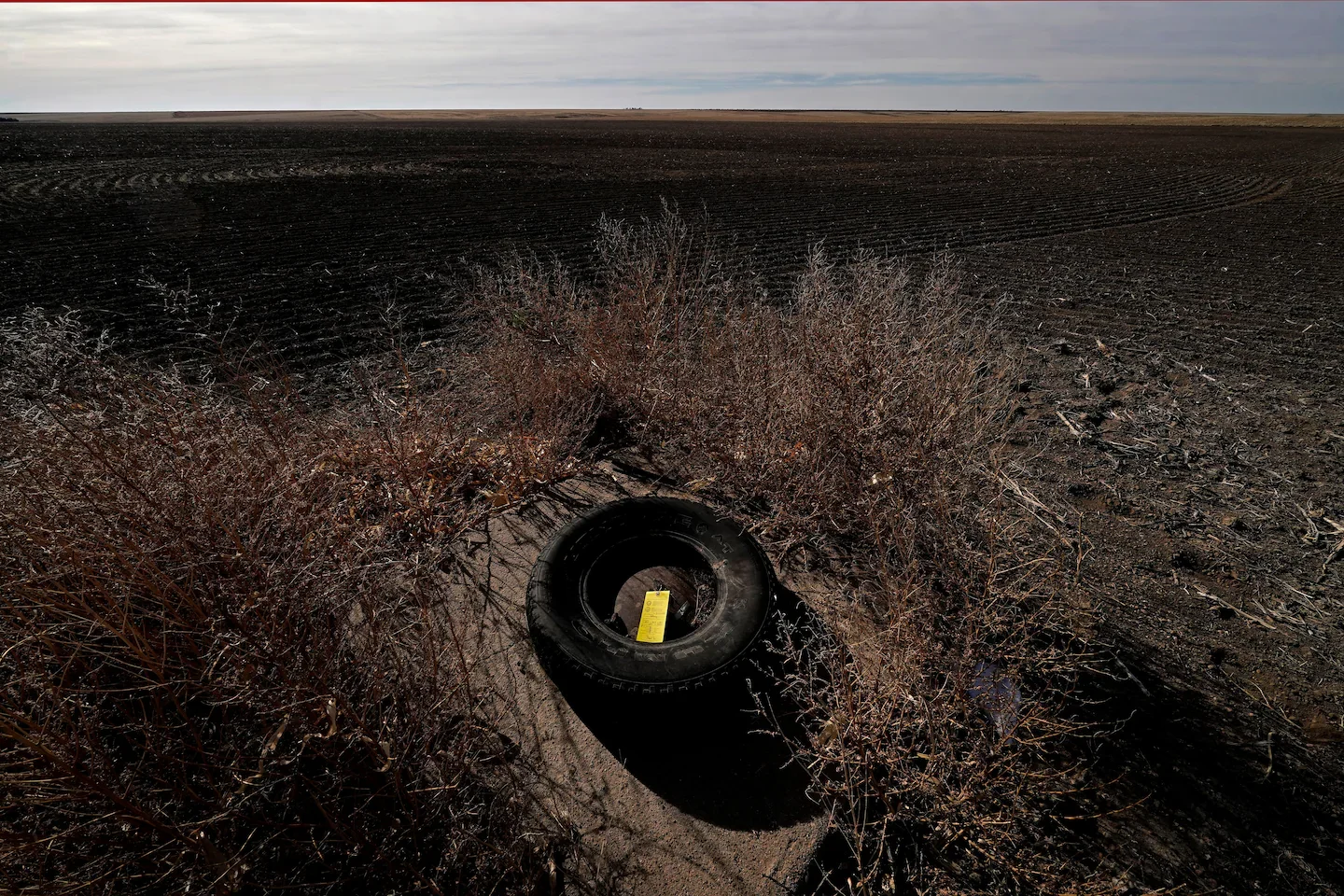
Scientists have discovered that the excessive extraction of groundwater for agriculture and households has contributed to a shift in Earth's axis, altering its spin. The accelerated melting of polar ice sheets and mountain glaciers had already affected the planet's rotation, but now researchers have identified groundwater depletion as another significant factor. The study highlights the consequences of overusing groundwater, including land sinking, infrastructure damage, and reduced underground water storage capacity. The findings provide new insights into the impact of human activity on Earth's spin and suggest the potential use of historical data to study shifts in groundwater use and its relationship to climate change.
The rampant removal of groundwater for drinking and irrigation has altered the distribution of water on Earth enough to shift the planet’s tilt, according to a new study. Between 1993 and 2010, humans removed a total of 2,150 gigatons of groundwater, enough to fill 860 million Olympic swimming pools. Moving all that water has shifted Earth’s tilt 31.5 inches eastward. The shift in Earth’s tilt is far too small to impact weather or seasons, but the team of scientists discovered that polar drift can be used to estimate the effect of groundwater pumping on sea level rise.
A new study by researchers at South Korea's Seoul National University suggests that humans extracted so much groundwater between 1993 and 2010 that it shifted the Earth's poles and caused sea levels to rise. The researchers found that the Earth tilted almost 31.5 inches in those years, a process known as "polar motion." The study highlights the impact of human activity on the planet and the various factors contributing to sea level rise. Groundwater extraction had not been isolated when studying this effect until now.
Humans have extracted and moved so much groundwater between 1993 and 2010 that it contributed to the migration of Earth's poles, resulting in a polar shift of 80 centimeters towards the east. Agriculture uses about 70 percent of the groundwater pumped for human use globally. The redistribution of groundwater has the largest impact on the drift of the rotational pole, even more than climate-related causes. Groundwater extraction pushed Earth's poles at a rate of 4.36 centimeters per year. The findings could help mitigate further polar motion and sea level rise if regions limit groundwater extraction rates.
Groundwater extraction and redistribution by humans caused the Earth's rotational pole to shift nearly a meter in two decades (1993-2010), contributing to a sea level rise, reveals a study in Geophysical Research Letters. The most water redistribution occurred in western North America and northwestern India, and efforts to reduce groundwater depletion in such areas could theoretically affect this shift. The phenomenon doesn't risk shifting seasons but could impact climate over geological time scales.
Human activities, particularly groundwater depletion, have caused a significant eastward shift of 31 inches in Earth's rotational pole between 1993 and 2010, according to new research. The study estimates that pumping 2,150 gigatons of water from underground aquifers caused the shift, which is the largest impact on the drift of the rotational pole among climate-related causes. The extracted groundwater that ended up in the oceans may have also boosted global sea level rise by around 0.25 inch.
Human activities such as pumping groundwater from aquifers have caused a significant eastward shift of 31 inches in Earth's rotational pole between 1993 and 2010, according to new research. The study estimates that pumping 2,150 gigatons of water from underground layers of water-saturated rock known as aquifers caused the shift. Groundwater depletion also contributed to a 0.25 inch rise in global sea levels. The findings highlight the impact of human activities on the planet's axis and the importance of monitoring water usage.
A new study claims that the Earth's tilt changed by nearly 80 centimeters between 1993 and 2010, and humans are to blame for pumping 2,150 gigatons of groundwater from the planet. The distribution of water on our planet affects how the mass of the Earth's crust is distributed, thereby playing a part in how the Earth's tilt is determined. The changes to the distribution of the Earth's groundwater could also be attributed to global sea levels rising. Conservation attempts sustained for several decades could alter the changes in the Earth's tilt drifting.
The overuse of groundwater has caused the North and South Poles to shift almost 80 centimeters in 17 years, affecting the Earth's rotation. Groundwater extraction has the largest impact on the drift of the rotational pole, according to a study that used data from the Gravity Recovery and Climate Experiment (GRACE). The study confirms estimates of how fast we're depleting a vital resource and validates concerns about the rate at which we're using up one of our most vital resources.
The removal of groundwater for drinking and irrigation purposes is causing the Earth's axis to shift, according to a study by researchers at Seoul National University. The team found that the Earth tilted 31 inches east between 1993 and 2010 due to the redistribution of groundwater, which alters the planet's mass. This shift can increase the amount of sunlight the poles receive, potentially increasing the melting of polar ice. The study highlights the need to consider Earth's axis wobbling when using GPS, satellites and ground observatories.