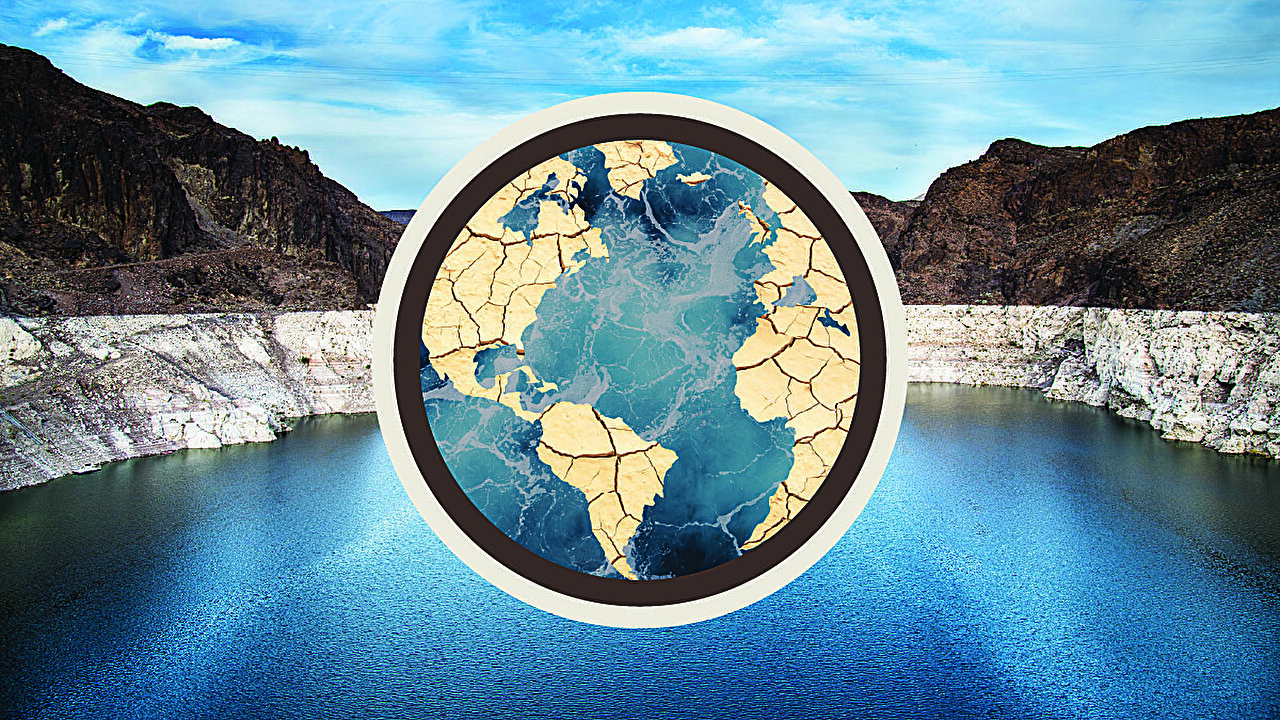
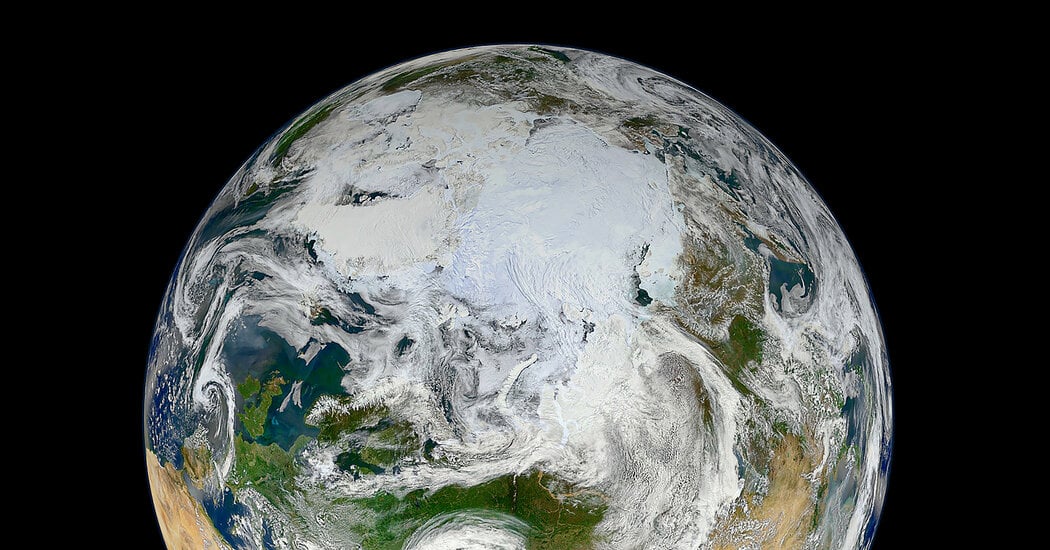
Satellite data from NASA reveals that Earth's continents are drying at an unprecedented rate since 2002, driven by groundwater over-extraction and exacerbated by climate change, with 75% of the global population now living in water-stressed areas, threatening agriculture, sanitation, and regional stability.
A NASA-backed study reveals that global groundwater extraction and climate change are causing widespread continental drying, threatening freshwater resources for 75% of the world's population, accelerating sea level rise, and increasing risks of conflict and instability worldwide.
A recent study highlights that due to overpumping groundwater, worsening droughts, and higher temperatures, Earth's land-based water sources are drastically shrinking, contributing more to sea level rise than melting ice sheets, with significant implications for global water security and climate change impacts.
A new study reveals that overpumping groundwater and climate change are causing widespread continental drying, which has now surpassed ice melt as the main contributor to sea level rise, with significant implications for global water security and climate resilience.
A new study reveals that Earth's continents have experienced unprecedented freshwater loss since 2002, primarily due to climate change, groundwater overuse, and droughts, leading to the emergence of four mega-drying regions in the northern hemisphere, with serious implications for global water security, agriculture, and sea level rise.
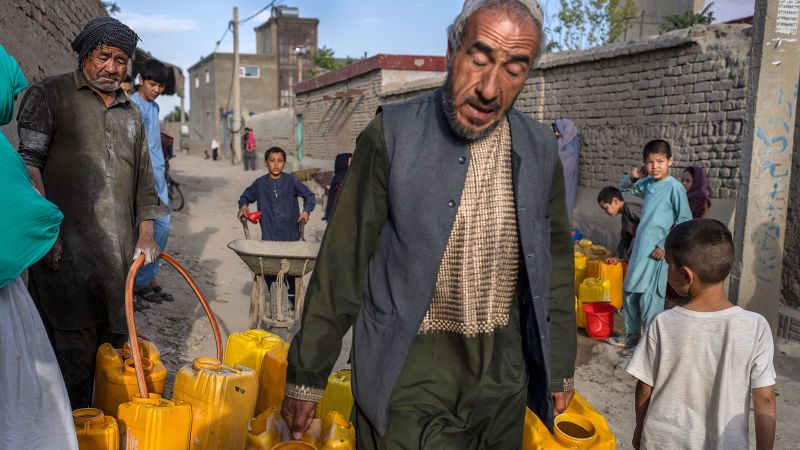
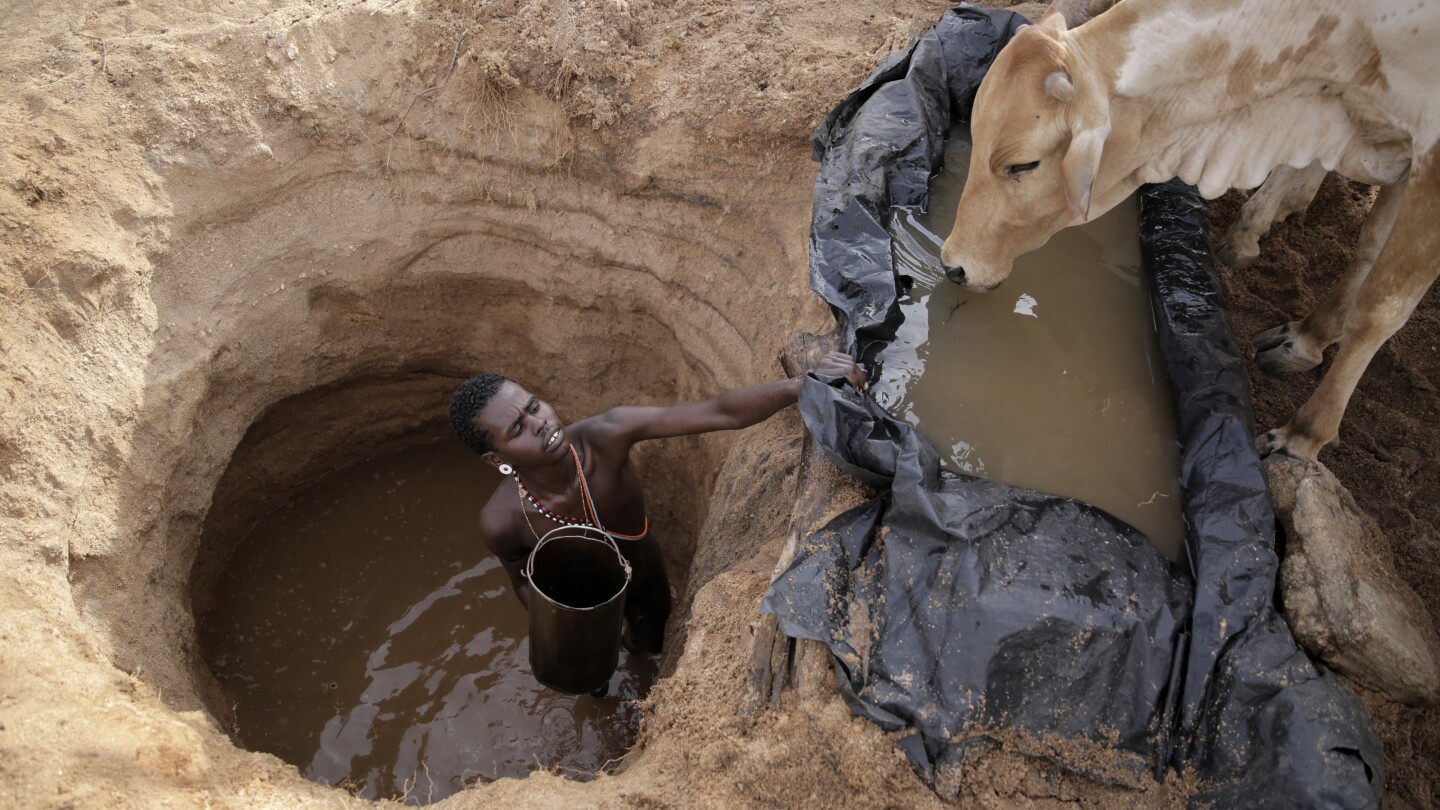
Kabul is nearing a historic water crisis due to over-extraction of groundwater, climate change, and political instability, risking economic collapse and displacing residents, with many families paying high costs for contaminated water and children missing school to fetch water.
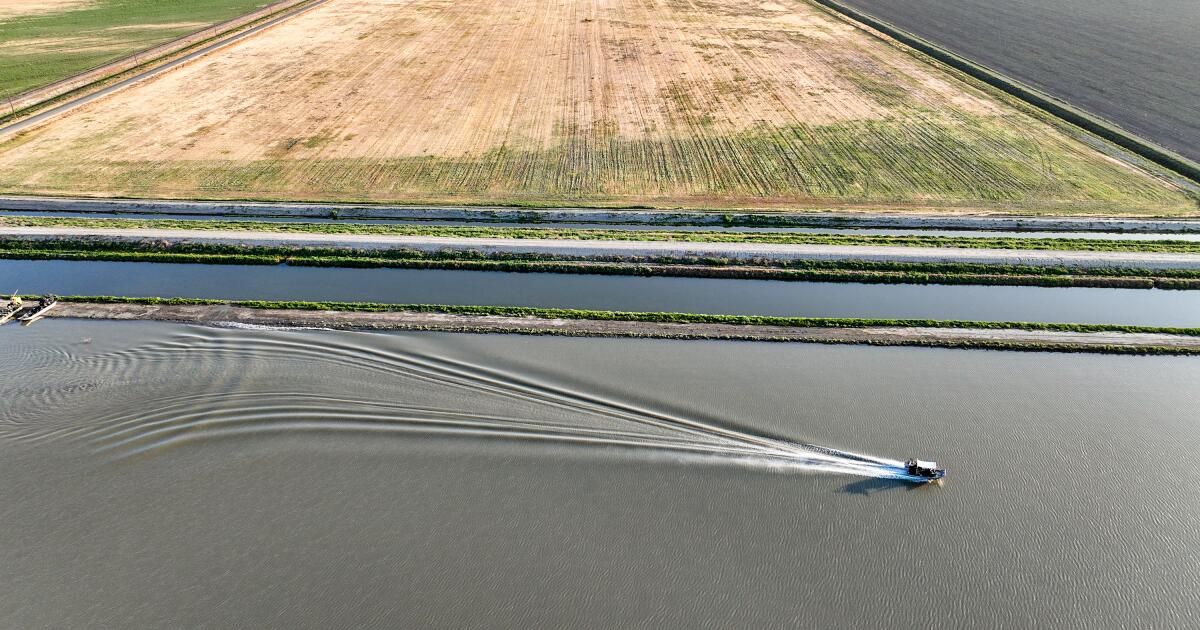
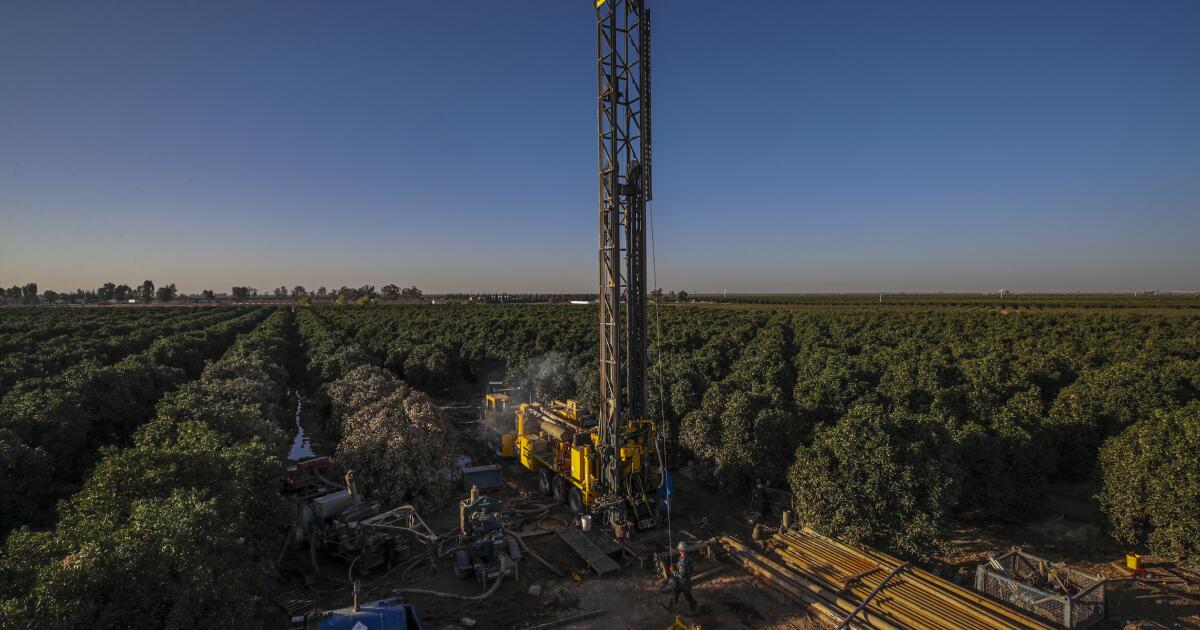
The State Water Resources Control Board has placed California's Tulare Lake basin on "probationary" status for failing to address chronic overpumping of groundwater, causing water levels to decline and land to sink. This marks the first time the state has intervened to enforce measures under the Sustainable Groundwater Management Act. Large agricultural landowners will now be required to report water usage and pay fees, with potential for further state intervention if local agencies fail to address deficiencies in their groundwater plan. The decision aims to protect water resources and communities, but has sparked concerns among farmers about the impact on their livelihoods.
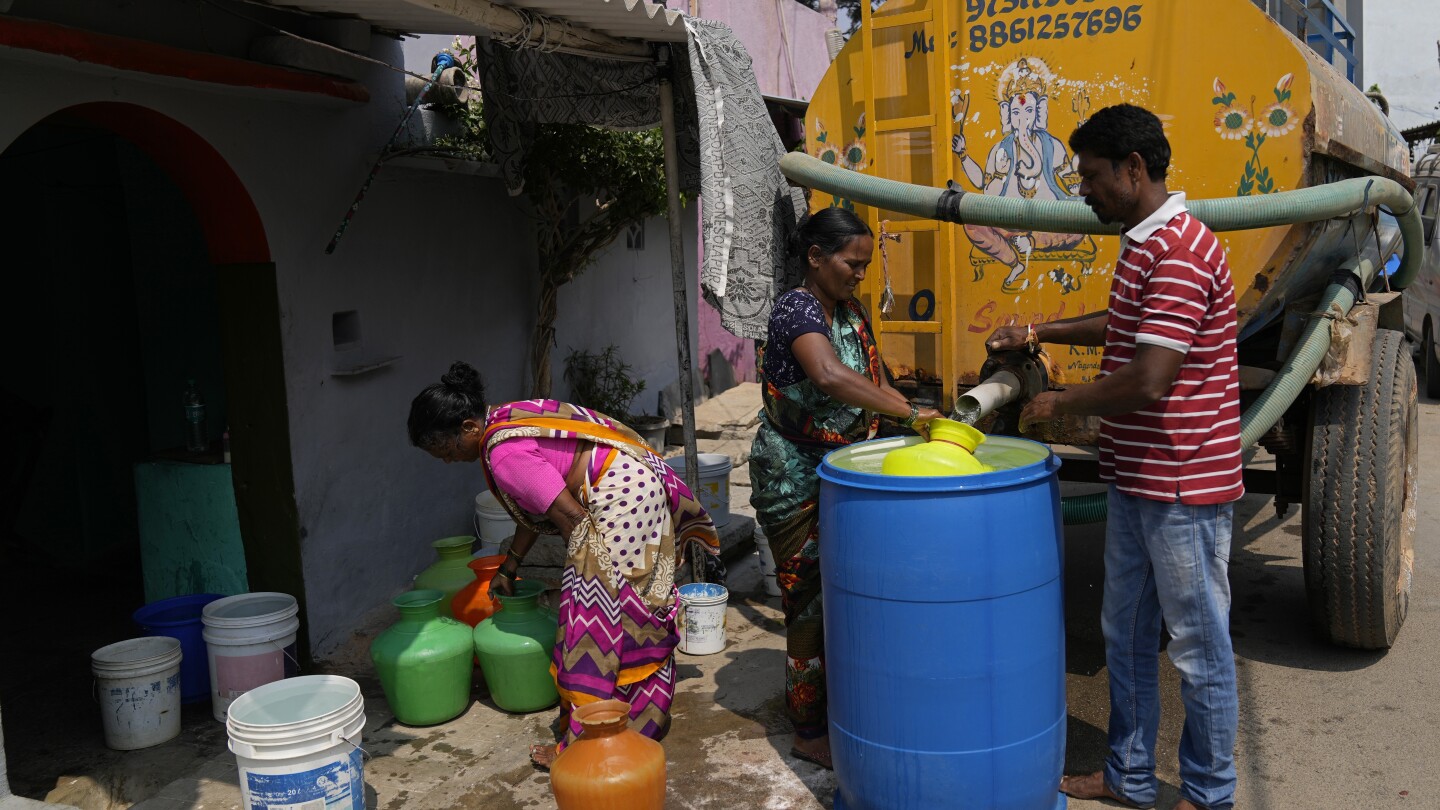
Bengaluru, India is facing a severe water crisis as groundwater levels are rapidly depleting, leading to exorbitant costs for water and a dwindling supply, particularly in low-income areas. The city's infrastructure for fresh water supply is struggling to keep up with its rapidly growing population, exacerbated by reduced rainfall and human-caused climate change. Emergency measures are being implemented, but experts fear the situation will worsen in the upcoming scorching summer months. Solutions such as replenishing lakes, rainwater harvesting, and increasing green cover are proposed to address the city's water problem.
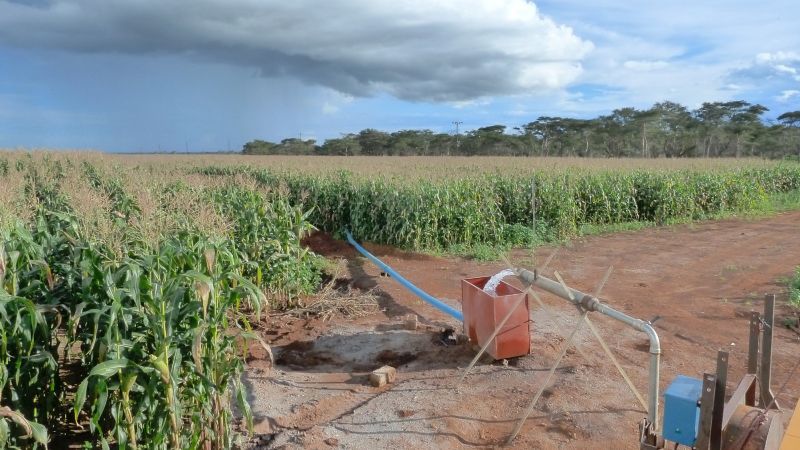
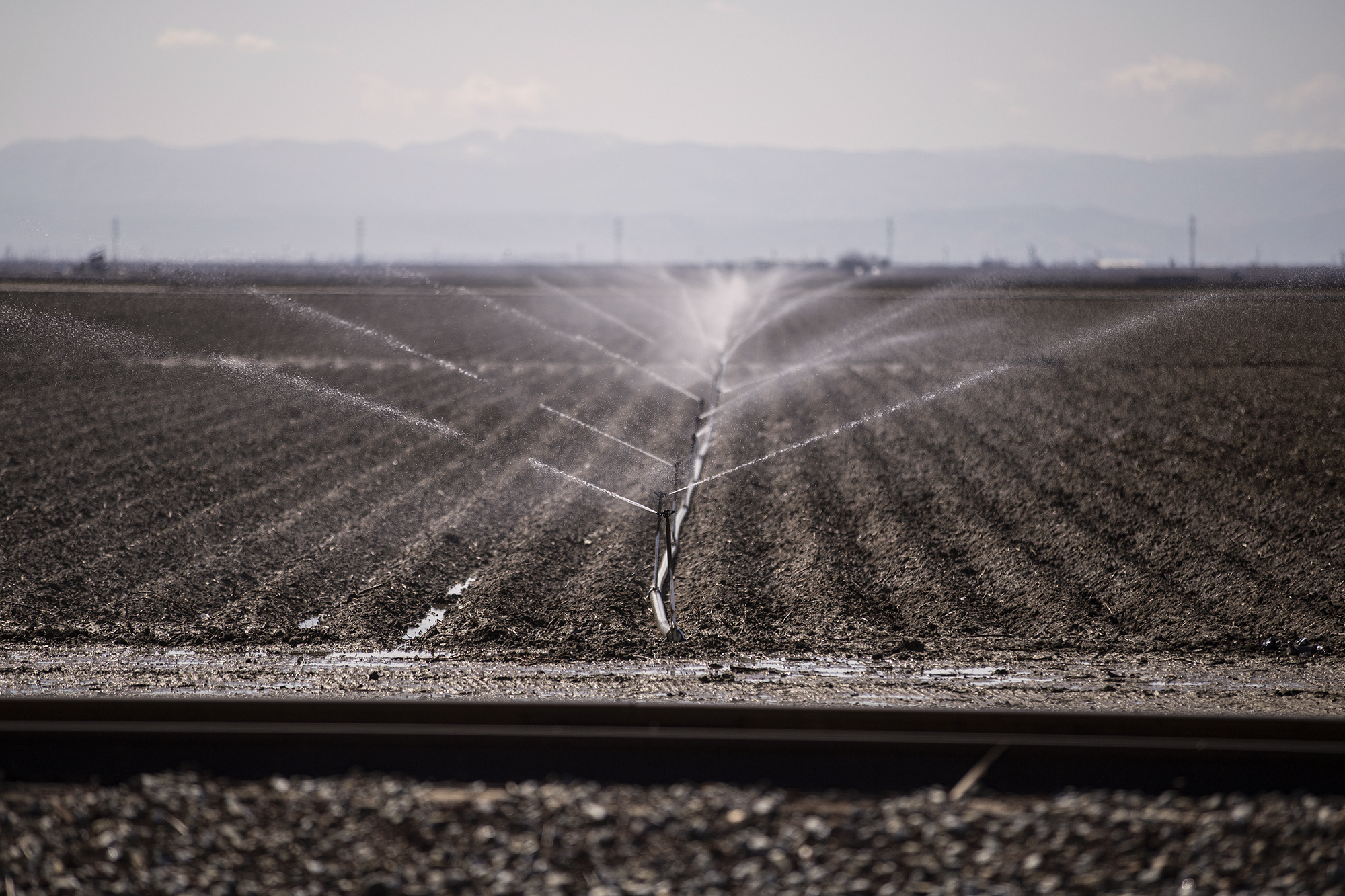
A new study published in the journal Nature reveals that groundwater depletion has accelerated in arid food-producing regions worldwide, including parts of the western United States, India, Chile, Spain, and Mexico, due to heavy pumping for irrigation. The analysis of 170,000 wells in over 40 countries shows that overpumping is taking a widespread and worsening toll on aquifers, leading to dry wells, diminished streams, and sinking ground. While the study presents a stark picture of ongoing and pervasive groundwater depletion globally, it also highlights successful efforts in some areas to curb declines and boost aquifer levels, emphasizing the need for better groundwater management and sustainable solutions.
A new study analyzing millions of groundwater level measurements from over 40 countries reveals that 71% of aquifer systems experienced declining groundwater levels between 2000 and 2022, with 36% declining more than 0.1 meter per year. While some areas like northwest India and the southwest United States are heavily reliant on groundwater, success stories in Bangkok, Arizona, and New Mexico show that interventions can help replenish depleted aquifers. However, the study also found that declines in groundwater levels have accelerated in the 21st century, emphasizing the urgent need for better groundwater management and policies to address the global water crisis exacerbated by climate change.
A new global study reveals that groundwater depletion is accelerating in many parts of the world, particularly in dry regions with extensive cropland, posing a significant threat to water resources for residential development and agriculture. While the study highlights the urgency in addressing this issue, it also presents examples of aquifers that have recovered due to changes in policy or water management. The findings underscore the need for more effective regulation of groundwater resources to mitigate the depletion and its potential consequences.
California is facing a significant threat to its groundwater as half a dozen regions in the state rank among the world’s most rapidly declining aquifers, with basins in the San Joaquin Valley being particularly affected. The study, led by University of California and Swiss researchers, highlights the urgent need for more effective measures to address the accelerating groundwater declines, which have led to wells drying out, land sinking, and ongoing regulatory battles over over-pumping by growers. The research also emphasizes the global problem of groundwater depletion and over-pumping, with heavily-farmed regions in drier climates being especially hard hit.
A new study has revealed that the rapid extraction of groundwater by humans has caused a significant shift in the Earth's tilt. Between 1993 and 2010, the tilt of the Earth shifted by 31.5 inches, corresponding to global withdrawals of underground water. The displacement of this water, which is often used for irrigation and eventually flows into the oceans, has occurred faster than aquifer replenishment. The study suggests that groundwater depletion has the largest impact on the drift of the Earth's rotational pole, highlighting its significant role in sea level rise. To conserve groundwater, individuals can take actions such as choosing water-saving plantings, repairing leaks promptly, and using water-saving products.
A new study has found that excessive pumping of groundwater by humans is not only causing sea levels to rise but also shifting the Earth's axis. Groundwater depletion, which accounts for almost all freshwater on the planet, is being extracted faster than it can naturally recharge, leading to a transfer of water mass from continents to oceans. This has caused the Earth's rotational pole to drift by 64.16 degrees east at about 4.36 centimeters per year from 1993 to 2010. While the impact on the planet's axis is negligible, the rise in sea levels and negative effects on ecosystems are concerning. Without better water management, a significant number of watersheds may struggle to maintain healthy ecosystems by 2050.
Scientists have discovered that the excessive extraction of groundwater for agriculture and households has contributed to a shift in Earth's axis, altering its spin. The accelerated melting of polar ice sheets and mountain glaciers had already affected the planet's rotation, but now researchers have identified groundwater depletion as another significant factor. The study highlights the consequences of overusing groundwater, including land sinking, infrastructure damage, and reduced underground water storage capacity. The findings provide new insights into the impact of human activity on Earth's spin and suggest the potential use of historical data to study shifts in groundwater use and its relationship to climate change.