The horoscope for October 10, 2025, highlights a day of energetic shifts influenced by the moon in Gemini, with potential for personal growth through breaking routines and expressing authenticity, while also advising caution in emotional and financial boundaries as Venus interacts with Saturn retrograde.
On October 6, 2025, three zodiac signs—Taurus, Leo, and Sagittarius—will experience a significant shift in love due to the Full Moon aligning with Pluto, bringing opportunities for deep, fulfilling relationships and personal transformation.
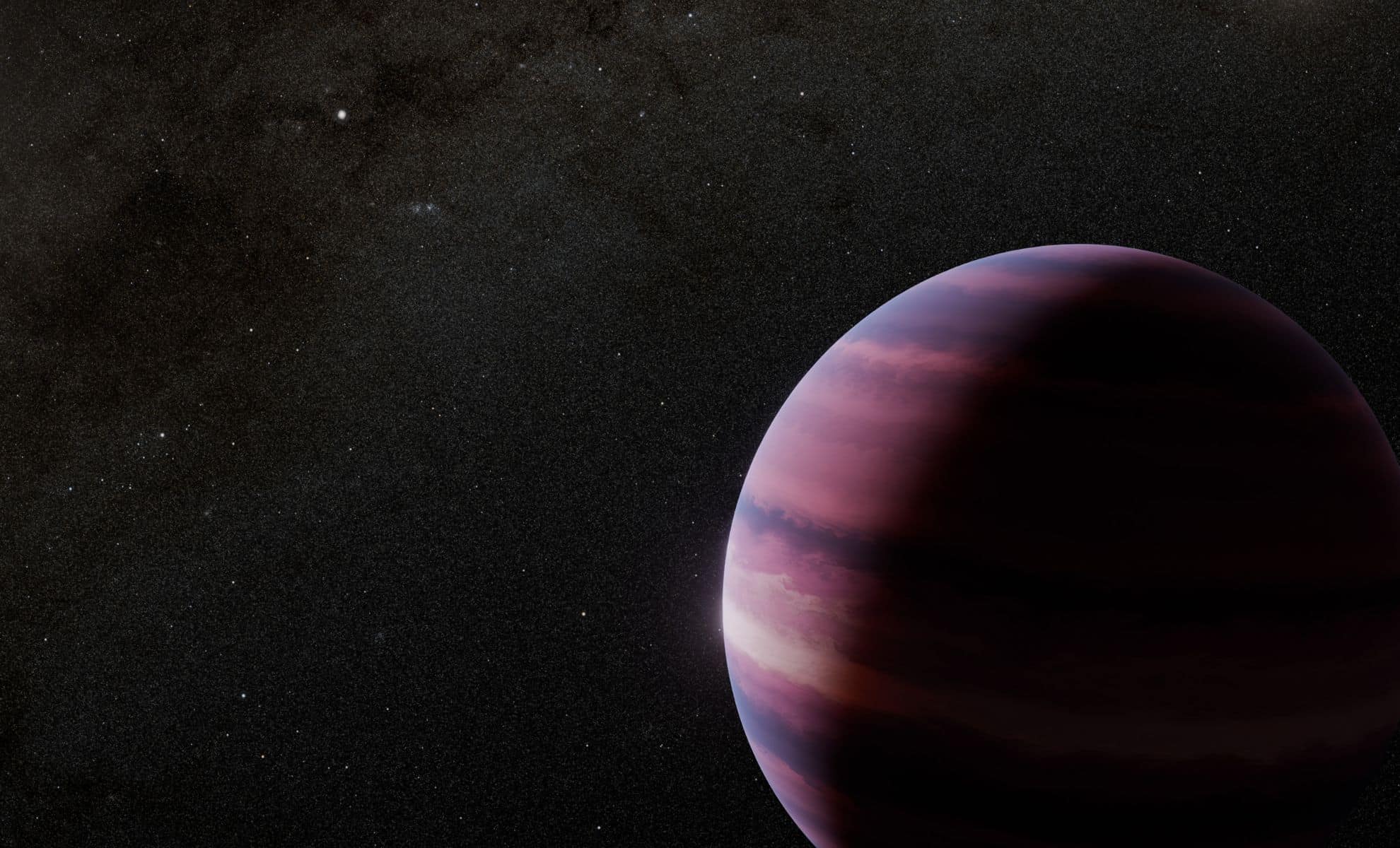
Scientists hypothesize the existence of a ninth planet, called Planet Nine, based on unusual clustering of Kuiper Belt objects and computer simulations suggesting a large, distant gas giant with an orbit 20-30 times farther from the sun than Neptune. However, its existence remains unconfirmed and controversial, with ongoing debates and challenges in observation.
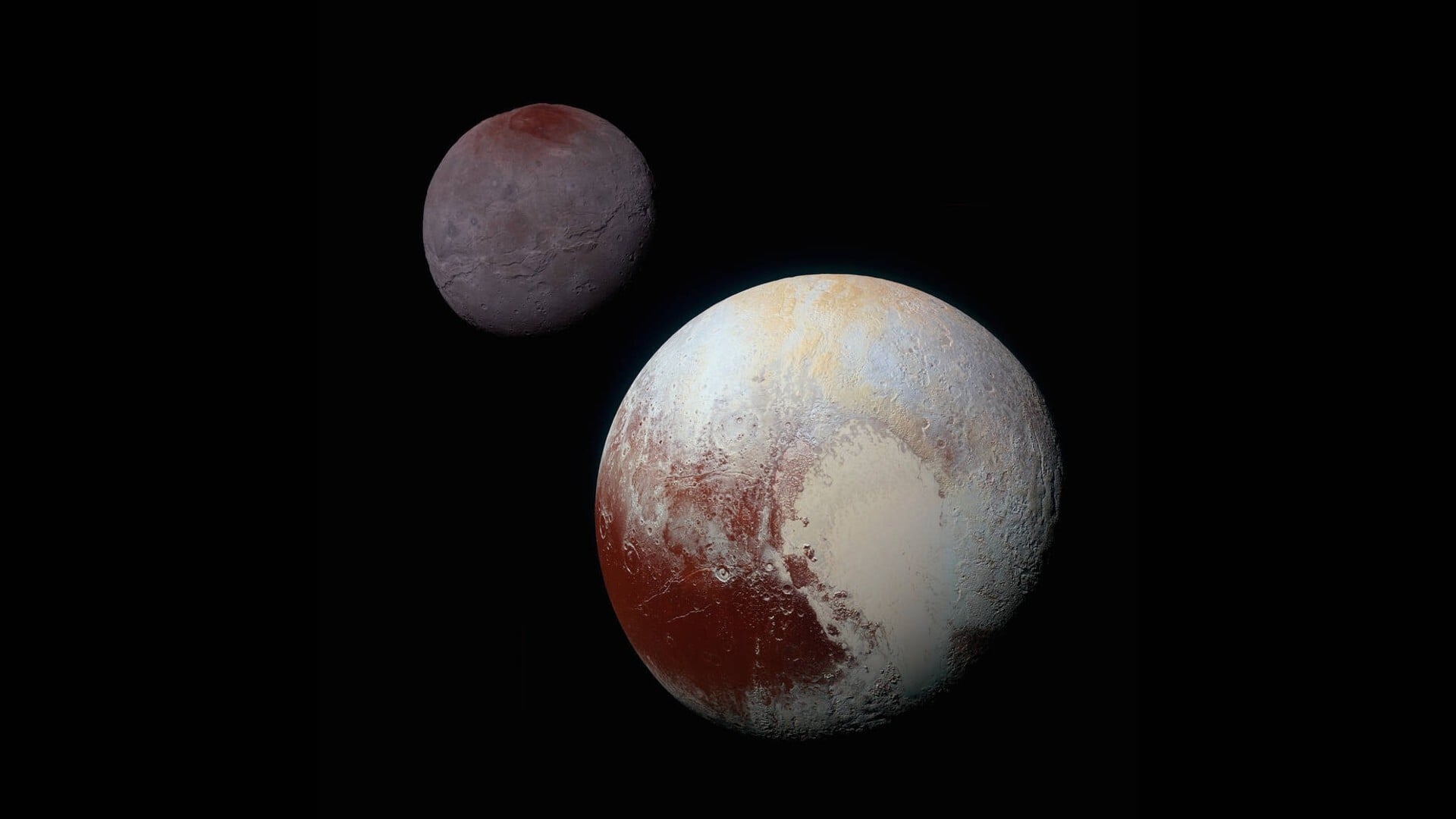
New research using the James Webb Space Telescope suggests that Pluto's moons Nix and Hydra may be composed of material ejected from Charon during its formation, indicating they could be fragments of Charon's interior. This supports the idea that these moons originated from debris created in a collision that formed Pluto and Charon, and they may still be interacting with Charon's surface today. The findings provide new insights into the history and composition of Pluto's satellite system.
The horoscope for August 27, 2025, advises that Venus and Pluto's alignment may cause relationship tensions, especially in imbalanced dynamics, and encourages working through conflicts. It also highlights feelings of insecurity about personal success and suggests that others' achievements can be beneficial for everyone, urging a positive outlook. The day may also bring feelings of being targeted by others' insecurities.
The James Webb Space Telescope has made groundbreaking discoveries including a potential Saturn-sized exoplanet orbiting Alpha Centauri A and a unique haze-driven climate system on Pluto, offering new insights into planetary atmospheres and habitability.
NASA's proposed Persephone mission aims to orbit Pluto for over three years to investigate its potential subsurface ocean, surface features, and atmosphere, building on insights from the 2015 New Horizons flyby. The mission faces challenges including high costs, long duration, and technological requirements, but could significantly advance understanding of Pluto's geology and its place in the Kuiper Belt.
The daily horoscope for August 10, 2025, highlights Mars in Libra forming a trine with Pluto in Aquarius, encouraging personal transformation, authentic self-expression, and balancing independence with connection across all zodiac signs.
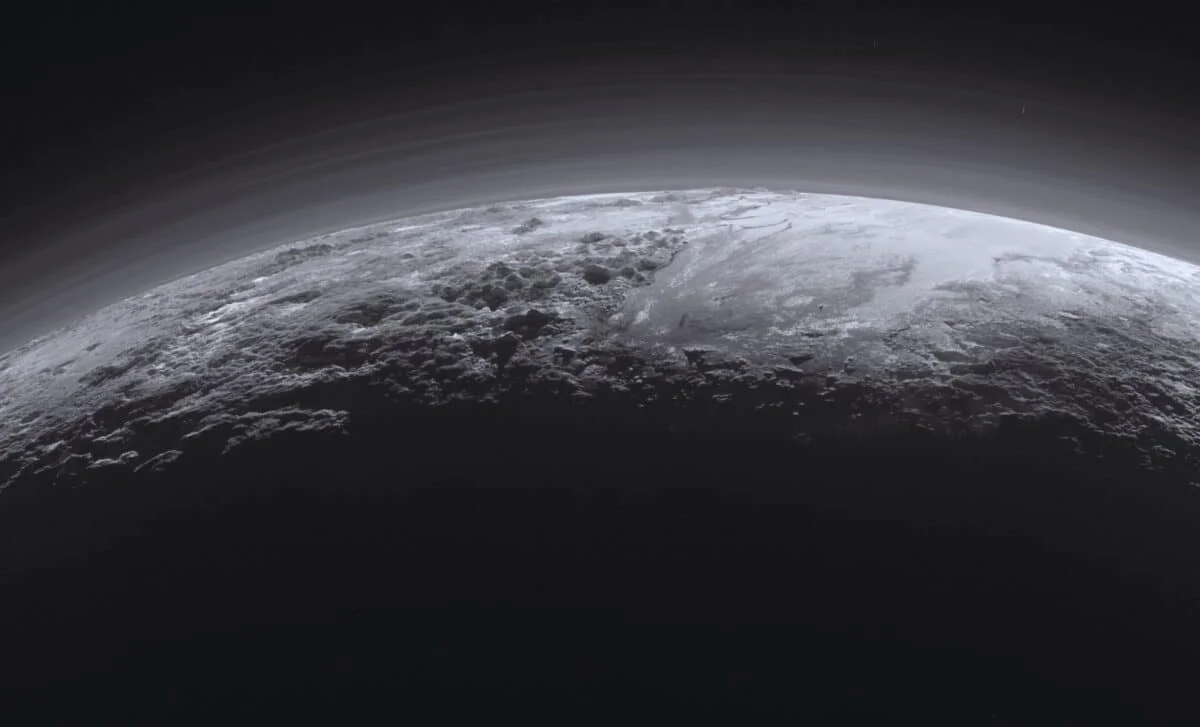
The James Webb Space Telescope has discovered a unique high-altitude haze on Pluto that acts as a thermostat, regulating its climate in a way not seen in other solar system bodies, with implications for understanding planetary atmospheres and early Earth conditions.
New research suggests that Kiladze, a feature on Pluto previously thought to be an impact crater, is more likely a caldera from a supervolcano eruption, indicating recent geological activity and potential residual warmth in Pluto's interior.
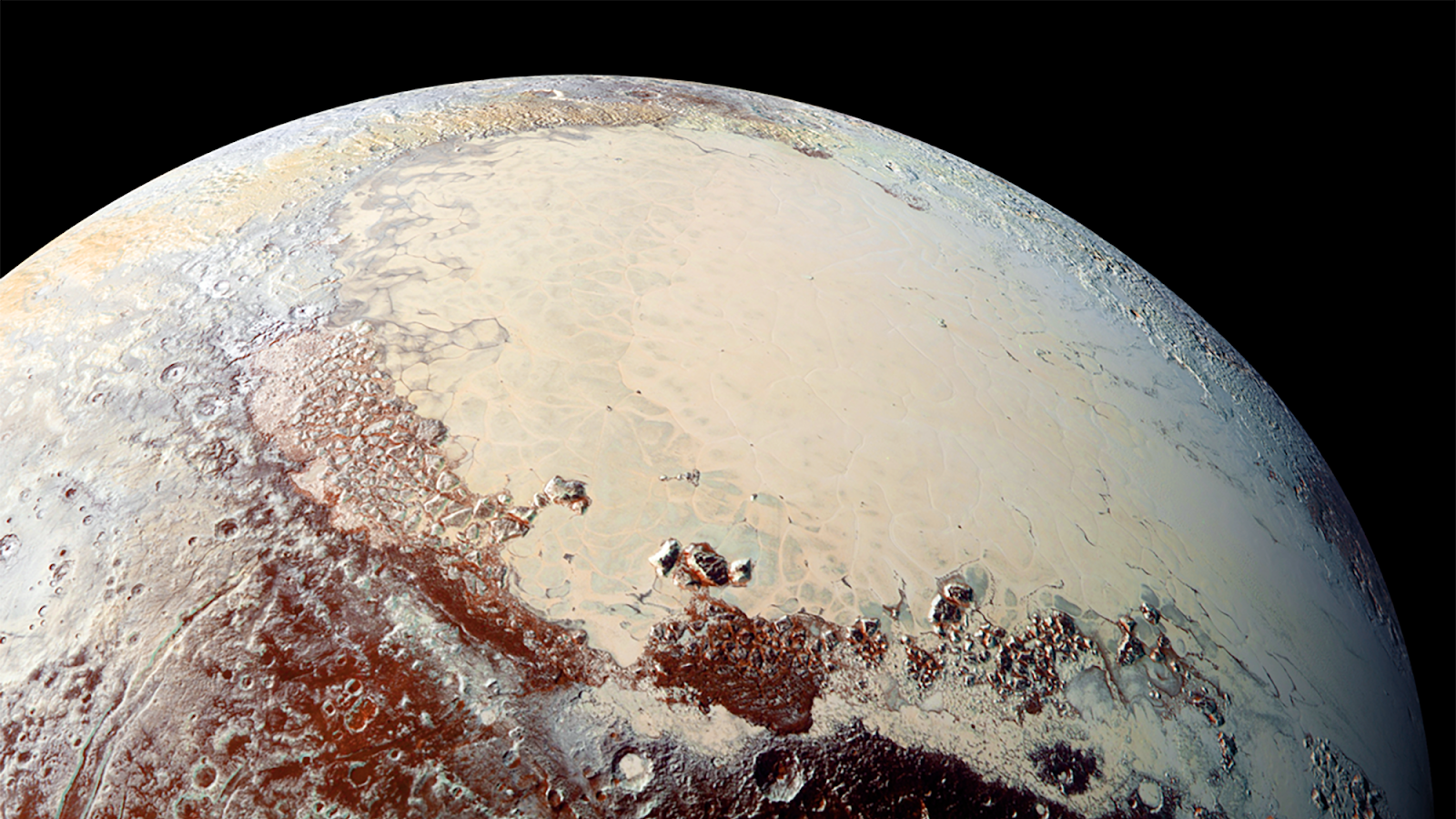
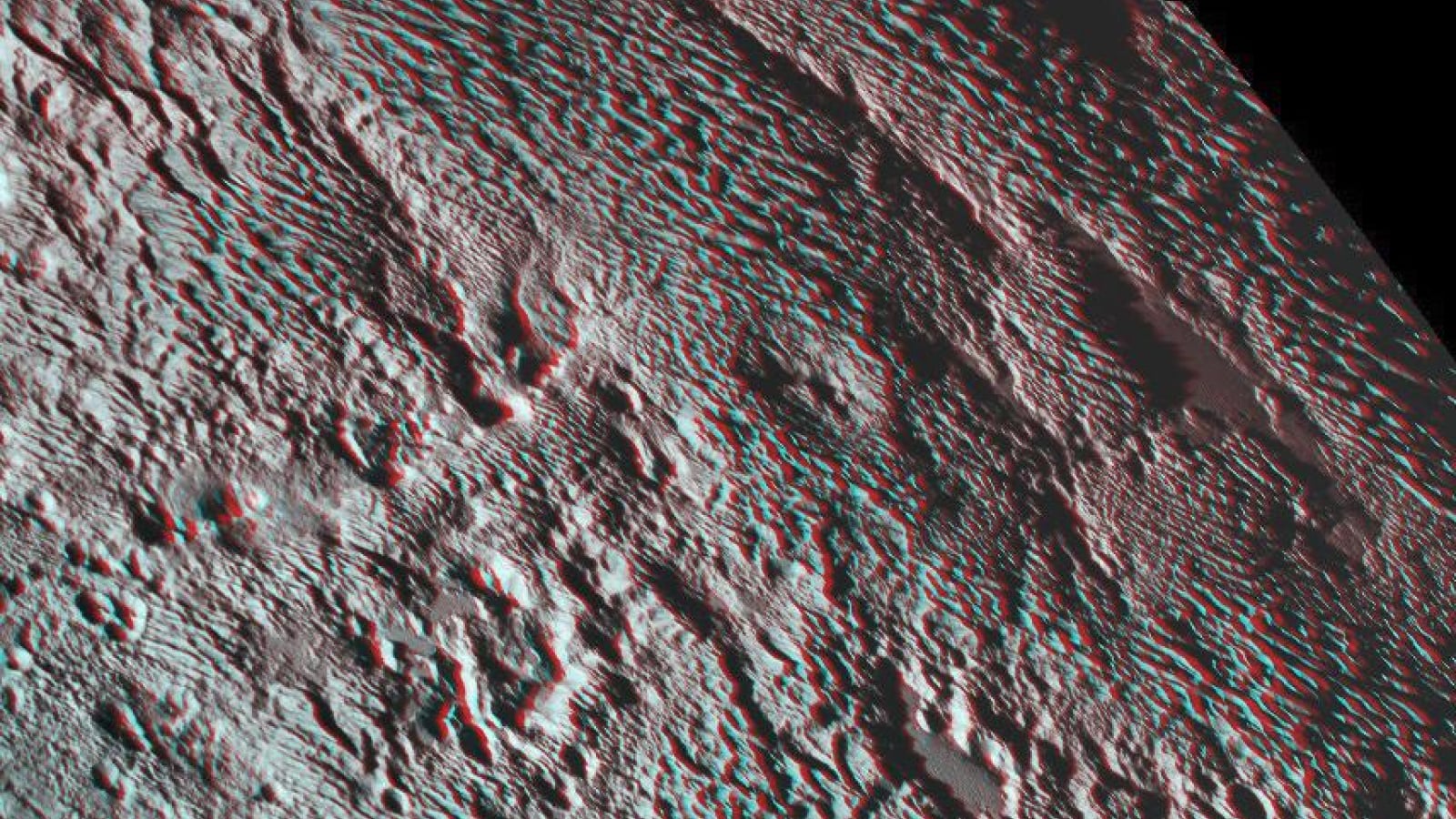
A new study suggests that skyscraper-sized methane ice spires, forming bladed terrain, cover about 60% of Pluto's equator, mainly on the non-encounter hemisphere, based on indirect surface roughness analysis from NASA's New Horizons data.
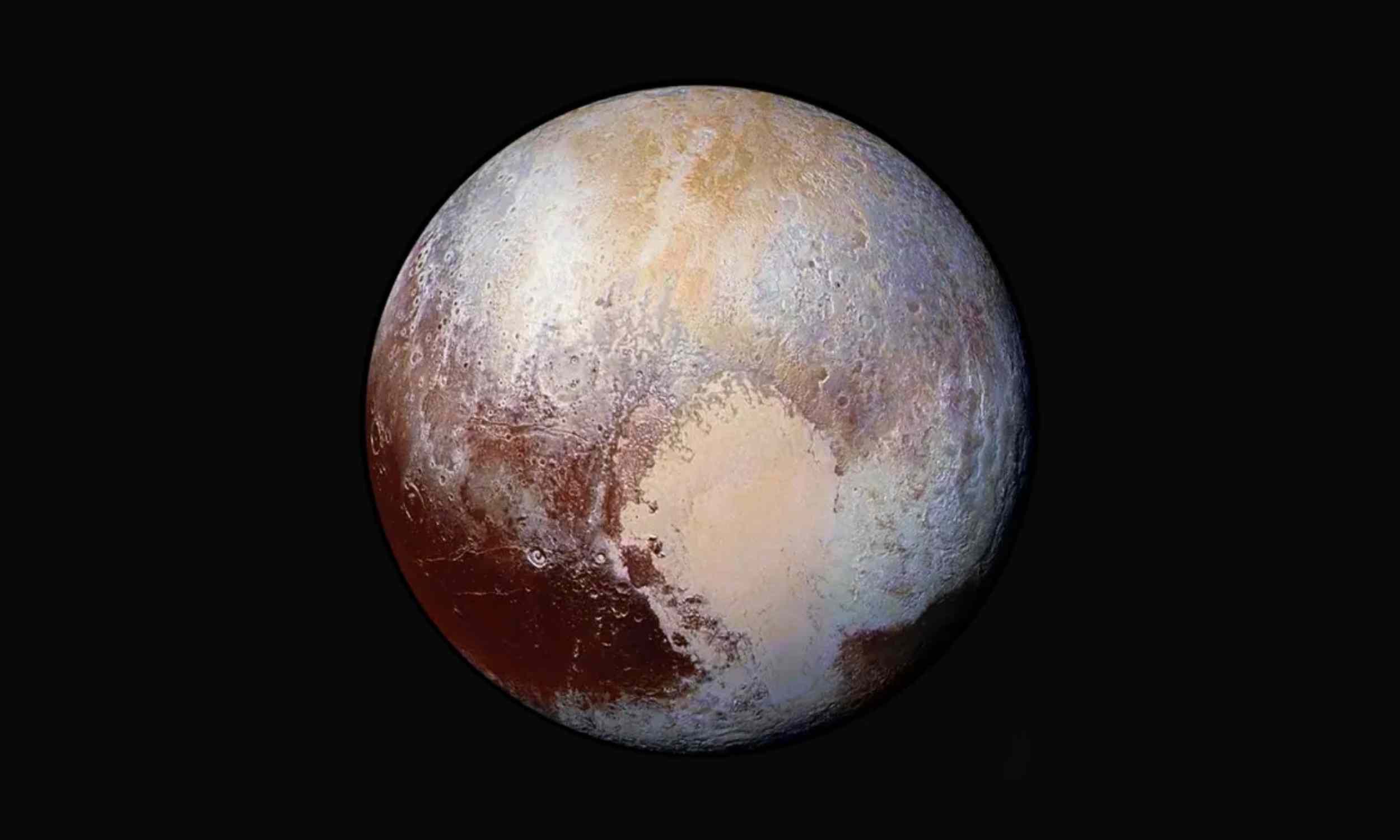
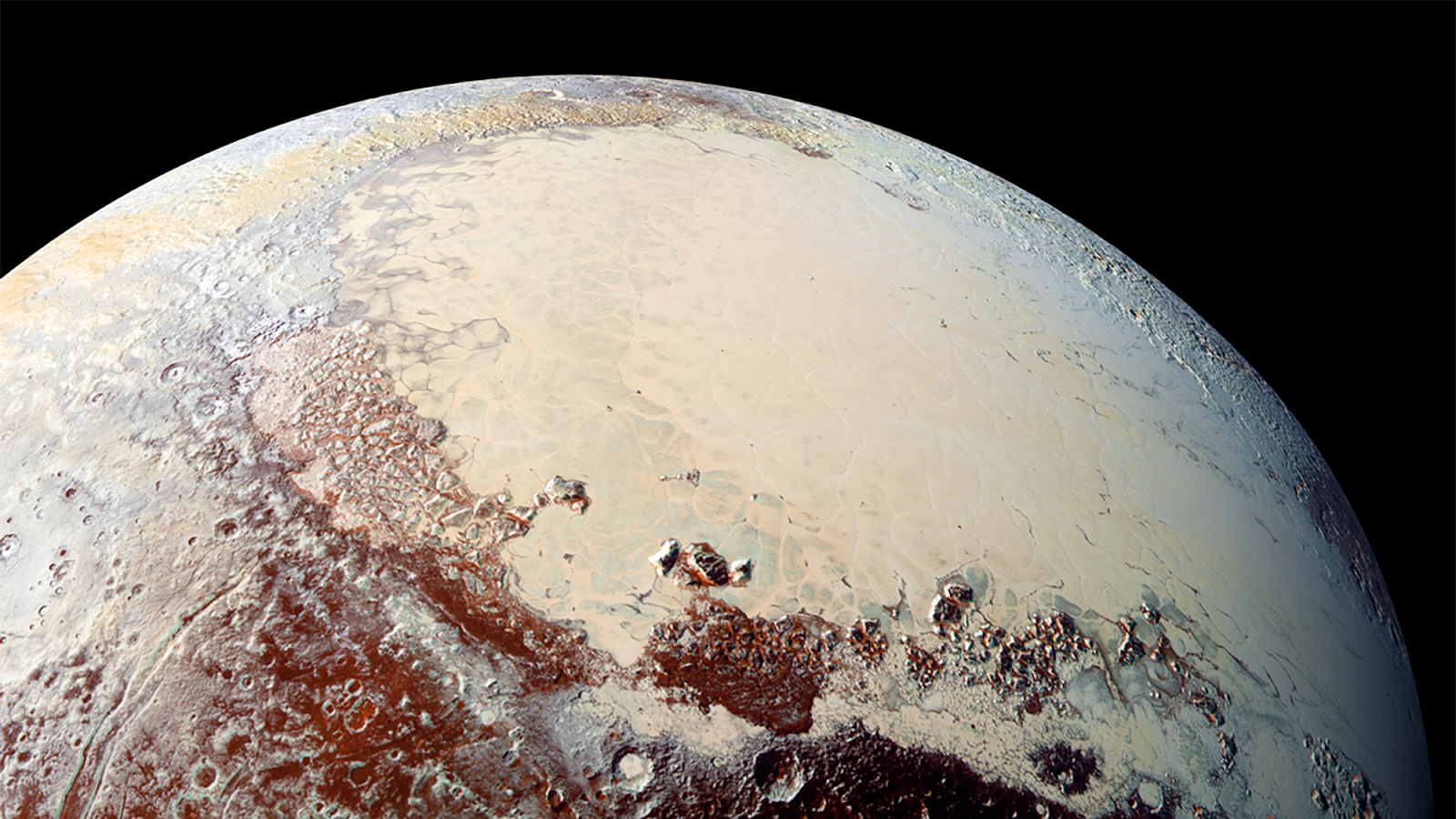
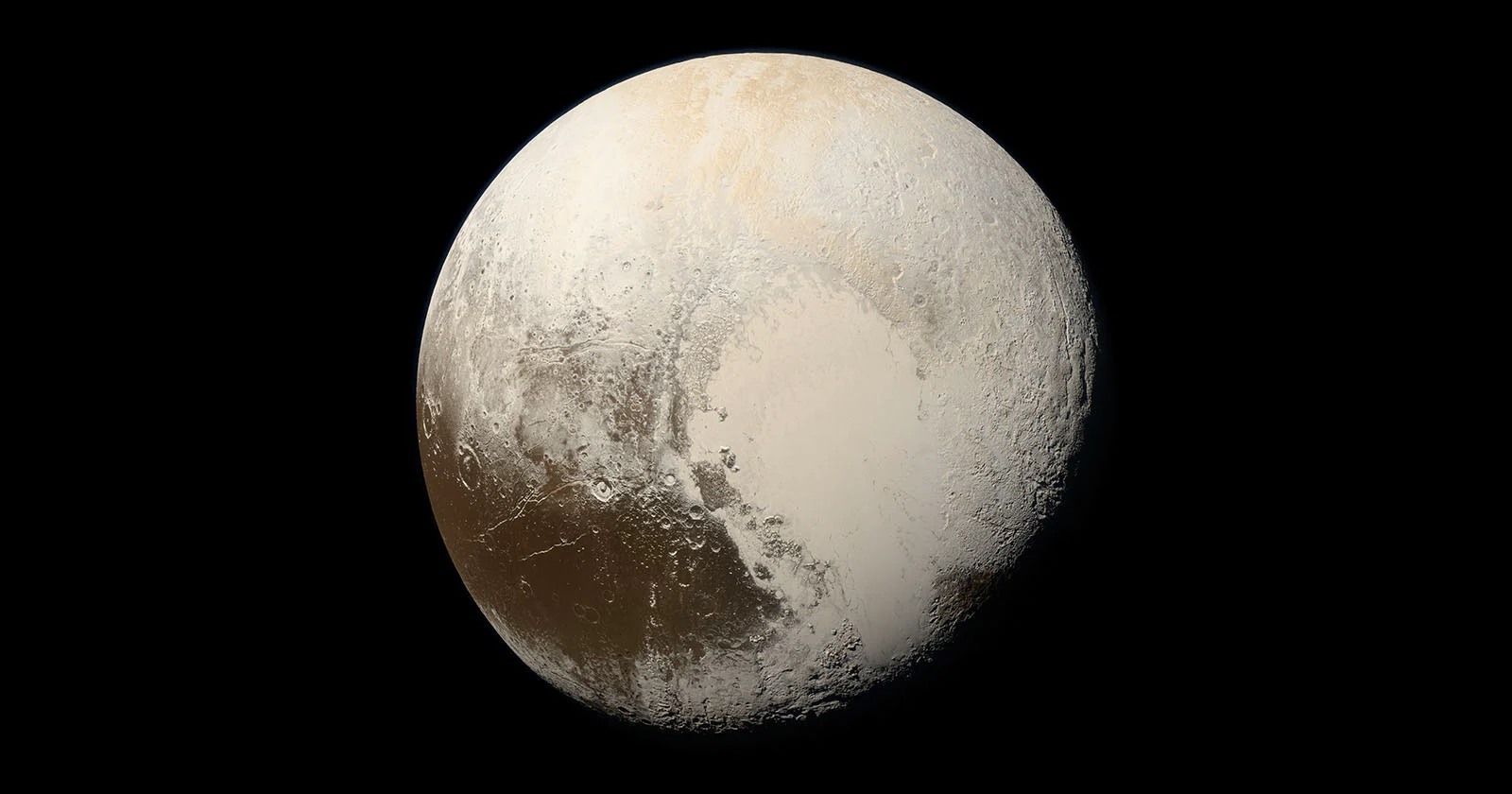
NASA's New Horizons spacecraft took a 6.25 GB, 15-month-long data transmission to send back a detailed, color-accurate image of Pluto, captured during its 2015 flyby, revealing a geologically active dwarf planet. The mission, which also visited Arrokoth, faces potential termination due to proposed budget cuts, risking the loss of valuable scientific insights into the outer solar system.
NASA's New Horizons spacecraft, which provided groundbreaking data on Pluto and beyond, faces potential shutdown due to proposed budget cuts by the White House, threatening to end its mission prematurely and lose valuable scientific data from the outer solar system.
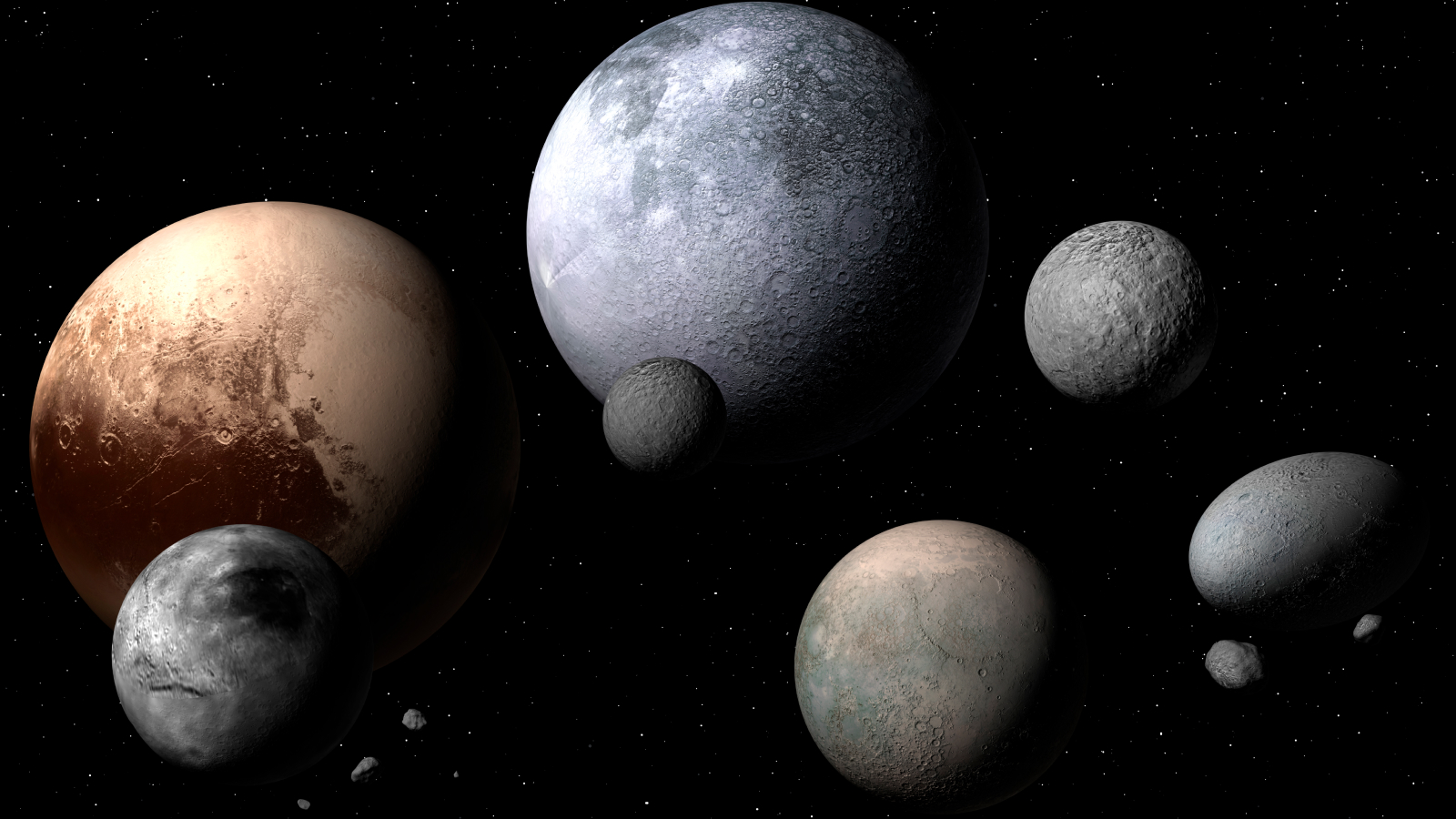
Dwarf planets are celestial bodies smaller than planets but larger than asteroids, with only five officially recognized by the IAU, including Pluto, Eris, Haumea, Makemake, and Ceres. There may be hundreds or thousands more in the solar system, especially beyond the Kuiper Belt, but many remain undiscovered due to their faintness and distance from Earth.
NASA's New Horizons spacecraft successfully demonstrated the first-ever deep space stellar navigation by using stellar parallax to determine its position relative to nearby stars, achieving an accuracy of about 4.1 million miles, marking a significant milestone in interstellar navigation technology.