Tag

Plant Science

All articles tagged with #plant science

environment1 year ago

Tiny Fern Holds World Record for Largest Genome

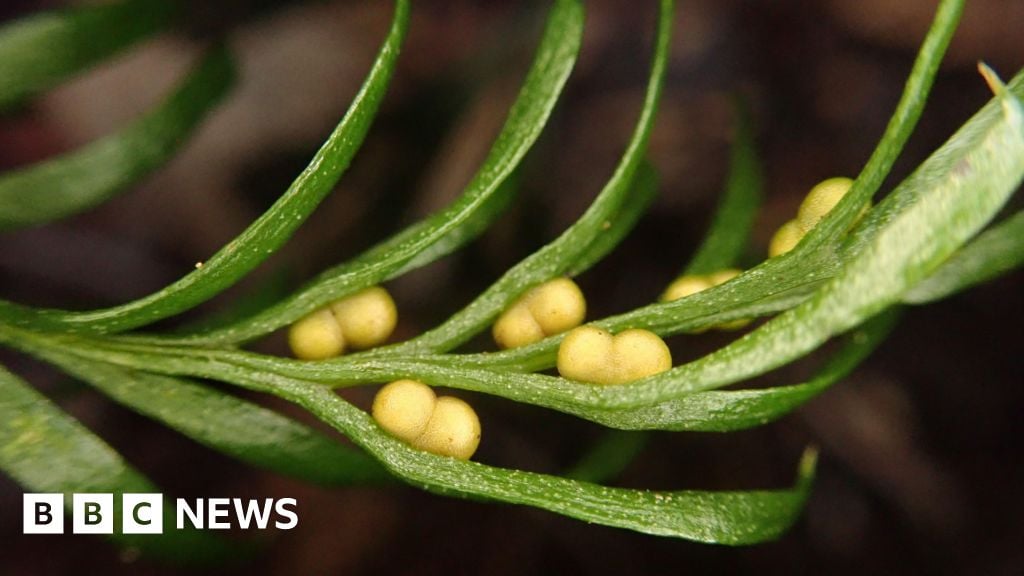
A rare fern from New Caledonia, Tmesipteris oblanceolate, has set a world record for having the largest genome of any living organism, with 160 billion base pairs of DNA. This genome, when unraveled, would stretch to about 100 meters, far surpassing the human genome's 2 meters. Scientists are intrigued by how this tiny plant functions with such an enormous amount of genetic material and hope to learn more about its evolutionary significance and potential impact on extinction risk.
agriculturegenetic-engineering1 year ago

"Scientists Suggest Colorful Gene-Edited Crops for Improved Weeding"

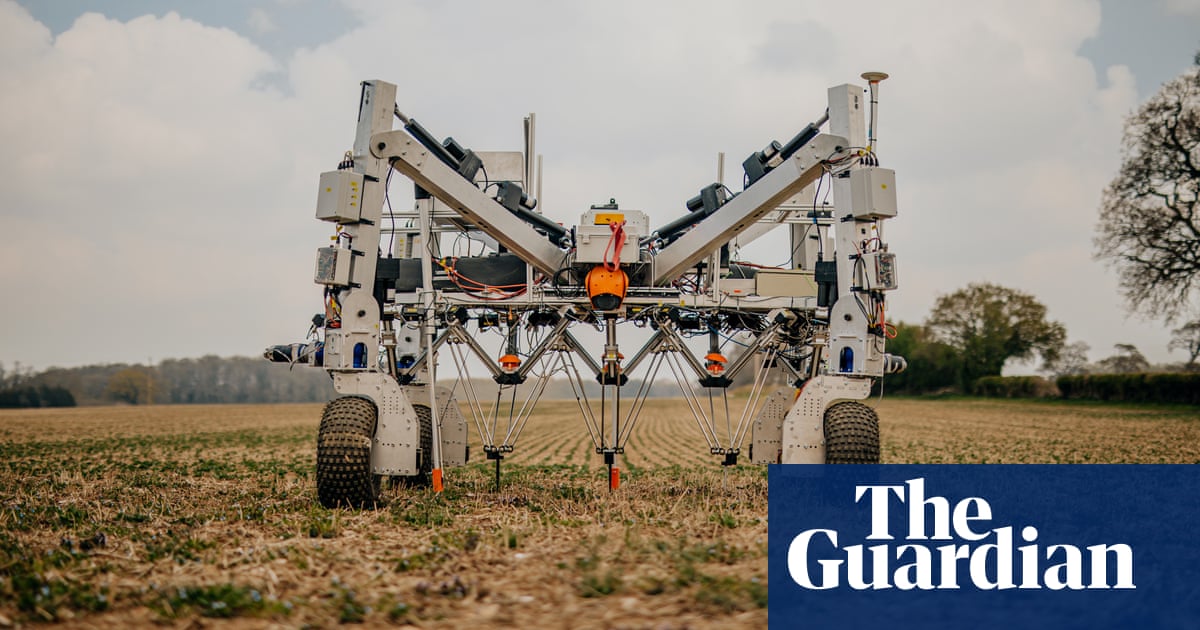
Scientists propose genetically engineering crops to be colorful in order to aid in weeding and reduce the need for pesticides, as it would make it easier to distinguish them from weeds. This is particularly important as climate-resistant "weeds" are being considered for food production in the future. By altering the crops' genomes to express pigments such as anthocyanins or carotenoids, they could be visually distinctive and easily identified by robot weeders, addressing the challenge of distinguishing new crops from their wild counterparts.

science-and-technology1 year ago

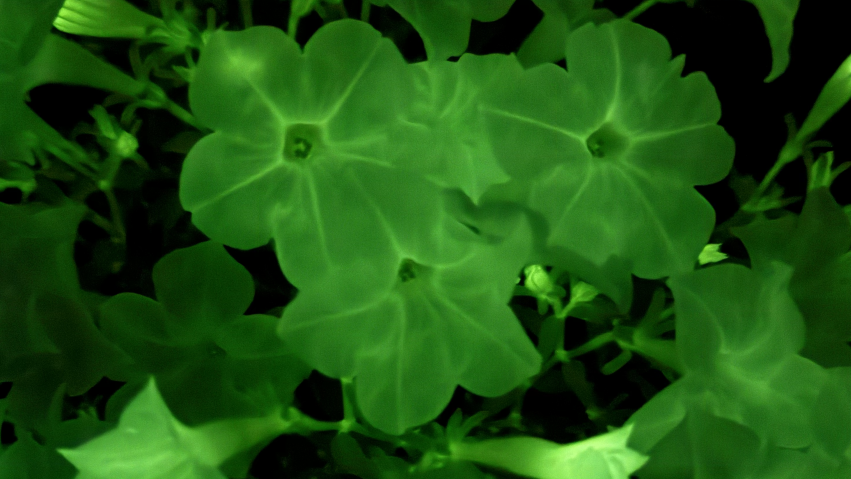
"Genetically Modified Petunias: Illuminating the Future of Bioluminescent Plants"

Genetic modification has led to the creation of a new bioluminescent petunia called the Firefly Petunia, which glows in the dark due to genes from a bioluminescent mushroom and a fungi. Despite initial challenges, the plant now sustains its own glow without the need for additional chemicals. The U.S. Department of Agriculture approved the plant last fall, and it has recently become available for purchase online. While some may have concerns about genetically modified plants, experts believe that the Firefly Petunia could attract new customers to gardening and bring joy through its magical glow.

science2 years ago

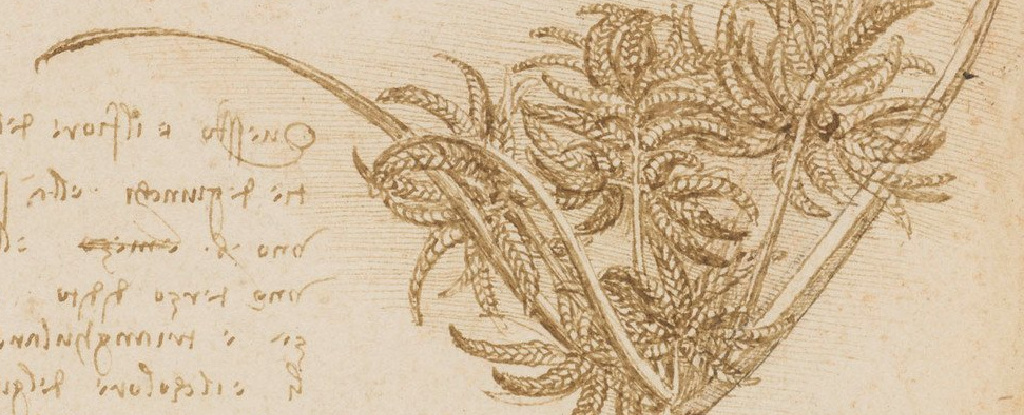
Scientists Disprove Leonardo Da Vinci's 'Rule of Trees'

A new study has debunked Leonardo da Vinci's "Rule of Trees," which posited that the thickness of a tree branch or trunk equaled the combined thickness of all the limbs branching off it. Plant scientists have found that this ratio does not hold up on a microscopic level, particularly in relation to the sizing of internal water transport channels. The researchers propose a revised model that suggests vascular channels widen as branches thin towards the tops of trees to maintain water flow, while also economizing carbon usage. The findings could aid in estimating tree biomass and carbon capture, as well as improving our understanding of plant systems and vulnerability to climate change.

environment2 years ago

The Surprising Superfood Connection Between Bumble Bees and Squash Bees.

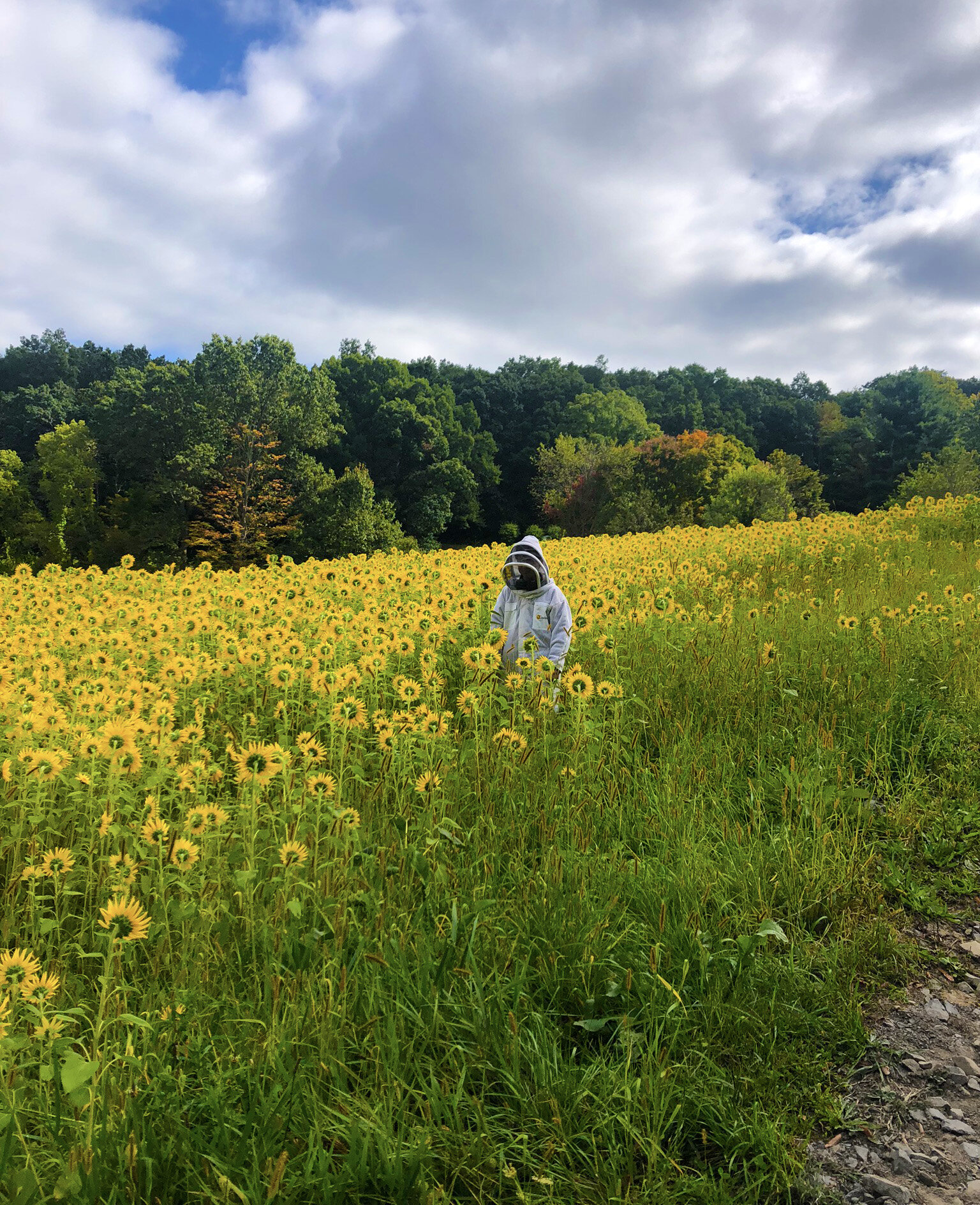
Researchers at the University of Massachusetts Amherst have discovered that the spiny pollen from plants in the sunflower family can reduce infection of a common bee parasite by 81-94% and increase the production of queen bumblebees. The research provides much-needed food for thought in one of the most vexing problems facing biologists and ecologists: how to reverse the great die-off of the world's pollinators.