Physicists propose that primordial black holes (PBHs), potentially formed in the early universe, could interact with planets by consuming their cores, leaving them hollow. This theory, if validated, could provide new insights into dark matter and challenge existing models of planetary formation. PBHs might pass through solid objects undetected, complicating their detection but offering a novel approach to studying dark matter's elusive nature.
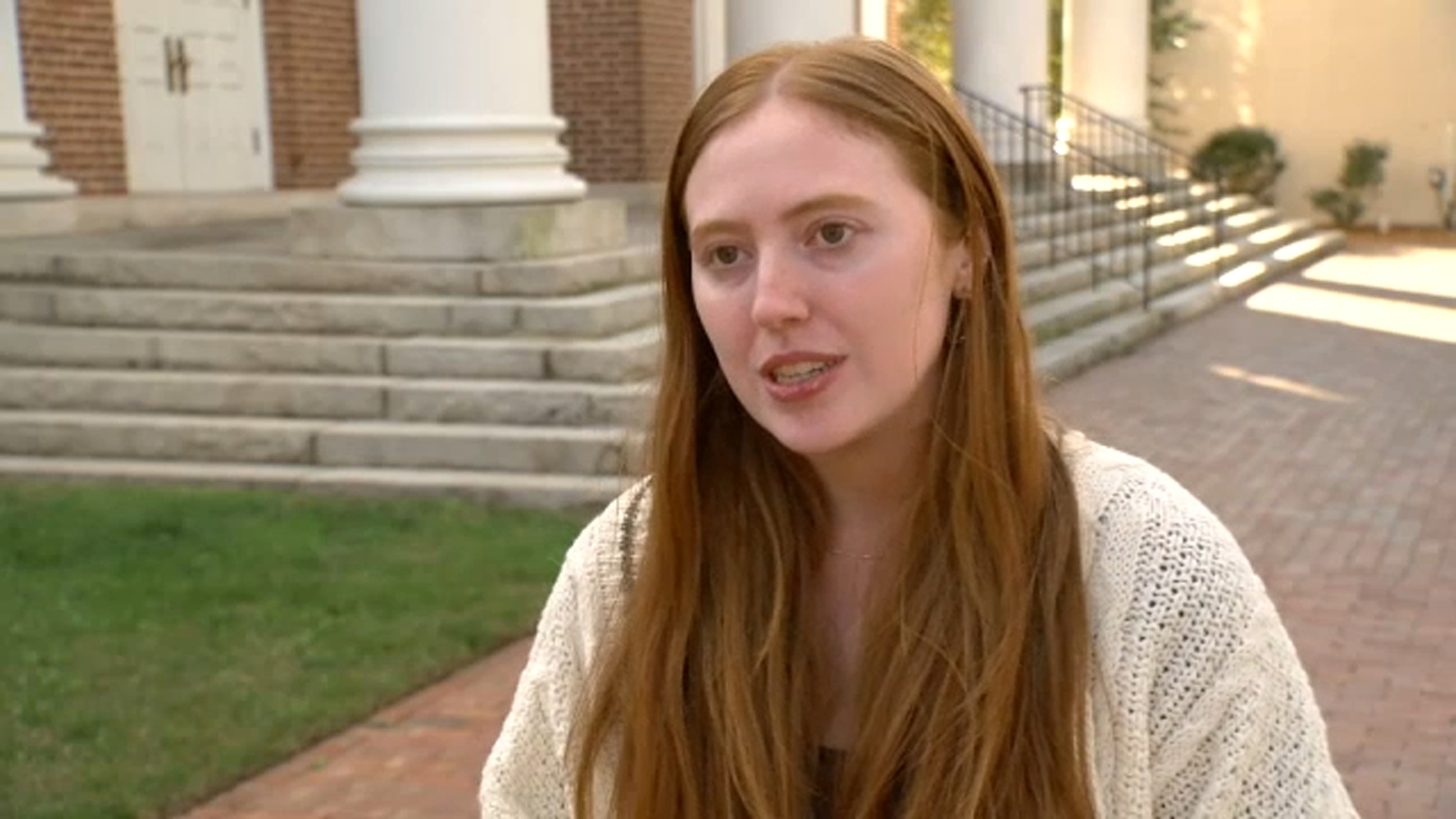
Madyson Barber, a graduate student at the University of North Carolina, discovered a young exoplanet, IRAS 04125+2902 b, using NASA's Transiting Exoplanet Survey Satellite. The planet, nicknamed TIDYE-1b, is about 3 million years old and orbits a star 522 lightyears away. This discovery is significant due to the planet's youth and the unique characteristics of its star system, which could provide insights into early planet formation. This is Barber's third planet discovery, highlighting the potential for further understanding of planetary evolution.