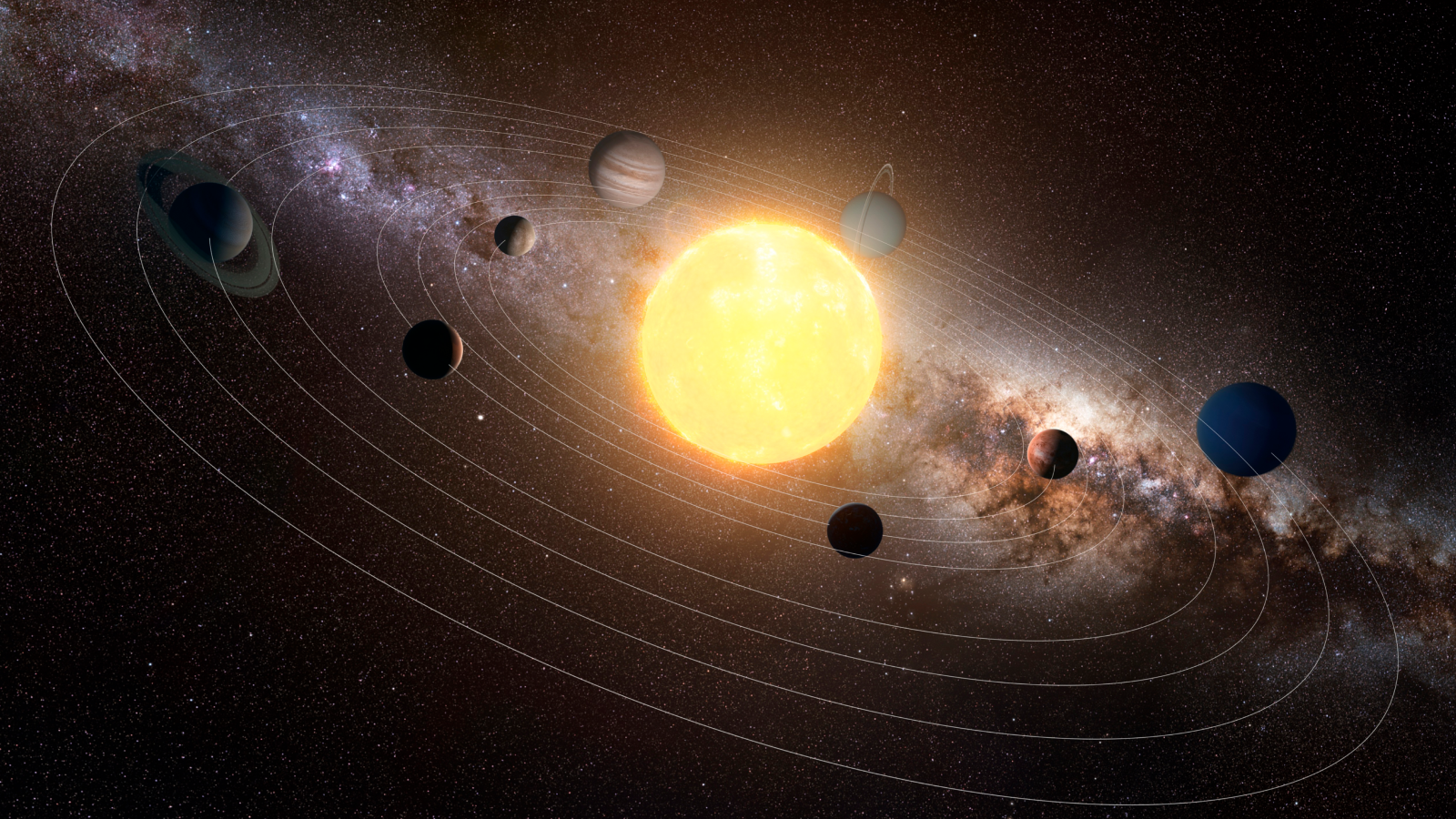
New research indicates that Earth, Mars, Venus, and a long-lost planet may have once orbited the sun in a resonant, harmonious pattern, suggesting they formed earlier than previously believed and highlighting the dynamic history of planetary arrangements in our solar system.
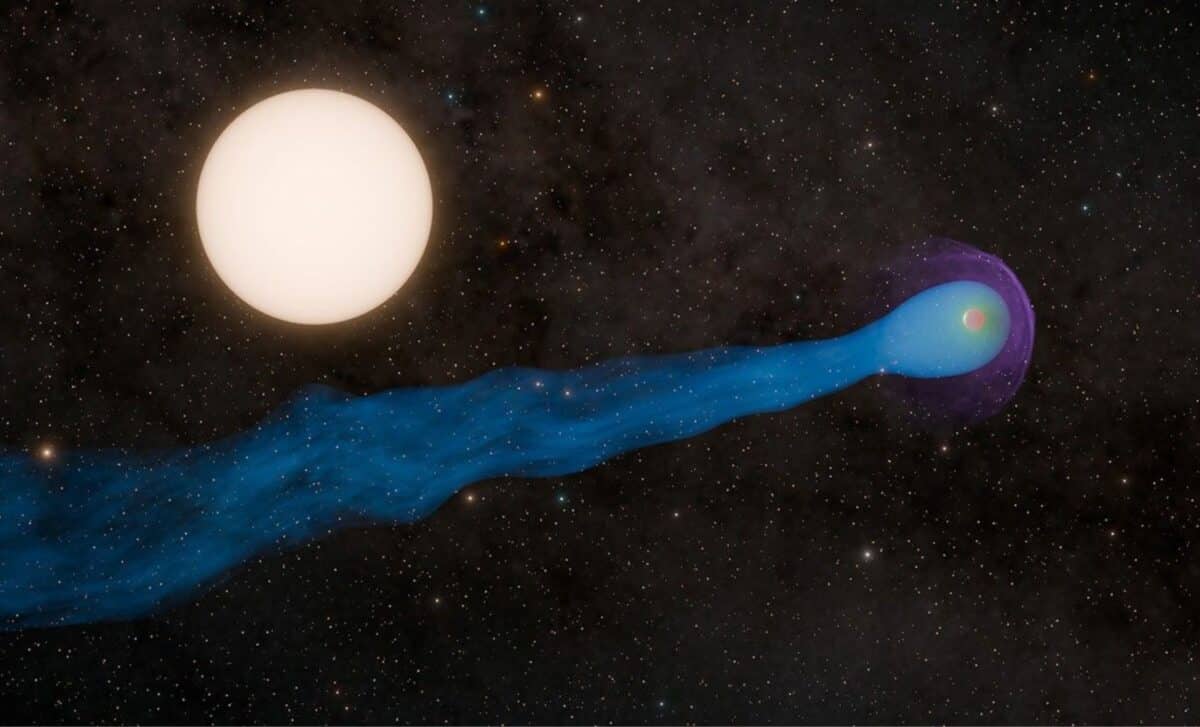
NASA astronomers have discovered that the exoplanet WASP-69 b, a gas giant located 163 light-years away, has a comet-like tail over 350,000 miles long, formed by escaping gases shaped by stellar winds from its host star. This phenomenon offers insights into the interactions between planets and their stars, highlighting the dynamic nature of planetary atmospheres under stellar influence. The study of such exoplanetary tails could enhance understanding of planetary habitability and atmospheric evolution.