Tag

Planetary Debris

All articles tagged with #planetary debris

astronomy1 year ago

Metal-Scarred Cannibal Star: A Celestial Phenomenon Unprecedented in Astronomy

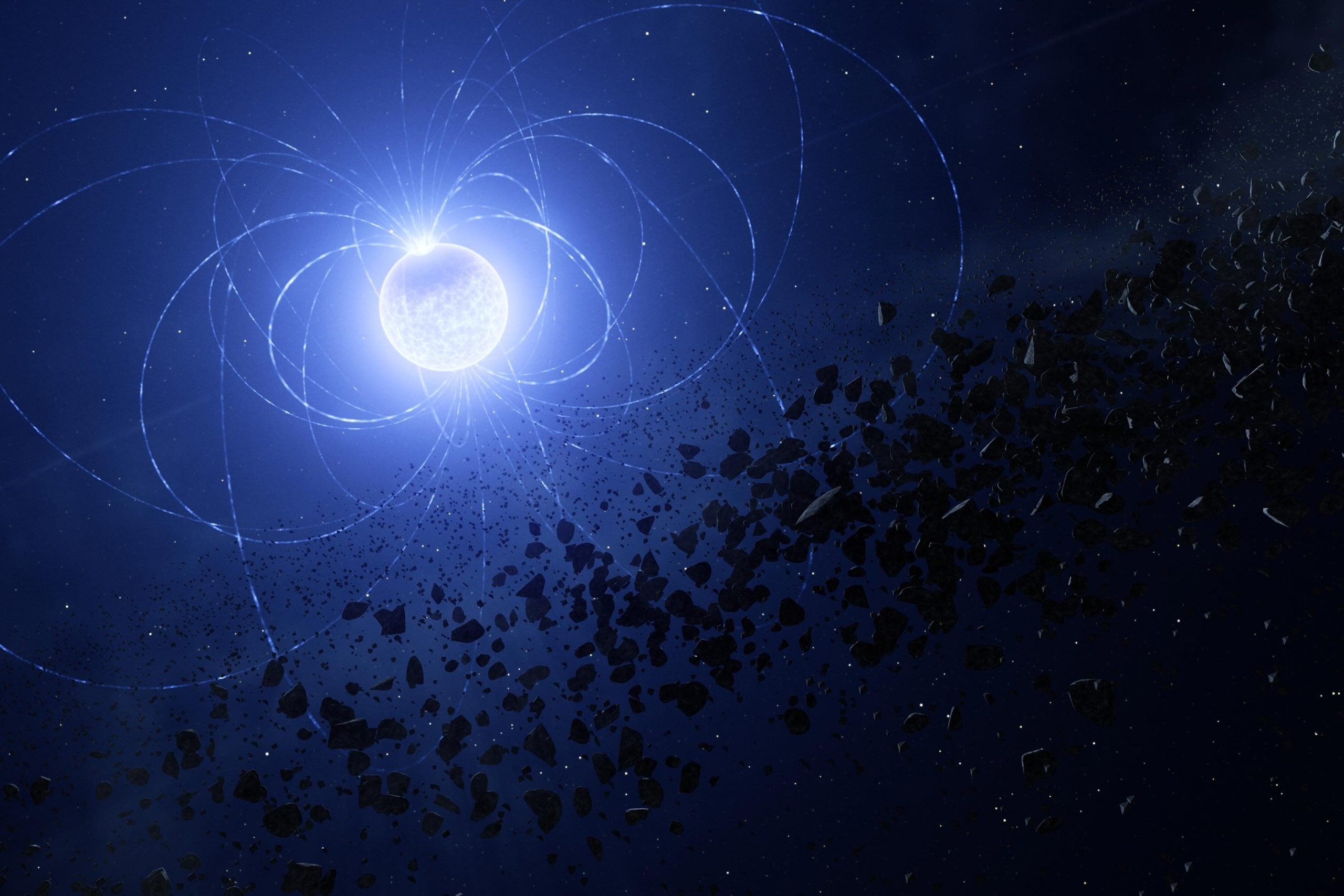
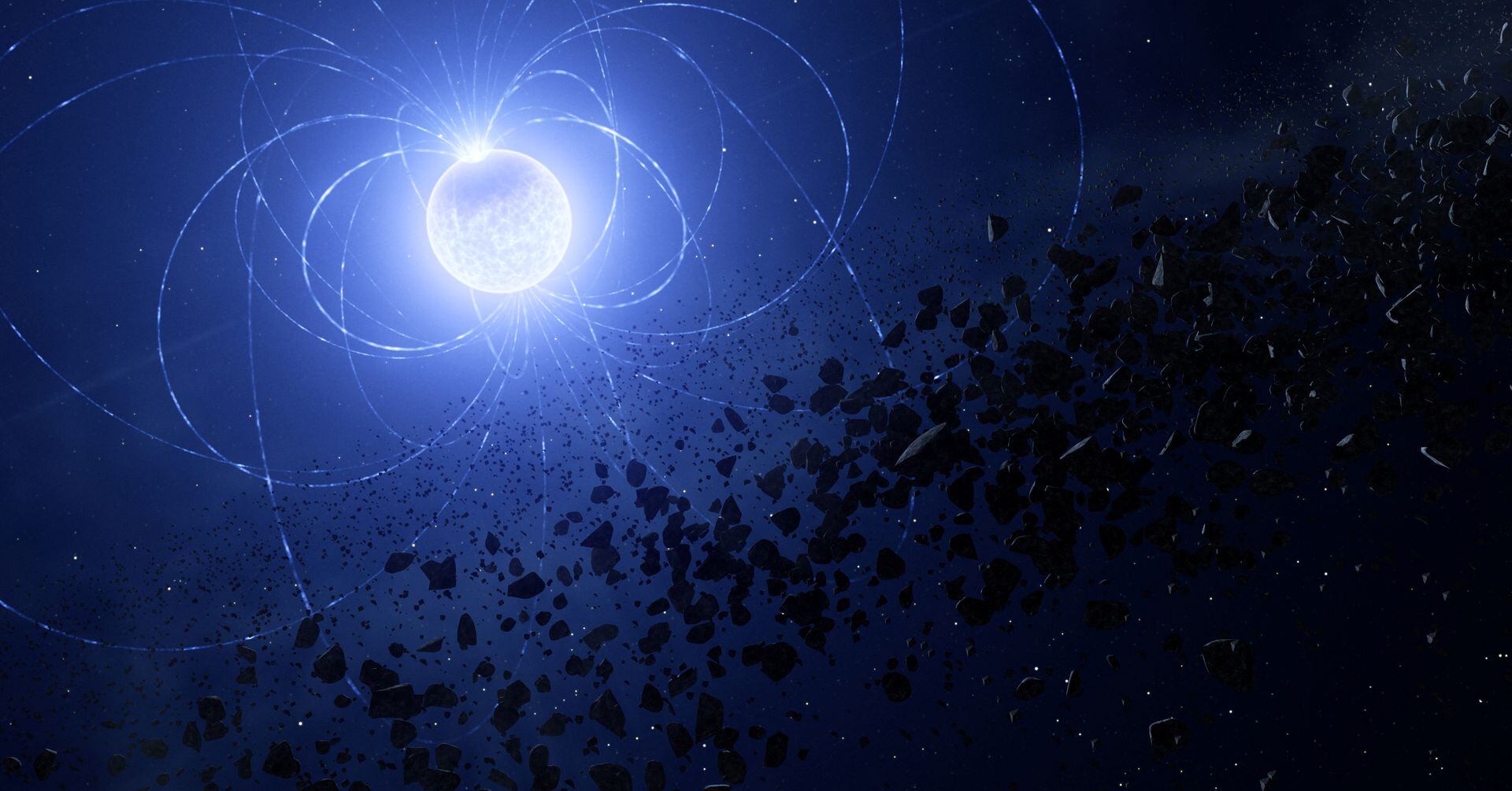
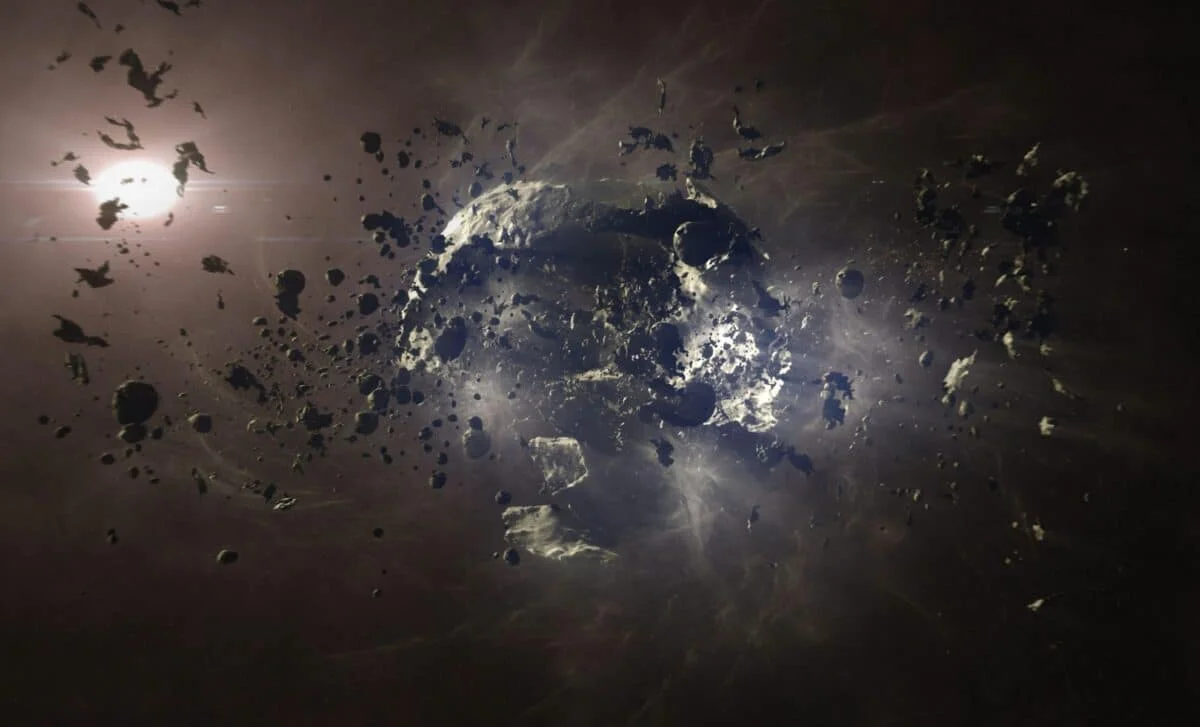
Astronomers using ESO's VLT have discovered a scar on the surface of a white dwarf star, WD 0816-310, caused by ingesting planetary debris, indicating the role of the star's magnetic field in this process. The scar is a concentration of metals from a planetary fragment, possibly as large as Vesta, and is located on one of the star's magnetic poles. This unique discovery sheds light on the dynamics of planetary systems even after the death of a star and provides insights into the bulk composition of exoplanets.

astronomy1 year ago

"Cannibal White Dwarf Star Bears Metal Scar from Planetary Feast"

Astronomers using the Very Large Telescope have discovered a scar on the surface of a white dwarf star, WD 0816-310, caused by the star ingesting planetary debris. This unique signature, resulting from the cannibalization of planets and asteroids, is the first of its kind seen on a white dwarf. The scar is concentrated in a specific area and is held in place by the star's magnetic field. This discovery sheds light on the dynamics of planetary systems after the death of their host stars and demonstrates the power of the VLT instrument FORS2 in studying astronomical objects.

astronomy1 year ago

Metallic Scar: Astronomers Spot Cannibal Star with Unique Mark

Astronomers using the Very Large Telescope have observed a scar on the surface of a white dwarf, indicating ingestion of planetary debris, shedding light on the behavior of "cannibal" stars. The scar, made up of metal elements from a planetary fragment or asteroid, was found to be prevented from mixing with the rest of the star's surface by its magnetic field. This discovery provides insight into the fate of our own solar system, as our sun is expected to become a white dwarf in about 5 billion years.

space2 years ago

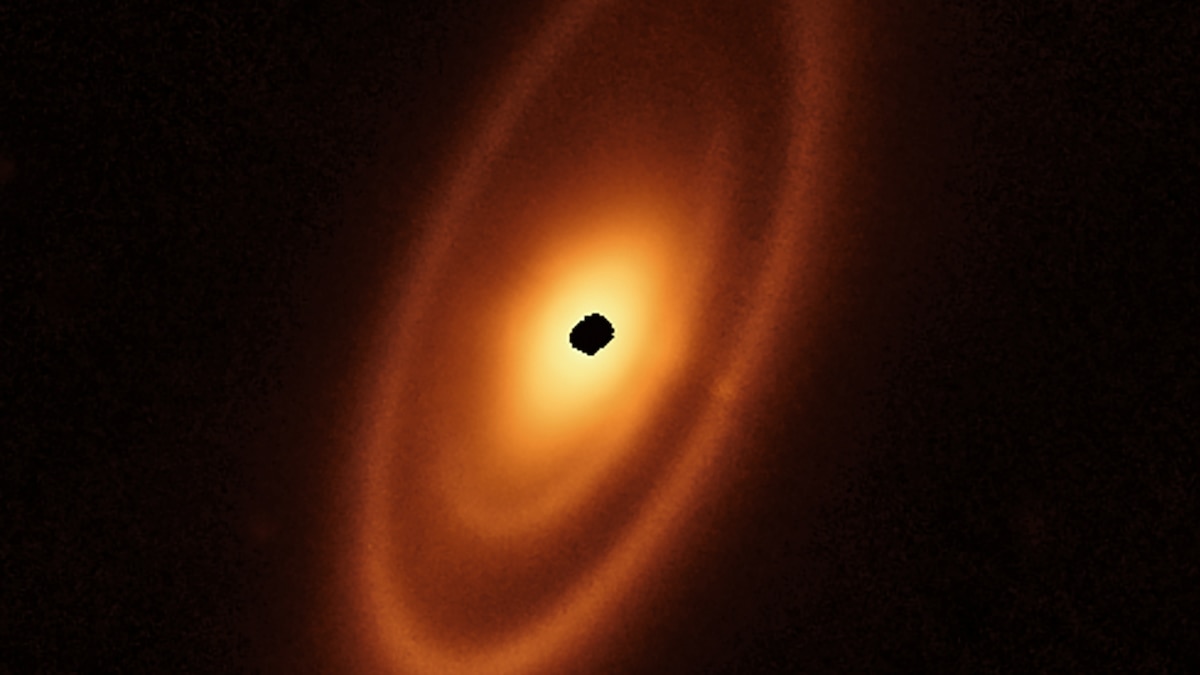
Unprecedented Planetary Debris Photo Surfaces.

The James Webb Space Telescope has captured stunning images of three nested, dusty debris belts orbiting the young star Fomalhaut. The inner belts are believed to have been carved out by the gravitational forces of unseen planets. The belts extend out to 14 billion miles from the star and provide new insights into the formation of planetary systems.