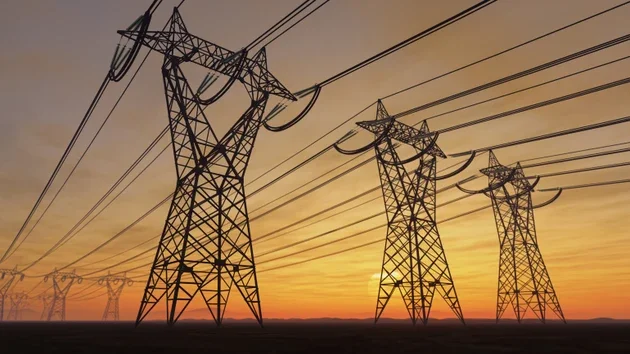
Residents in mid-Atlantic states face rising electricity bills driven by increased demand from data centers and a supply shortage, with prices expected to remain high for years due to infrastructure challenges and market dynamics, prompting calls for reform and investment.
Pennsylvania Governor Josh Shapiro threatened to leave the PJM power grid if it doesn't reform to address surging energy costs, citing the need for increased transparency, state involvement, and faster energy production, amid rising demand from data centers and infrastructure challenges.
Electricity prices are rising sharply across 13 US states due to increased demand from data centers powering AI technologies, with PJM Interconnection planning a 20% price hike this summer. The surge is driven by tech companies bidding heavily in power auctions, a shortage of fossil-fuel plants, and delays in renewable energy projects, raising concerns about sustainability and consumer costs.
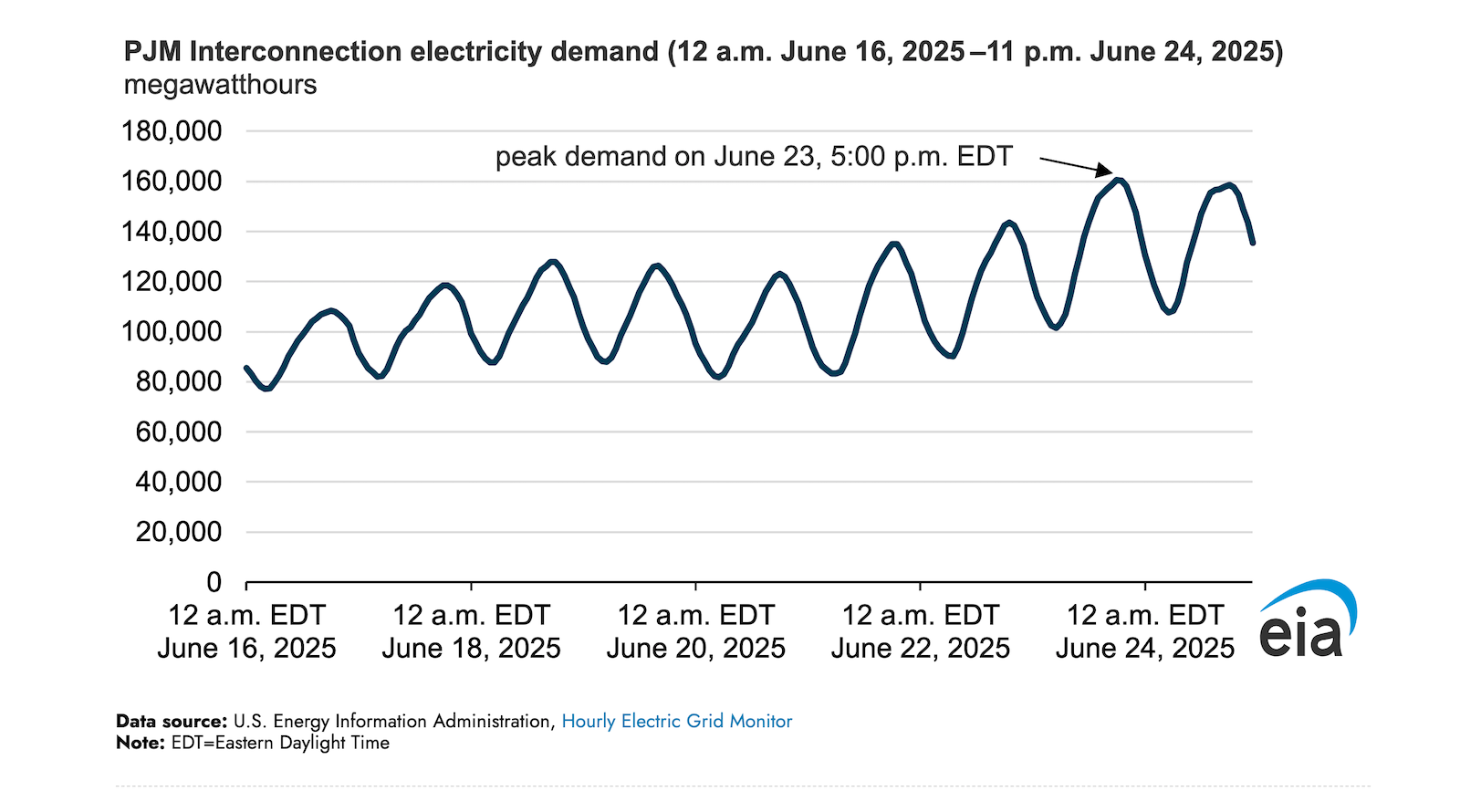
The electricity demand in the Eastern US surged to multi-year highs due to a heat wave, with peak loads in the PJM Interconnection and ISO New England reaching their highest levels since 2006 and 2013 respectively, driven by increased use of natural gas, imports, and other energy sources, and resulting in significantly higher wholesale electricity prices.
PJM Interconnection issued a level-one energy emergency alert due to a heat wave causing power demand to reach a 14-year high, with temperatures in the mid-Atlantic and Midwest soaring, risking supply shortages.
New Jersey residents will see a significant increase in electricity bills starting Sunday, with rates rising over 20% due to market pressures and insufficient local energy generation, prompting government and utility efforts to mitigate costs and promote energy efficiency.
PJM Interconnection, the largest U.S. power grid, may face the shutdown of up to 58,000 MW of mostly fossil fuel power generating capacity by 2030, potentially leading to increased consumer prices, as per a report by PJM's Independent Market Monitor. Factors contributing to this risk include a significant decline in prices in the region's capacity market, lower coal and natural gas prices, and regulatory requirements. The report emphasizes the need for securing replacement capacity to mitigate potential utility cost increases for consumers in the region.
PJM Interconnection, the largest US electric grid operator, has issued a level-one emergency alert due to a heatwave affecting the US, Europe, and China. The company, responsible for power supply in 13 states and the District of Columbia, is asking power plants to operate at full capacity as it faces challenges in sustaining required electricity contingency reserves. High temperatures are driving up the demand for electricity, particularly for cooling systems, putting strain on the power reserves. PJM is preparing for a predicted load of approximately 150,700 megawatts on July 27 and 152,800 megawatts on July 28. Heatwaves, exacerbated by climate change, are causing significant challenges for power grids worldwide.