Chinese scientists have conducted the world's first successful transplantation of a gene-edited pig liver into a human recipient, aiming to address the shortage of organ transplants. This breakthrough comes at a crucial time when there is a high demand for donor organs.
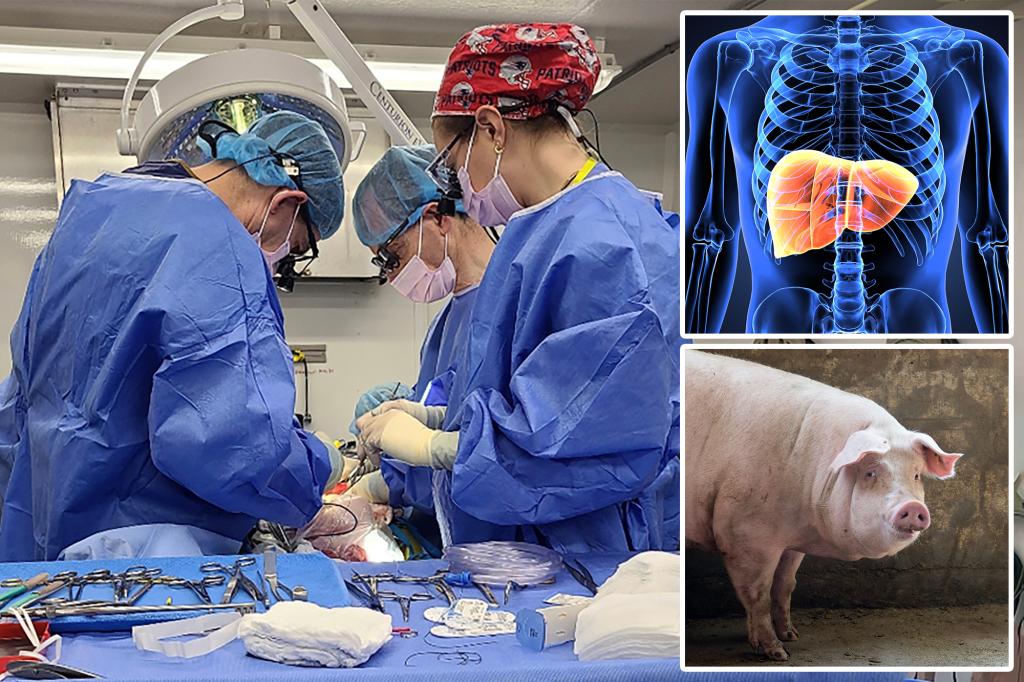
Surgeons at the University of Pennsylvania conducted a groundbreaking experiment by externally attaching a genetically modified pig liver to a brain-dead human body, successfully filtering blood for 72 hours. This innovative approach, aimed at supporting failing livers externally, represents a significant step in xenotransplantation research and offers hope for patients with liver failure. The experiment, using a device to preserve the pig liver, demonstrated stability in the donor's body and no signs of damage to the pig liver, signaling potential progress in the development of liver dialysis-like machines and better care for liver failure.
Surgeons at the University of Pennsylvania successfully attached a genetically modified pig liver to a brain-dead human body, allowing it to filter blood externally in a novel experiment aimed at supporting patients with liver failure. This approach, a form of xenotransplantation, could offer hope for the thousands of people on the US waiting list for a liver transplant. The experiment, conducted using advanced genetic techniques, represents a significant step in the ongoing research into animal-to-human organ transplants and the development of liver dialysis-like machines.
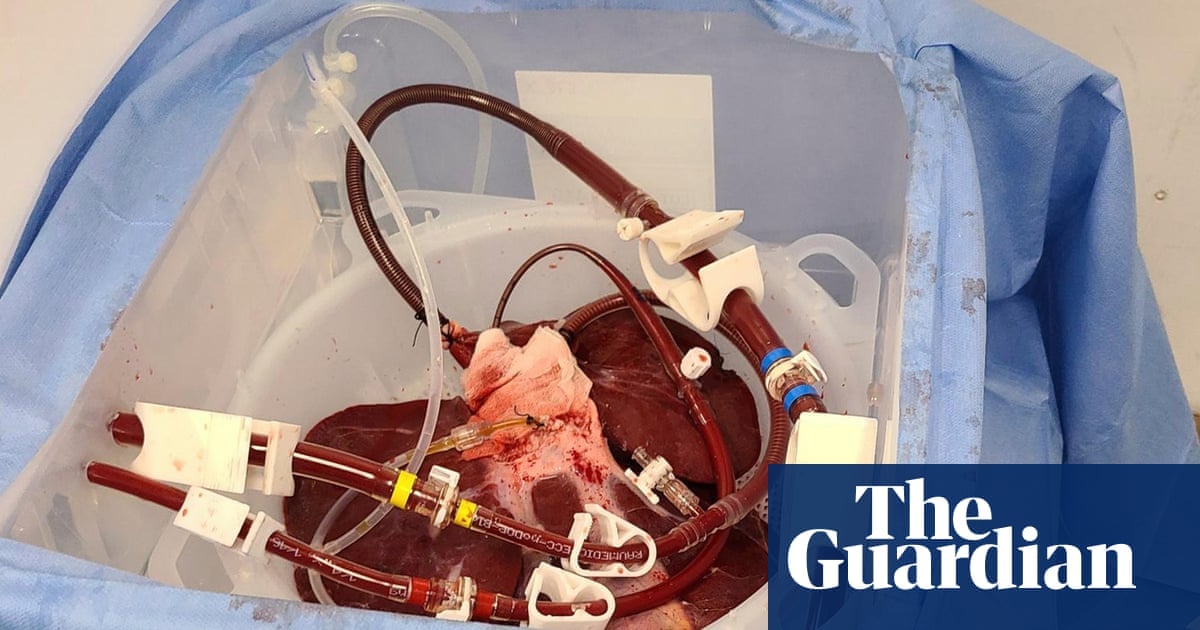
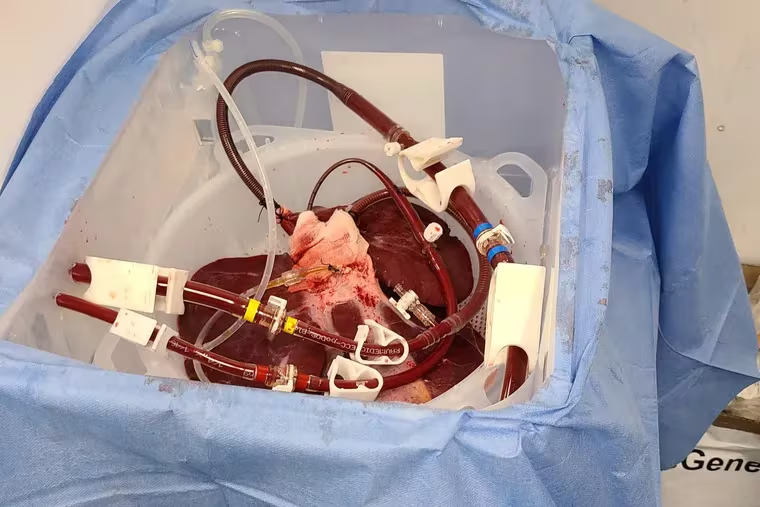
In a groundbreaking experiment at the Hospital of the University of Pennsylvania, a brain-dead patient was connected to a machine that circulated blood through a CRISPR-edited pig liver, demonstrating the potential for genetically engineered porcine organs to support the human circulatory system. The research, conducted by eGenesis, marks a significant advancement in transplant medicine and the use of CRISPR technology.
Surgeons at Penn Medicine successfully connected a genetically modified pig liver to the body of a deceased person, demonstrating the potential for using pig organs in human patients. The procedure, using CRISPR-edited pig liver, aimed to show that the organ could function without being rejected by the immune system. This breakthrough could serve as a bridge to recovery for patients awaiting human donor organs and may help alleviate the chronic shortage of donated human organs. The success of this initial test paves the way for further research and potential future use of pig organs in human transplantation.
Surgeons at the University of Pennsylvania successfully attached a genetically altered pig liver to a brain-dead person, which functioned normally for 72 hours, marking a step toward using pig organs to help patients with failing livers. The experiment aims to stabilize patients awaiting liver transplants and provide temporary support for those whose livers could recover. Researchers genetically altered pigs to make their organs a better match for humans, and the biotech company eGenesis is aiming to use gene editing to achieve this. The study represents a potential solution to the organ shortage crisis, but further research is needed to determine the long-term viability and effectiveness of this approach.