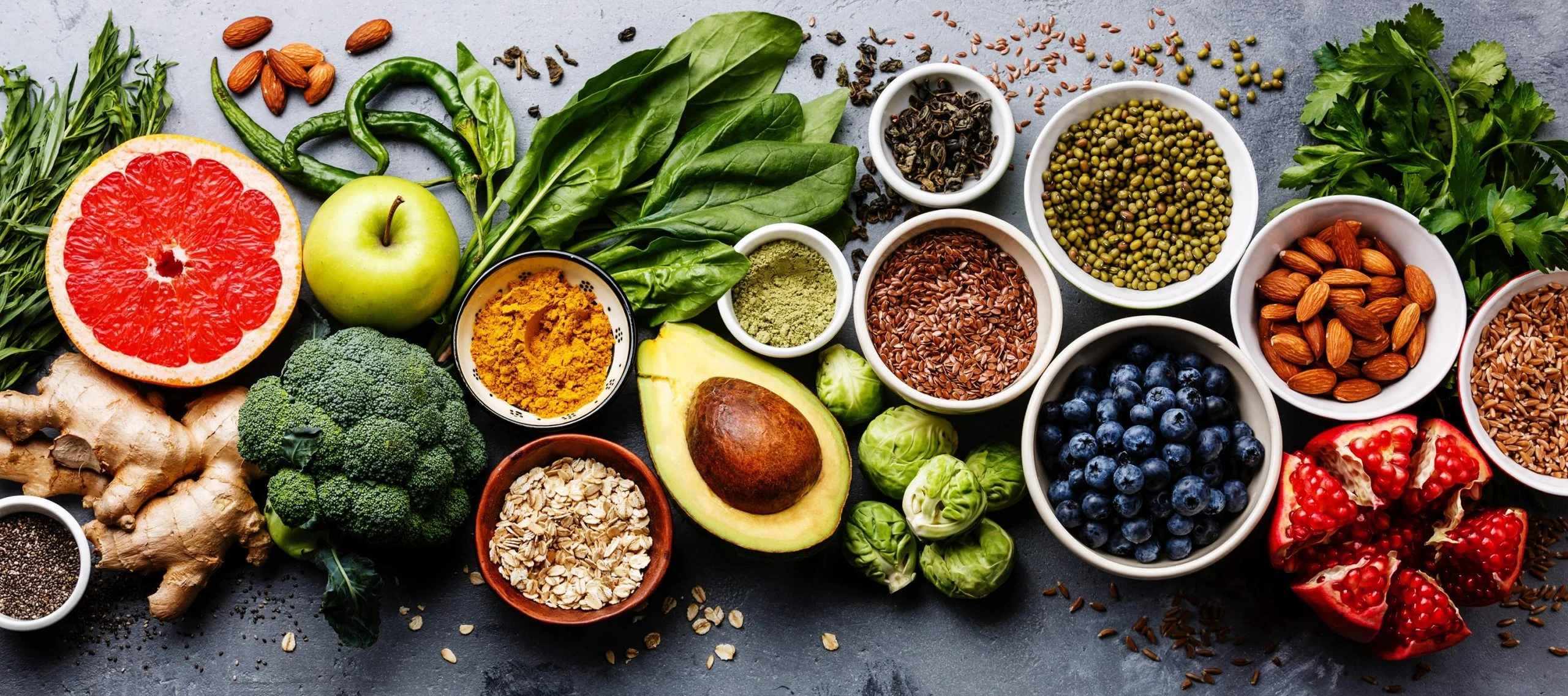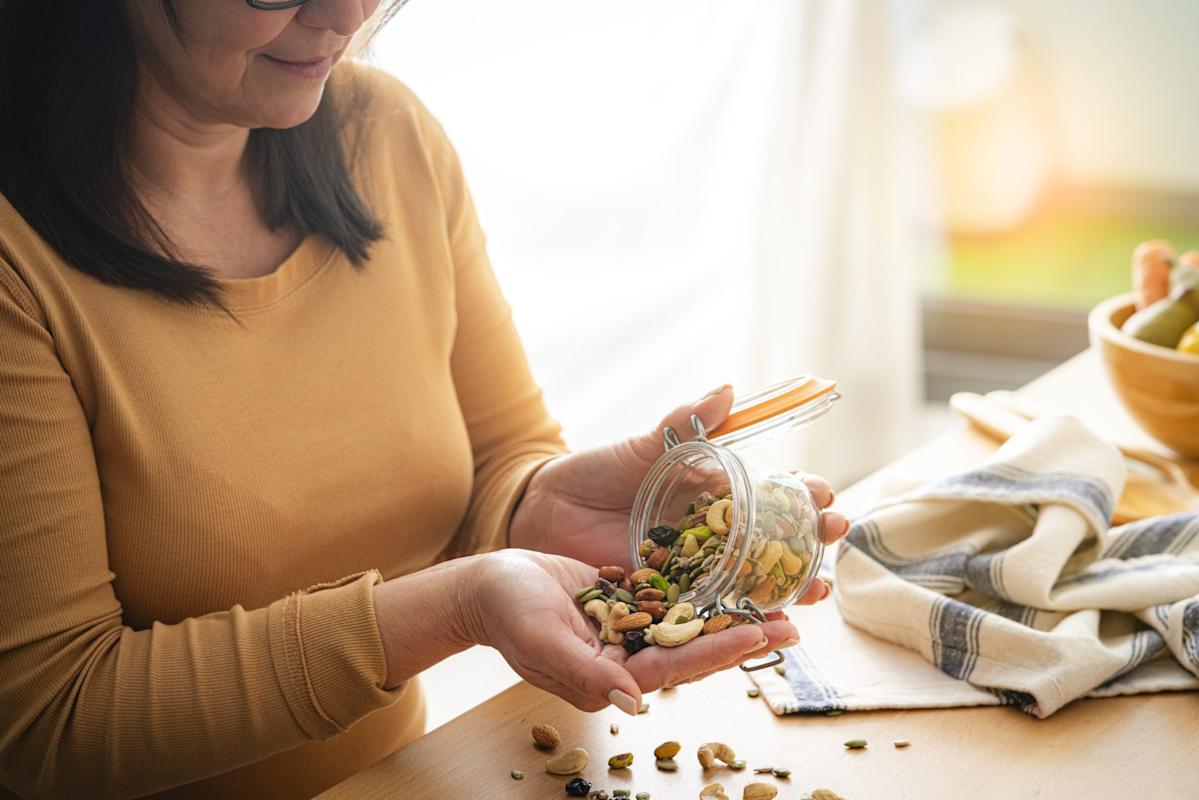
A new study suggests that consuming foods rich in phytosterols, such as nuts, seeds, legumes, and whole grains, may lower the risk of heart disease and type 2 diabetes by improving insulin regulation and reducing inflammation, although more research is needed to confirm causality.
A large observational study suggests that consuming foods rich in phytosterols, found in nuts, seeds, legumes, and whole grains, may lower the risk of heart disease and type 2 diabetes by improving insulin regulation and reducing inflammation, although further research is needed to confirm causality.
A new study shows that phytosterols, compounds found in fruits, vegetables, nuts, and whole grains, are linked to lower risks of heart disease and type 2 diabetes, with higher intake associated with better blood sugar control, reduced inflammation, and beneficial changes in gut bacteria, supporting the health benefits of plant-based diets.
New research suggests that consuming phytosterols, compounds found in plant foods like vegetables, fruits, nuts, and grains, is associated with reduced inflammation, lower risk of heart disease and Type 2 diabetes, and better metabolic health, supporting the benefits of a plant-focused diet.
New research suggests that consuming phytosterols, found in foods like nuts, seeds, fruits, vegetables, and whole grains, is associated with reduced inflammation, lower risk of heart disease and Type 2 diabetes, and improved metabolic health, supporting the benefits of a plant-based diet.
A study suggests that consuming foods rich in phytosterols, found in fruits, vegetables, nuts, and whole grains, can reduce the risk of heart disease and type 2 diabetes by improving metabolism and reducing inflammation, but most Americans do not meet the recommended intake of these foods.
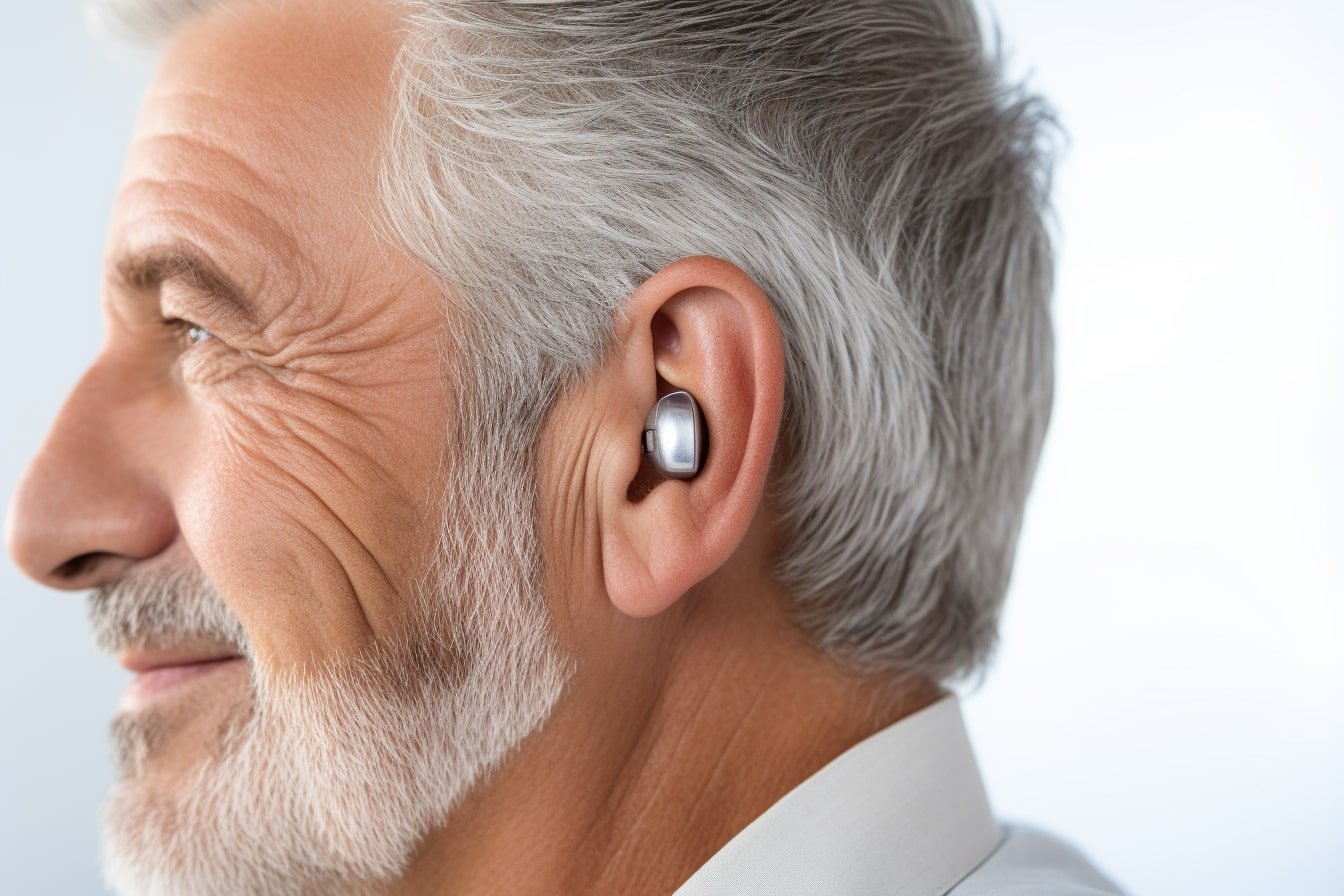
Age-related hearing loss may be linked to a decrease in cholesterol in the inner ear, specifically affecting the outer hair cells (OHCs) responsible for amplifying sounds. Researchers found that phytosterol supplements, which are similar to cholesterol, can compensate for the lost cholesterol and prevent sensory dysfunction in mice. If applicable to humans, over-the-counter phytosterol supplements could potentially offer a solution to combat age-related hearing loss. Further research is needed to determine the effects on older mouse models and humans.