The Republican tax plan proposes caps on federal student loans for professional degrees, including medicine, which could limit access for low-income students and exacerbate the ongoing physician shortage, especially in rural areas, by making medical education less affordable and accessible.
A new survey reveals a burnout crisis among U.S. doctors due to low pay, high workloads, and a labor shortage, threatening the health care system. Around 81% of physicians feel overworked, with many considering early retirement. Administrative burdens and a significant gender pay gap exacerbate the issue. Solutions like increased education funding, loan forgiveness, virtual visits, and AI tools for administrative tasks are suggested to alleviate the crisis.
Doctors across the United States are facing legal battles over noncompete agreements that restrict them from seeing patients in the same geographic region if they leave their jobs. These agreements, increasingly common in the healthcare industry, have been criticized for contributing to physician shortages, disrupting patient care, and deterring doctors from speaking out about unsafe conditions. While hospitals argue that noncompetes are necessary to protect their investments in recruiting and training doctors, critics, including physician groups, argue that these agreements harm patients and sever doctor-patient relationships. President Biden has pledged to ban noncompetes across the economy, and the FTC is considering a proposed ban.
Republican lawmakers in Missouri have proposed legislation to license naturopathic doctors, allowing them to establish practices and provide holistic care. The bill aims to address the state's physician shortage and improve healthcare access, particularly in rural areas. Naturopathic doctors focus on treating the person first and aim to guide patients in implementing healthy lifestyle changes. The proposed licensing structure would require doctors to graduate from accredited programs and pass a board examination, providing title protection and ensuring safety for patients.
The nationwide shortage of doctors and other primary care professionals is causing patients to lose trust in the healthcare system. The stress of the pandemic has led many healthcare workers to retire or quit, exacerbating the shortage. As patients are shuffled from one provider to another, their trust in the system is eroding. Community health centers, which serve the uninsured and vulnerable populations, have been hit particularly hard, with workforce attrition rates of up to 50%. The shortage of clinicians has also placed additional burdens on support staff, leading to labor unrest. The staffing shortages come at a time when community health centers are caring for more patients, making it difficult to meet patient demand. Urgent care visits are increasing as patients struggle to get appointments with their primary care providers, further straining the healthcare system.
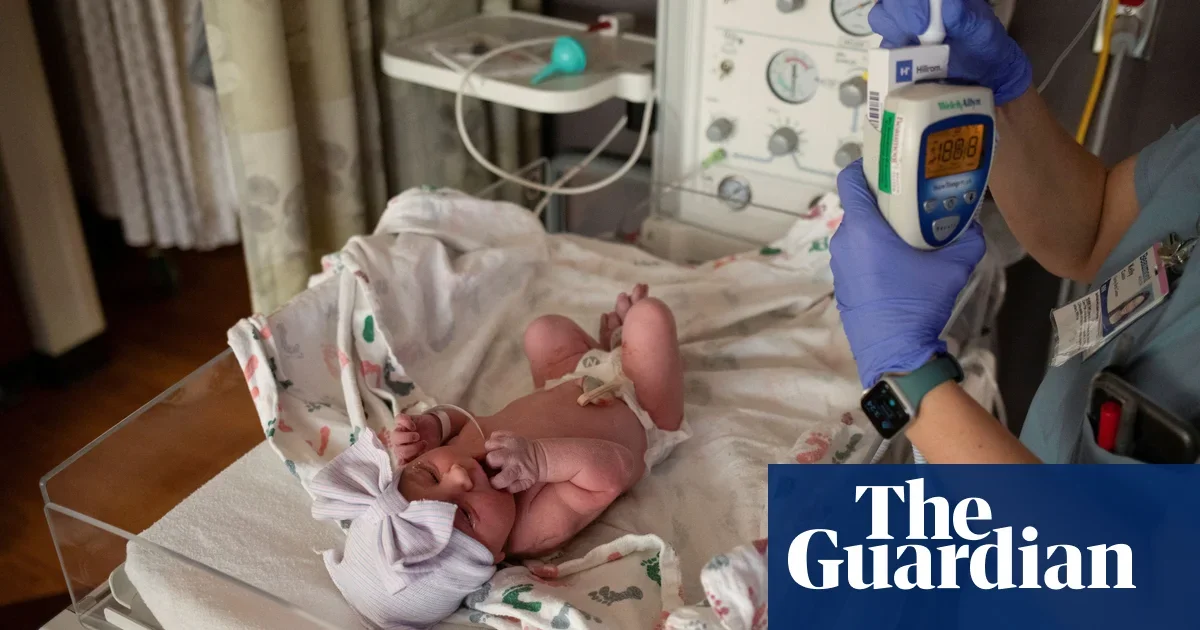
Monroe County Hospital in rural Alabama has closed its labor and delivery department, leaving the community without a birthing hospital and forcing pregnant women to travel long distances for care. This closure is part of a growing trend in Alabama, where many counties lack hospitals with obstetrics care. The hospital cited a physician shortage as the reason for the closure, but the decision comes at a time when the state is already facing a maternal and infant health crisis. The closure highlights the challenges faced by rural communities in accessing essential healthcare services.
The shift towards value-based payments in primary care has led to longer wait times for urgent or time-sensitive appointments. Factors contributing to this issue include a shortage of primary care physicians, who are either leaving the field or opting for concierge medicine, and a lack of medical school graduates choosing primary care due to financial considerations and lower career satisfaction. Value-based payments prioritize population-based metrics and preventive care, leaving limited access for acute problems. Patients are increasingly turning to urgent care centers or emergency rooms when they can't see their primary care doctor on short notice. To address this issue, there is a need for a smaller patient load per clinician, increased use of advance practice providers, and better alignment of value-based incentives with patient needs.
Birchwood Family Medicine in Wisconsin is operating on a direct primary care model, offering affordable healthcare and addressing the growing shortage of primary care physicians. Patients pay a monthly membership fee of $80, which includes unlimited clinic visits, 24/7 access to the doctor, and significantly discounted lab tests and imaging. The clinic provides more personalized care and longer appointment times, leading to increased patient satisfaction. However, the rise of small clinics like Birchwood adds stress to an already stretched healthcare system, which is facing retirements of Baby Boom generation physicians and a decline in medical graduates opting for primary care. Attempts to raise primary care reimbursement have been challenging due to rising healthcare costs.
The primary care landscape in the U.S. is changing, with a smaller percentage of physicians entering the field and a growing number of doctors retiring or selling their practices. This has led to shortages and longer wait times for patients seeking primary care. Many patients, particularly the young and healthy, are embracing alternatives such as retail clinics and virtual visits for their convenience. However, experts warn that forgoing an ongoing relationship with a regular primary care provider can have negative consequences, especially as people age and develop chronic conditions. Establishing a relationship with a primary care doctor is important for preventive care, early detection of health issues, and better health outcomes. Coordinating care in this changing landscape will be complex but necessary to ensure accessible and quality primary care for all.
With many medical doctors preferring to work in cities, rural areas in the US are facing a shortage of primary care physicians. Osteopathic physicians, or DOs, are helping fill the gap, with over half of them working in primary care. The number of DOs has quadrupled since 1990, and many of the new osteopathic medical schools are located in rural states. DOs are trained to focus on primary care, and their training is now widely considered comparable to that of MDs. Patients in rural areas are increasingly turning to DOs for their healthcare needs.
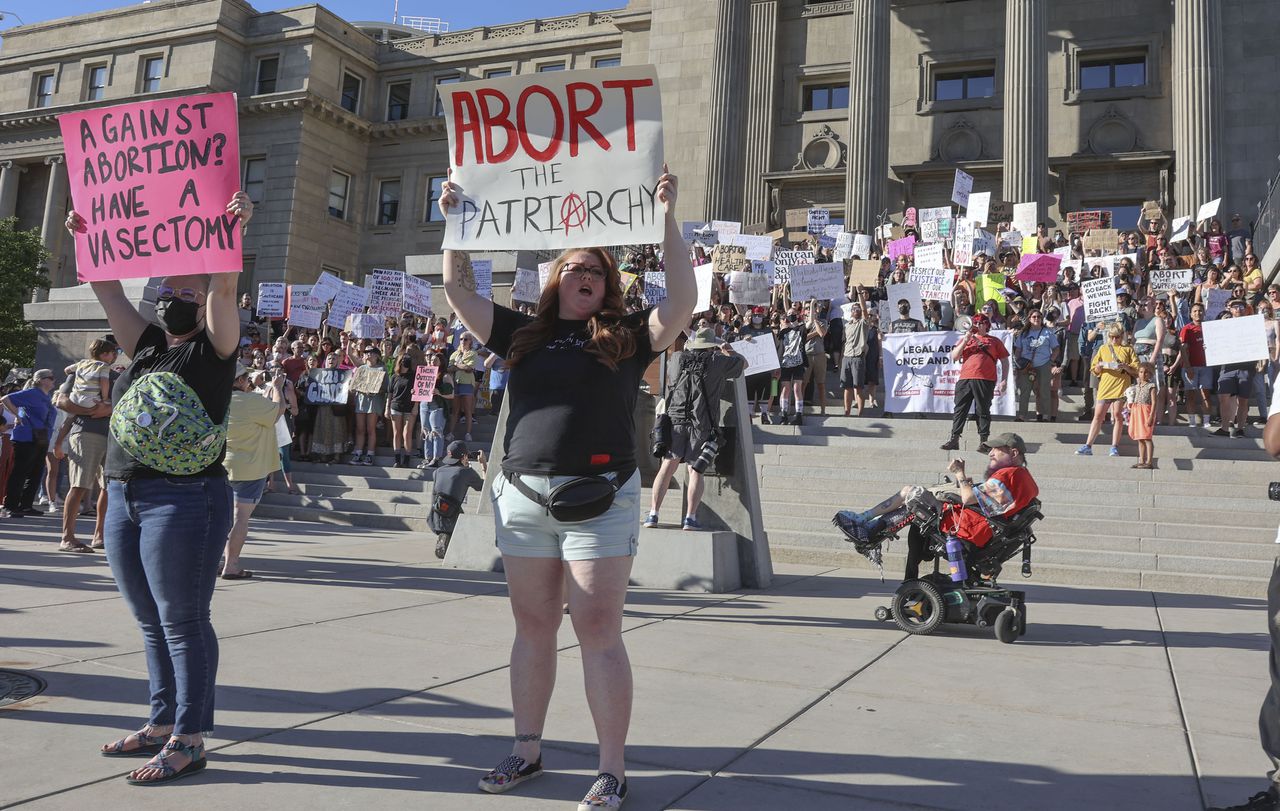
Bonner General Health in Sandpoint, Idaho, will stop providing obstetrical care, including delivering babies, in mid-May due to a decreasing number of deliveries, a loss of doctors, and a shifting legal climate in which recently enacted state laws could subject physicians to prosecution for providing abortions. Pregnant women in the area will have to travel about 45 miles to Coeur d’Alene for care, or to hospitals farther away in Idaho, Washington, and Montana. The hospital cited Idaho’s legal and political climate as partly to blame, with the state banning nearly all abortions in measures that subject physicians to prosecution for providing any abortions, even if needed to protect the health of a pregnant patient.
Bonner General Health in Sandpoint, Idaho, will stop providing obstetrical care, including delivering babies, due to a decrease in deliveries, a loss of doctors, and the state's legal and political climate. Recently enacted state laws could subject physicians to prosecution for providing abortions, and physicians could face felony charges and a medical license revocation for violating the law. Pregnant women in the area will have to travel to Coeur d'Alene or farther for care. The decision was emotional and difficult for hospital officials, who said recruiting replacements would be extraordinarily difficult.
Bonner General Health, the only hospital in Sandpoint, Idaho, will no longer provide labor, delivery, and other obstetrical services due to the increasing criminalization of physicians and the inability to retain pediatricians. The hospital's leadership cited the "political climate" in Idaho as the reason for the closure, with highly respected physicians leaving the state due to restrictive abortion laws. The closure comes as the number of deliveries at Bonner continues to decline, with only 265 babies delivered in 2022 and fewer than 10 pediatric patients admitted.