House Speaker Mike Johnson's proposed legislation could significantly reduce Medicaid coverage for over 200,000 Louisianans, risking loss of health services and the closure of community health centers, especially impacting rural and low-income populations who rely heavily on Medicaid.
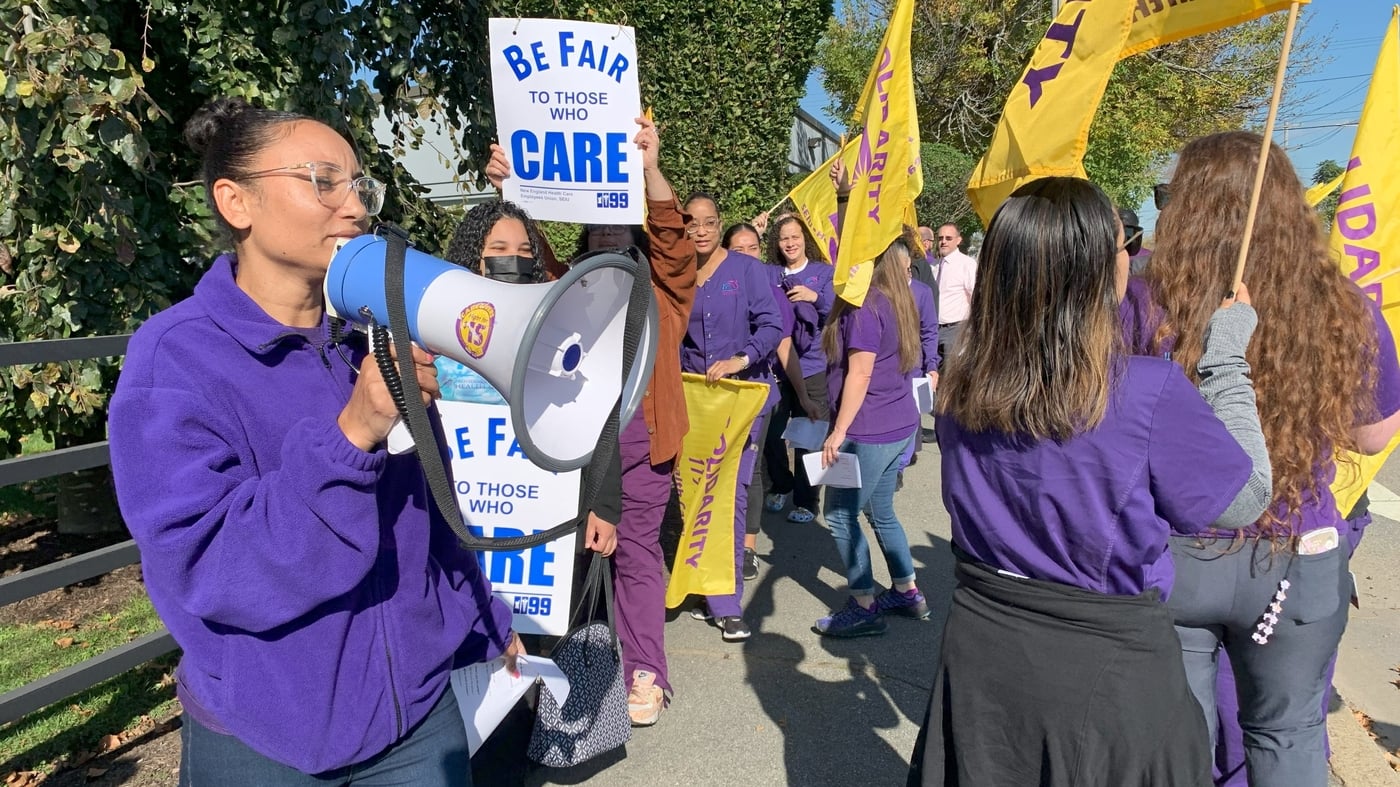
The nationwide shortage of doctors and other primary care professionals is causing patients to lose trust in the healthcare system. The stress of the pandemic has led many healthcare workers to retire or quit, exacerbating the shortage. As patients are shuffled from one provider to another, their trust in the system is eroding. Community health centers, which serve the uninsured and vulnerable populations, have been hit particularly hard, with workforce attrition rates of up to 50%. The shortage of clinicians has also placed additional burdens on support staff, leading to labor unrest. The staffing shortages come at a time when community health centers are caring for more patients, making it difficult to meet patient demand. Urgent care visits are increasing as patients struggle to get appointments with their primary care providers, further straining the healthcare system.
Community health centers across the United States are still waiting for their shipments of updated Covid vaccines, weeks after the rollout began. The delays are preventing vulnerable adults and children from getting vaccinated, exacerbating health disparities based on race and class. These federally funded health centers, which provide free or low-cost services to underserved populations, cannot afford to cover the costs of the vaccines on their own. While some centers are facing delayed shipments or limited doses, others are struggling with vaccine hesitancy among their patients. The situation highlights the need for improved access to vaccines and addressing mistrust in marginalized communities.
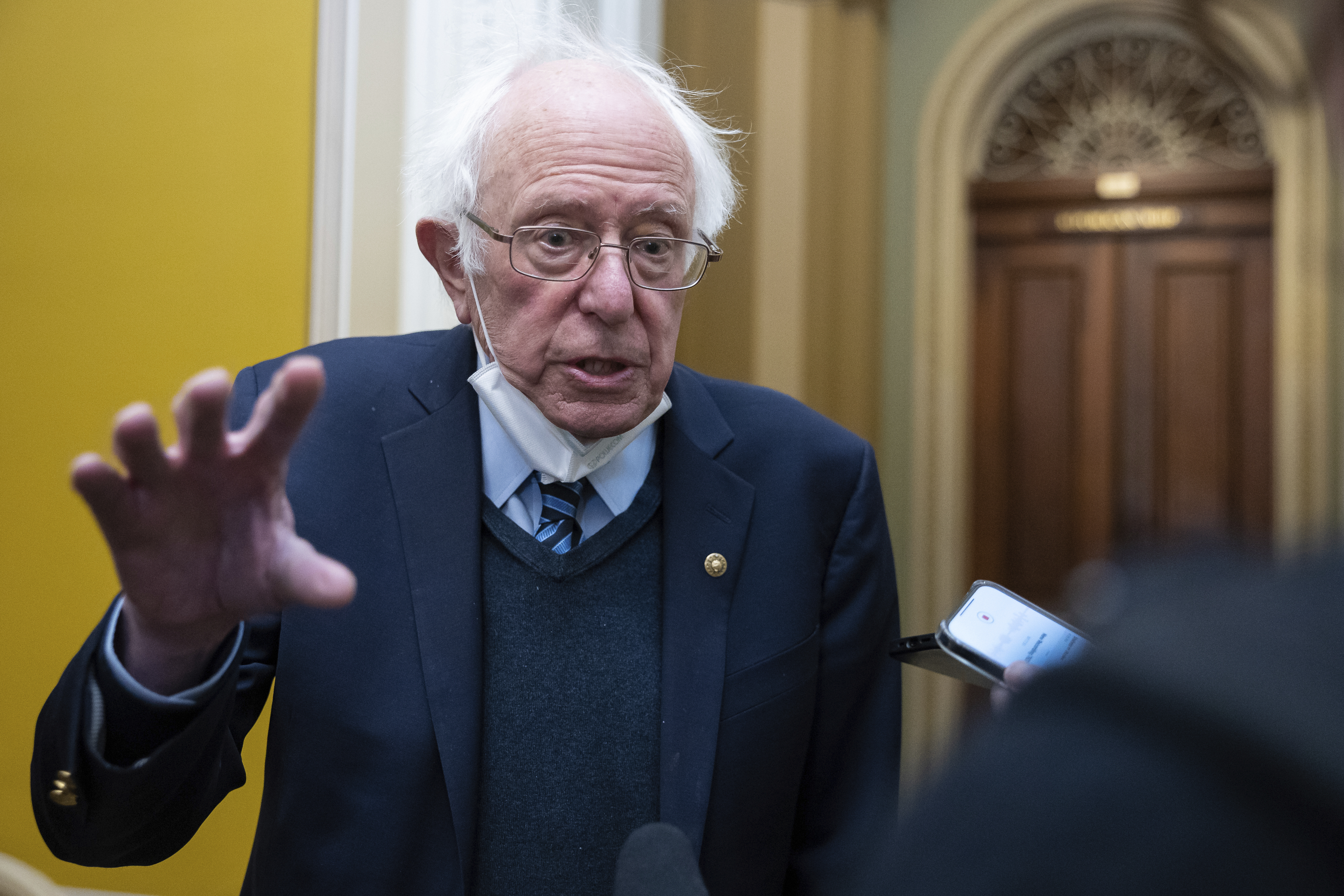
Senator Bernie Sanders has proposed a $200 billion plan to address the growing health workforce shortages and financial woes of community health centers. The plan includes $130 billion for community health centers and $60 billion in funding to grow the workforce, with $15 billion set aside for graduate medical education programs. However, Senate Republicans and the House are unlikely to endorse the proposal's huge increases, making it an uphill climb for Sanders to pass the legislation. Community health center advocates have also descended on Washington with concerns over historic financial challenges.