Tag

Circadian Clock

All articles tagged with #circadian clock

science1 year ago

Cyanobacteria's Circadian Clock Mimics AM Radio for Cellular Control

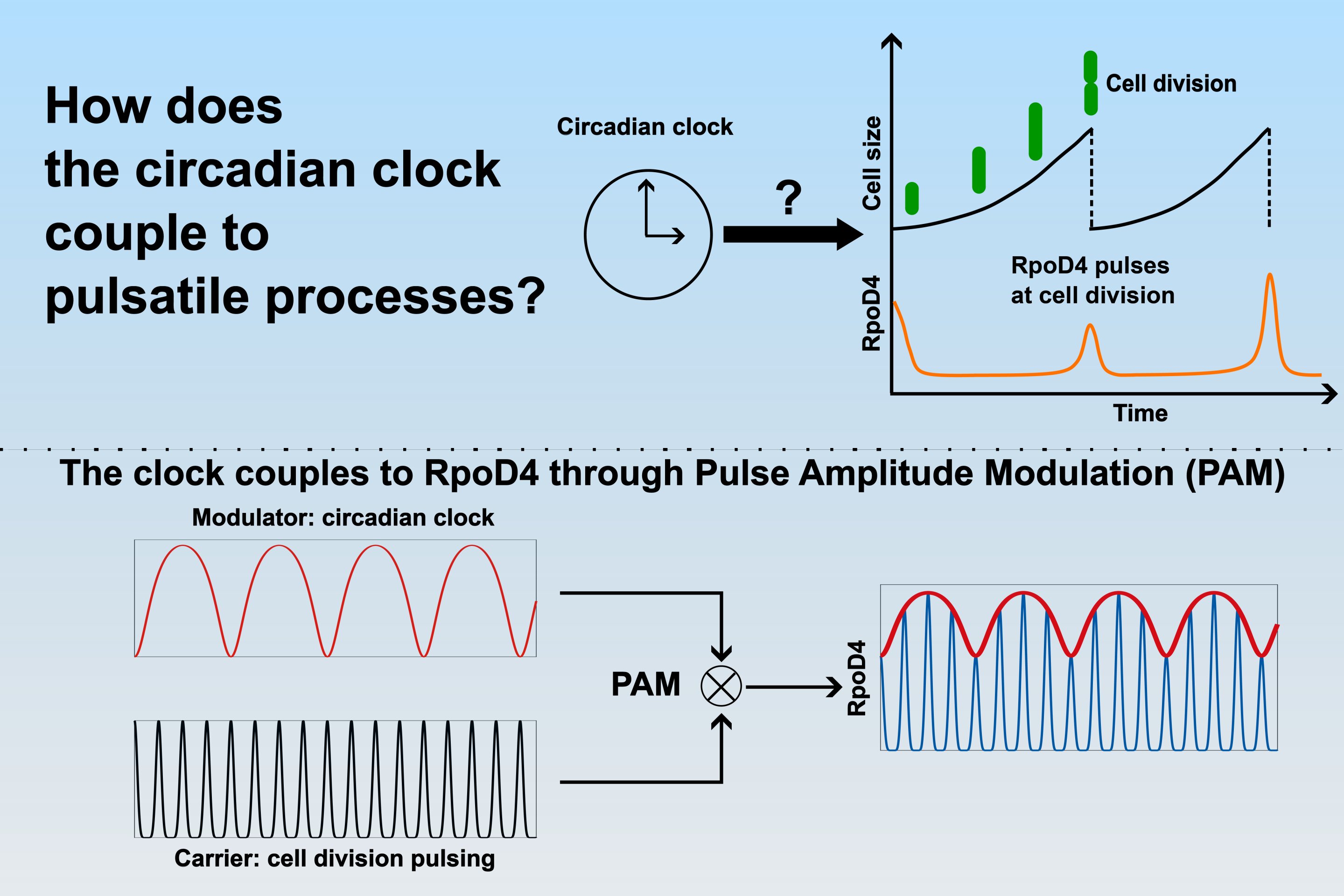
Researchers have discovered that cyanobacteria use a mechanism similar to AM radio to regulate cellular processes, integrating signals from their circadian clock and cell cycle. This process, known as pulse amplitude modulation, allows the bacteria to encode information about both oscillatory signals in the same output. The study, conducted by teams from the Sainsbury Laboratory and the University of Warwick, highlights the potential broader implications of this mechanism in synthetic biology and biotechnology.

science2 years ago

Neanderthal Genes: The Secret to Being a Morning Person

A new study suggests that genetic material from Neanderthal ancestors may have contributed to the propensity of some people today to be "early risers" or morning people. The research found that introgressed genetic variants from Neanderthals into modern humans have associations with increased morningness, indicating a directional effect on the trait. This adaptation to high latitudes is consistent with the shortened circadian periods observed in other animals living in similar environments. The study highlights substantial genetic differences in the circadian systems of Neanderthals and modern humans, suggesting that the propensity to be a morning person could have been evolutionarily beneficial for our ancestors living in higher latitudes in Europe.

biology2 years ago

"Single-Celled Giant Algae: Masters of Time Perception"

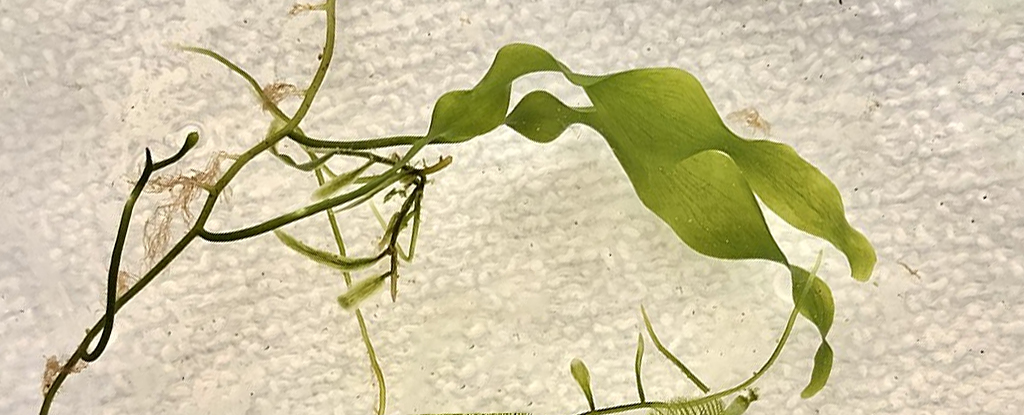
Researchers at the California Institute of Technology have discovered that giant algae, such as Caulerpa brachypus, which are composed of just one cell, possess a clever way of knowing the time. Despite lacking dividing structures, these algae are able to organize themselves into organ-like structures and grow. The researchers found that the algae's growth and development are influenced by a circadian clock, allowing them to predict changes in light conditions and adjust their chlorophyll activity accordingly. This internal clock enables the algae to determine when and where to grow, without the need for individual cells.

health-and-wellness2 years ago

"The Key to Better Sleep: Making This Crucial Change"

New research suggests that sleep regularity, or consistency in sleep patterns, may be more important than sleep duration for overall health and longevity. A study analyzing over 10 million hours of sleep data found that even slight irregularities in sleep patterns increased the risk of mortality. Sleep regularity affects our circadian clock, which regulates various biological functions, and changes in sleep patterns can disrupt this delicate system. Maintaining consistent sleep and wake times within one-hour windows each day is recommended for better health. The findings have implications for shift workers and highlight the importance of understanding and prioritizing sleep regularity for improved health outcomes.

science2 years ago

Uncovering the Mechanisms of Circadian Rhythms

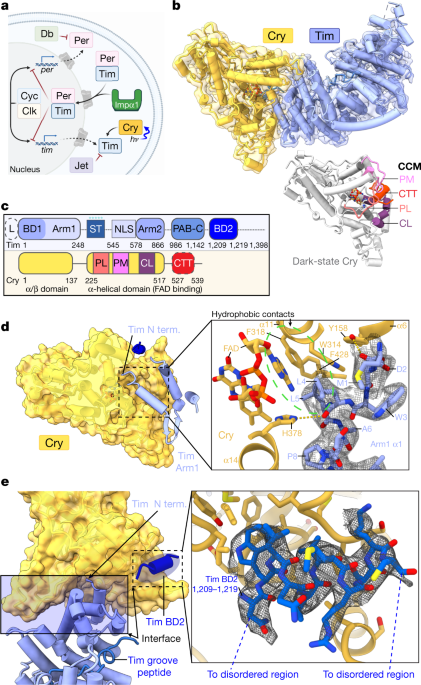
Researchers have revealed the structure of cryptochrome-timeless, a protein complex that plays a key role in the circadian clock. The study sheds light on the mechanisms behind the timing of the body's internal clock and could lead to new treatments for sleep disorders. The researchers used a combination of X-ray crystallography and cryo-electron microscopy to determine the structure of the complex, which is found in both humans and fruit flies.

science2 years ago

Real-Time Study of Circadian Clock a First for Science

Scientists have studied the circadian clock and its responses to environmental cues in real-time for the first time using a tiny aquatic organism called a cyanobacterium. The team looked at the cyanobacterium's core oscillator, studying the ways its output acts as a signal for timekeeping. The research revealed several new insights, including the fact that enzymes known as kinases that mediate genetic expression are more closely related to the clock function than previously thought. This method of real-time monitoring can be used to better understand how our own internal circadian rhythms work and how their timekeeping has an effect on the rest of our bodies.