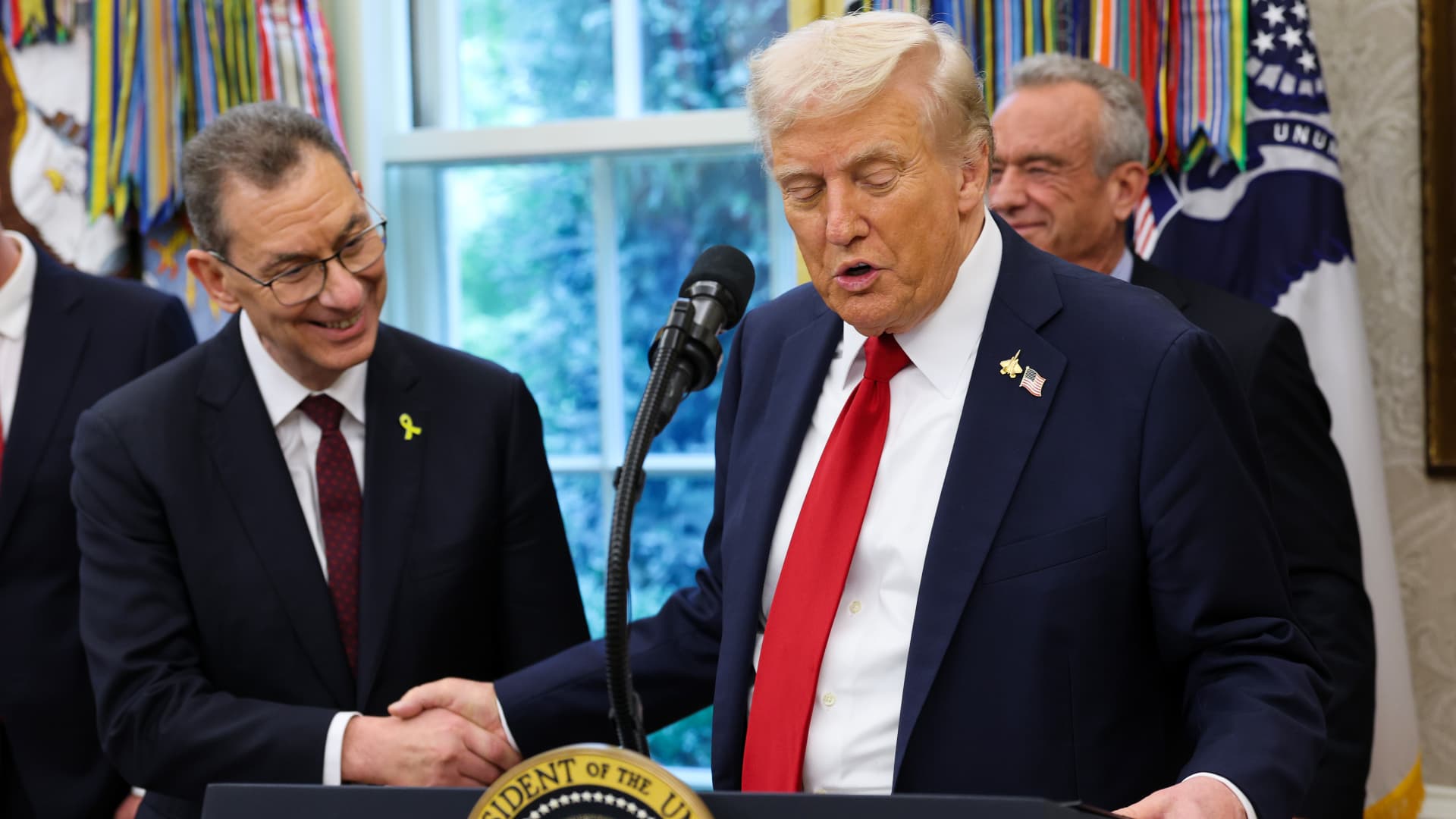
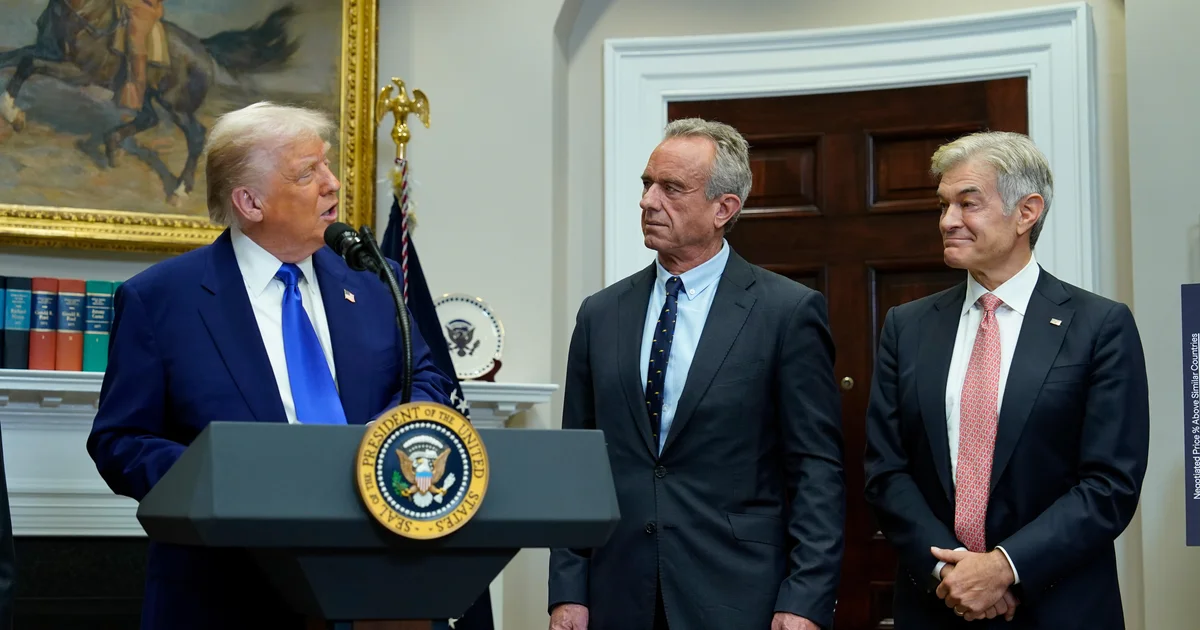
President Trump’s threat of pharmaceutical tariffs has been softened after Pfizer’s deal to lower U.S. drug prices and invest $70 billion in domestic manufacturing, leading to a temporary exemption from tariffs and easing industry concerns about punitive measures and the most-favored-nation policy.
Pfizer has agreed to lower prices on some prescription drugs for all Americans and Medicaid, with discounts up to 50-100%, as part of the Trump administration's efforts to reduce drug costs through the 'most favored nation' policy, and plans to launch a government-operated website 'TrumpRX' for online drug purchases.
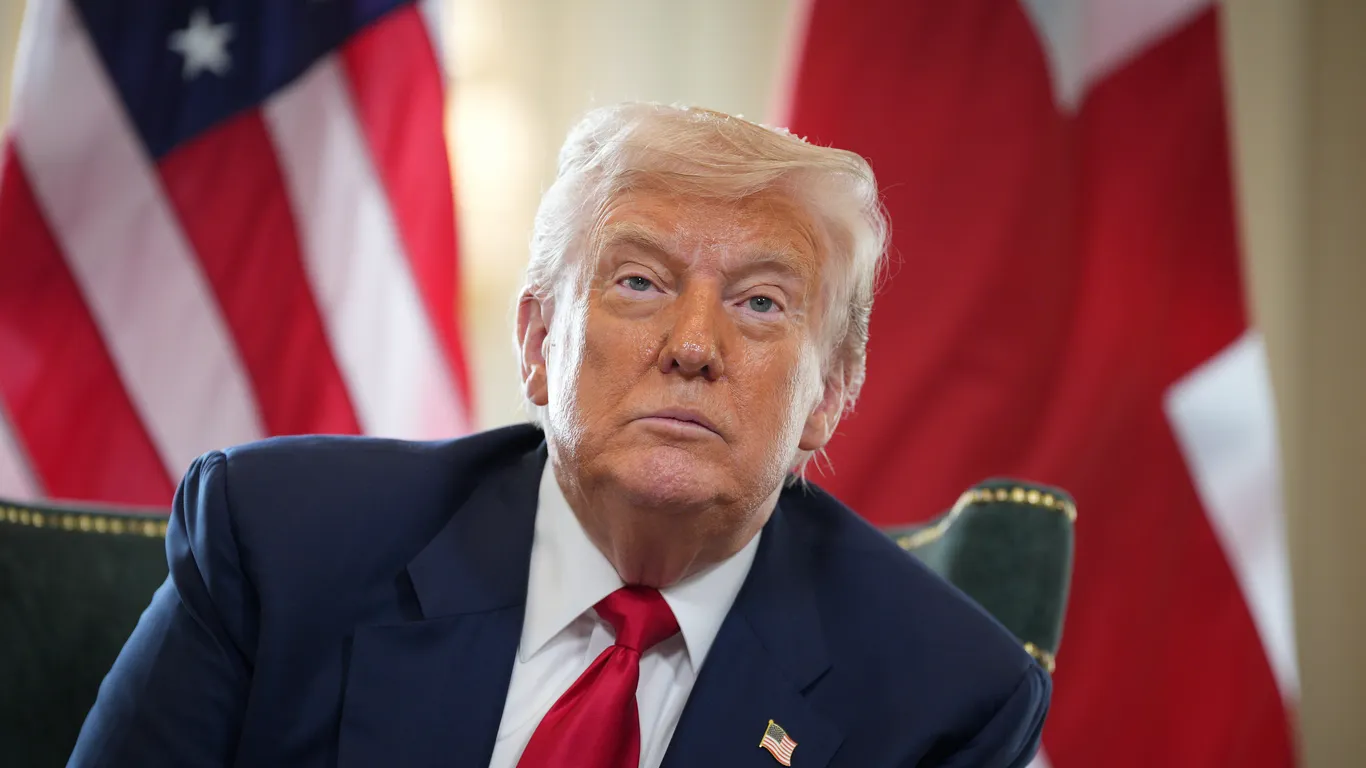
President Trump announced plans to implement a stepwise tariff increase on pharmaceuticals, reaching up to 250% within 1.5 years, aiming to boost domestic production amid declining US drug imports and industry concerns about counterproductivity.
AstraZeneca pledges to invest $50 billion in the US by 2030 to expand manufacturing and research, including a major facility in Virginia, as a response to potential US tariffs on pharmaceuticals, aiming to increase its US market share and support job creation.
AstraZeneca plans to invest $50 billion in the US by 2030 to expand manufacturing and research, including a major new facility in Virginia, as part of its response to US trade tariffs and to bolster its US market presence, aiming for $80 billion in annual revenue by 2030.
Originally Published 7 months ago — by Rolling Stone
President Trump’s proposal to impose tariffs on pharmaceutical imports aims to address trade imbalances but risks disrupting the supply of essential medicines in the U.S., which heavily depends on China and India for raw materials. While bringing manufacturing back to the U.S. could enhance national security, the low margins and high costs make it challenging, and a comprehensive approach involving innovation, modernization, and large-scale initiatives is needed to reduce dependency and ensure drug supply stability.