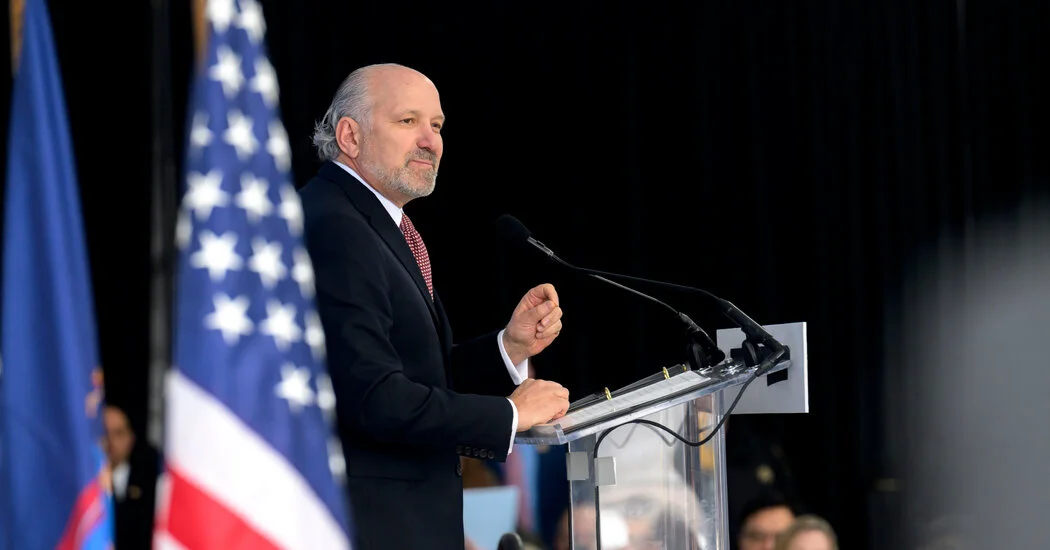
Johnson & Johnson has reached a voluntary agreement with the U.S. government to improve access to medicines and lower costs for Americans, including discounts and tariff exemptions, while also investing $55 billion in U.S. manufacturing and research, with new facilities announced in North Carolina and Pennsylvania.
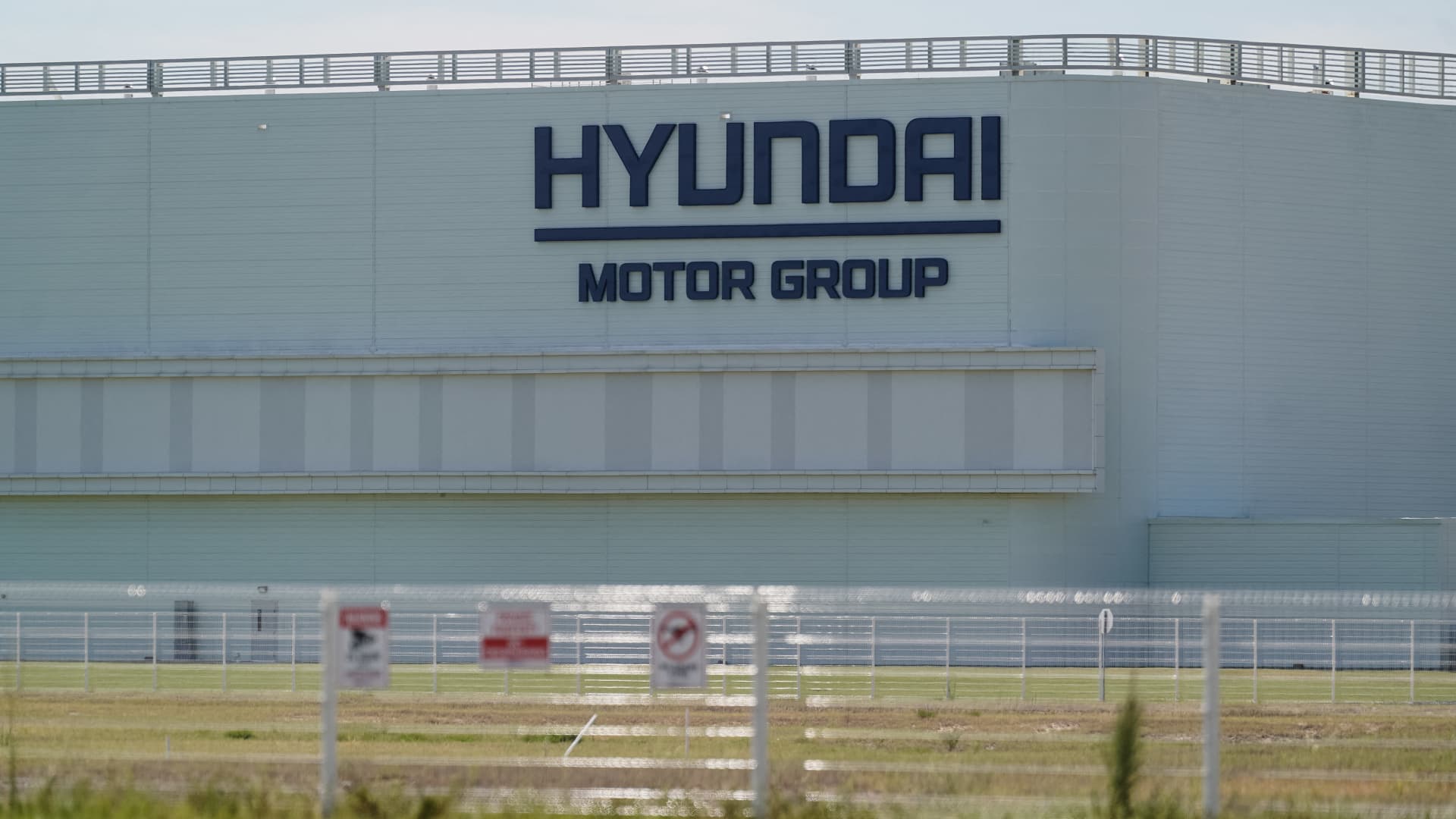
Hyundai Motor Group plans to deploy humanoid Atlas robots at its Georgia factory from 2028 to automate high-risk and repetitive tasks, with expansion into assembly and complex operations by 2030, aiming to enhance safety and efficiency in manufacturing.
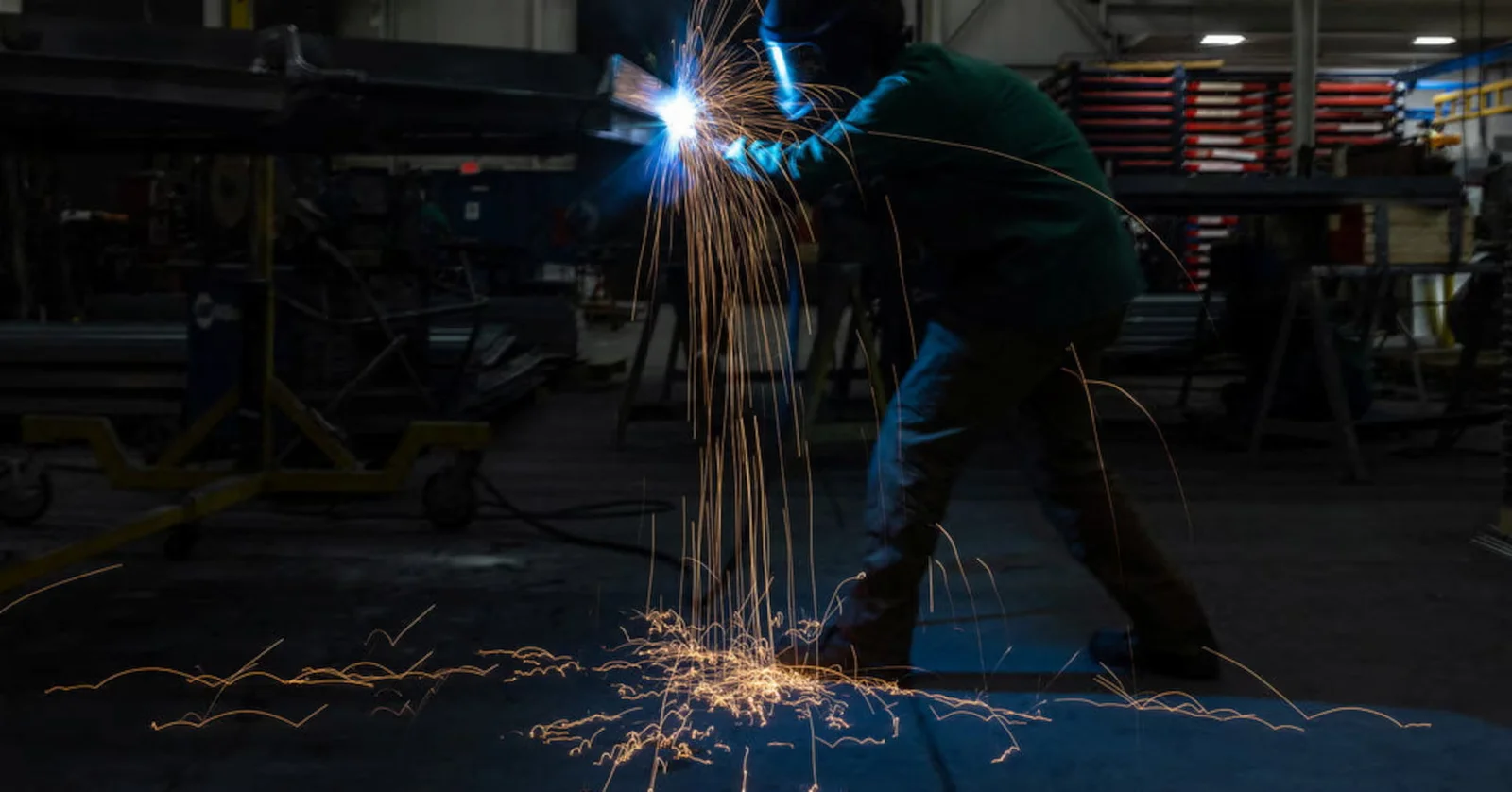
US manufacturing sector contracted for the 10th consecutive month in December, with the ISM PMI dropping to 47.9, the lowest since October 2024, largely due to ongoing tariffs and weak demand, leading to declining factory employment and elevated input costs. Despite some positive signs from AI investments and tax cuts, structural issues and tariff impacts continue to hinder recovery, with a potential Supreme Court ruling on tariffs expected in early 2026.
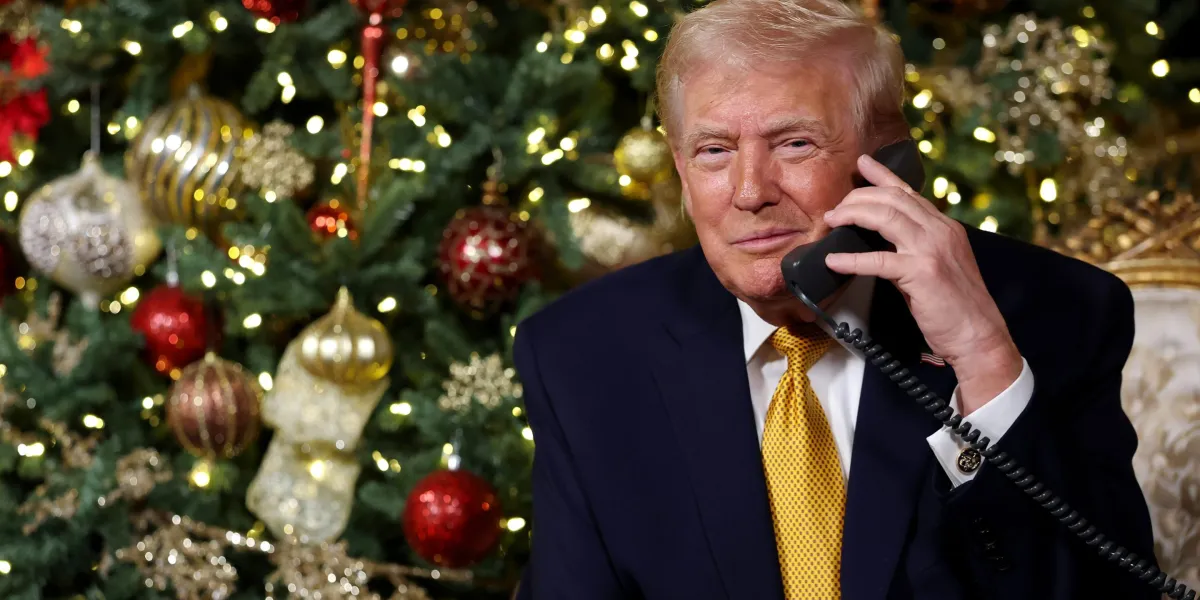
Trump Mobile has delayed the launch of its gold-colored T1 smartphone, blaming the US government shutdown for disrupting shipments and regulatory processes. Originally scheduled for release in late 2023, the device's delivery has been pushed to January 2024, amid ongoing operational challenges and changes in marketing claims about US manufacturing. The company operates as a virtual network using existing carriers and has faced criticism over its supply chain and production claims.
The 2025 Stratechery Year in Review highlights the year's focus on AI advancements, Big Tech competition, and America's manufacturing challenges, with insights from numerous articles, interviews, and updates that analyze industry trends and strategic shifts.
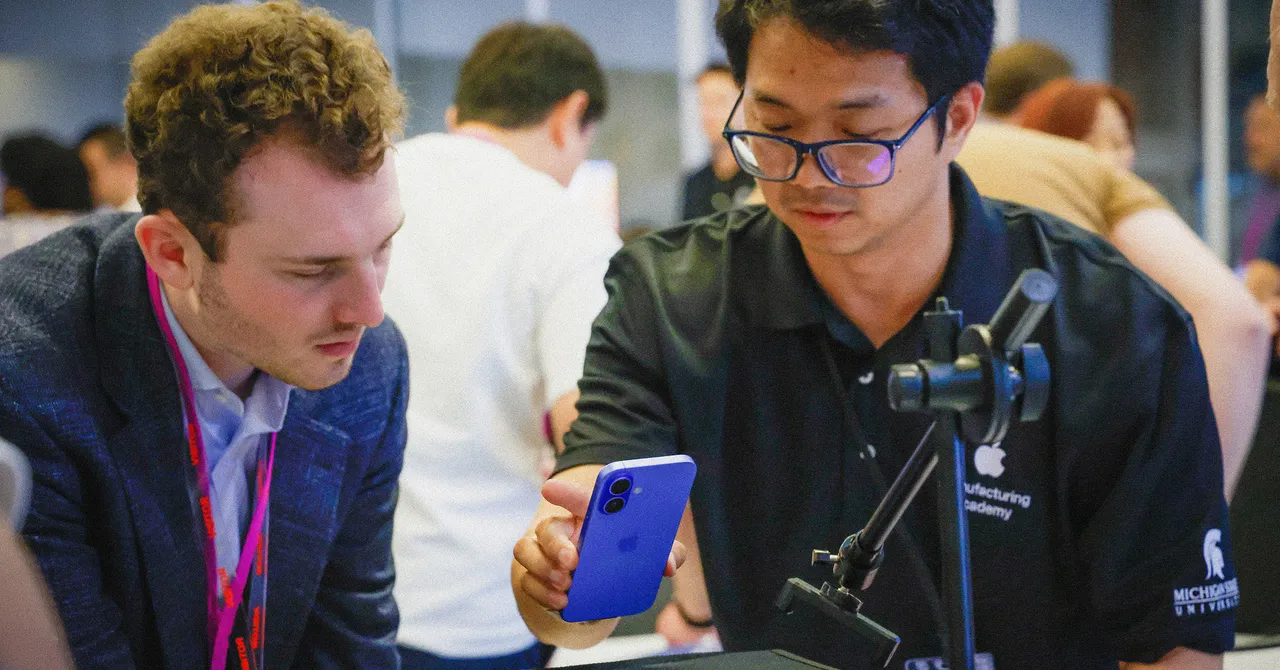
Apple is investing in US manufacturing by providing technical support and training to small manufacturers through its Manufacturing Academy, including developing AI tools to improve quality control, which benefits both the companies and Apple's broader strategic interests in domestic production.
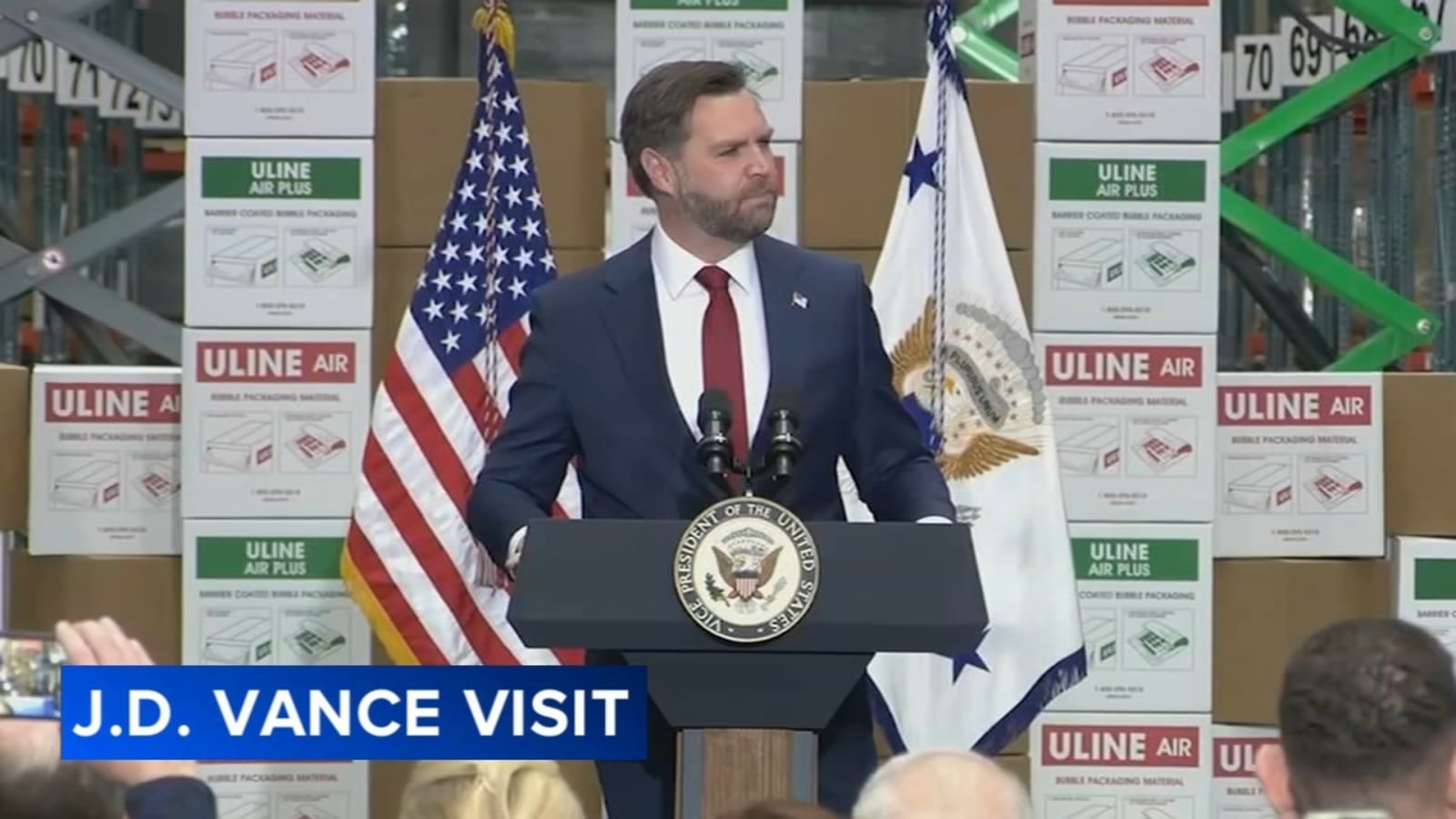
Vice President JD Vance visited Lehigh Valley to promote the administration's economic policies, emphasizing support for American manufacturing and job retention amid rising unemployment and economic concerns.
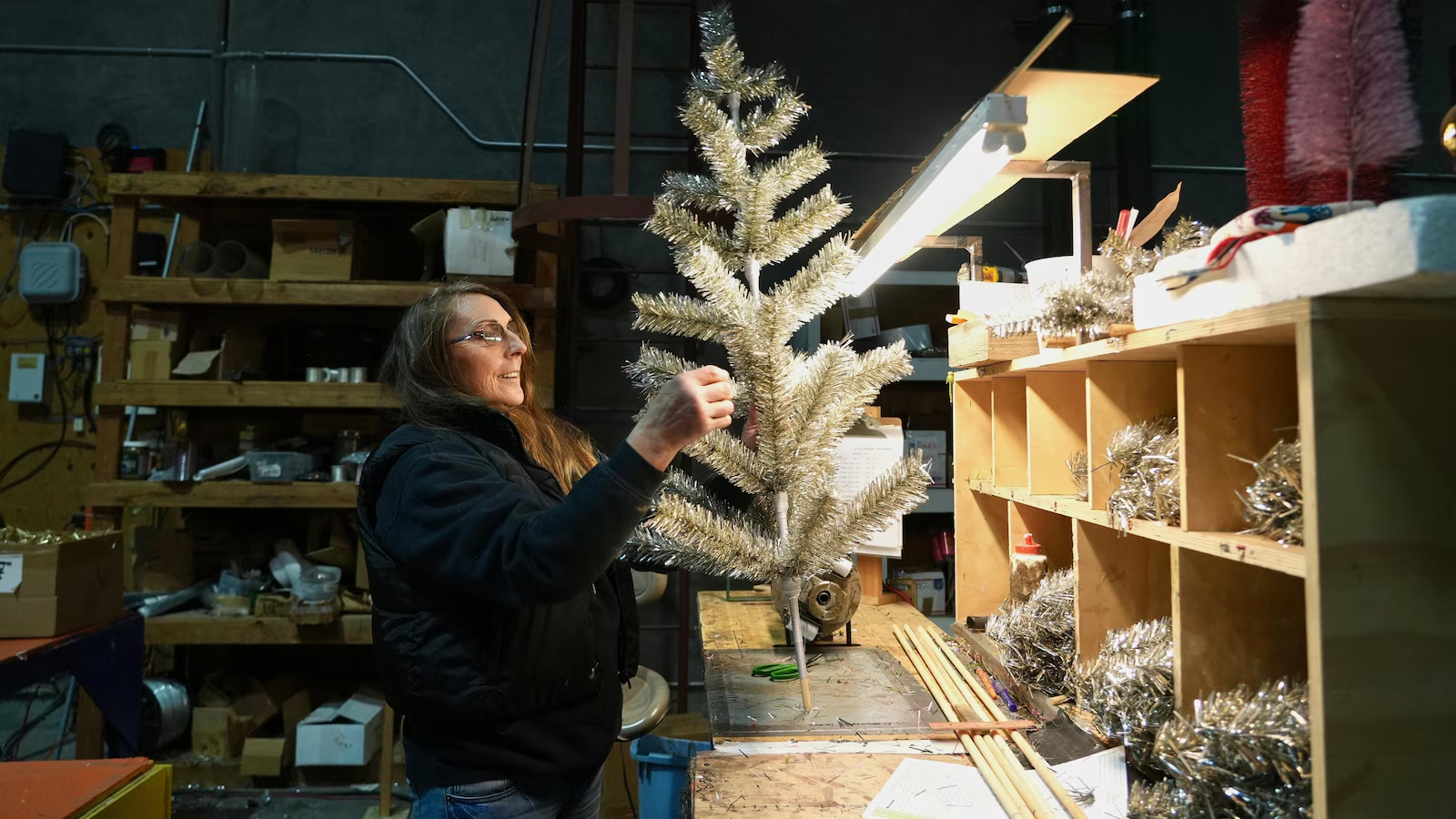
Despite rising prices due to tariffs and most artificial Christmas trees being made overseas, Americans continue to prefer fake trees for convenience, cost, and allergy reasons, leading to limited US production and reliance on imports from China and other countries.
US manufacturing has been in decline for eight consecutive months, with the PMI dropping to 48.7 in October due to subdued new orders, supply chain disruptions, and the ongoing impact of tariffs, which have hurt exports, increased costs, and slowed production, despite government efforts to stimulate the sector.
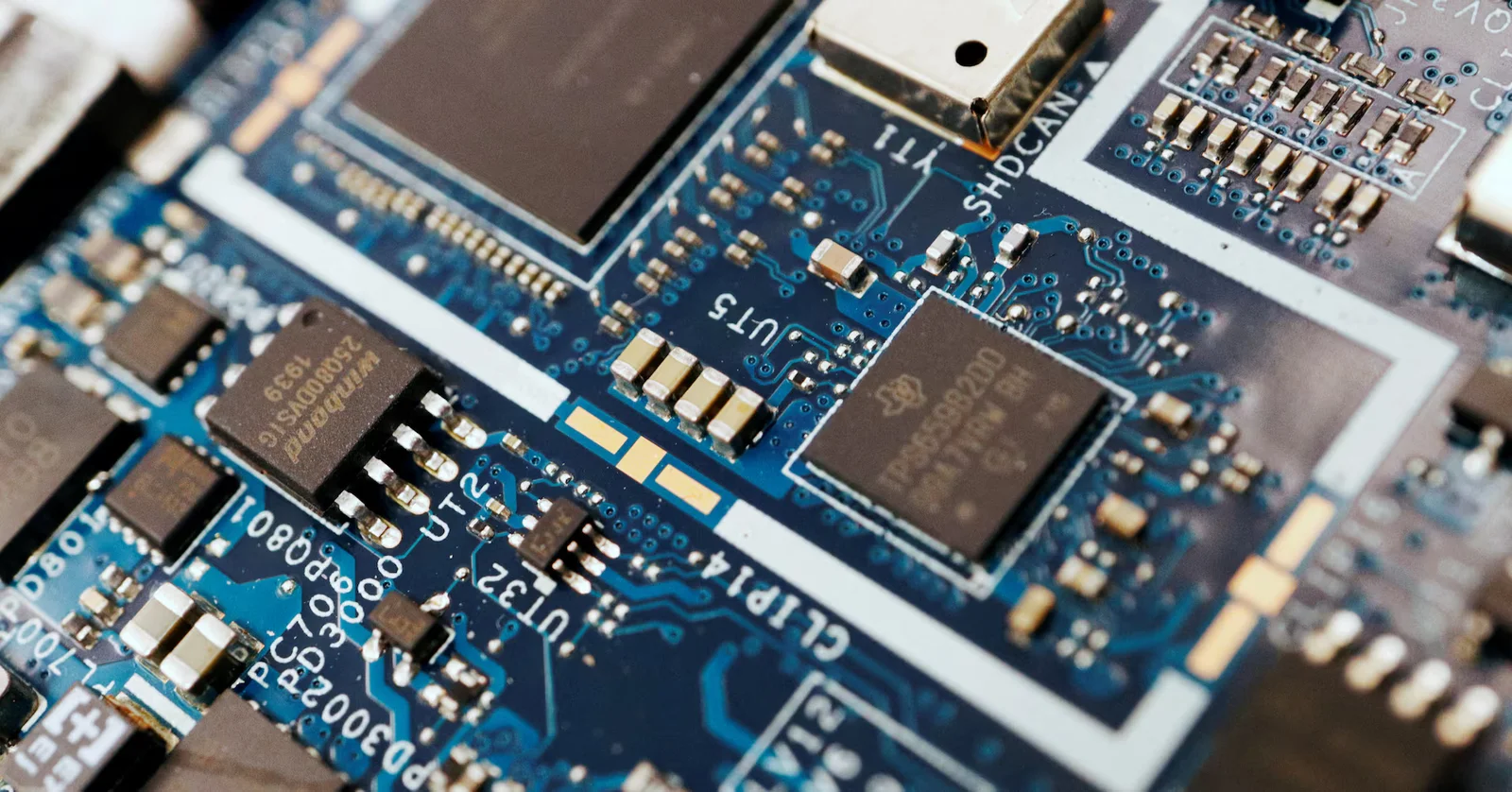
Substrate, a US startup, claims to have developed a new chipmaking tool using X-ray lithography that can rival ASML's advanced EUV equipment, aiming to reduce costs and boost US competitiveness in semiconductor manufacturing, with potential national security implications.
NVIDIA has unveiled its first Blackwell wafer manufactured in the US at TSMC's Phoenix facility, marking a significant step in domestic chip production and reducing reliance on international supply chains, with plans to expand AI infrastructure across the US.
NVIDIA and TSMC celebrated the production of the first NVIDIA Blackwell wafer in the US, marking a significant milestone in domestic semiconductor manufacturing and AI infrastructure, with plans to produce advanced chips in Arizona to bolster American leadership in AI technology.
Steinway & Sons, a 150-year-old American piano manufacturer, exemplifies how high-quality, handcrafted products can thrive in the US despite economic challenges and tariffs, emphasizing the importance of skilled craftsmanship and domestic sourcing for maintaining manufacturing excellence. However, broader US manufacturing faces hurdles like job losses and skill shortages, partly due to automation and trade policies.
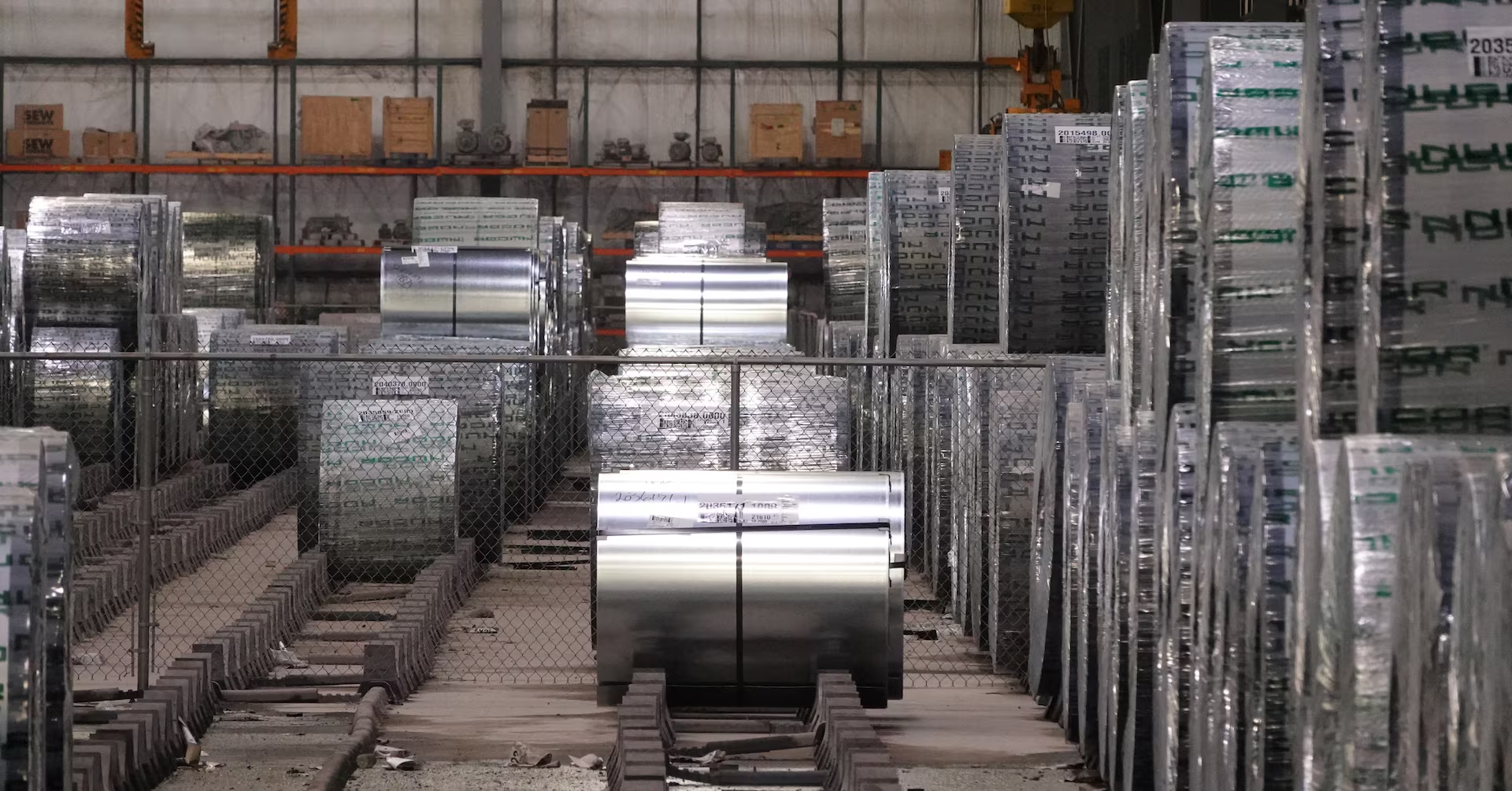
President Trump signed a proclamation imposing 25% tariffs on all medium- and heavy-duty truck imports and 10% on buses, aiming to protect U.S. manufacturers and incentivize domestic production through import credits for parts used in vehicle assembly.
Nvidia and TSMC have unveiled their first U.S.-made wafer for Blackwell AI chips, marking a significant step in the U.S. efforts to re-shore critical chip manufacturing and lead in AI infrastructure, with plans for substantial future investments and job creation.