A comprehensive review of long COVID identifies key symptom clusters, including fatigue, respiratory, neurologic, and other symptoms, highlighting the importance of personalized treatment approaches and the influence of demographic and viral factors on symptom presentation.

Researchers from Princeton and the Simons Foundation identified four biologically and clinically distinct autism subtypes using data from over 5,000 children, revealing unique genetic and developmental profiles that could lead to more personalized diagnosis and treatment approaches.
A new study identifies at least four distinct subtypes of autism based on traits and genetic patterns, paving the way for more personalized treatments and better understanding of individual trajectories within the spectrum.
A major study analyzing data from over 5,000 children with autism has identified four distinct biological and clinical subtypes, each linked to different genetic profiles and developmental trajectories, paving the way for more precise diagnosis and personalized treatment approaches.
Research shows that the side of initial motor symptom onset in Parkinson's disease influences non-motor symptom progression, with right-side onset linked to cognitive decline and dementia risk, and left-side onset associated with psychiatric issues like depression and anxiety, emphasizing the need for personalized treatment approaches.
Researchers have identified three distinct immune signatures in the blood of people with early multiple sclerosis (MS) that are linked to specific disease trajectories and response to treatment, potentially paving the way for personalized care. By understanding individual immune system variations among patients, personalized treatment plans that are more effective and have fewer side effects could be developed. Checking a patient’s blood for a specific immune signature before starting treatment could help personalize care and improve clinical outcomes for individuals living with MS.
The top health and fitness trends of 2023 include personalized care through enhanced data access, embracing virtual exercise classes and wearable devices, revolutionizing precision medicine with multi-omic technologies, and embracing varied diets like intermittent fasting and the Mediterranean diet. These trends combine cutting-edge technology with traditional practices to improve individualized care, promote convenience and healthier lifestyles, enhance disease prevention and treatment, and cater to diverse dietary preferences.
The top health and fitness trends of 2023 include personalized care through enhanced data access, embracing virtual exercise classes, revolutionizing precision medicine with multi-omic technologies, embracing varied diets like intermittent fasting and the Mediterranean diet, and recognizing yoga as a versatile toolkit for mind-body wellness. These trends combine cutting-edge technology with traditional practices to promote individualized well-being.
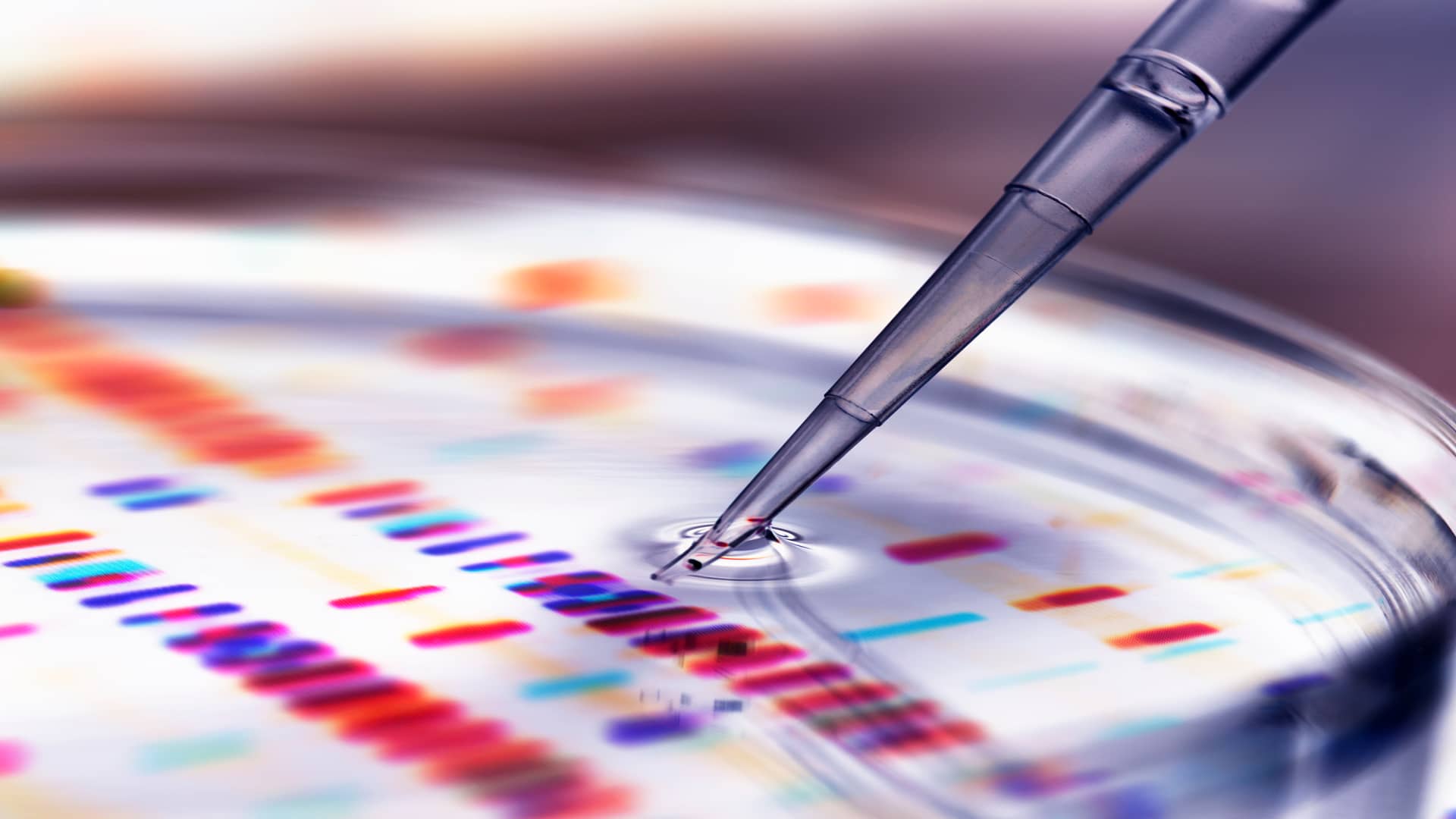
Scientists have published a new, more inclusive collection of reference human genome sequences, called pangenome reference, which includes genome sequences of 47 people from across the globe. The new reference map will help scientists to more accurately identify genetic variations related to disease and eventually develop more personalized care that is tailored to an individual's DNA. The pangenome uses advanced computational techniques to align all the genome sequences and fill in gaps left by the original reference by adding more than 100 million new DNA letters.