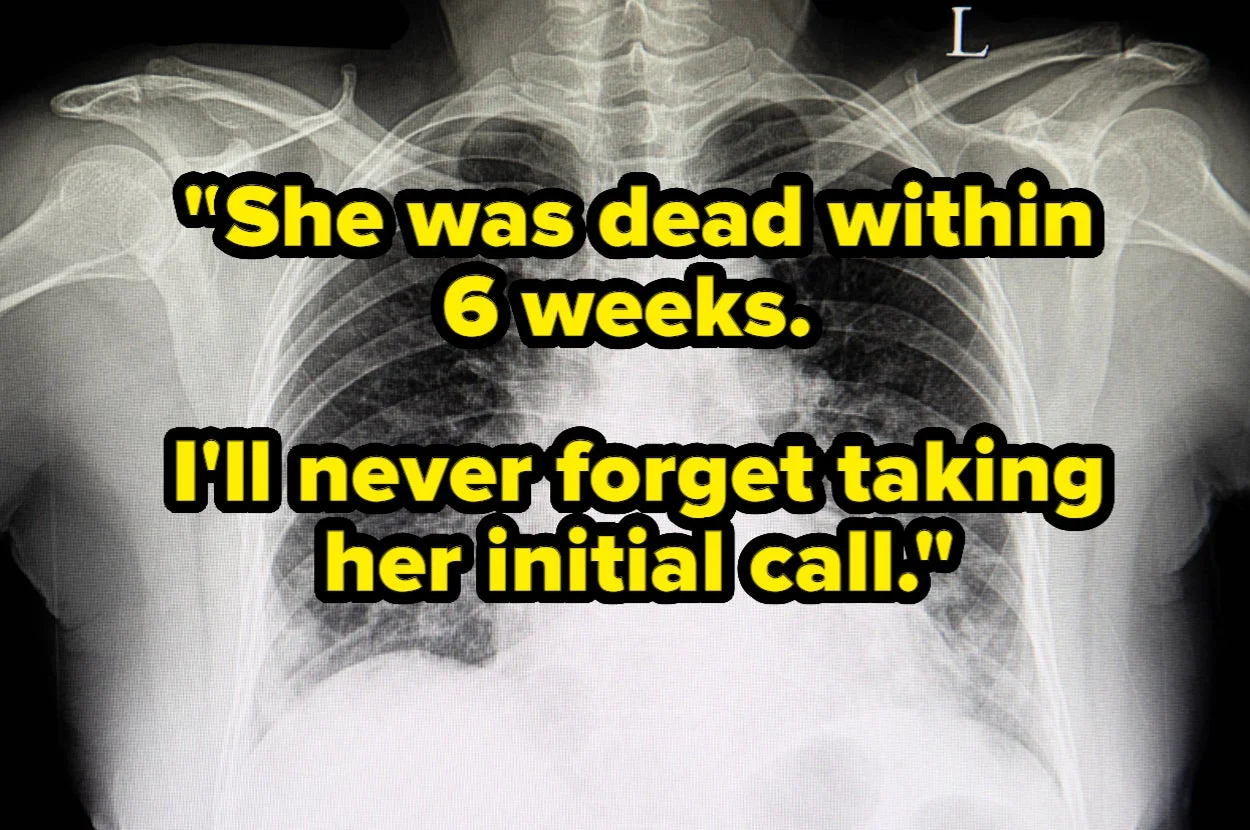
Medical professionals share stories of patients who accurately diagnosed their own serious conditions, such as a woman who sensed her impending death and was later found to have a ruptured aortic aneurysm, highlighting the importance of patient intuition and the challenges in emergency diagnosis.
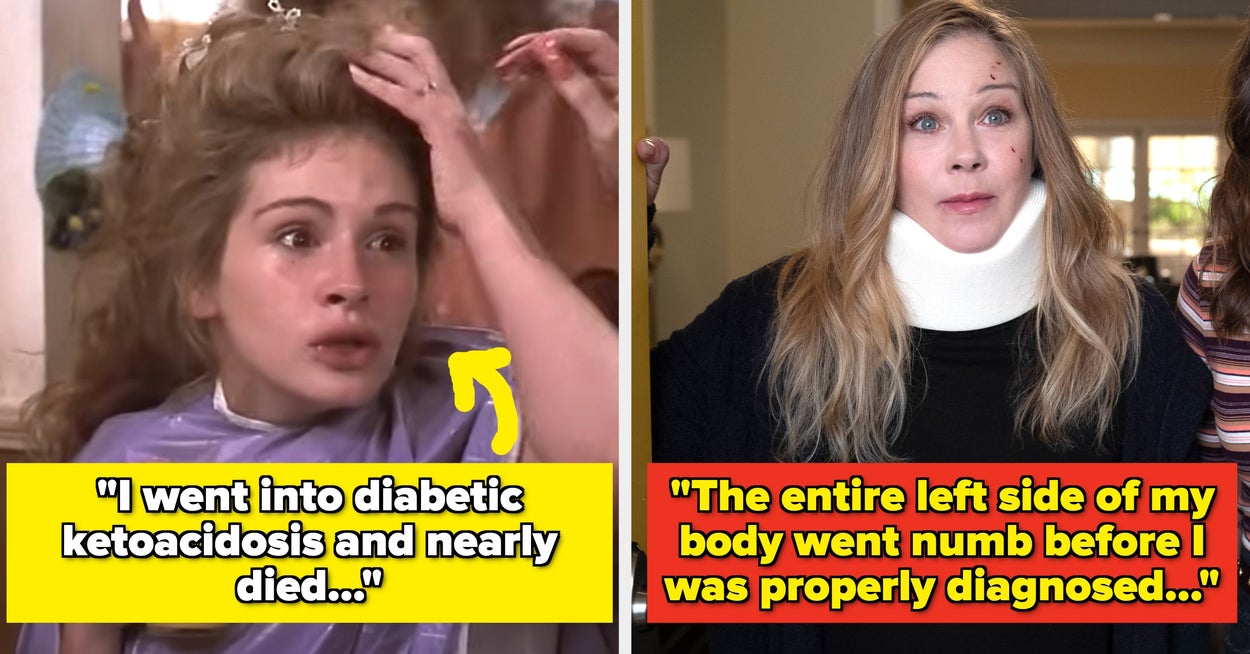
The article shares 17 emotional stories of individuals who faced misdiagnosis or dismissive treatment for chronic illnesses, highlighting the long and often dangerous journey to proper diagnosis and the importance of listening to patients' symptoms.
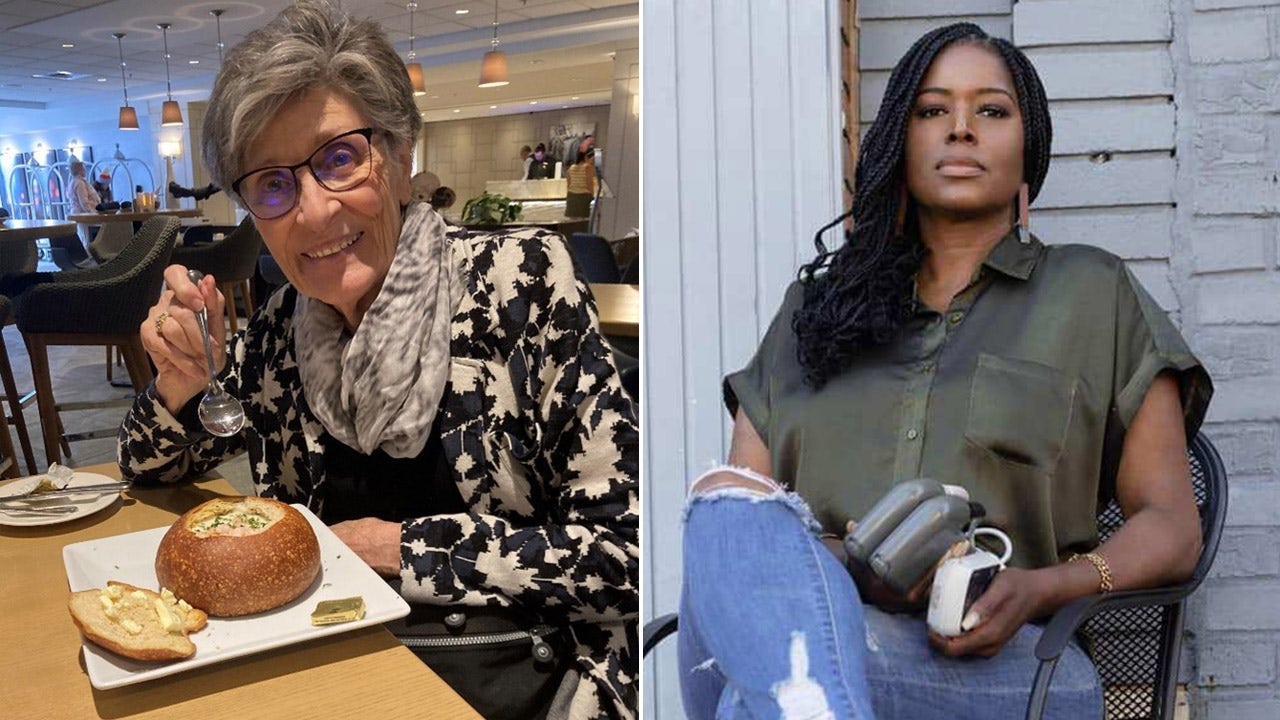
The article highlights the struggles of Americans like Janet Kerrigan and Aarolyn McCullough, who face exorbitant costs for essential medications, and discusses President Trump's efforts to lower drug prices through initiatives like Pfizer's Medicaid discounts and the upcoming 'TrumpRx' site, with critics arguing these measures may not go far enough.
Former coma patients share their intense experiences, including vivid nightmares, disorientation, and the long journey of regaining their physical and mental abilities, highlighting the profound impact of coma and ICU stays on their lives.
The article shares 18 personal stories from individuals who faced health insurance claim denials, highlighting the struggles and frustrations with the American healthcare system. These accounts, collected from the BuzzFeed Community, include cases of denied coverage for critical treatments, medications, and procedures, often leading to severe health consequences or financial burdens. The stories underscore the challenges many face with insurance companies prioritizing profits over patient care.
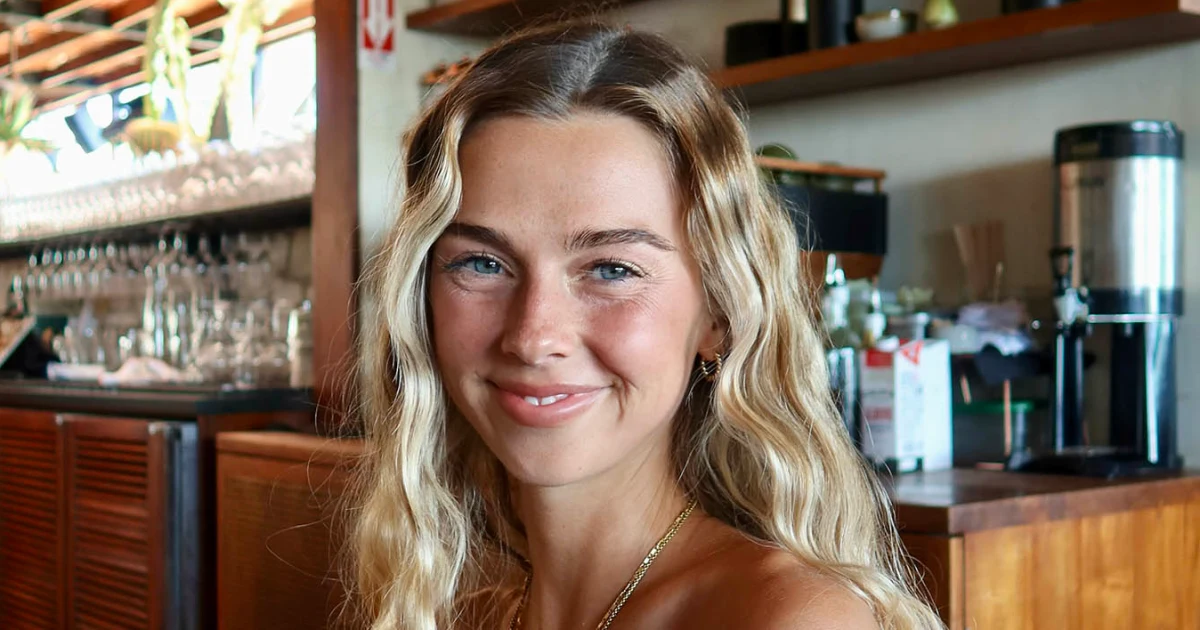
Sydney Towle, a 23-year-old from New York City, was diagnosed with bile duct cancer, a rare form of cancer typically found in older adults, after experiencing a burning sensation in her stomach and discovering a bump on her abdomen. Initially misdiagnosed as a hernia, further tests revealed the cancer, leading to chemotherapy and surgery. Despite initial success, the cancer returned, and Towle is now exploring further treatment options. She shares her journey on social media to connect with others and raise awareness about the importance of seeking medical attention for unusual symptoms.
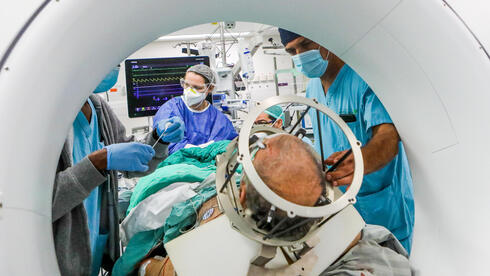
Epilepsy patients in Israel are finding new hope through brain surgery, which can remove the epileptic focus causing seizures. Despite the high success rate and low complication risk, many patients remain unaware or hesitant about the procedure. The surgery, which involves removing the part of the brain responsible for seizures, has helped patients like Avi, Shelly, and Alona lead seizure-free lives. With advancements in technology, such as 3D navigation systems and exoscopes, the surgery has become safer and more effective, offering a potential end to the debilitating effects of epilepsy.
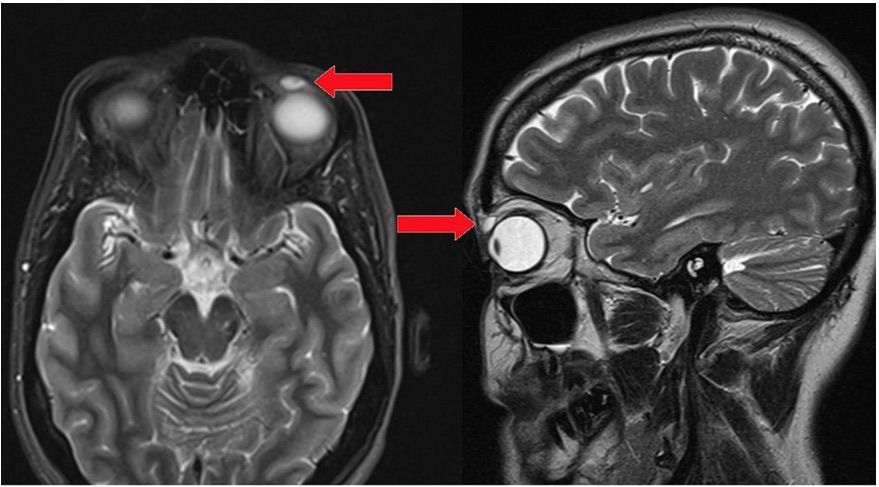
The article explores 32 unusual medical cases, detailing rare conditions and unique patient experiences, including a man with cement in his heart, a toddler with a fetus in her brain, and a student who can voluntarily change his pupil size. Some cases had successful treatments, while others were fatal, highlighting the complexities and mysteries of the human body.
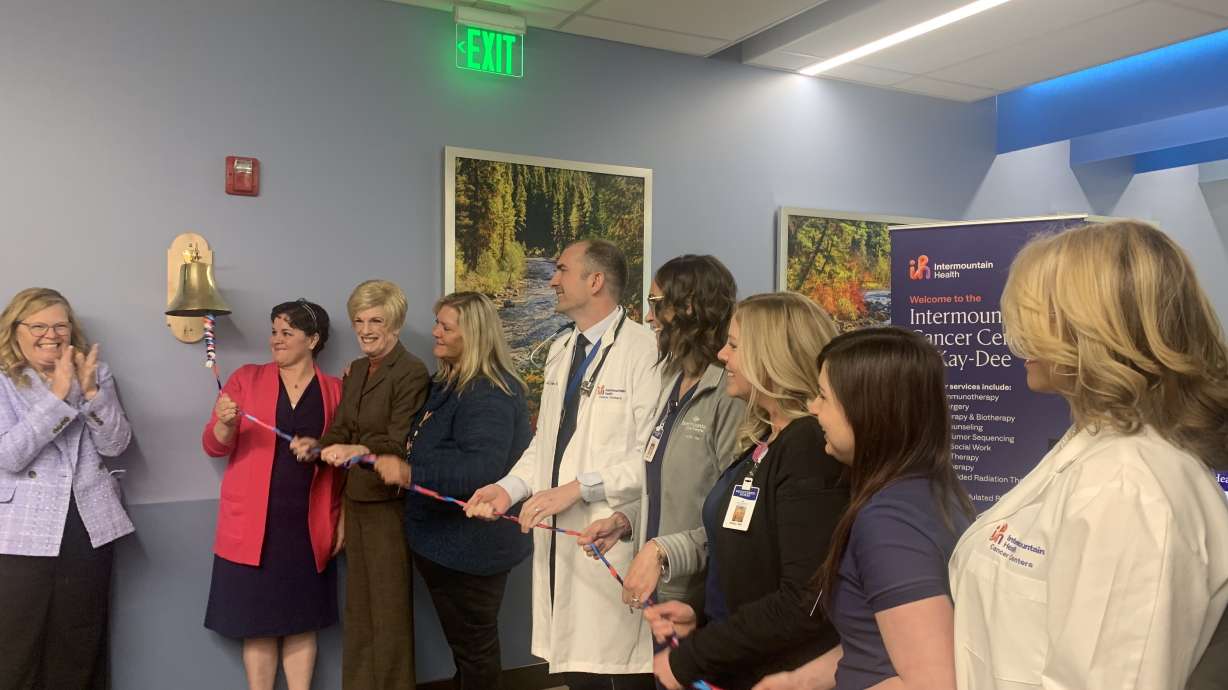
Patients and caregivers celebrated the grand reopening of the remodeled Intermountain Cancer Center at McKay-Dee Hospital in Ogden, Utah. The new center, which features comfortable chairs, artwork, and a healing environment, was made possible through $4 million in gifts and community donations. Patients shared their stories of hope and gratitude, emphasizing the importance of a supportive and empowering atmosphere during cancer treatment. The center aims to bring cancer care "close to home" and provide a space of healing and hope for patients undergoing treatment.
In the U.S., heart disease is often misdiagnosed in women, leading to delayed treatment and potentially life-threatening consequences. Two women, Carol Pollard and Tina Marie Marston, shared their experiences of advocating for their own health after being misdiagnosed with heart conditions. Experts emphasize the importance of women being their own advocates, seeking appropriate medical providers, and being aware of their individual risks for heart disease. Additionally, they stress the need for women to listen to their bodies, not ignore symptoms, and ask questions to ensure proper diagnosis and treatment.
Two women share their experiences of being diagnosed with cervical cancer in their 20s, emphasizing the importance of HPV vaccination and regular cervical cancer screenings. Both women downplayed symptoms before diagnosis, highlighting the need for increased awareness and education about cervical cancer. They advocate for HPV vaccination and routine screenings to prevent others from experiencing similar challenges. HPV is the primary cause of cervical cancer, and the HPV vaccine is highly effective in preventing infection. The World Health Organization aims to eliminate cervical cancer, emphasizing the importance of prioritizing women's health.
Living with long COVID presents a range of debilitating symptoms that can drastically alter one's lifestyle, as shared by three women with diverse backgrounds. Symptoms include extreme fatigue, heart issues, brain fog, and PTSD, among others. Despite the challenges, these individuals find strength in support systems and medical care, although the path to recovery remains uncertain. Preventative measures like vaccination, masking, and early treatment with antivirals like Paxlovid are recommended to reduce the risk of developing long COVID. Resources such as support groups, books, apps, and research studies offer additional help for those affected.
Two patients who participated in the clinical trials for the newly approved Alzheimer's drug, Leqembi, have shared their experiences with the medication. Joan Murtaugh, who has been receiving the drug since 2020, has seen gradual progress and maintained her daily activities without worsening symptoms. John Domeck, diagnosed with Alzheimer's at a young age, has been on the drug for four years and has experienced minimal cognitive decline. While Leqembi is not a cure, it offers hope for Alzheimer's patients by targeting the underlying disease. The drug is covered by Medicare and is most effective when combined with other treatments.