Tag

Parthenogenesis

All articles tagged with #parthenogenesis

science1 year ago

"Study Finds Evolution Repeats with Reemergence of Lost Traits"

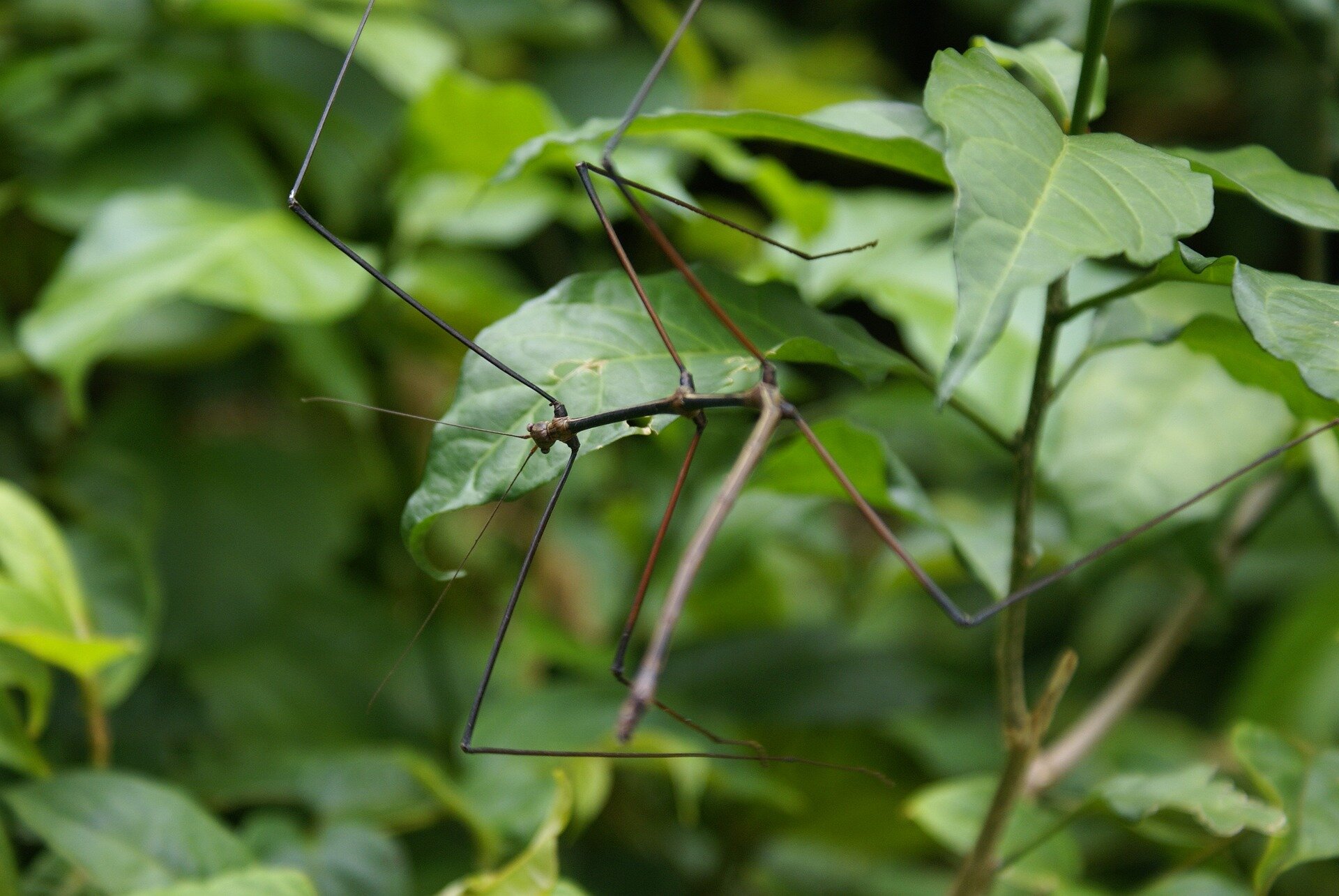
Recent research on stick insects reveals that genes related to lost traits can be preserved due to their involvement in multiple biological processes, allowing for the potential re-emergence of these traits over evolutionary time. This study, focusing on the production of males in parthenogenetic stick insects, highlights the role of pleiotropy and gene network connectivity in preserving these genes, offering new insights into evolutionary biology and the persistence of genetic architecture after trait loss.

science1 year ago

"Male Genes Persist in Stick Insects Despite Absence of Males, Study Finds"

A study published in Genome Biology and Evolution reveals that male-related genes in stick insects are preserved even after the loss of males in parthenogenetic species. Researchers found that these genes, which are involved in multiple biological processes, show no signs of degradation and may play roles in female reproduction, suggesting pleiotropy as a key factor in their preservation. This discovery opens new avenues for understanding genetic architecture persistence and the potential re-emergence of lost traits.

science1 year ago

"Pregnant Stingray at North Carolina Aquarium Raises Questions of Immaculate Conception"

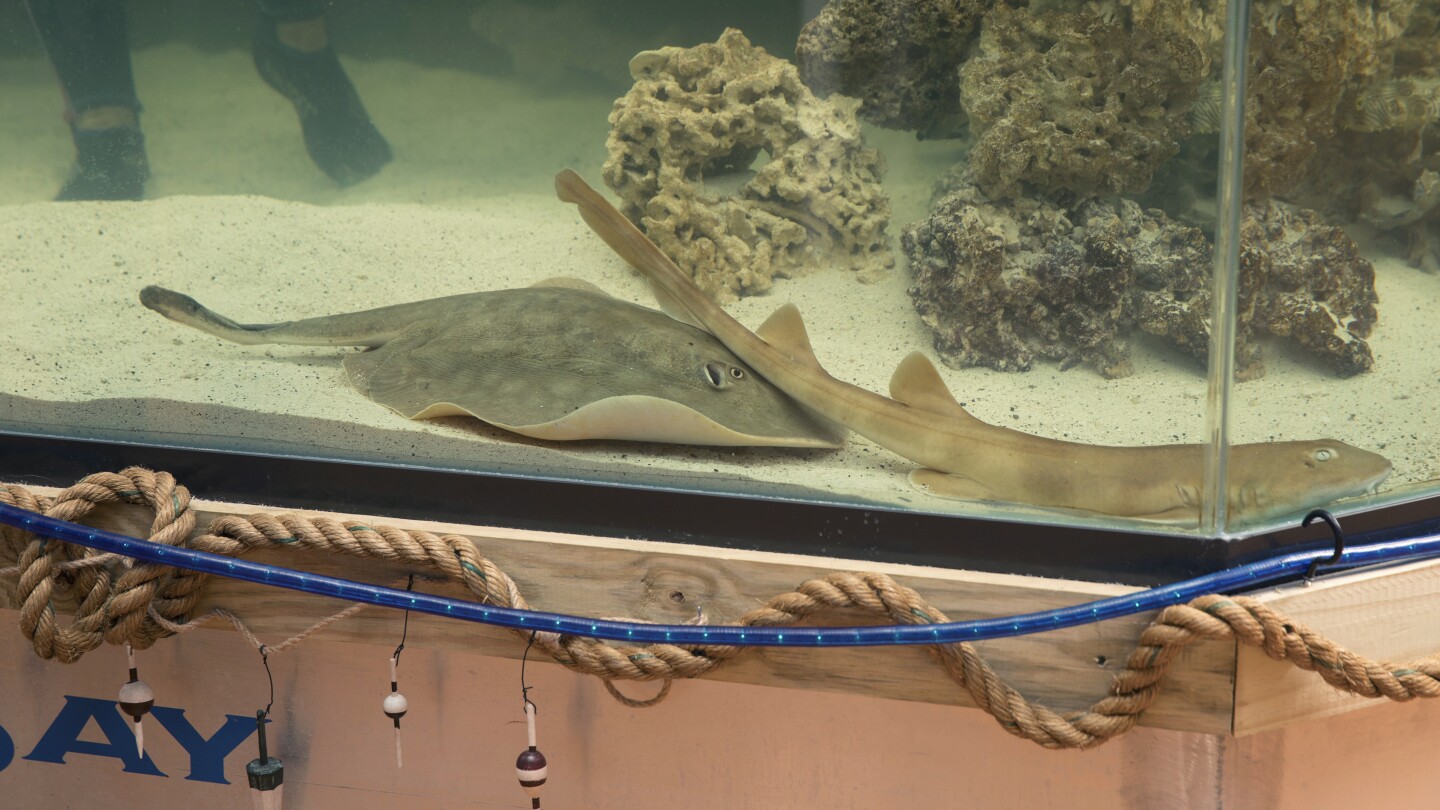
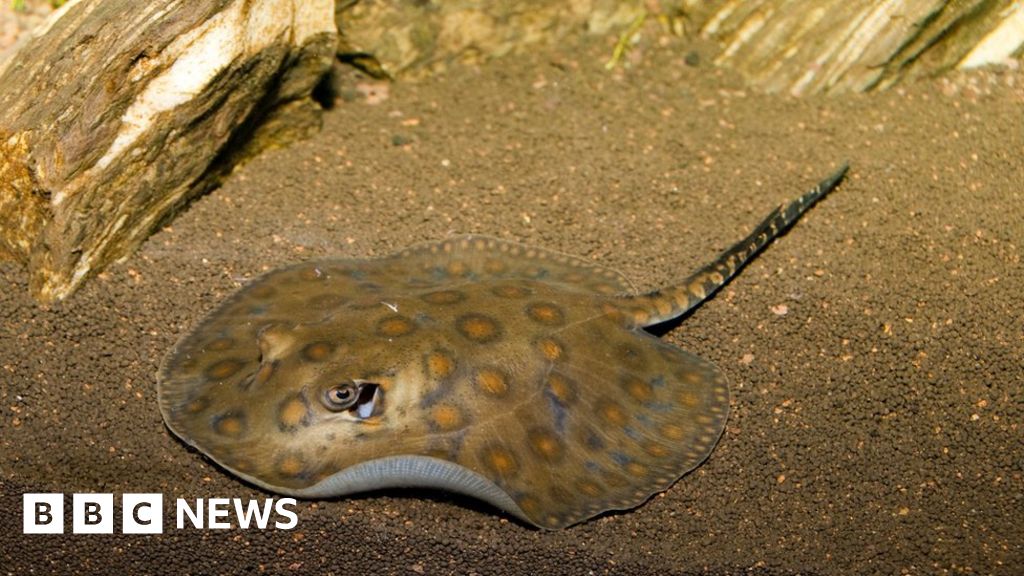
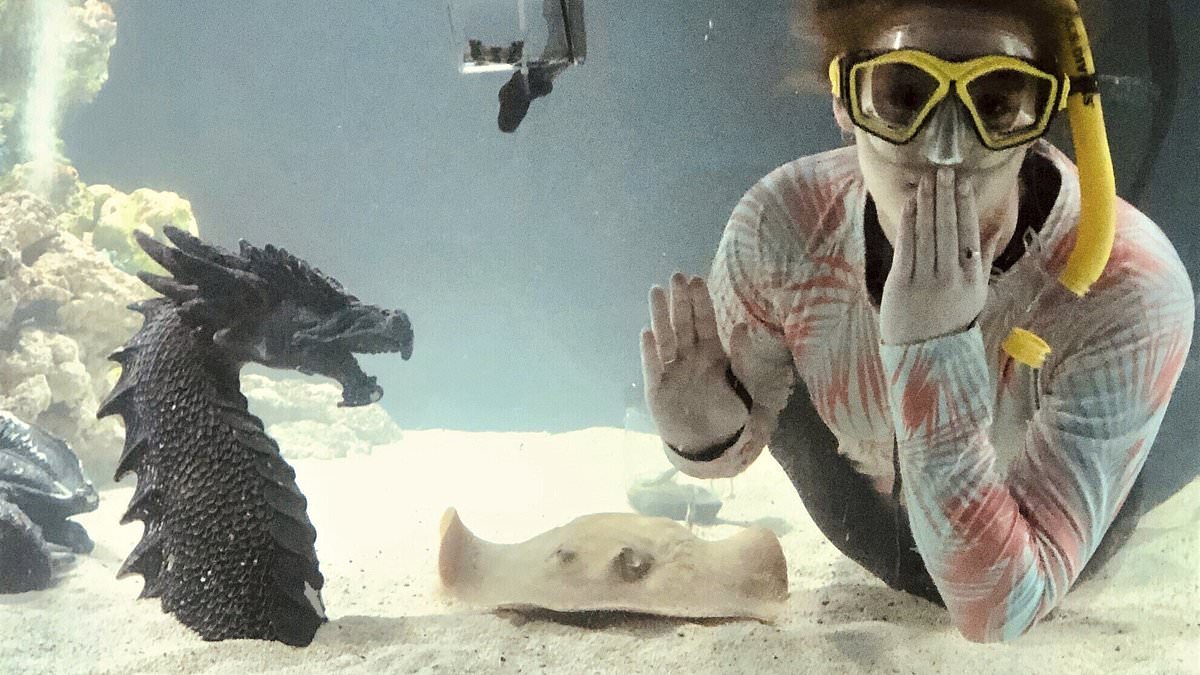
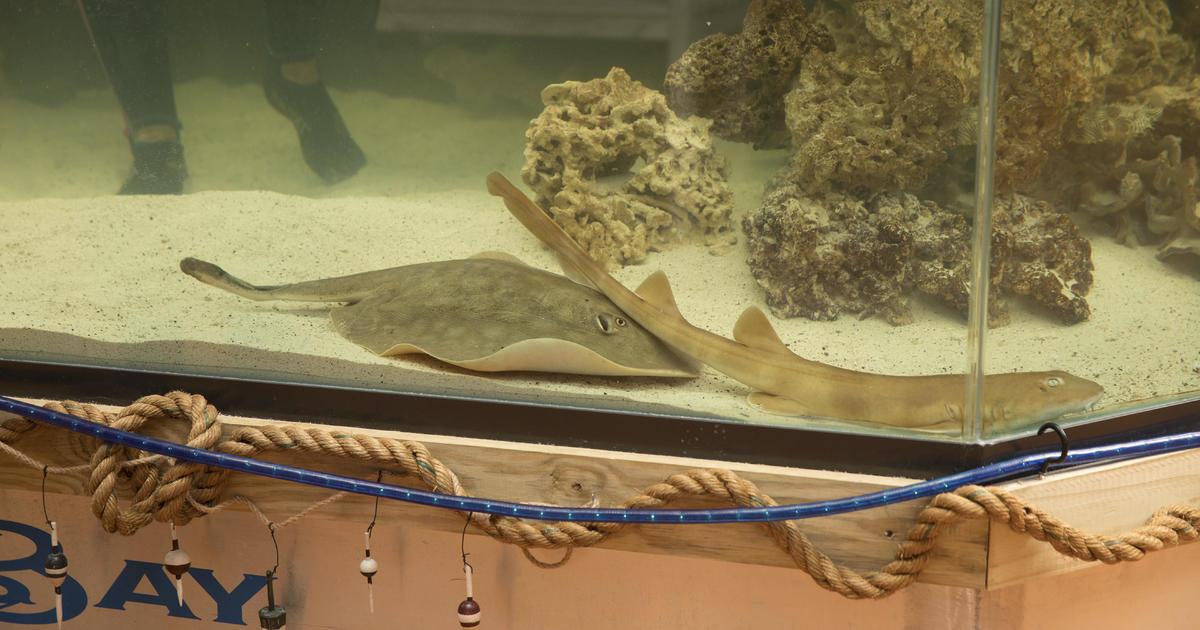
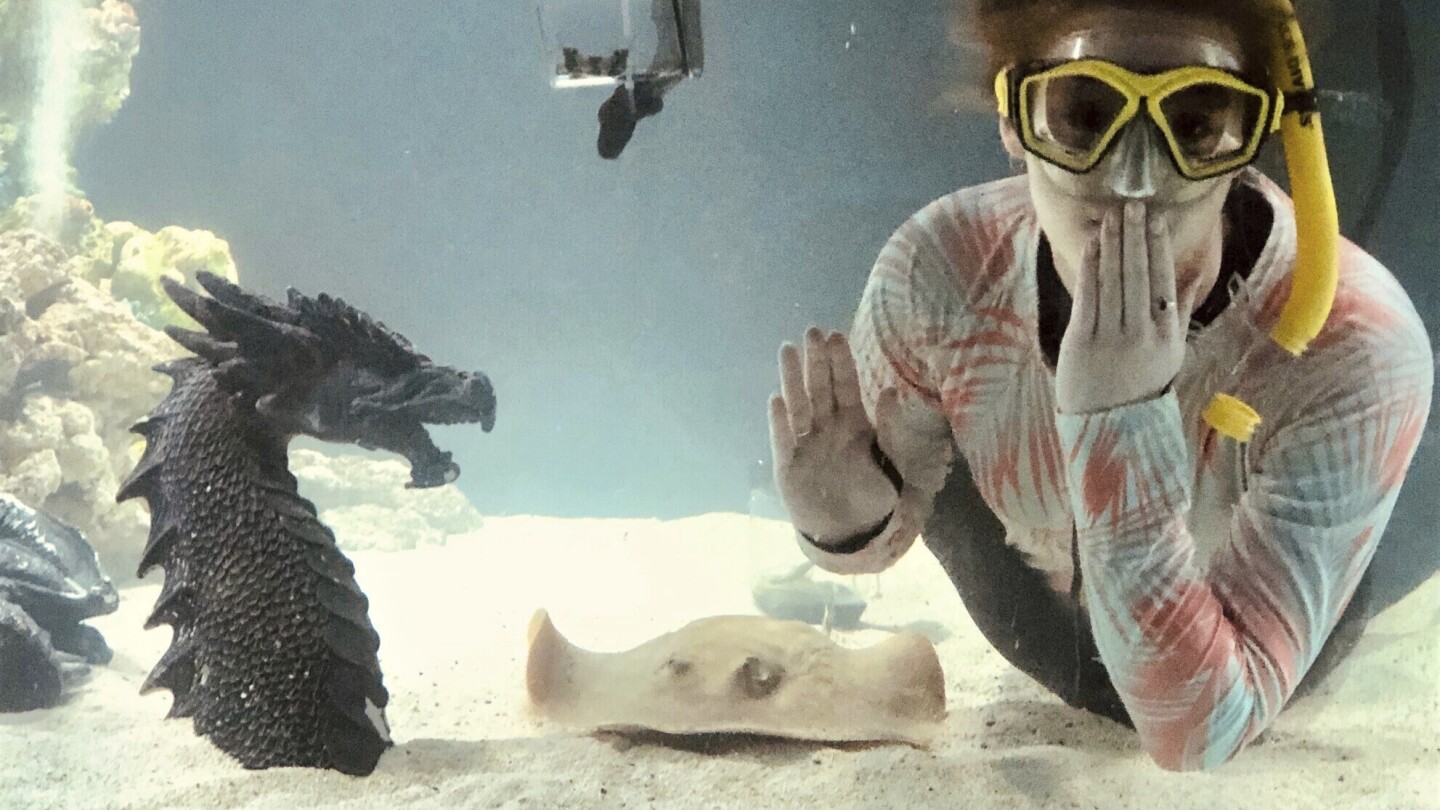
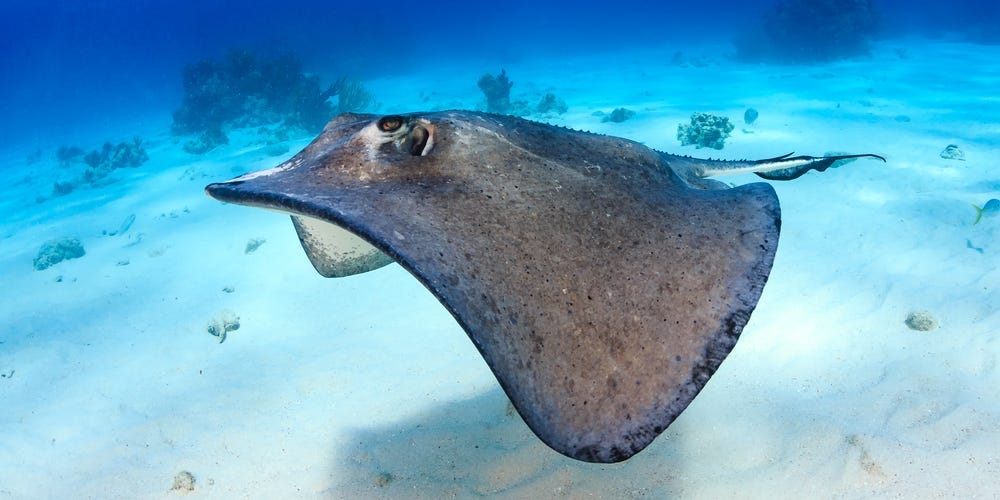
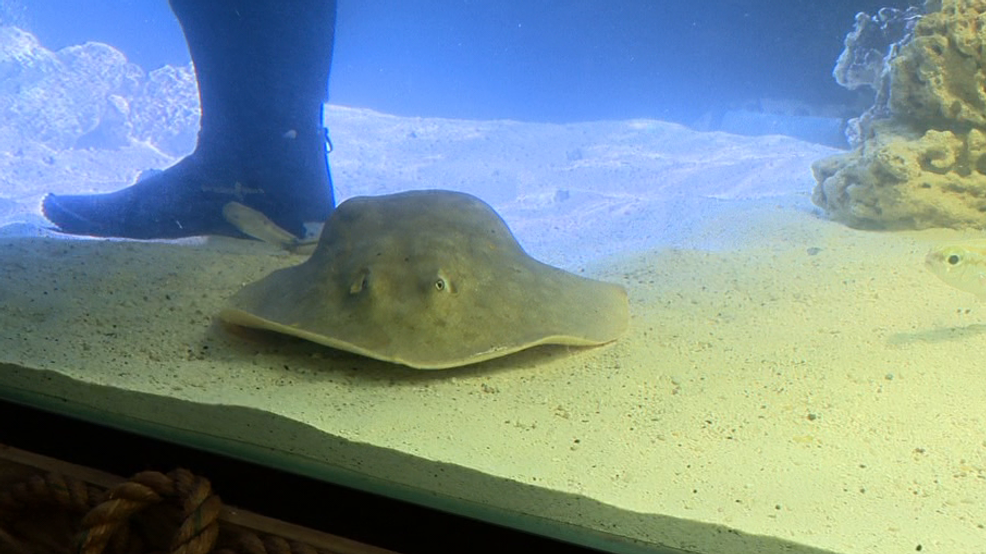
Charlotte, a stingray in a North Carolina aquarium, is pregnant despite not having been with a male for at least eight years. The pregnancy is likely due to parthenogenesis, a form of asexual reproduction where a female egg is fertilized without the sperm from a male. This phenomenon has been observed in some species like insects, reptiles, and fish. Charlotte could give birth to as many as four young in the next two weeks, and this is the only documented example of this species reproducing in this manner.

science1 year ago

"Pregnant Stingray's Asexual Reproduction Mystery Solved by Scientists"

Charlotte the stingray, living alone in a tank at an aquarium in North Carolina, is pregnant despite not sharing a tank with a male for at least eight years. Experts believe she went through parthenogenesis, a rare form of asexual reproduction. This phenomenon is extremely rare in nature, but has been observed in other species. The pregnancy has garnered global interest, and Charlotte is expected to give birth to up to four pups. In a separate study, National Geographic explorers have tagged monstrous stingrays in the wild, revealing new insights into the critically endangered species.

nature1 year ago

"Pregnant Stingray: The Mystery of Immaculate Conception by a Shark"

A stingray named Charlotte at a North Carolina aquarium is pregnant despite not being around a male ray for 8 years. Speculation arose about the father of her pups after she was found covered in shark bites, leading to viral commentary suggesting a shark may be the father. However, experts say this is not possible due to anatomical and genetic differences. Instead, the aquarium believes Charlotte's pregnancy is a rare case of parthenogenesis, a process where smaller cells separate from the mother's eggs and merge to create offspring. Charlotte is due within two weeks, and her caretakers are excited about the unique situation.

nature1 year ago

"Pregnant Stingray in Mountain Aquarium Sparks Mystery Over Possible Shark Impregnation"

Charlotte, a stingray living in a mountain aquarium in North Carolina, is pregnant despite not having been with a male for at least eight years. The pregnancy is a result of parthenogenesis, a type of asexual reproduction, and she could give birth to as many as four pups in the next two weeks. This phenomenon is rare and has only been documented in a few species, making it a unique and fascinating event for the aquarium and the scientific community.

nature1 year ago

"Pregnant Stingray Charlotte Defies Odds in Male-Free Aquarium"

Charlotte, a stingray living in a mountain aquarium in North Carolina, is pregnant despite not having a male companion for at least eight years. The aquarium's owner believes she could give birth to as many as four pups through parthenogenesis, a type of asexual reproduction. This rare phenomenon has surprised experts, as it is the only documented example for this species. The nonprofit running the aquarium is preparing for the arrival of the pups by seeking a larger tank and live cameras for public viewing.

pets-and-animals1 year ago

"Pregnant Stingray Gives Birth at NC Aquarium, Impregnated by Shark?"

Charlotte, a stingray at a North Carolina aquarium, is about to give birth despite not being around any male stingrays. The possible explanations for her pregnancy include mating with sharks or a rare process called parthenogenesis, where eggs develop without fertilization. The aquarium is expecting the birth of potentially four pups, which will provide an opportunity for DNA testing to determine their origin.

science1 year ago

"Male Shark Suspected in Mysterious Stingray Pregnancy"

Scientists at an aquarium in North Carolina are puzzled by a pregnant stingray in a tank without a male. Theories include parthenogenesis, a process where a female can produce an embryo asexually, and the possibility of mating with male sharks sharing the tank. The stingray is due to give birth soon, and updates will be posted on the aquarium's website and Facebook page.

odd-news1 year ago

"Unexplained Stingray Pregnancy Baffles Aquarium Staff"

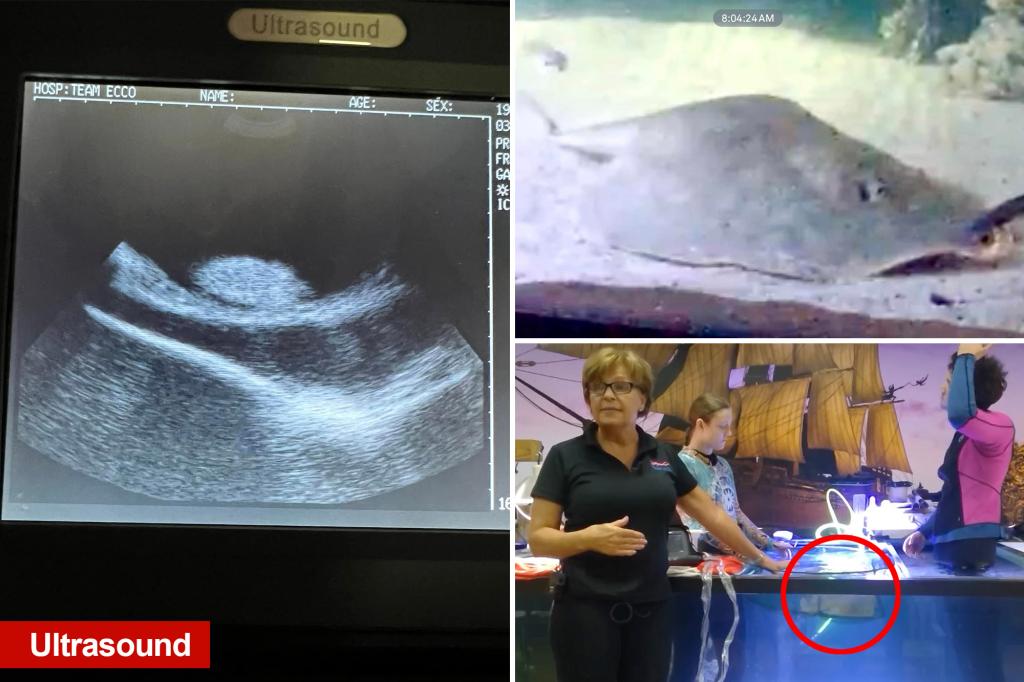
A stingray named Charlotte at the Aquarium and Shark Lab by Team ECCO in North Carolina is mysteriously pregnant despite there being no male stingrays in the tank. The aquarium suspects that Charlotte may have undergone parthenogenesis, a rare process where eggs develop without fertilization, or she may have mated with one of the young male sharks added to the tank in mid-July. The expectant mother is carrying up to four pups, and DNA testing will be conducted to solve the miraculous mystery. Updates on Charlotte's pregnancy will be posted on Team ECCO's website and Facebook page.

science-and-nature1 year ago

"Unprecedented: Stingray's Immaculate Conception by Shark"

The Aquarium and Shark Lab by Team ECCO in Hendersonville is eagerly anticipating the birth of Charlotte, a female stingray who is unexpectedly pregnant despite having no mate. The staff are unsure whether Charlotte's pregnancy is due to parthenogenesis, a rare process where eggs develop without fertilization, or if she mated with a male shark placed in her tank. Charlotte is expected to deliver up to four pups, and DNA testing will be conducted to determine their parentage. The aquarium is preparing for the potential arrival of "partho babies" or a mixed breed, and updates will be posted on Team ECCO's website and Facebook page.

biology2 years ago

"Controversy Surrounds Asexual Insect's Alleged Sexual Encounter!"

Stick insects in the genus Timema, known for their asexual reproduction, have been found to occasionally engage in sexual reproduction, challenging the assumption that they are completely asexual. Researchers studying four asexual Timema species discovered that these insects have managed to maintain their populations without sex for millions of years, but occasionally introduce genetic diversity through rare instances of sexual reproduction. Asexual reproduction offers advantages such as ease of reproduction and resilience after environmental disturbances, but the ability to occasionally have sex allows for genetic rejuvenation. This finding highlights the complexity of biological categorizations and the need for comprehensive evaluation before concluding an organism's reproductive strategy.

science2 years ago

"Breakthrough in Understanding the Enigma of Virgin Births: Scientists Make Significant Progress"

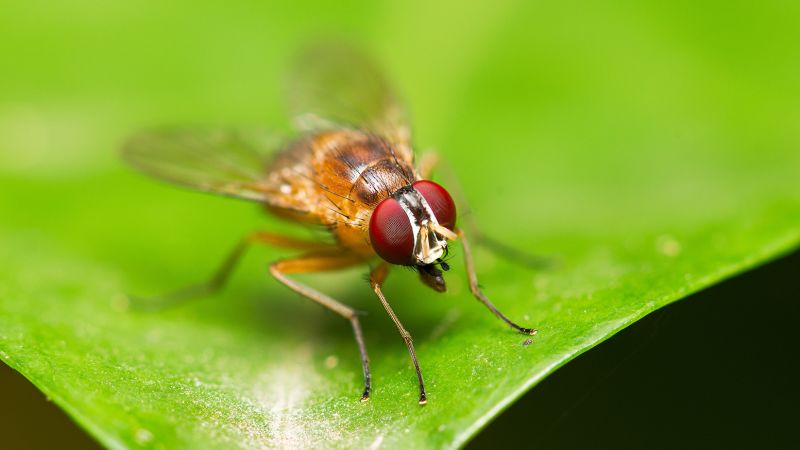
Scientists have achieved a major breakthrough by using gene editing to induce virgin birth in fruit flies, shedding light on the phenomenon of parthenogenesis. While virgin births occur naturally in some animal species and have been induced in others, this is the first time specific genes have been isolated to make parthenogenesis a lasting and inheritable trait in an organism not naturally capable of it. The research provides valuable insights into reproduction across the animal kingdom and may have implications for various fields of study. However, the study does not suggest the possibility of virgin births in humans due to genetic diversity requirements.

science2 years ago

Unraveling the Mystery of Asexual Animal Reproduction: Insights from Fruit Flies and Genetic Engineering

Scientists have successfully induced virgin birth, or parthenogenesis, in fruit flies by altering three genes, providing a genetic basis for this phenomenon. The genetically modified fruit flies were able to pass down their ability to reproduce without mating to subsequent generations. Virgin birth is thought to occur as a survival strategy when a species faces unfavorable conditions, such as a lack of mates. The findings have implications for food security, as virgin births may be becoming more common among crop pests. Modern agricultural practices, including the use of pesticides and homogeneous crops, could be contributing to this phenomenon.