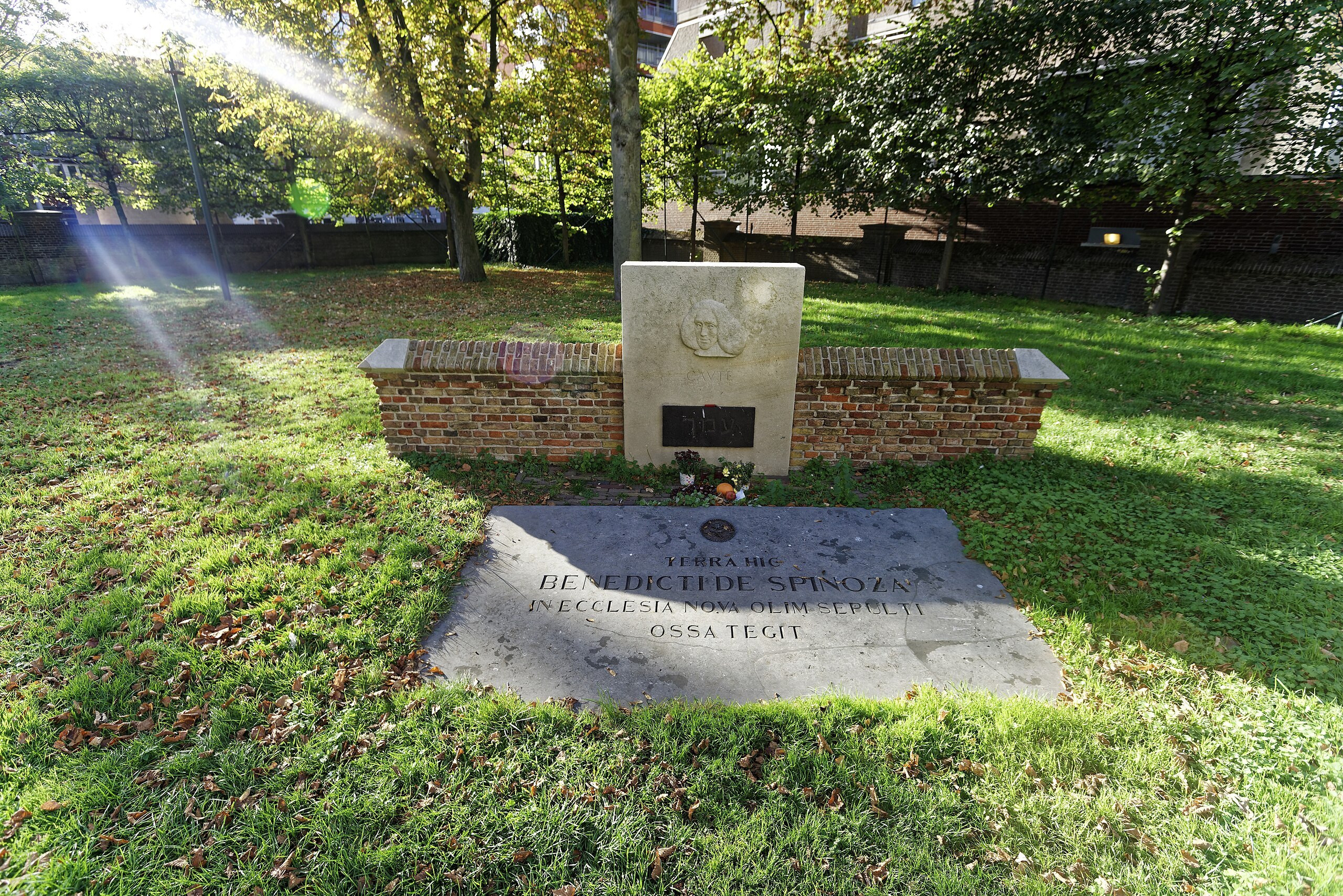
The 2023 Dutch elections resulted in a fragmented parliament with a rise in right-wing parties and significant social unrest, highlighting deep polarization over immigration, foreign policy, and national identity, while the legacy of philosopher Spinoza symbolizes a hope for tolerance in the country's future.
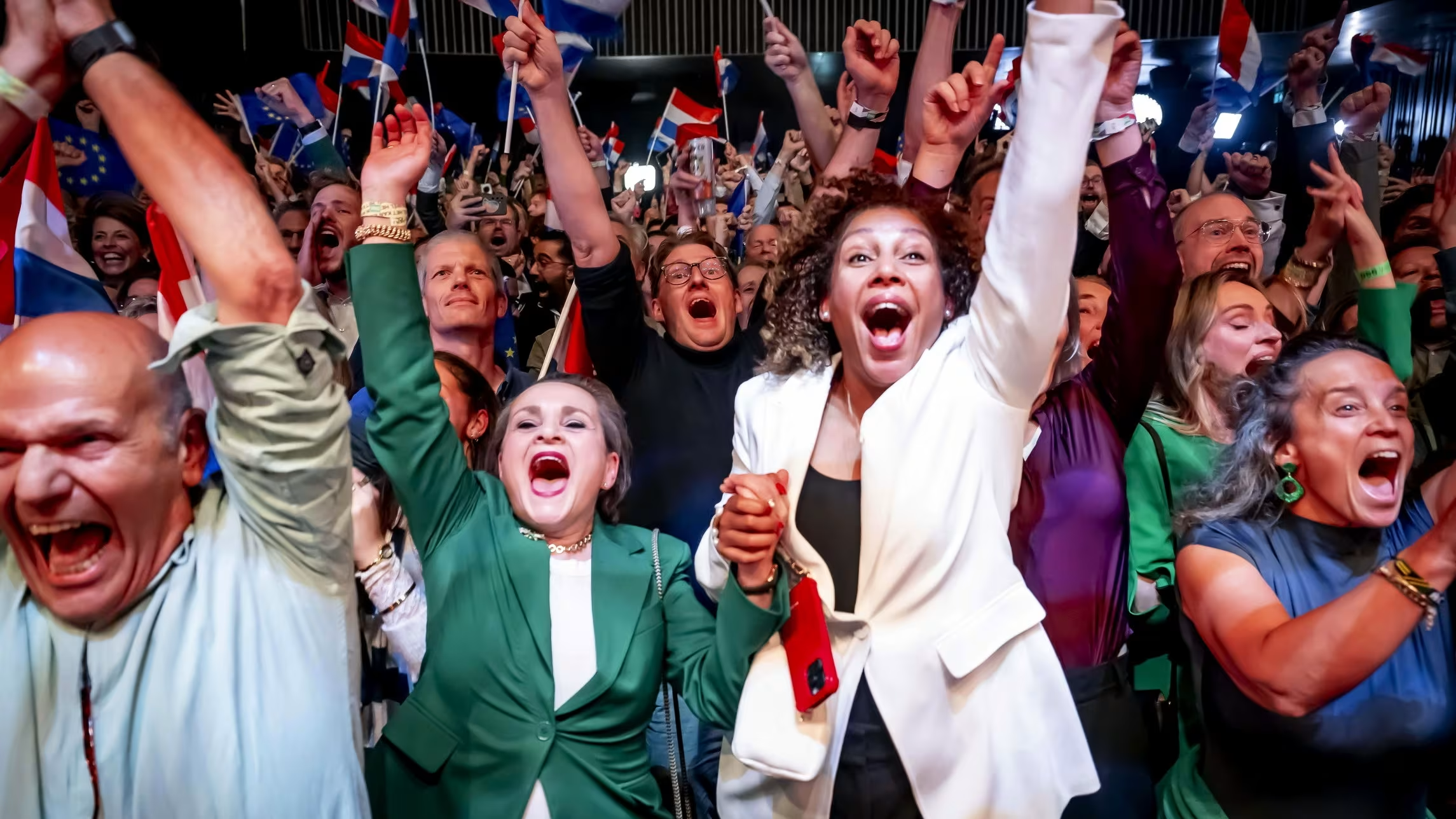
An exit poll suggests that the Liberal D66 party is set to win the Dutch parliamentary elections, indicating a potential shift in the country's political landscape.
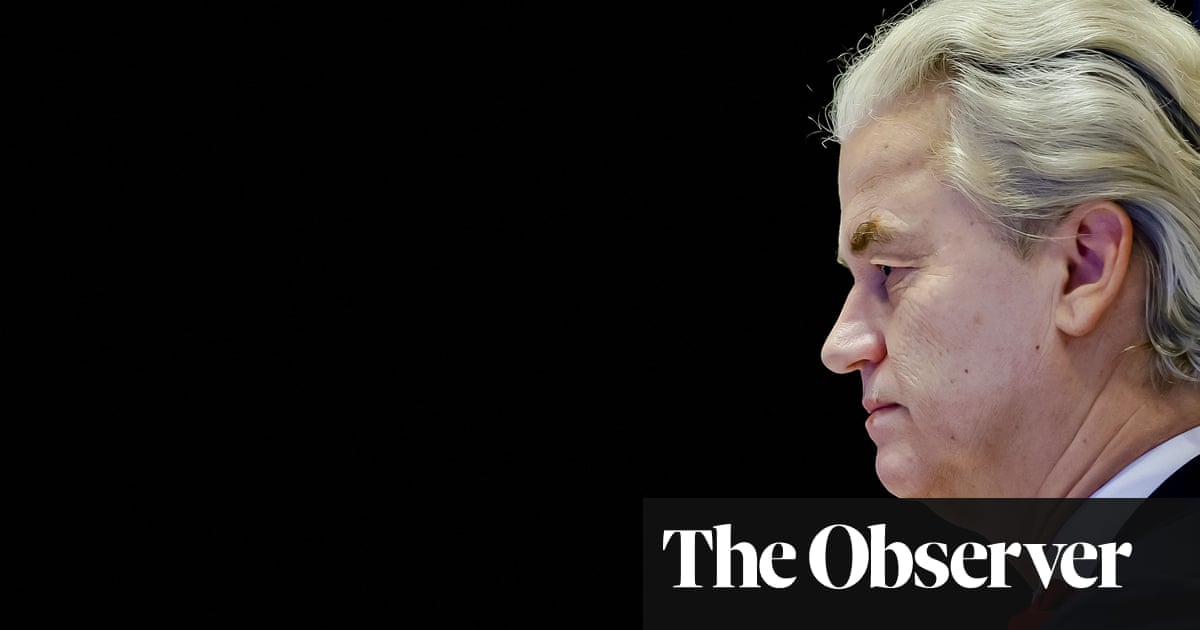
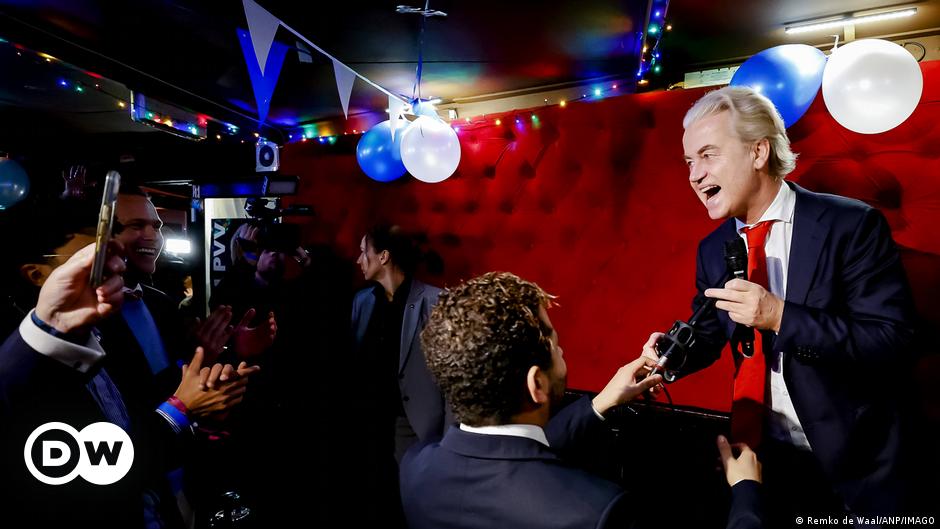
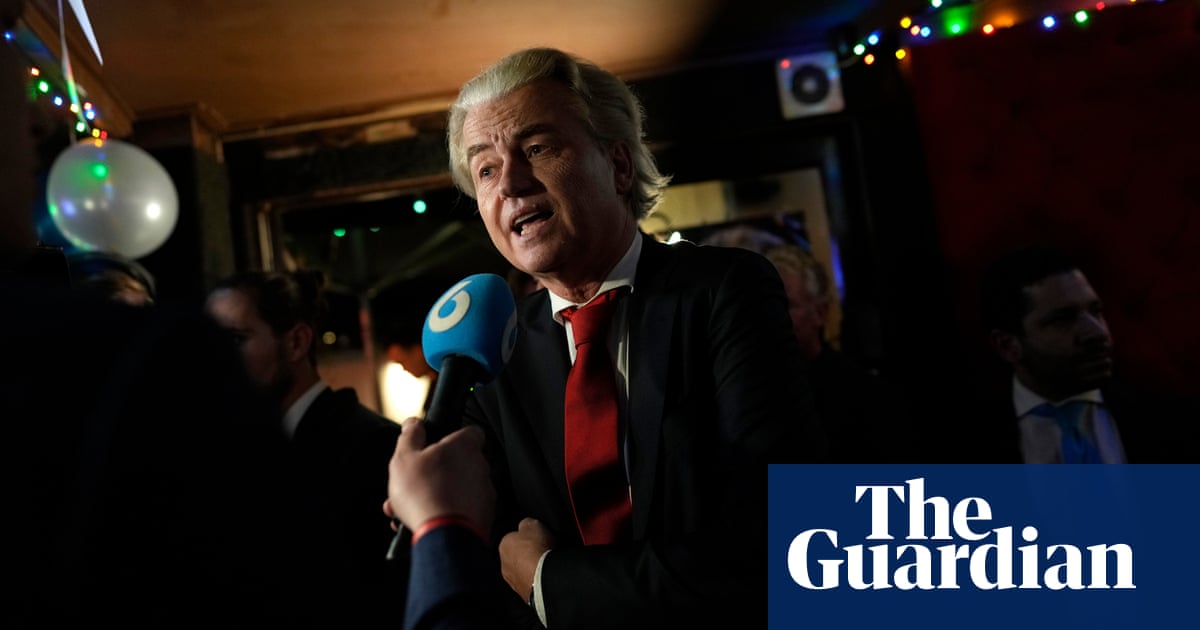
Geert Wilders, a far-right politician known as the "Dutch Trump," has gained significant support in the recent Dutch elections by capitalizing on concerns about immigration, housing, and government mistrust. Wilders' Party for Freedom (PVV) won 18.6% of the votes, shocking the nation with his largest share ever. The Netherlands has seen a consistent presence of far-right parties over the past two decades, reflecting a sense of dissatisfaction among voters who feel neglected and believe the established order has made a mess of things. While Wilders may have won the most seats and been invited to form a coalition, the outcome of the horse-trading is uncertain, and it could take months to establish a government.
Geert Wilders' far-right Party for Freedom (PVV) emerged as the winner in the Dutch national elections, securing the most seats in parliament. While it is uncertain if Wilders will end up in the government due to the need for multi-party coalitions, a right-wing coalition with PVV, the center-right VVD party, and the newcomer centrist New Social Contract (NSC) party is possible. Wilders' platform includes policies such as a "Nexit" referendum, banning mosques and Islamic schools, and ending asylum for refugees. The rise of far-right parties in Europe, including Wilders' victory, may serve as a bellwether for sentiments in Western Europe ahead of the EU-wide elections next year.
Russian state television anchor praises the victory of Dutch far-right leader Geert Wilders in the Netherlands' elections, highlighting his anti-Islam, anti-immigration, and anti-European Union platform that aligns with Russia's interests in its war on Ukraine. Wilders' win is seen as a setback for Ukraine, as he supports ending Dutch military aid to the country. The Kremlin-backed media outlet Sputnik attributes Europe's rightward political shift to sanctions on Russia and an influx of Ukrainian refugees. Wilders' party, the Freedom Party (PVV), won the most seats in the Dutch Parliament, and his connections to Russia have been scrutinized in the past. Dutch-Russian relations have been strained since the downing of Malaysian Airlines flight MH17 in 2014.
Geert Wilders' far-right Party for Freedom (PVV) is projected to win the most seats in the Dutch parliament, according to exit polls. The PVV's manifesto includes calls for bans on mosques, the Qur'an, and Islamic headscarves in government buildings. However, it remains uncertain if Wilders can form a coalition with a working parliamentary majority. Other major Dutch parties have stated they would not serve in a PVV-led cabinet. The outcome of the election could lead to a constitutional stalemate and have significant implications for immigration and climate policies, as well as relations with European partners.
According to exit polls, a far-right leader is expected to come first in the Dutch elections, marking a significant political development in the Netherlands.
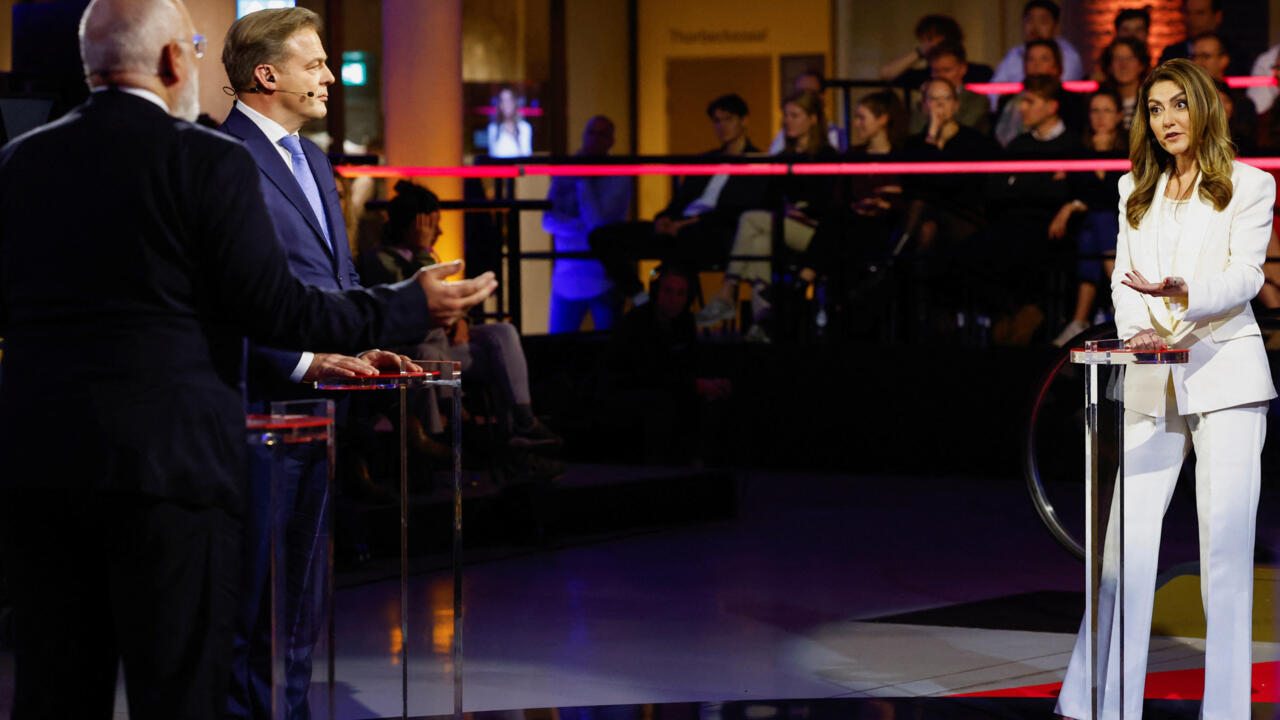
Dutch voters are heading to the polls in a closely contested election that could potentially see the country's first woman prime minister. The four top candidates, including Dilan Yesilgoz, leader of the centre-right VVD party, Geert Wilders of the PVV party, Pieter Omtzigt of the New Social Contract (NSC) party, and Frans Timmermans of the Green/Labour party, are all vying for the top job. The election is expected to shape the country's political landscape after Mark Rutte's 13-year tenure as prime minister. Immigration, cost-of-living, and the housing crisis are among the main election topics. The formation of a coalition government is likely to be challenging due to the fragmented political system.
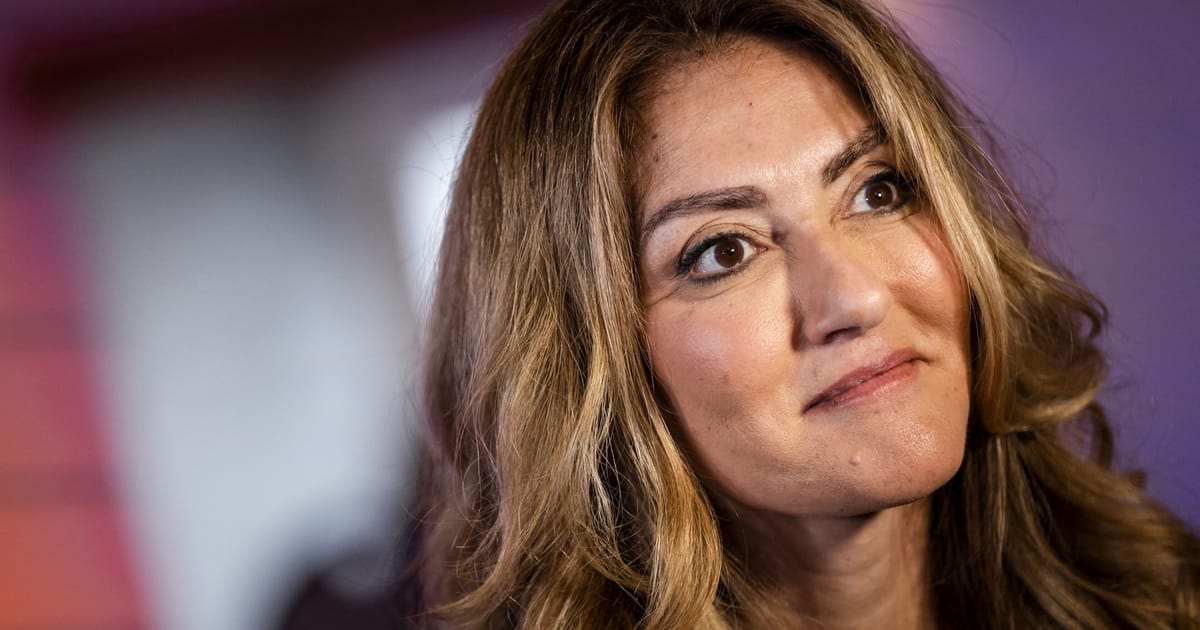
Dilan Yeşilgöz, a former refugee and the leader of the VVD party, is leading the polls ahead of the Dutch elections and could become the first female prime minister in Dutch history. Her platform focuses on cracking down on migration, drawing from her own background as a refugee. Despite facing tough competition, Yeşilgöz's strong communication skills and tough negotiating abilities have positioned her as a potential premier. She emphasizes the importance of the Netherlands playing a positive role in the EU and maintaining clear financial agreements.
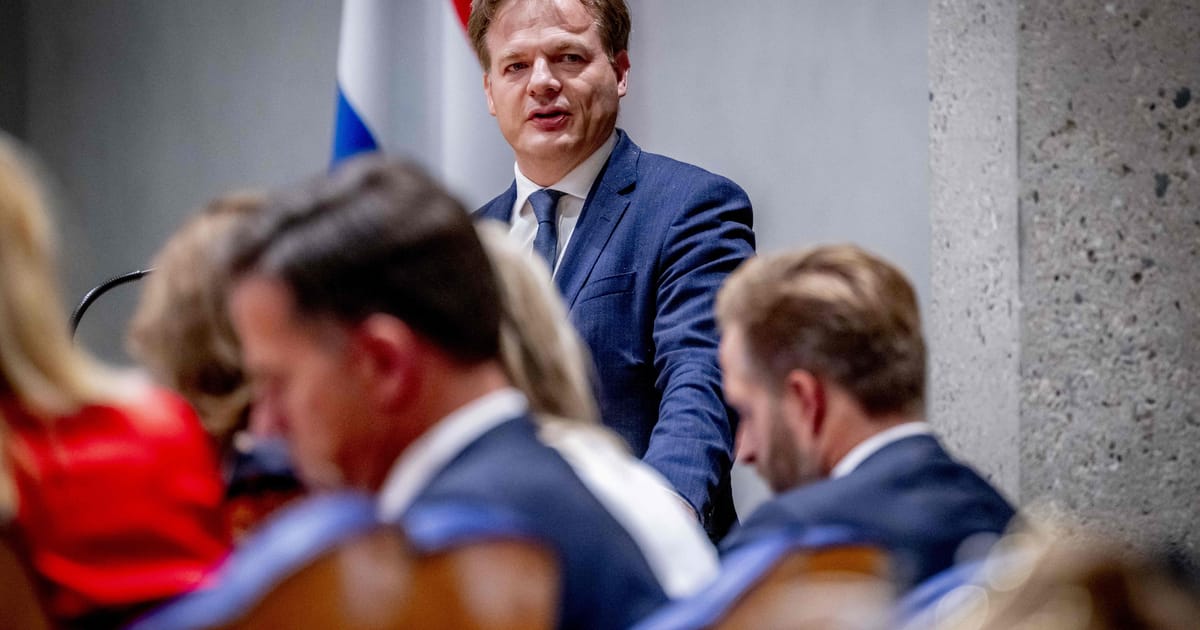
Pieter Omtzigt, the leader of the New Social Contract (NSC) party, is currently leading the polls in the upcoming Dutch elections but has expressed reluctance to become the next prime minister. Omtzigt gained popularity for his role in uncovering a child benefits scandal that brought down the previous government. He has been vague about his intentions, leaving open the possibility of supporting someone else for the top job. Omtzigt's party advocates for political reform, including the introduction of a constitutional court and electoral reform. Despite his reticence, Omtzigt's popularity reflects a desire for change among voters who are seeking a fresh start after years of coalition governments led by Mark Rutte.
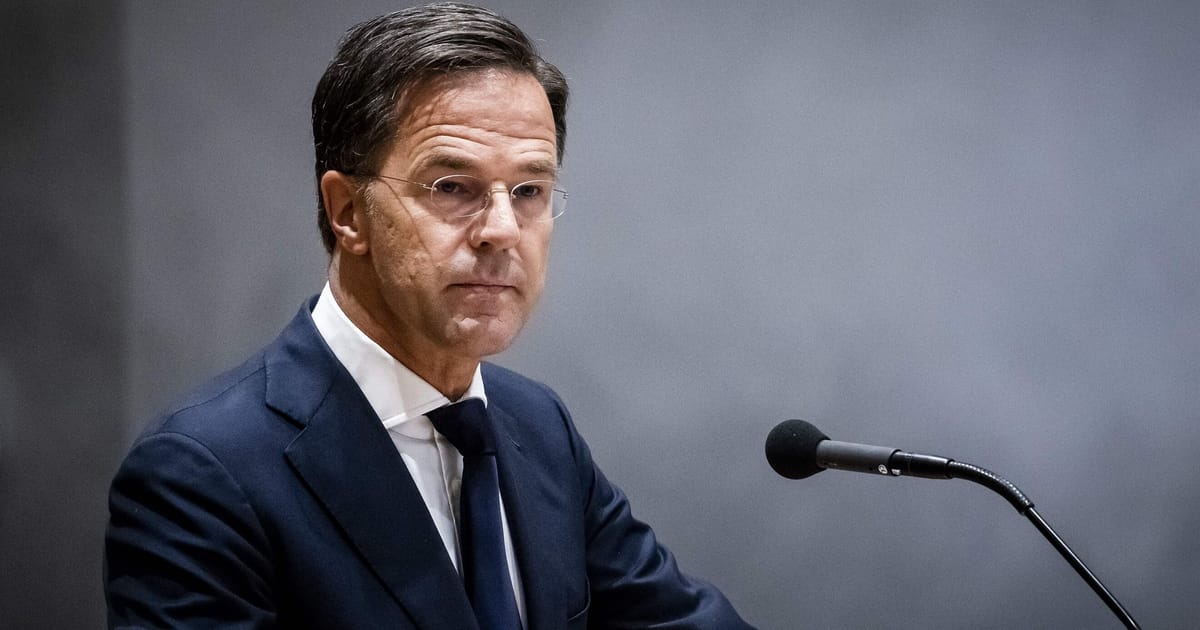
After 13 years as the Netherlands' longest-serving prime minister, Mark Rutte has announced his retirement from politics following his government's collapse. Rutte, known as "Teflon Mark" for his ability to navigate political crises, will remain as caretaker prime minister until the general election in November. However, his popularity has declined due to controversies and a loss of trust in politics. Rutte's coalition partners have criticized his approach, and polls show that his party, the VVD, is expected to become the largest again. The main rival in the upcoming election is a farmers' protest party, while the Labour PVDA and GreenLeft parties have announced a merger.
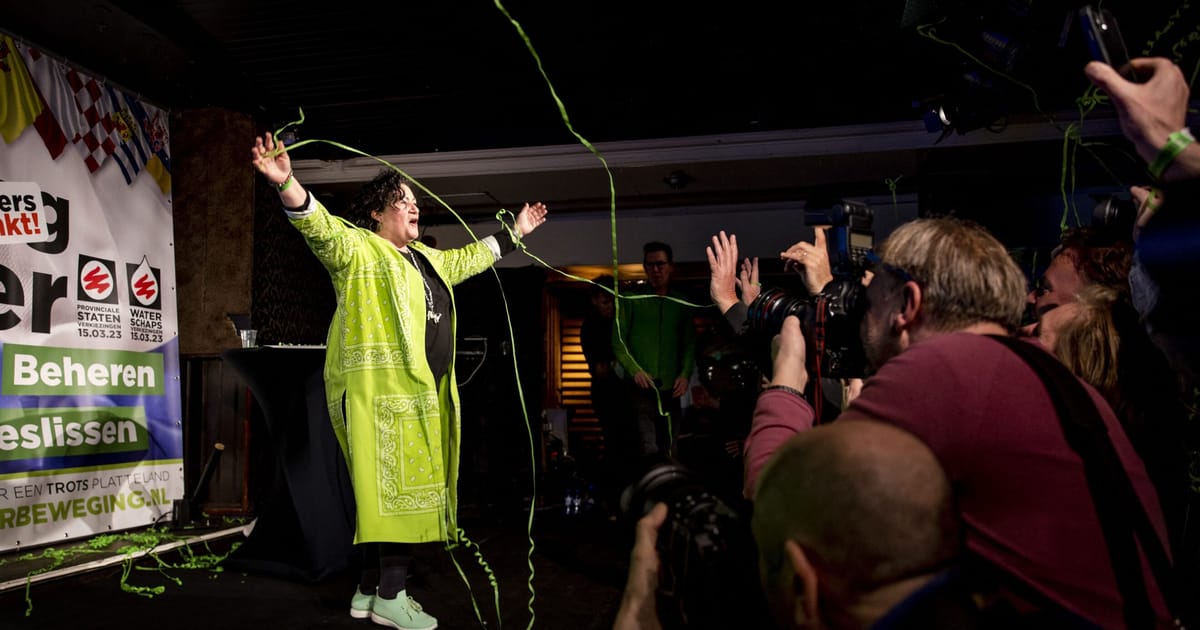
The FarmerCitizenMovement (BBB), a pro-farmer party, won big in the Dutch provincial elections, finishing ahead of Prime Minister Mark Rutte's center-right People's Party for Freedom and Democracy (VVD) party. The results call into question the Rutte government's ability to implement harsh policies aimed at clamping down on nitrogen emissions from farms. BBB is set to win 15 out of 75 seats, becoming the largest force in the Parliament's high chamber, ahead of VVD's 10 seats. The elections turned into a referendum on Rutte's rule, with 60 percent of voters saying they wanted to express their views on the government by voting.