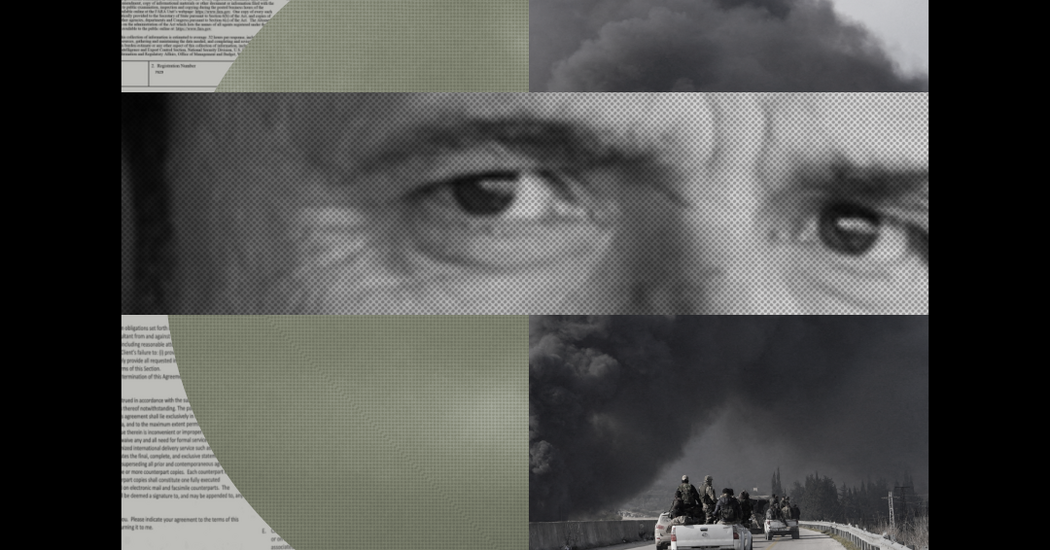
Former Syrian regime leaders, including top spymasters and generals, who fled after Assad's regime collapsed, are secretly plotting to undermine the new government and potentially retake control, with some supporting armed insurgencies and lobbying efforts in Washington. Their true threat level remains uncertain amid internal disagreements and ongoing instability in Syria.
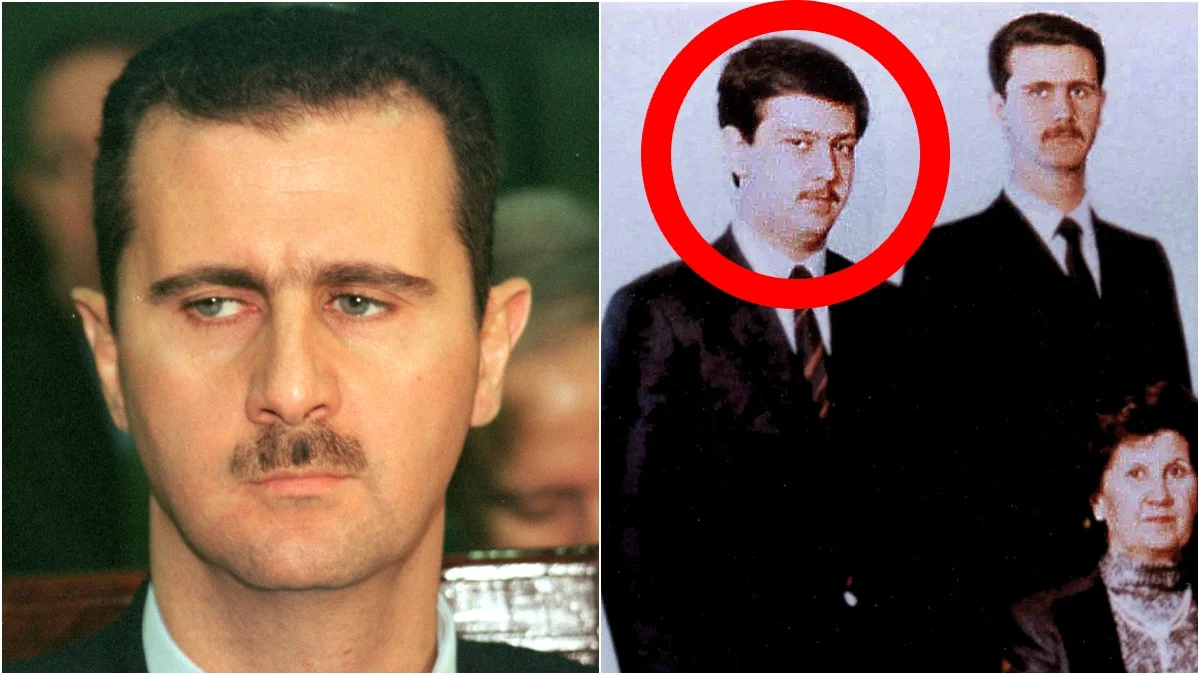
A new report details the chaotic and dramatic escape of Syrian regime officials, including Bashar al-Assad and his brother Maher, following the fall of Assad's government in December 2024 due to a swift offensive by HTS, with many officials fleeing via speedboats, convoys, and hiding at Russian embassies, highlighting the extreme chaos and secrecy surrounding their escape.
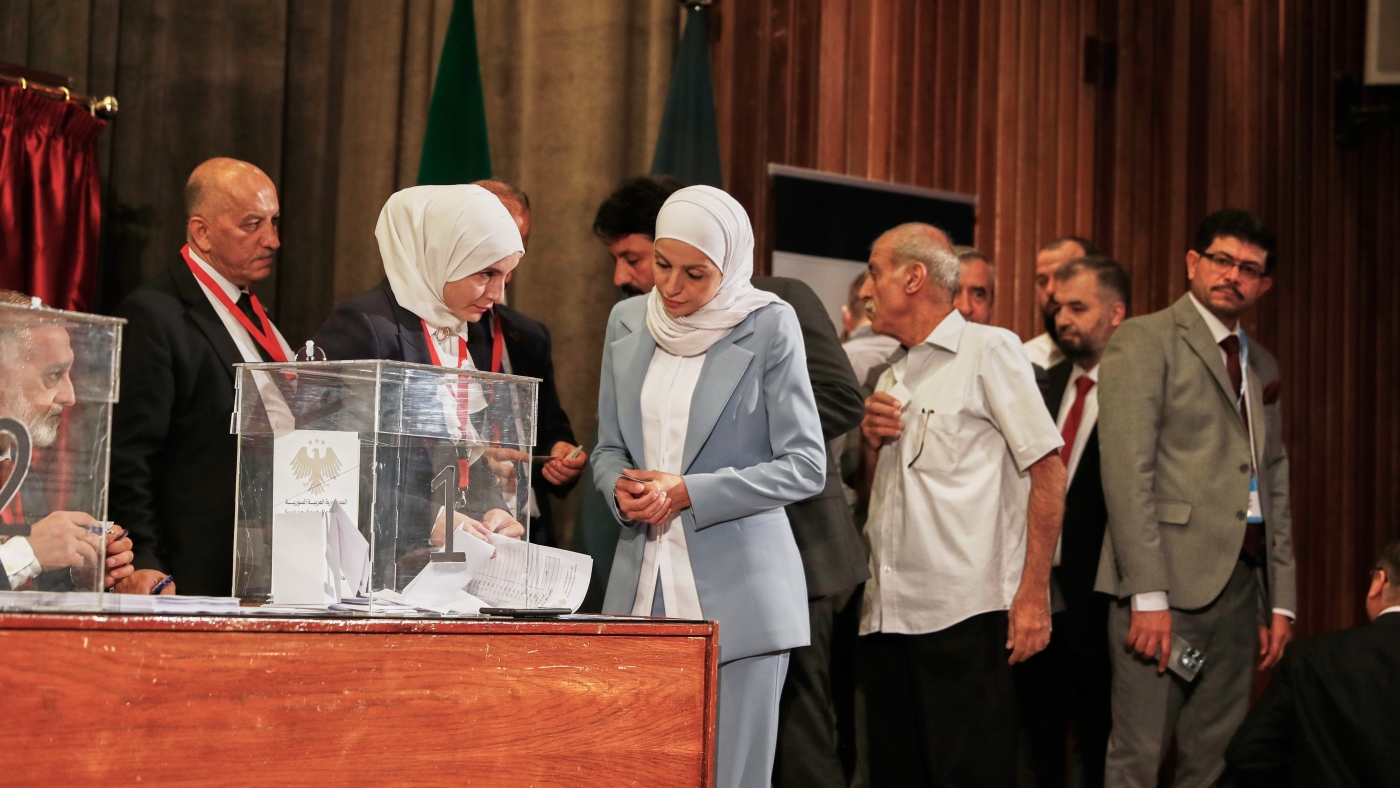
Syria is holding its first parliamentary elections since Bashar Assad's ouster, with most seats elected by electoral colleges and some appointed, amid concerns over the lack of a popular vote, transparency, and representation of minorities and women. The elections are seen as a test of the interim authorities's inclusivity and legitimacy, but face criticism for their undemocratic process and exclusion of certain regions.
Following the fall of President Bashar al-Assad, Russia is pulling back some military forces and equipment from Syria but is maintaining its presence at the Hmeimim airbase and Tartous naval facility. Despite the withdrawal of some forces, Russia is not abandoning its strategic bases, which are crucial for its military operations in the region. Discussions with Syria's new rulers about the future of these bases are ongoing, while Russia continues to support Assad, who has been granted asylum in Moscow.
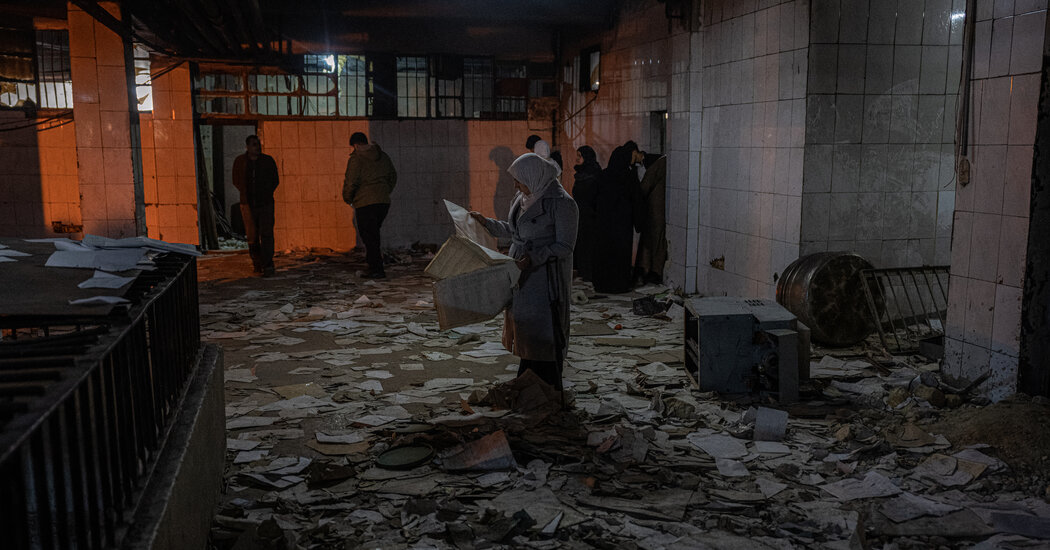
Reports have emerged detailing horrific atrocities committed in Syrian prisons under President Bashar al-Assad's regime, shedding light on widespread human rights abuses. These revelations have sparked international condemnation and calls for accountability, as survivors and human rights organizations demand justice for the victims of torture and inhumane treatment.
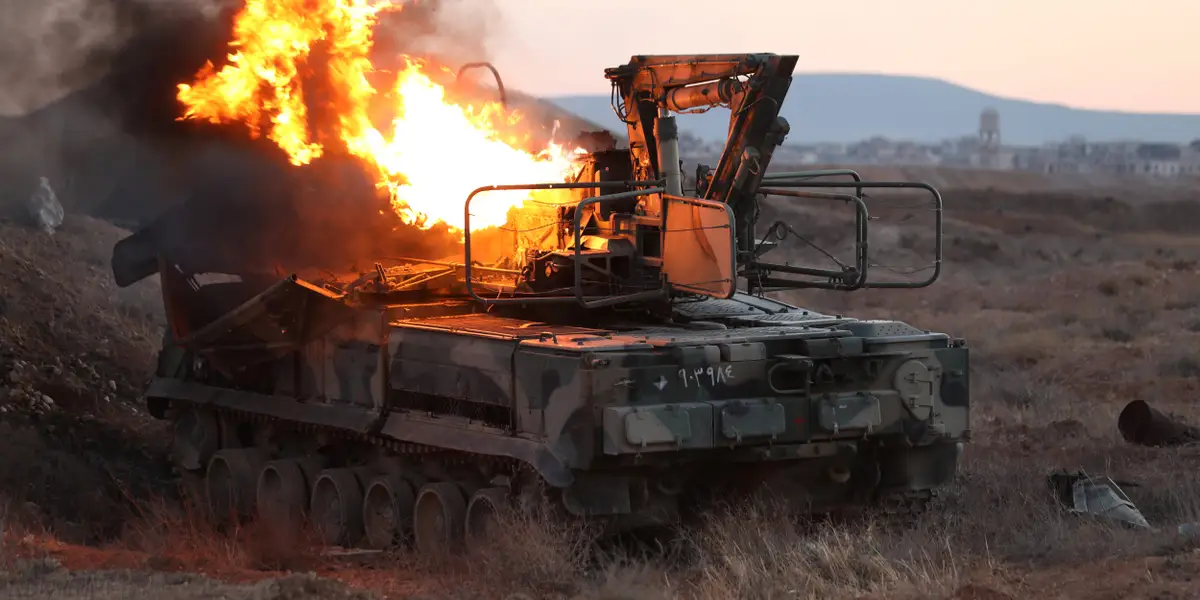
Israeli forces launched extensive airstrikes on Syria, targeting the remnants of the Assad regime's military infrastructure. The strikes, part of Operation Bashan Arrow, aimed to prevent Syrian military assets from falling into the hands of extremists following Assad's ousting by rebel forces. Israeli warplanes and naval ships destroyed Syrian aircraft, naval vessels, and weapon depots, with the goal of enhancing Israel's security and creating a 'sterile defense zone.' The operation reflects Israel's strategic response to the power vacuum in Syria and its ongoing regional security concerns.
Turkey's Foreign Minister Hakan Fidan revealed that Turkey played a crucial role in ensuring the non-intervention of Russia and Iran during the recent offensive that led to the fall of Bashar Assad's regime in Syria. Through diplomatic talks, Turkey helped prevent a potentially bloody conflict by convincing Assad's allies not to support him. Fidan emphasized the importance of preventing chaos and ensuring the protection of minority groups under the new leadership in Damascus, led by Ahmad al-Sharaa, despite concerns over his past affiliations.
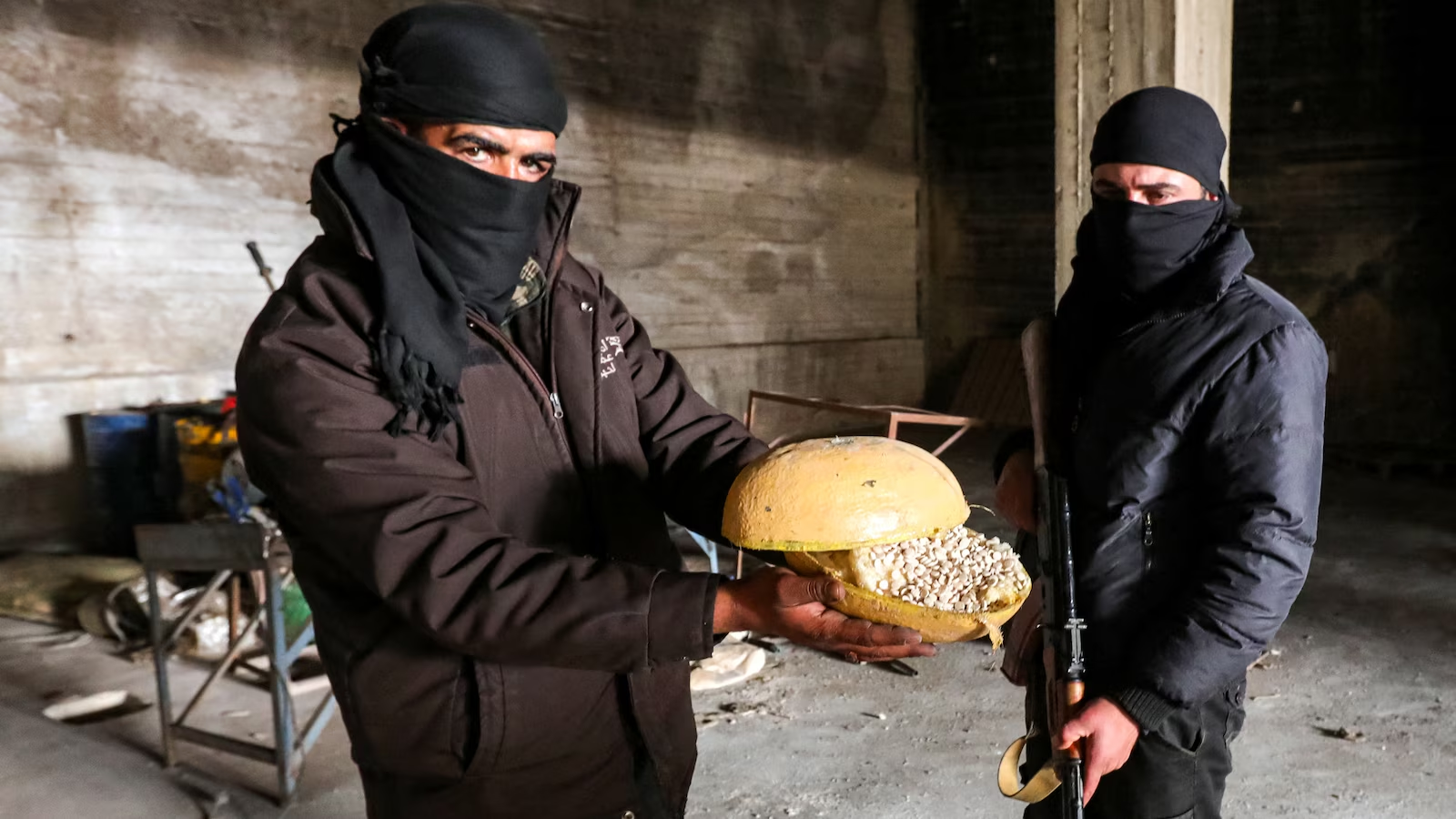
The Assad regime in Syria has fallen, with President Bashar Assad fleeing to Russia after rebel forces captured Damascus. A significant factor in Assad's downfall was the Captagon drug trade, which generated billions for Syria and the regime. The synthetic stimulant, popular in the Middle East, led neighboring countries to abandon Assad due to the flood of pills. The Captagon trade, described as a 'zombie economy,' was a major revenue source for Assad amid international sanctions. The regime's use of the drug trade as leverage in diplomatic negotiations backfired, contributing to its collapse.
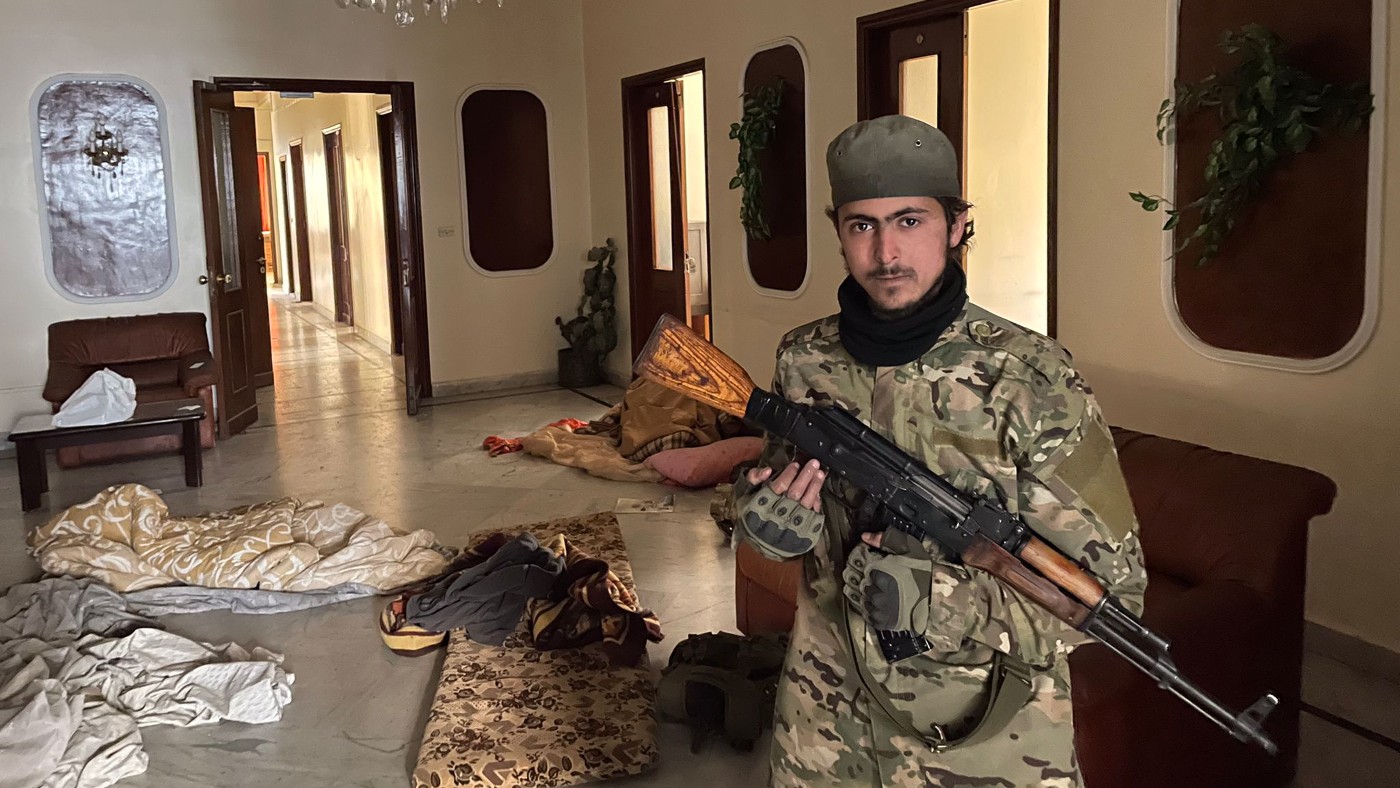
Following the collapse of Bashar al-Assad's government, Syrian rebels and civilians have stormed the Assad family's residences in Damascus, uncovering opulent living conditions amidst the country's turmoil. The palaces, now in disarray, reveal luxury items, family photos, and remnants of the Assad regime's history. Rebels have taken control of these properties, with some turning them into tourist attractions, highlighting the stark contrast between the Assad family's wealth and the poverty experienced by many Syrians.
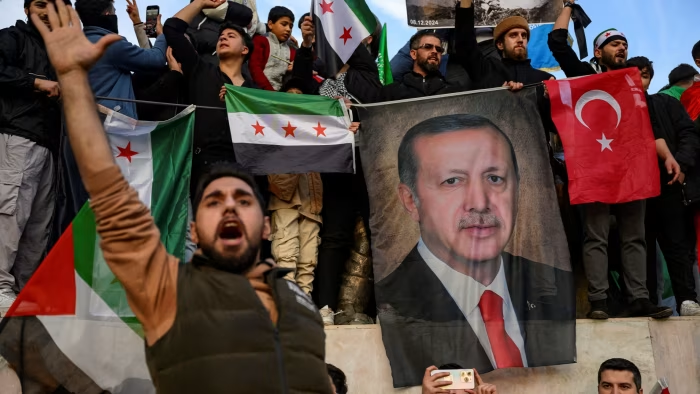
Turkish President Recep Tayyip Erdoğan views the recent overthrow of the Assad regime in Syria as an opportunity to address two major political challenges: securing Kurdish support to amend the constitution for a potential 2028 presidential run and repatriating Syrian refugees to bolster domestic support. With Assad's fall, Erdoğan aims to weaken the Syrian Kurdish forces, which could help him gain Kurdish backing in Turkey, and facilitate the return of refugees, addressing nationalist sentiments at home. However, past experiences suggest that his plans may face significant obstacles.
The Syrian army's collapse, leading to the fall of Damascus and the end of Bashar al-Assad's regime, was due to severe demoralization, corruption, and reliance on foreign allies like Iran and Hezbollah, who withdrew support amid escalating regional conflicts. The army, plagued by low morale, poor pay, and rampant corruption, was unable to effectively defend against rebel advances, leading to widespread desertions and the eventual takeover by Islamist rebels.
Ukraine reportedly sent drones and operators to Syrian rebels, aiding in the overthrow of Bashar Assad's regime, according to The Washington Post. The Ukrainian support, involving around 150 drones and 20 operators, was part of efforts to weaken Russian influence in the region. The rebels, led by Hayat Tahrir al-Sham, ousted Assad after a swift campaign, potentially jeopardizing Russia's military presence in Syria. This move aligns with Ukraine's broader strategy to counter Russian interests abroad.
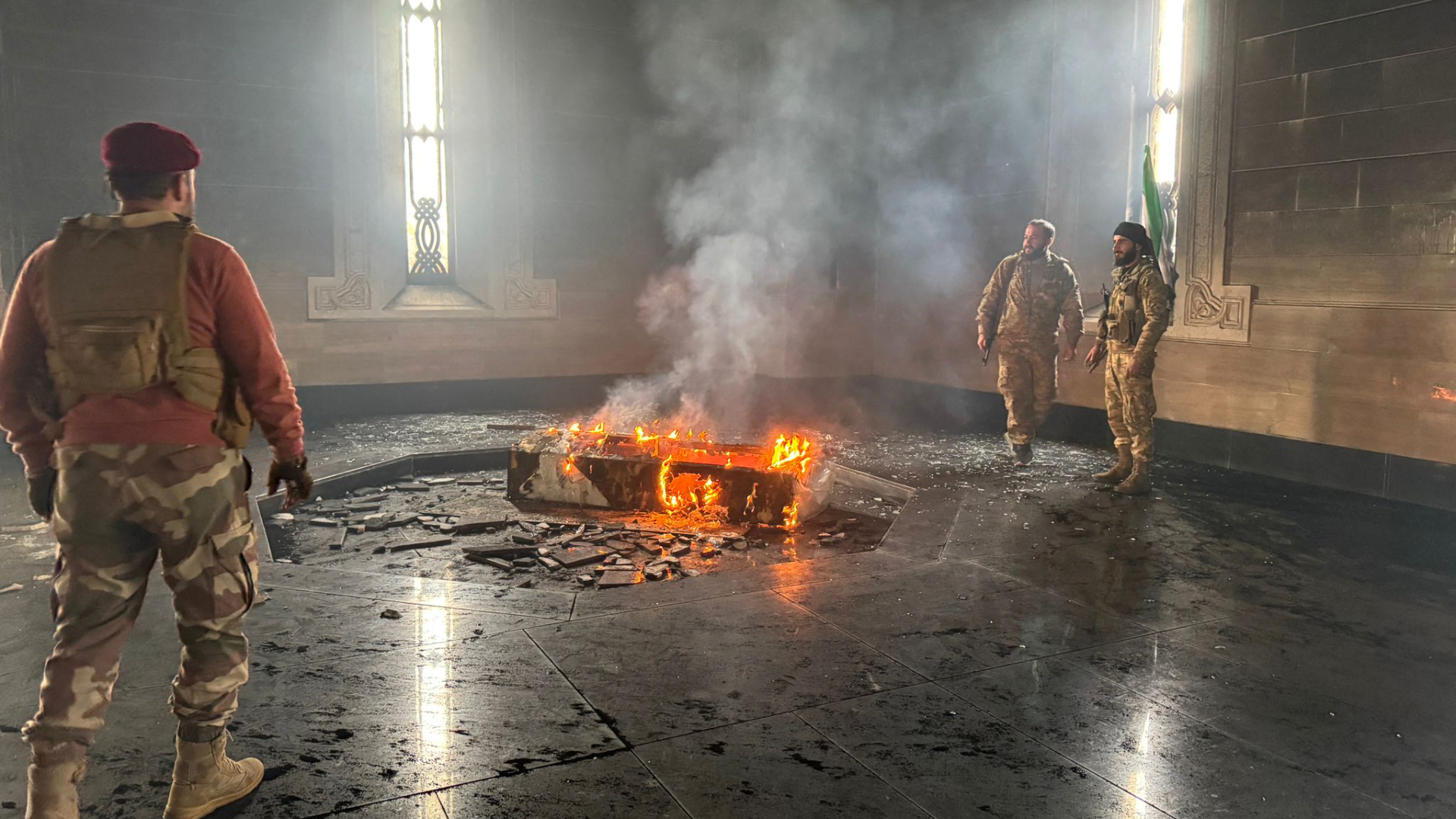
Syrian rebels have burned the coffin of Hafez al-Assad, the father of current leader Bashar al-Assad, in the Assad family's hometown of Qardaha. This act symbolizes the rejection of the Assad family's brutal legacy, particularly Hafez's notorious 1982 Hama massacre, which killed up to 40,000 civilians. The recent rebel uprising, led by Hayat Tahir al-Sham (HTS), has forced Bashar al-Assad to flee to Russia, leaving Syria in a power vacuum and raising concerns about the future stability of the region.
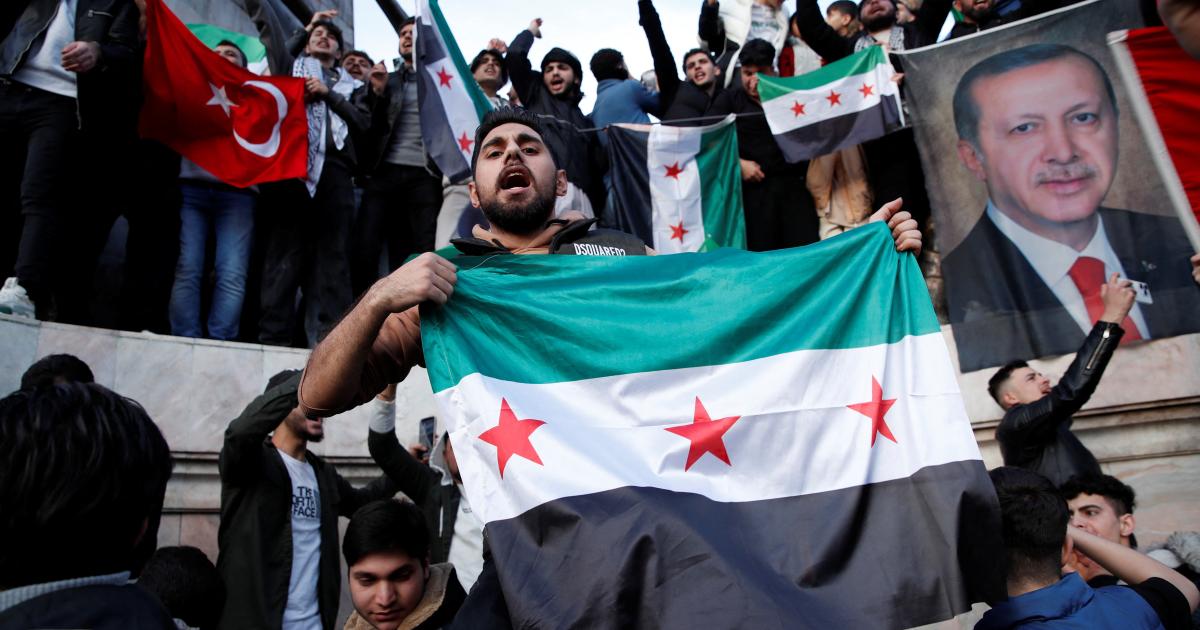
Turkey has emerged as a significant player in the Syrian civil war following the fall of President Bashar al-Assad, with President Recep Tayyip Erdogan poised to benefit from the power shift. Turkey's support for the Islamist group Hayat Tahrir al-Sham (HTS) has given it influence in Syria, potentially allowing for the repatriation of Syrian refugees and improved relations with the U.S. However, the situation remains precarious, with risks of instability and extremism in post-Assad Syria, which could impact Turkey's regional ambitions.
Syrian rebels have taken control of the Damascus governorate building, symbolizing a shift in power from Bashar al-Assad's regime to the rebel-led Syrian Salvation Government. The new administration, led by technocrats like Mohammad Yasser Ghazal, is working to dismantle the corrupt and inefficient state apparatus left by the Assad dynasty. Despite concerns about the leading rebel group HTS's Islamist roots, the new government aims to unify Syria and address systemic corruption, while seeking international recognition and overcoming its terrorist designation.