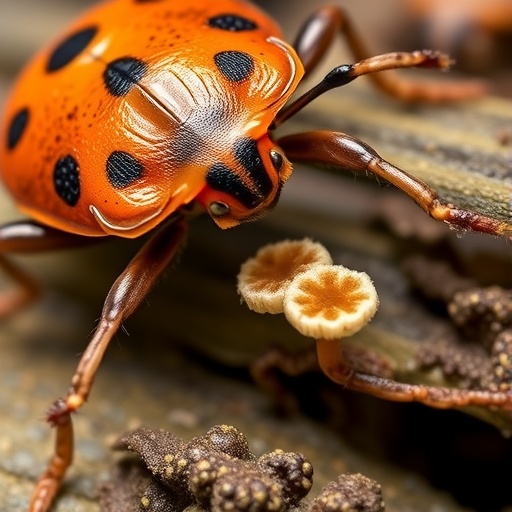
Researchers discovered that female dinidorid stinkbugs have a specialized fungal nursery on their hindlegs, which they use to coat their eggs with protective fungi that deter parasitic wasps, challenging the previous assumption that this structure was an auditory organ and revealing a complex mutualistic defense strategy.
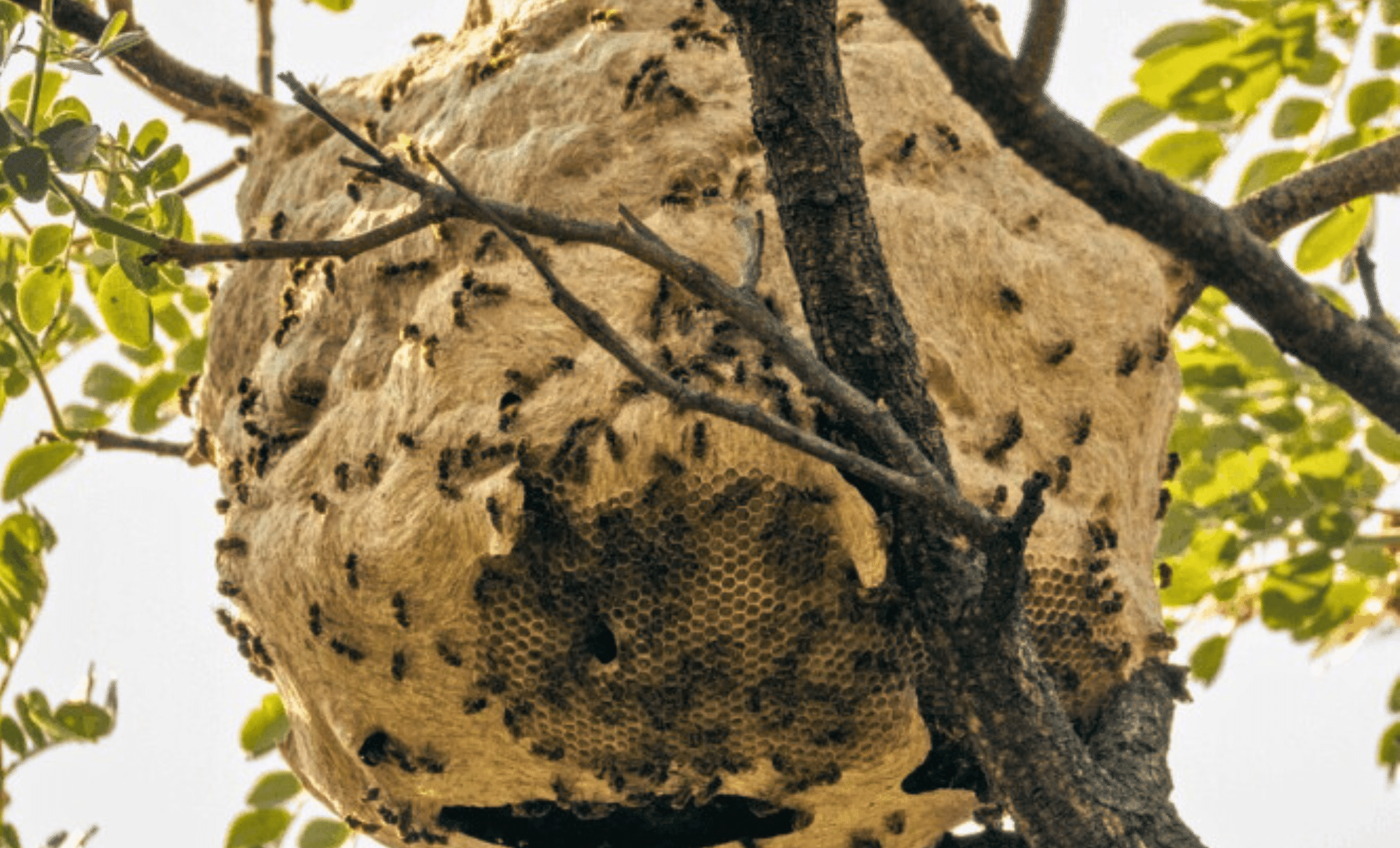
Scientists have discovered new invasive parasitic wasp species in the U.S., previously only found in Europe, raising questions about their impact on native ecosystems and the spread of parasitic species among oak gall wasps.
A European parasitic wasp, Bootanomyia dorsalis, has been found in the US, with genetic evidence indicating multiple introductions. Its presence threatens native oak gall wasps and the broader ecosystem, potentially disrupting food webs and biodiversity.
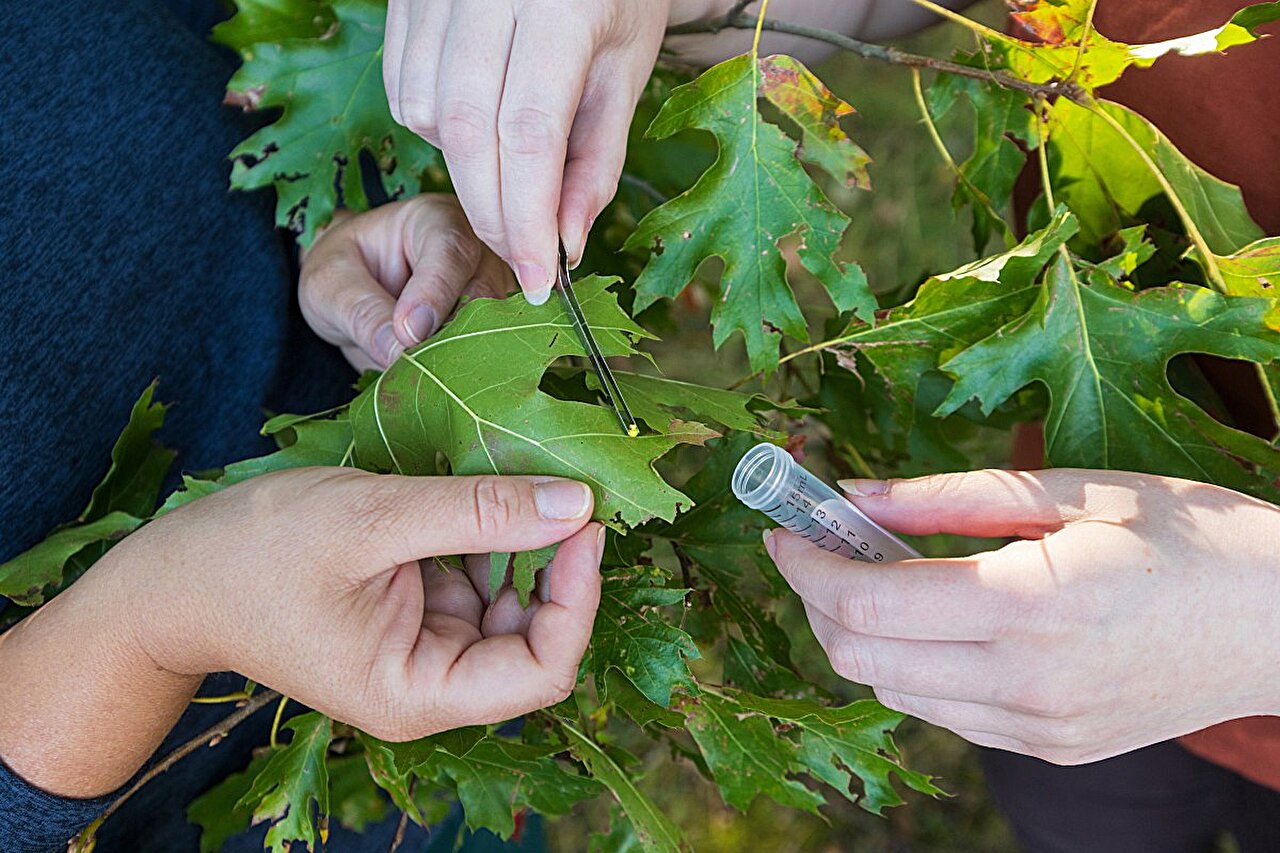
Researchers have discovered two previously unknown European species of parasitic wasps in North America, highlighting the continent's biodiversity and the potential impact of introduced species on native ecosystems. The study involved genetic analysis and extensive fieldwork, emphasizing the importance of citizen science in biodiversity research.