"Unearthing Europe's Oldest Modern-Human Remains: Insights from a 45,000-Year-Old Cave"
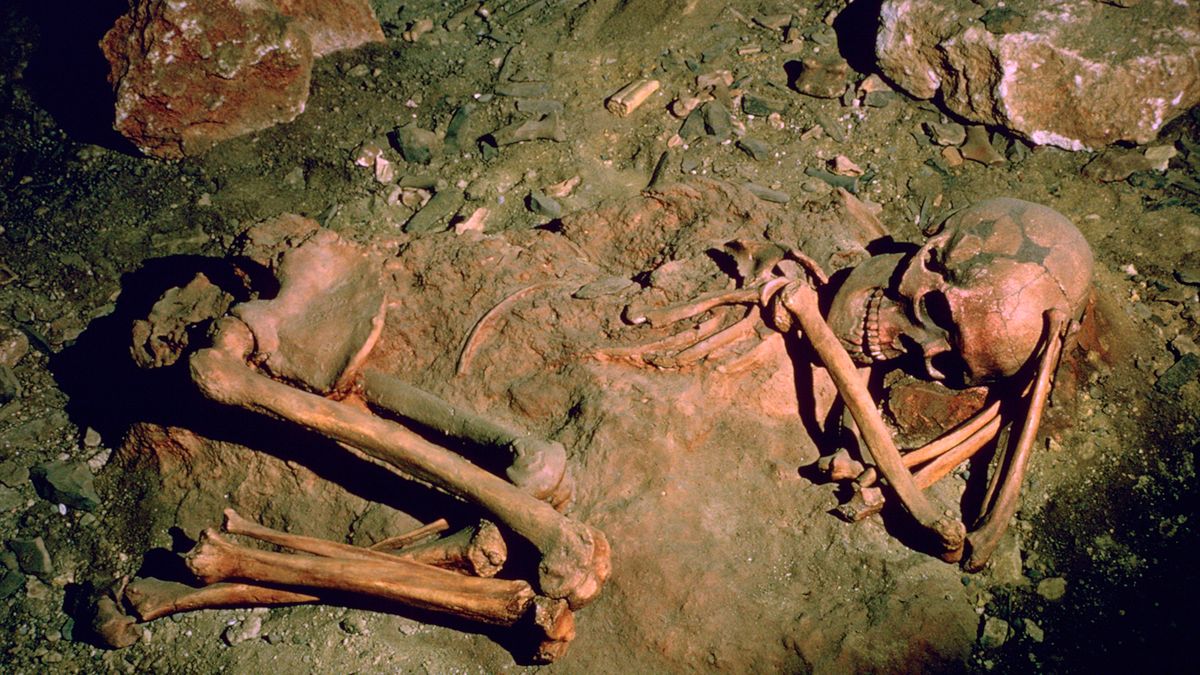
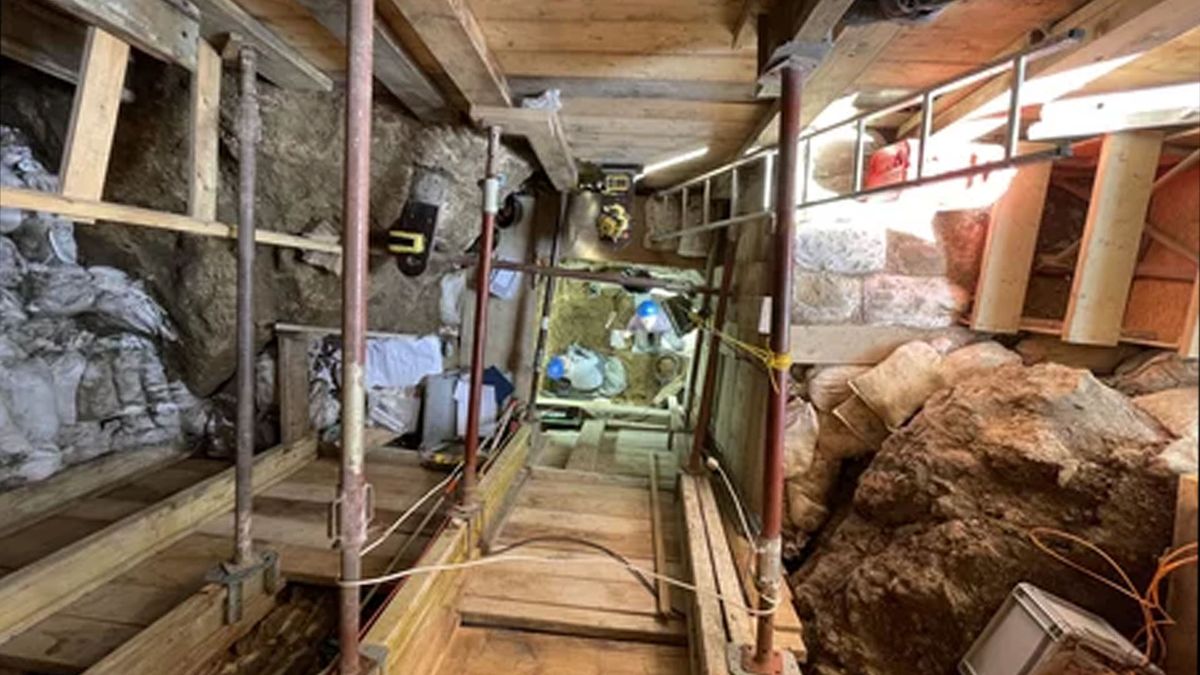
The discovery of 13 bone fragments in a German cave dating back 44,000 to 47,500 years ago suggests that modern humans arrived in Central Europe much earlier than previously thought, coexisting with Neanderthals for thousands of years. The findings challenge the idea of a rapid replacement of Neanderthals by modern humans and indicate that multiple waves of human groups may have colonized Europe. The research sheds light on the interactions between Homo sapiens and Neanderthals during the Middle-to-Upper Paleolithic transition and suggests that early modern humans had the technical capabilities to adapt to harsh climates.