
"Unearthing Europe's Oldest Modern-Human Remains: Insights from a 45,000-Year-Old Cave"
TL;DR Summary
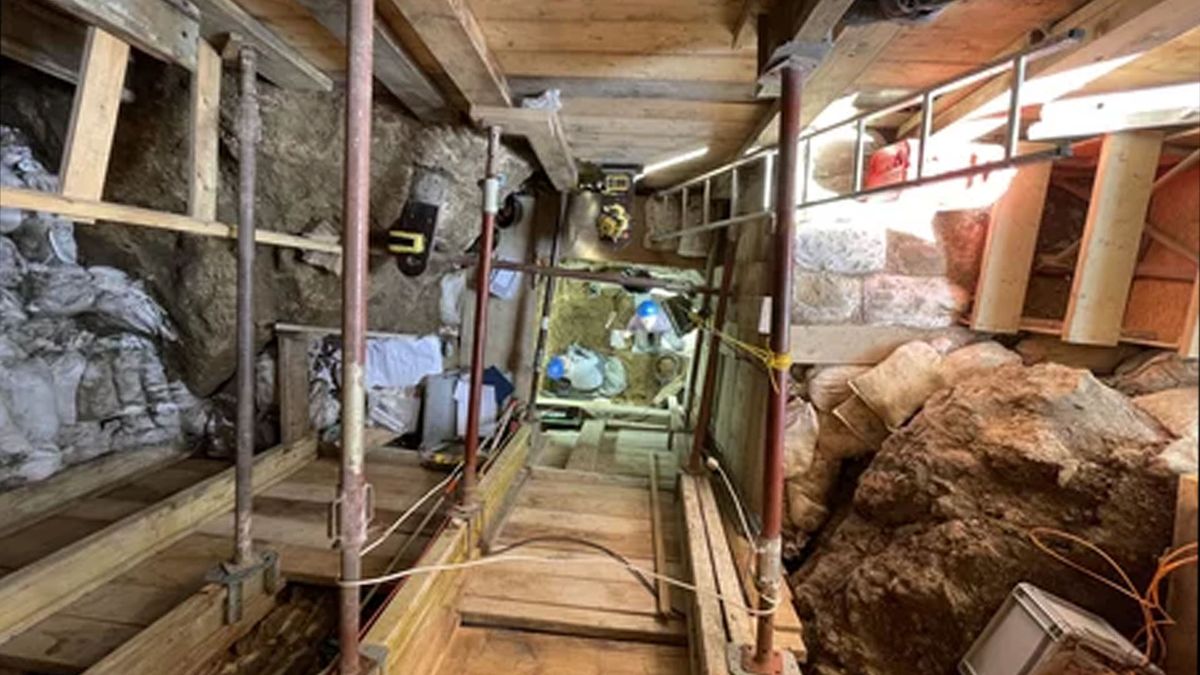
The discovery of 13 bone fragments in a German cave dating back 44,000 to 47,500 years ago suggests that modern humans arrived in Central Europe much earlier than previously thought, coexisting with Neanderthals for thousands of years. The findings challenge the idea of a rapid replacement of Neanderthals by modern humans and indicate that multiple waves of human groups may have colonized Europe. The research sheds light on the interactions between Homo sapiens and Neanderthals during the Middle-to-Upper Paleolithic transition and suggests that early modern humans had the technical capabilities to adapt to harsh climates.
- 45000-year-old bones unearthed in cave are oldest modern-human remains in Central Europe Livescience.com
- What a 45,000-year-old pit of bones reveals about our earliest human ancestors NBC News
- Bones in German cave show humans were in Europe long before previously thought The Hill
- Stable isotopes show Homo sapiens dispersed into cold steppes ~45,000 years ago at Ilsenhöhle in Ranis, Germany Nature.com
- Neanderthals and humans lived side by side in Northern Europe 45,000 years ago, genetic analysis finds Phys.org
Reading Insights
Total Reads
0
Unique Readers
7
Time Saved
5 min
vs 6 min read
Condensed
92%
1,184 → 95 words
Want the full story? Read the original article
Read on Livescience.com