
Syracuse Edges Pace in Preseason Finale
Syracuse narrowly defeated Pace 75-57 in an exhibition game that was unimpressive overall, with the Orange pulling away late in the game.

All articles tagged with #pace
Syracuse narrowly defeated Pace 75-57 in an exhibition game that was unimpressive overall, with the Orange pulling away late in the game.

A 44-year-old man with 31 years of treatment-resistant depression experienced a significant and lasting improvement after undergoing personalized brain stimulation therapy called PACE, which tailored electrical stimulation to his unique brain activity, leading to an overwhelming feeling of joy and sustained mental health benefits over months.
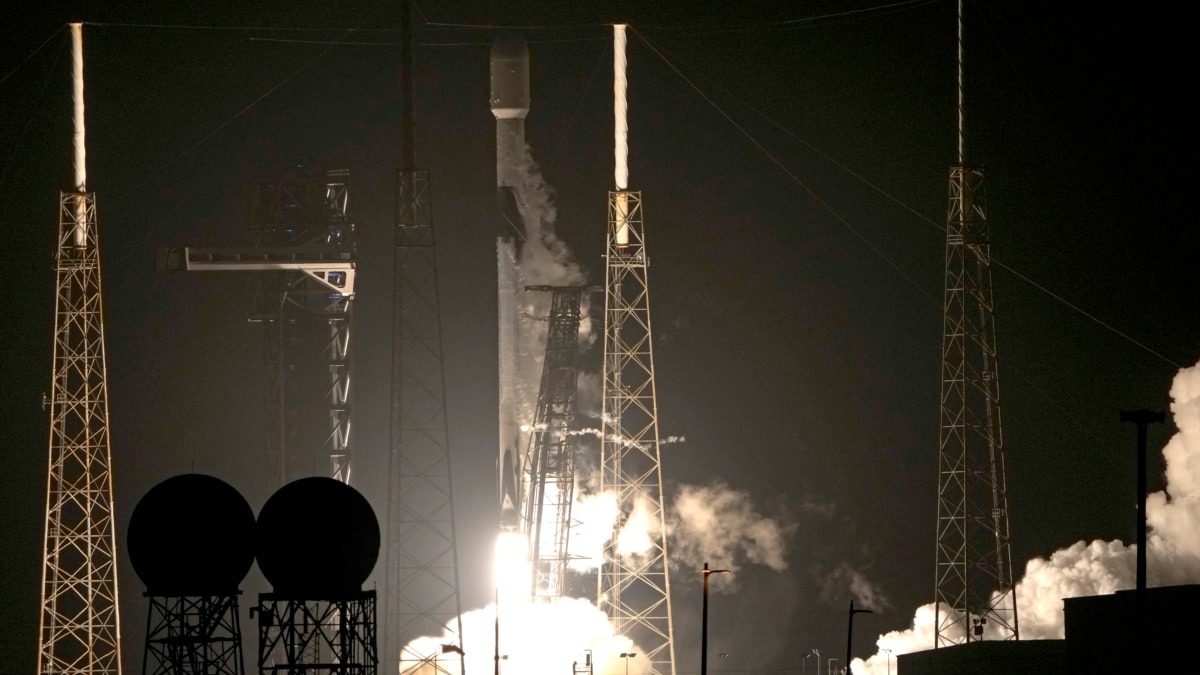
NASA has launched the PACE satellite to study the world’s oceans and atmosphere, aiming to provide detailed data on temperature-related changes, aerosols, and phytoplankton. The satellite will map the entire world each day with two science instruments and collect monthly measurements with a third instrument. PACE is expected to help scientists improve their ability to predict severe weather events and understand the impact of aerosols on clouds and climate. The mission follows the recent launch of NASA’s SWOT satellite and is part of the agency's efforts to gather more detailed data on Earth's environment.
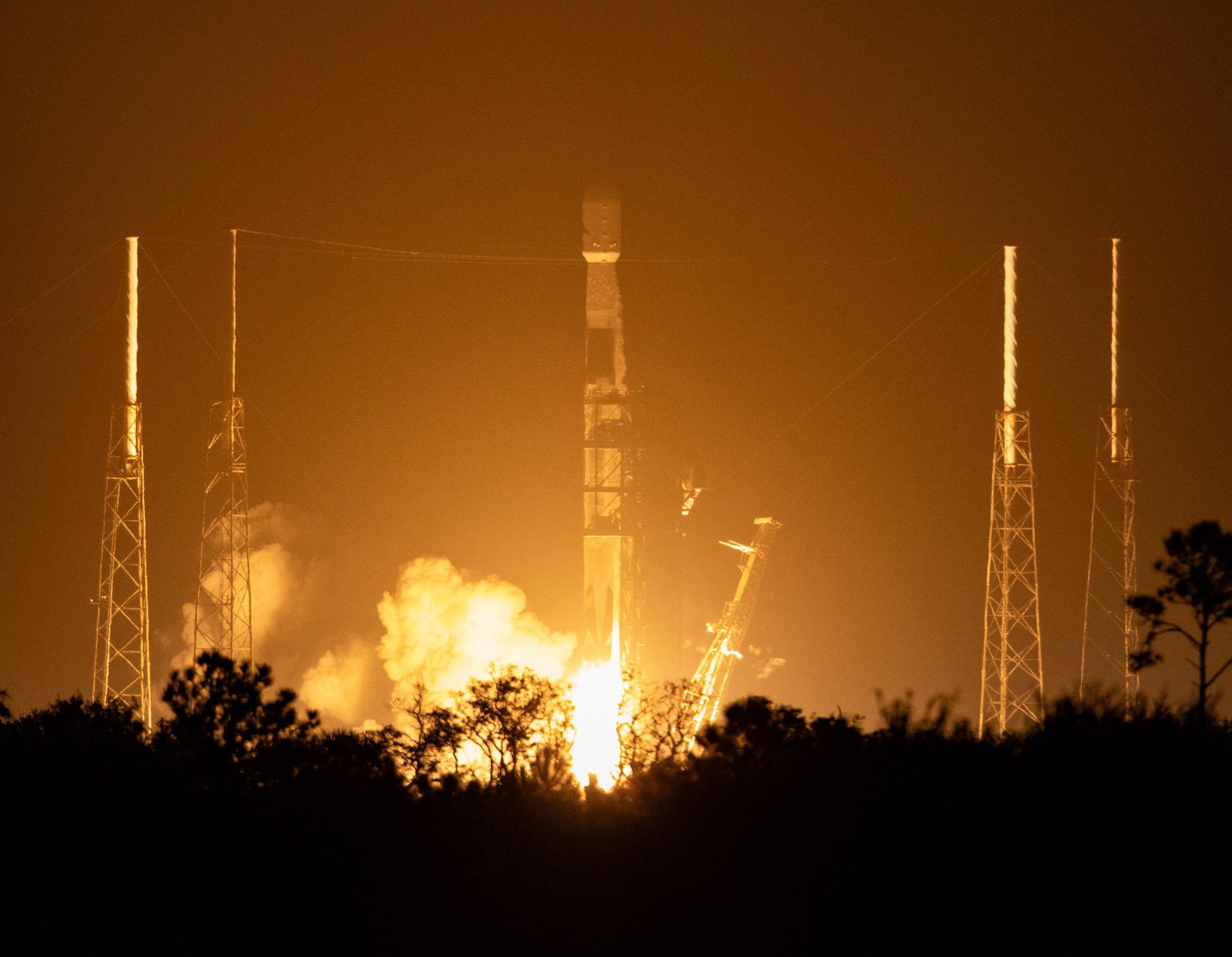
A SpaceX Falcon 9 successfully launched NASA's PACE Earth science spacecraft into orbit, marking the first U.S. government mission to launch to a polar or sun-synchronous orbit from Florida since 1960. The PACE mission, with a total cost of $964 million, aims to study ocean color, clouds, and aerosols in the atmosphere and is designed to last three years, with potential for a decade of operation. The launch was delayed by high winds but ultimately successful, with the booster landing back at Cape Canaveral's Landing Zone 1.
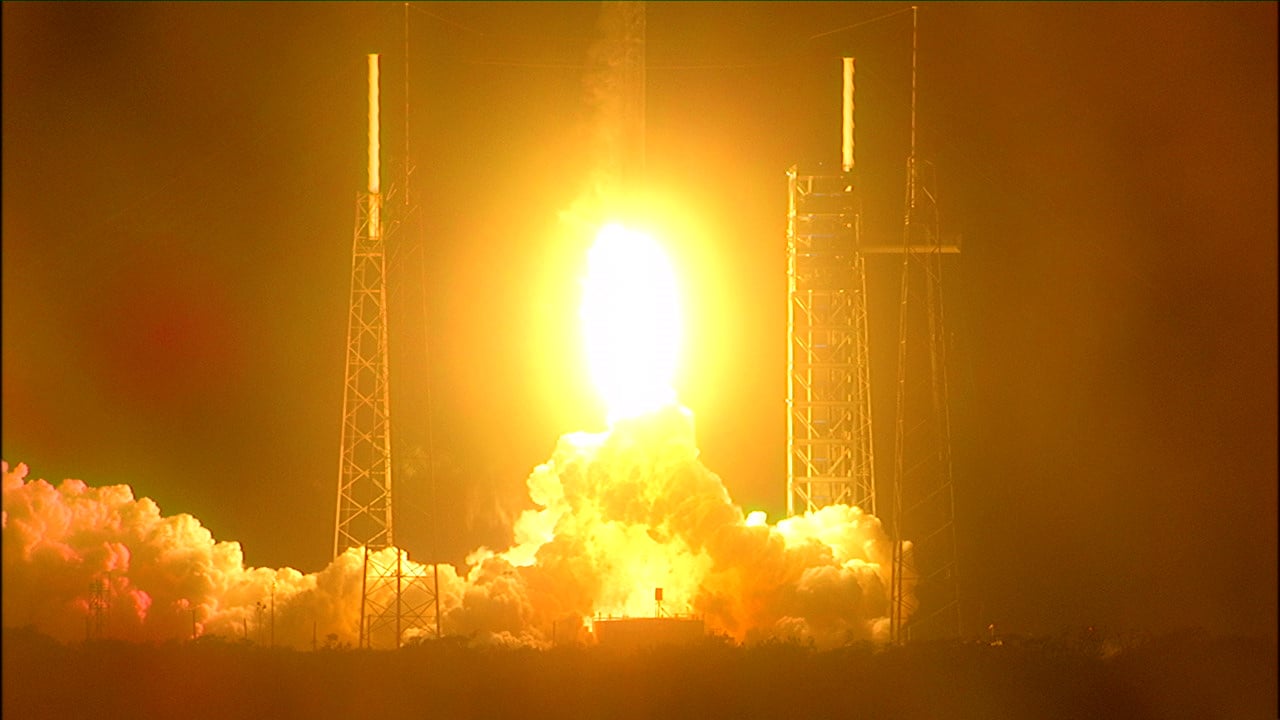
NASA successfully launched the Plankton, Aerosol, Climate, ocean Ecosystem (PACE) satellite to study ocean health, air quality, and the effects of climate change. PACE will use advanced instruments to track microscopic life in water and particles in the air, providing valuable data for understanding global warming and its impact on the environment. The mission aims to advance knowledge of the ocean's role in the climate cycle and address urgent questions about our changing climate, supporting the Biden-Harris Administration's climate agenda.
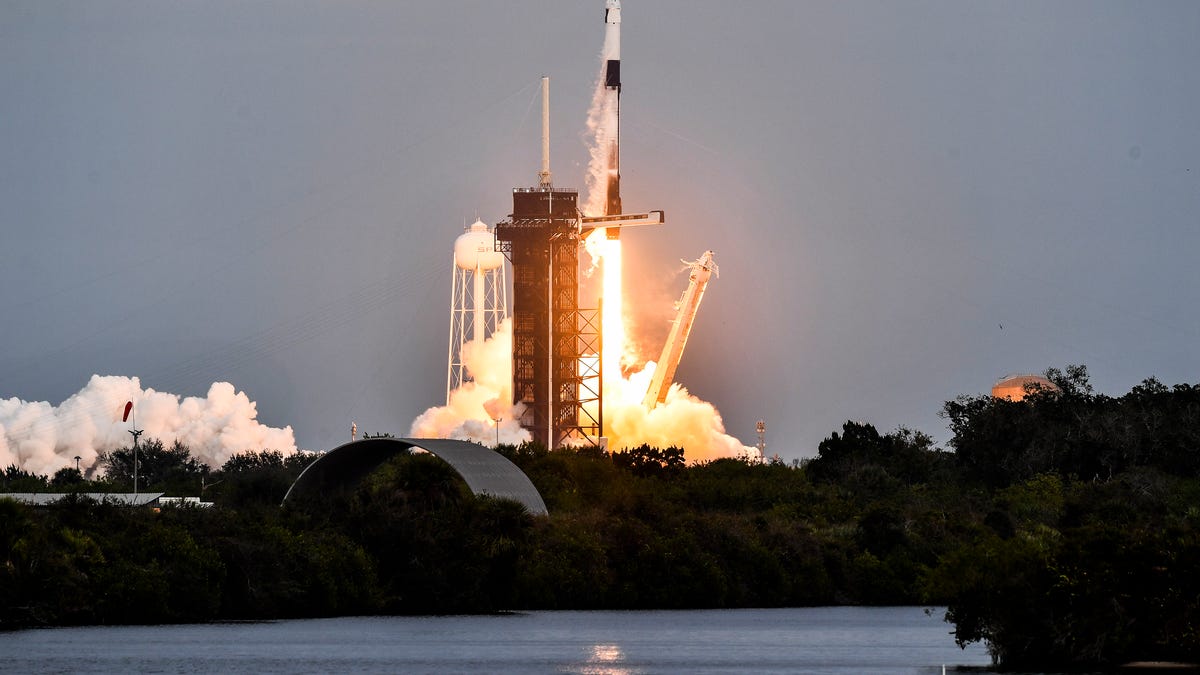
NASA and SpaceX are set to launch the PACE mission, aimed at examining Earth's oceans and climate, from Cape Canaveral Space Force Station in Florida. The mission, scheduled for 1:33 a.m. ET on Feb. 7, will see a SpaceX Falcon 9 rocket carry a spacecraft called PACE (Plankton, Aerosol, Cloud, ocean Ecosystem) to help understand the exchange of carbon dioxide between the ocean and atmosphere, measure atmospheric variables, and monitor ocean health. This launch marks the first U.S. government mission in over 60 years to aim for a polar orbit from Cape Canaveral.
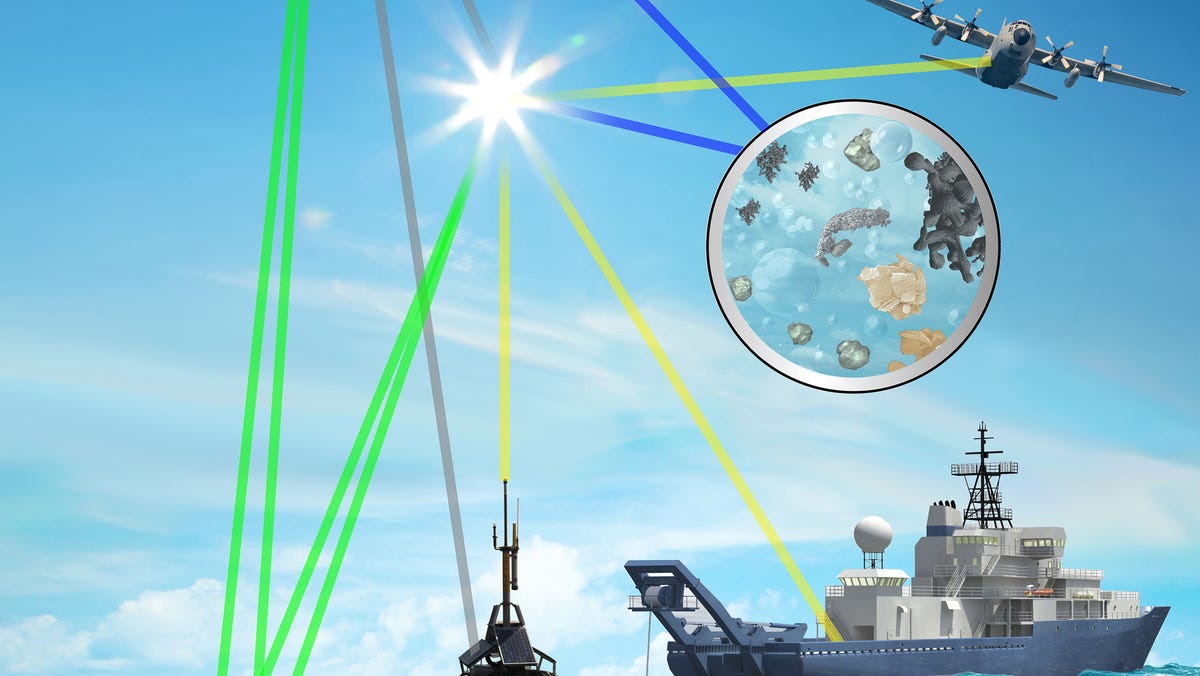
NASA is set to launch the Plankton, Aerosol, Cloud and Ocean Ecosystem (PACE) satellite, equipped with advanced instruments to study microscopic particles in the atmosphere and waterways. The satellite's high-resolution imaging will provide unprecedented insights into the role of phytoplankton in oceans and the impact of aerosols on energy exchange. With a mission budget of $964 million, PACE aims to unravel complex climate mysteries and address critical questions about carbon distribution in the ocean, aerosol interactions, and the relationship between ocean life and the atmosphere. The data collected will be open and available to all scientists, advancing our understanding of ocean biology and its connection to climate change.

Ben Simmons' absence due to a left hip contusion has had a significant impact on the Brooklyn Nets' fast break offense. Without Simmons, the team struggles in the halfcourt and lacks the pace and energy he brings. The Nets are currently missing key players and are not constructed to be prolific in the halfcourt. Simmons' injury history raises concerns, as he has previously dealt with back issues. In the three games he has missed this season, the Nets' fast break points have significantly dropped. The team needs to focus on getting stops and finding ways to maintain their fast break style of play.
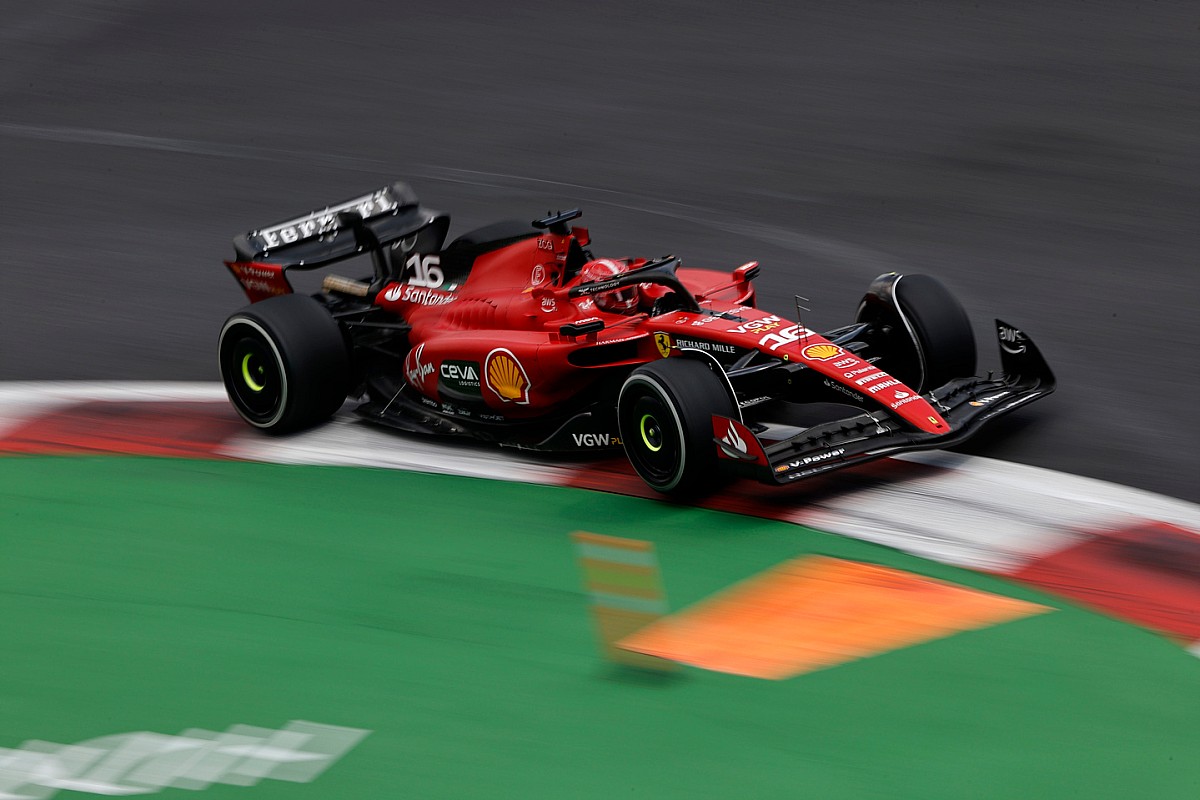
Charles Leclerc believes Ferrari is "too far away" in terms of pace for the Mexico Grand Prix, as he and teammate Carlos Sainz struggle to extract enough speed from the car over a single lap. Leclerc acknowledged the strong performance of McLaren and Red Bull, while also mentioning the difficulty in reading Mercedes' performance. Both drivers cited rear grip issues as a major challenge, particularly with the aggressive soft tire. Leclerc expressed doubt about securing pole position but didn't rule it out entirely.

The Parliamentary Assembly of the Council of Europe has recognized the deportation and forcible transfer of Ukrainian children to Russia as "genocide" and called on the International Criminal Court to consider criminal prosecution of this crime. The resolution was adopted during the debate at the PACE's spring session, with 87 deputies out of 89 in attendance voting "for". The Assembly called for immediate action to halt the practices of unlawful forcible transfer and deportation currently being carried out by Russia against the Ukrainian population, especially its policy and practices relating to the removal of children from their families and homes.