Scientists have discovered a thriving and complex ecosystem around a decaying giant sea creature in the deep ocean, revealing the ecological importance of whale falls in supporting biodiversity, nutrient cycling, and potentially influencing global carbon cycles, thus offering insights into ocean health and resilience.
Researchers captured footage of whale falls, where the remains of large marine creatures like whales create complex, long-lasting ecosystems on the ocean floor, supporting diverse deep-sea life and offering insights into ocean health and carbon cycling.
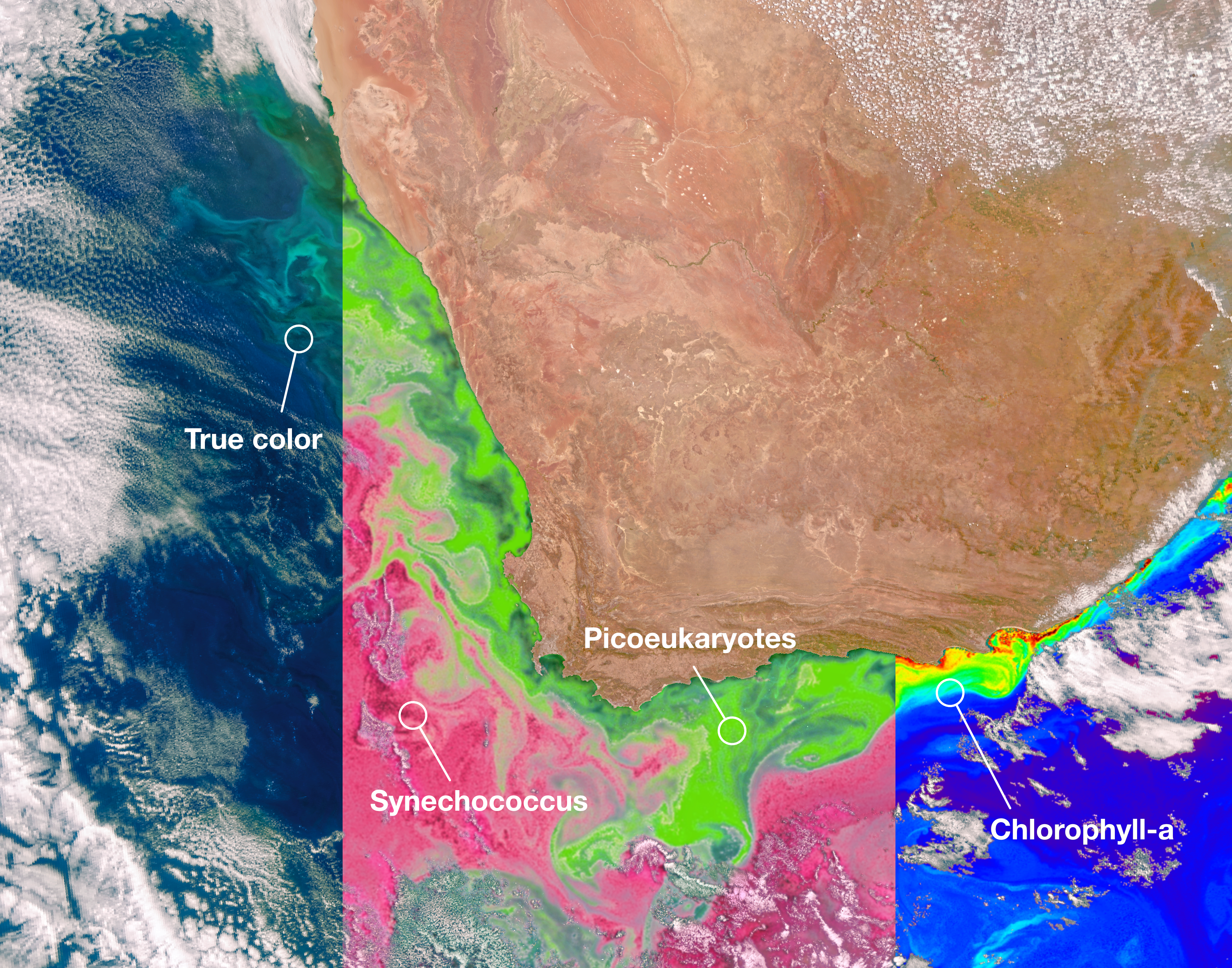
NASA has made science-quality data from its PACE satellite, which measures ocean health, air quality, and climate change effects, publicly available. The data will provide valuable insights into microscopic life in the ocean, air particles, and their impact on Earth. The satellite's extensive spectral range allows for the identification of specific phytoplankton communities, while its polarimeters measure polarized light reflecting off clouds and atmospheric particles, aiding in the understanding of climate and air quality. This data will contribute to a better understanding of our changing planet and its impact on coastal communities, fisheries, and climate.
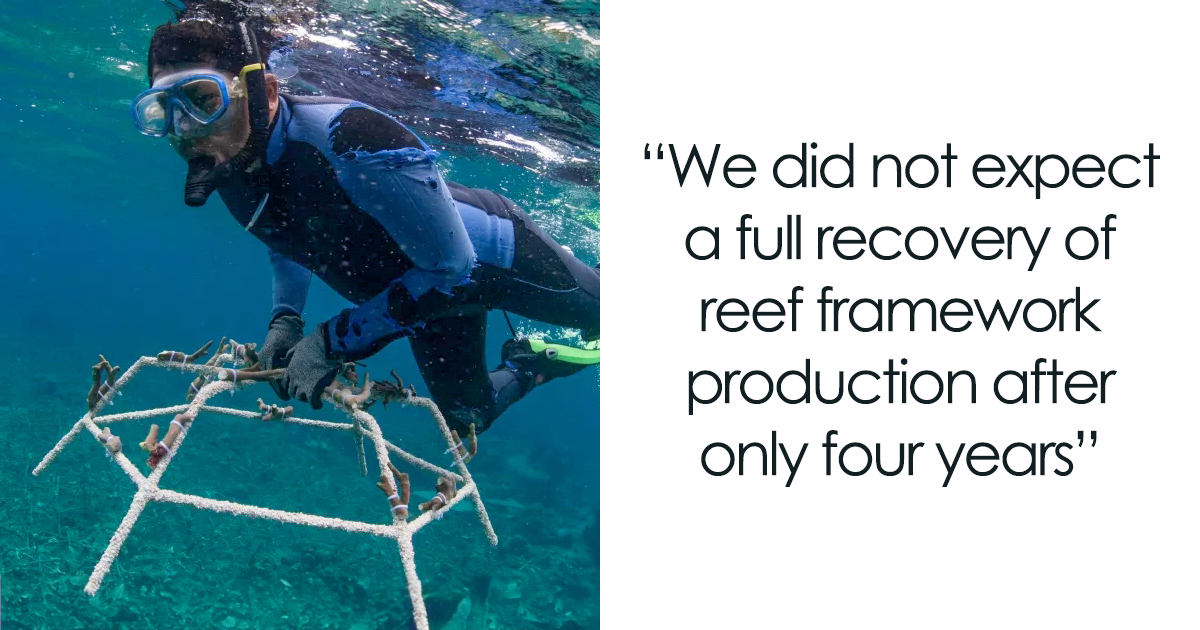
A study by the Mars Coral Reef Restoration Program in Indonesia has shown that artificially restored coral reefs can fully recover within just four years using a holistic approach called Reef Stars. The study revealed that the restored reefs were able to bounce back remarkably quickly, although they have not yet fully recovered their diversity. While such interventions are crucial for preventing further degradation of ocean health, aggressive climate change action is still needed to ensure the long-term survival of coral reefs.
NASA successfully launched the Plankton, Aerosol, Climate, ocean Ecosystem (PACE) satellite to study ocean health, air quality, and the effects of climate change. PACE will use advanced instruments to track microscopic life in water and particles in the air, providing valuable data for understanding global warming and its impact on the environment. The mission aims to advance knowledge of the ocean's role in the climate cycle and address urgent questions about our changing climate, supporting the Biden-Harris Administration's climate agenda.
Understanding how marine microbes are affected by the climate crisis is crucial for forecasting the future state of the oceans and mitigating its effects on marine ecosystems and human communities. However, there is currently little confidence in predictions of how marine microbes will react to climate change. Researchers in marine microbiology, physiology, biogeochemistry, and modeling need to collaborate to better observe, understand, and model microbial processes. Current biogeochemical models have limitations in representing the complexity of marine ecosystems, and new approaches that combine biological information, statistical techniques, and mechanistic metabolic modeling are needed to improve accuracy and confidence in climate forecasts. Interdisciplinary science and international collaborations are essential to address the impacts of climate change on marine microbial ecosystems.
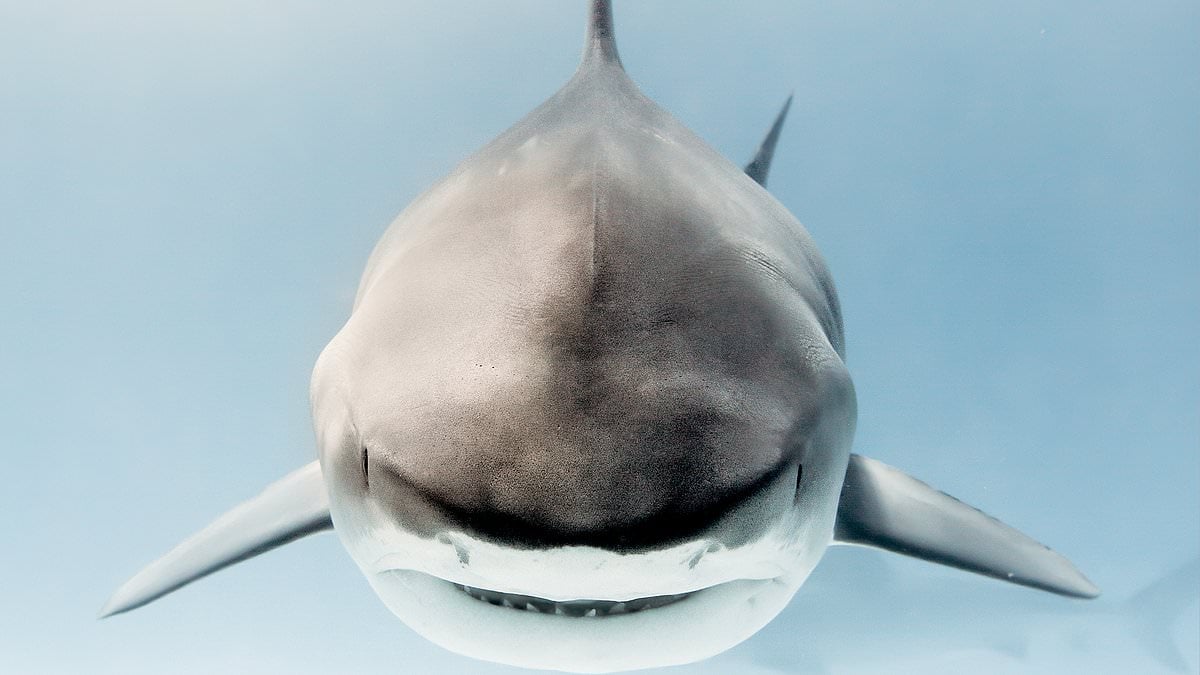
Mike Coots, a shark attack survivor, has dedicated his life to shark conservation and photography after losing his leg in a tiger shark attack. His new book, "Shark: Portraits," showcases his stunning images of sharks, aiming to change the perception of these apex predators. Coots emphasizes the importance of sharks for the health of our oceans and dispels misconceptions about their intentions towards humans. He shares safety tips for underwater encounters and highlights the need for clear visibility and eye contact with sharks. Through his work, Coots hopes to raise awareness about the beauty and significance of sharks in our seas.
Researchers from Ocearch have observed a significant increase in the number of great white sharks off the East Coast of the US, with the ocean teeming with life like it hasn't since the 1940s or 50s. Ocearch has been studying and tagging great white sharks for the last decade, tracking their migration patterns online. The team has studied over 90 great white sharks, collecting samples for 24 different scientific studies, including one that would test the shark's hormone levels to discern whether she was mating. A healthy shark population is better for the entire planet, says chief scientist Dr. Bob Heuter.