Tag

Overdiagnosis

All articles tagged with #overdiagnosis

healthcare7 months ago

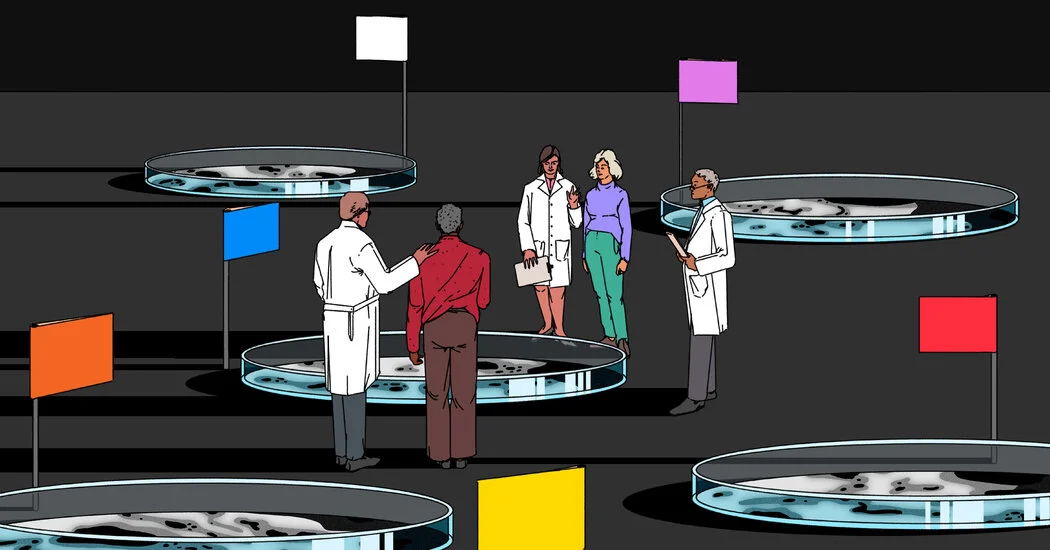
U.S. Medical System Overwhelmed by 'Numerical Epidemics'

The article discusses how the medical system's reliance on changing numerical thresholds for diagnoses like hypertension and kidney disease has led to widespread overdiagnosis and overtreatment, driven by broadening definitions and influenced by organizations, often without considering individual patient nuances or potential harms of aggressive treatment.

health-medicine1 year ago

"Study Suggests Prostate Cancer Screening Does More Harm Than Good"

A 15-year trial on prostate cancer screening using the PSA blood test found that while it had a small impact on reducing deaths, it also led to a worrying level of overdiagnosis, with one in six flagged cases being wrong. The study showed that the potential harms of the test, including unnecessary treatment and physical side effects, outweigh the benefits. Experts emphasize the need to find better ways to detect aggressive prostate cancers and are exploring alternatives such as MRI scans. The UK National Screening Committee does not currently recommend screening for prostate cancer due to the unclear balance between benefits and harms.

mental-health1 year ago

"Therapy's Role in Creating a Generation of 'Victims' and the Depression Epidemic"

The widespread use of therapy in America has raised concerns that it may be fueling the country's depression crisis by instilling a 'victim' mentality and fostering hyper-focus on feelings. The number of Americans seeking therapy has doubled in the past 20 years, with around a quarter of US adults visiting a therapist or psychiatrist in 2022. Experts worry that therapy may be overdiagnosing and overtreating everyday problems, leading to a paradox where more treatment availability does not correspond to a decrease in depression prevalence. There are concerns that therapy may be harming America's youth by encouraging excessive self-focus and reducing engagement with the world, potentially leading to a rise in mental health diagnoses and a lowering of the bar for mental illnesses.

health1 year ago

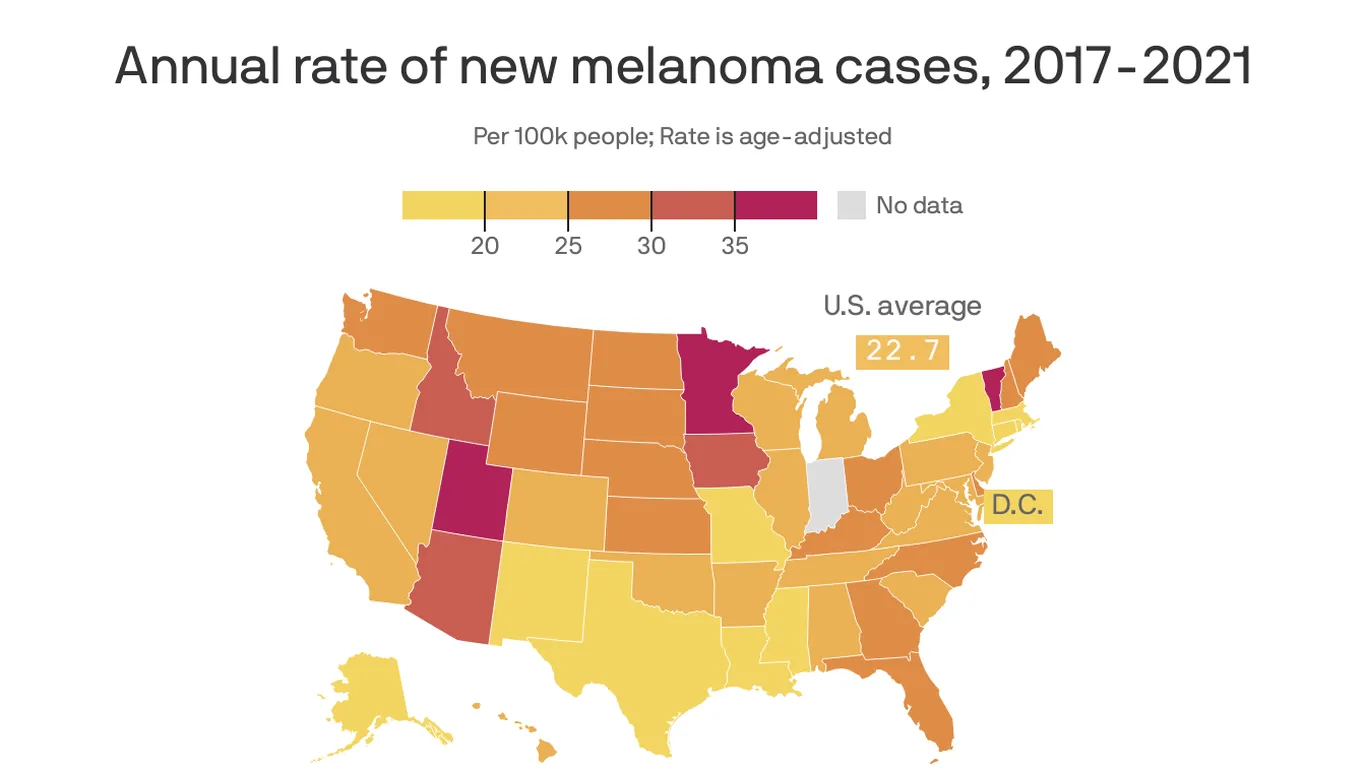
"Rising Melanoma Overdiagnoses Prompt Unnecessary Treatments"

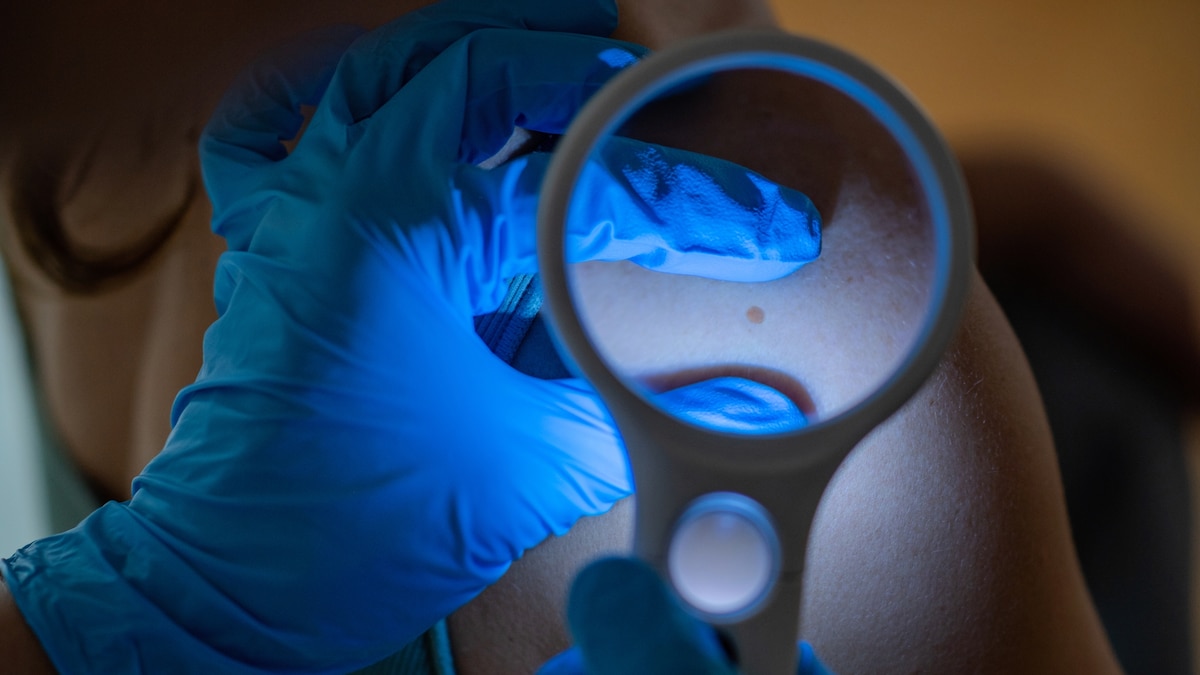
A study suggests that over half of melanoma diagnoses in the U.S. may be unnecessary, particularly in White Americans, leading to unnecessary anxiety for patients. Increased awareness has led to more screenings and biopsies, but not necessarily a reduction in death rates. The study highlights the need for more precise diagnostic criteria and a reevaluation of how early-stage melanomas should be treated and communicated to patients.

health1 year ago

"Understanding the Alarming Overdiagnosis of Melanoma"

Melanoma diagnoses have increased significantly in recent years, but experts believe that many of these cases are due to overdiagnosis rather than a true increase in the disease. A study suggests that a majority of people in the United States are receiving unnecessary melanoma diagnoses, leading to unnecessary treatments, financial costs, and emotional distress. Overdiagnosis is particularly common for thin moles on the outermost layer of the skin. There is a lack of scientific evidence supporting regular full-body skin checks, and experts recommend that individuals seek medical evaluation for any new or changing skin spots rather than undergoing routine screenings.

health2 years ago

The Silent Epidemic: Carpal Tunnel Syndrome's Disappearing Act

The prevalence of carpal tunnel syndrome, a repetitive stress injury associated with office work, peaked in the late '80s and early '90s but has since lost relevance. Increased media coverage and less accurate diagnosis tools led to a boom in diagnoses, but cases among white collar workers quickly declined. The decline may be attributed to overdiagnosis, improved workplace ergonomics, and lighter-touch keyboards. However, a recent study suggests that the problem may still exist, with people underreporting their pain as they work from home and use new devices like smartphones.

health2 years ago

Experts debunk TikTok claim that having a song stuck in your head is a sign of ADHD

Some TikTok users are claiming that having a song stuck in your head is a sign of ADHD, sparking a debate about overdiagnosis of the condition. ADHD, characterized by lack of attention and impulsivity, affects millions of Americans, with rates steadily increasing. However, experts argue that getting songs stuck in your head, known as "earworms," is a common phenomenon experienced by 90% of people and not indicative of ADHD. They emphasize that ADHD is a complex condition with a range of symptoms that manifest in various areas of life, and caution against self-diagnosis based on internet trends.

health2 years ago

Rethinking the Cancer Label: Not All Cases Are Created Equal

Two oncologists argue that the medical community needs to reconsider how we define and label certain early-stage cancers, as the current terminology often leads to unnecessary treatment, disfigurement, and psychological, relationship, and financial issues. They propose renaming very low-risk cancers to reflect their behavior more accurately, such as using terms like "indolent lesion of epithelial origin" or "preneoplasia" instead of the dreaded "C-word." By doing so, patients would be better informed about their condition and more likely to adopt monitoring and risk reduction strategies, reducing overtreatment and improving screening and prevention efforts.

health2 years ago

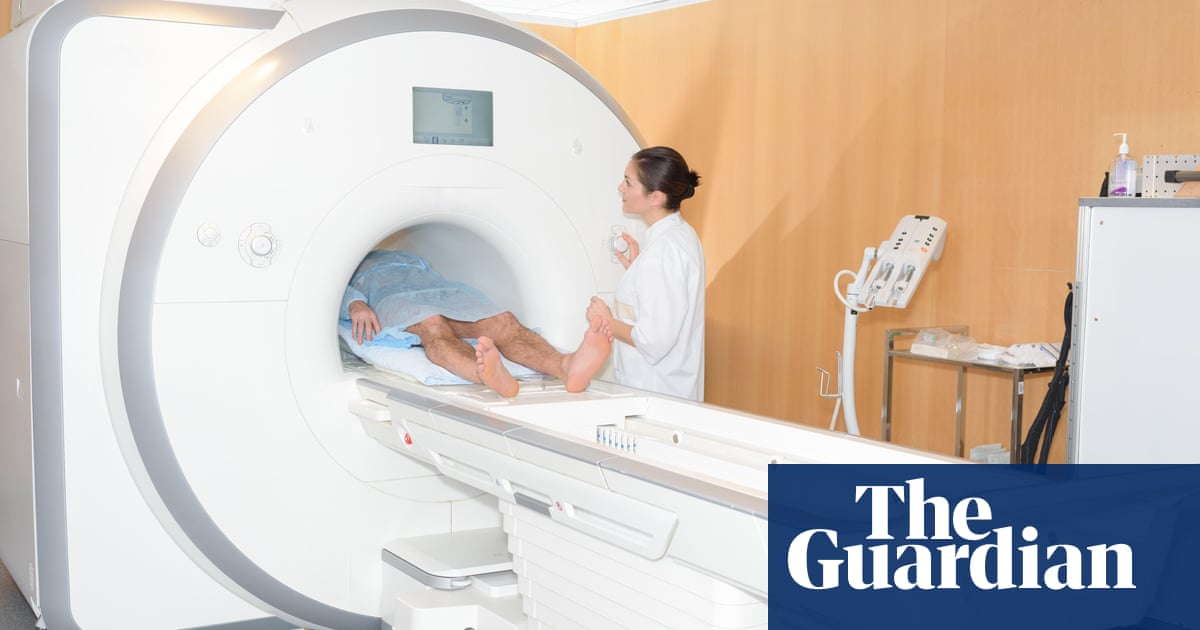
MRI Scans: A Game-Changer in Reducing Prostate Cancer Deaths

A UK study suggests that using MRI scans as a screening tool for prostate cancer could significantly reduce deaths from the disease. Current tests that detect the protein prostate-specific antigen (PSA) in the blood have been linked to overdiagnosis and overtreatment of low-risk cancer. The study found that MRI scans were able to detect potentially serious cancers in men with lower PSA levels than the current screening benchmark. The researchers believe that implementing a national screening program using MRI scans could help reduce the UK's prostate cancer mortality rate within the next five to ten years.

health2 years ago

Overdiagnosis Concerns: Breast Cancer Screening in Women Over 70

A new study suggests that breast cancer screenings for women over the age of 70 may be unnecessary and even harmful for some individuals due to the risks of overdiagnosis. The research highlights the importance of individualized plans with doctors, as there is no one-size-fits-all solution for older women. Different medical organizations provide conflicting guidelines on when to stop screenings, and the lack of research on older women further complicates the issue. Factors such as other medical conditions, risk for breast cancer, insurance coverage, and physical capability should be considered when making screening decisions. Ultimately, doctors can help patients navigate these decisions and communicate the best course of action.

health2 years ago

Overdiagnosis of Breast Cancer in Older Women Raises Concerns

A study led by scientists at Yale University's COPPER Center suggests that preventive mammograms for breast cancer may lead to overdiagnosis in older women. The research found that a significant percentage of cancer cases detected through screening in women over 70 are likely to be overdiagnosed, meaning the tumors are unlikely to cause illness before death. The study estimated that over half of these cases in women over 85 might be overdiagnosed. The findings highlight the need for a careful evaluation of the benefits and harms of breast cancer screening in older women, taking into account individual preferences, values, and overall risk factors.

health2 years ago

Overdiagnosis of Breast Cancer in Older Women Raises Treatment Risks

A study published in the Annals of Internal Medicine found that a significant number of American women aged 70 to 85 are potentially overdiagnosed with breast cancer, leading to unnecessary treatment. Overdiagnosis refers to the detection of breast cancers on screening that would never have caused symptoms or become clinically apparent. Technological advancements in screening have made it easier to detect even the smallest cancers, but not all of these cancers are destined to grow, spread, or be life-threatening. Overtreatment can increase the risk of complications, cause stress, and financial burden. The decision to get screened should be individualized, taking into account age, life expectancy, and overall health. More research is needed to determine whether mammograms are beneficial for older women, and the future of breast cancer diagnosis lies in cancer genomics and personalized treatment.

health2 years ago

The Impact of AI on Cancer Detection, Treatment, and Healthcare

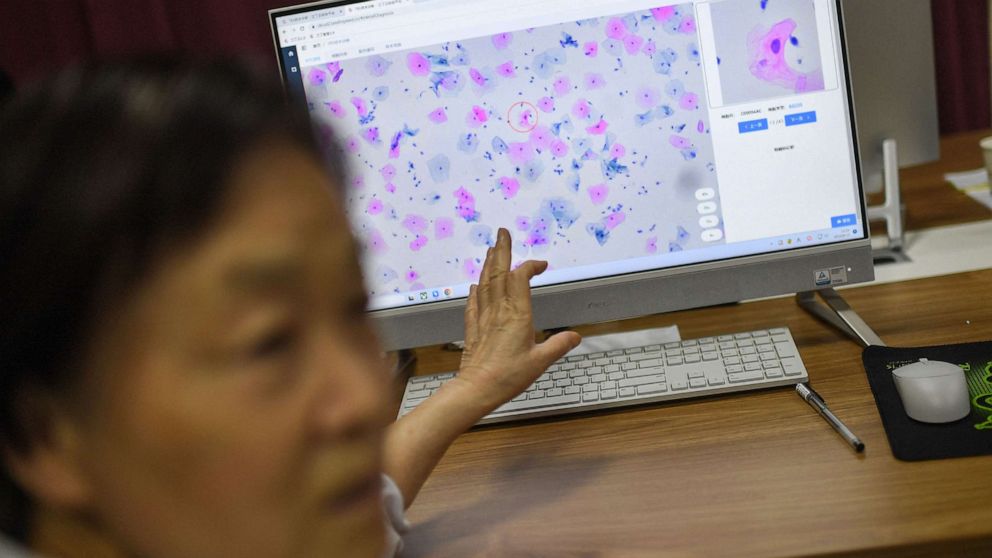
Artificial intelligence (AI) is being increasingly utilized in cancer detection and treatment, with machine-learning tools being developed to catch tumors or lesions that may be missed by doctors. AI is also being used to assist in cancer treatment and communication with patients. However, there are concerns about biases in detecting cancers in patients of different races and the potential for overdiagnosis. Experts emphasize the need for careful consideration and collaboration between clinicians, researchers, and patients to determine the appropriate use of AI in cancer diagnosis and treatment.

health2 years ago

Navigating the Changing Landscape of Mammogram Guidelines.

The US Preventive Services Task Force (USPSTF) has released new guidelines recommending that women with average breast cancer risk start getting mammograms every two years beginning at 40, instead of starting at age 50. However, experts warn that mammograms can lead to overdiagnosis and overtreatment, causing harm to patients. Black women, who have higher rates of breast cancer deaths, may benefit from earlier mammograms, but the new recommendations do not address the root causes of health care access disparities. Instead, experts suggest identifying the causes of triple-negative breast cancers and addressing racial inequities in health care access.