Tag

Exercise Mimetics

All articles tagged with #exercise mimetics

"Pioneering Research: The Promise of Exercise-Mimicking Pills"

Originally Published 1 year ago — by Livescience.com

Featured image for "Pioneering Research: The Promise of Exercise-Mimicking Pills"
Source: Livescience.com

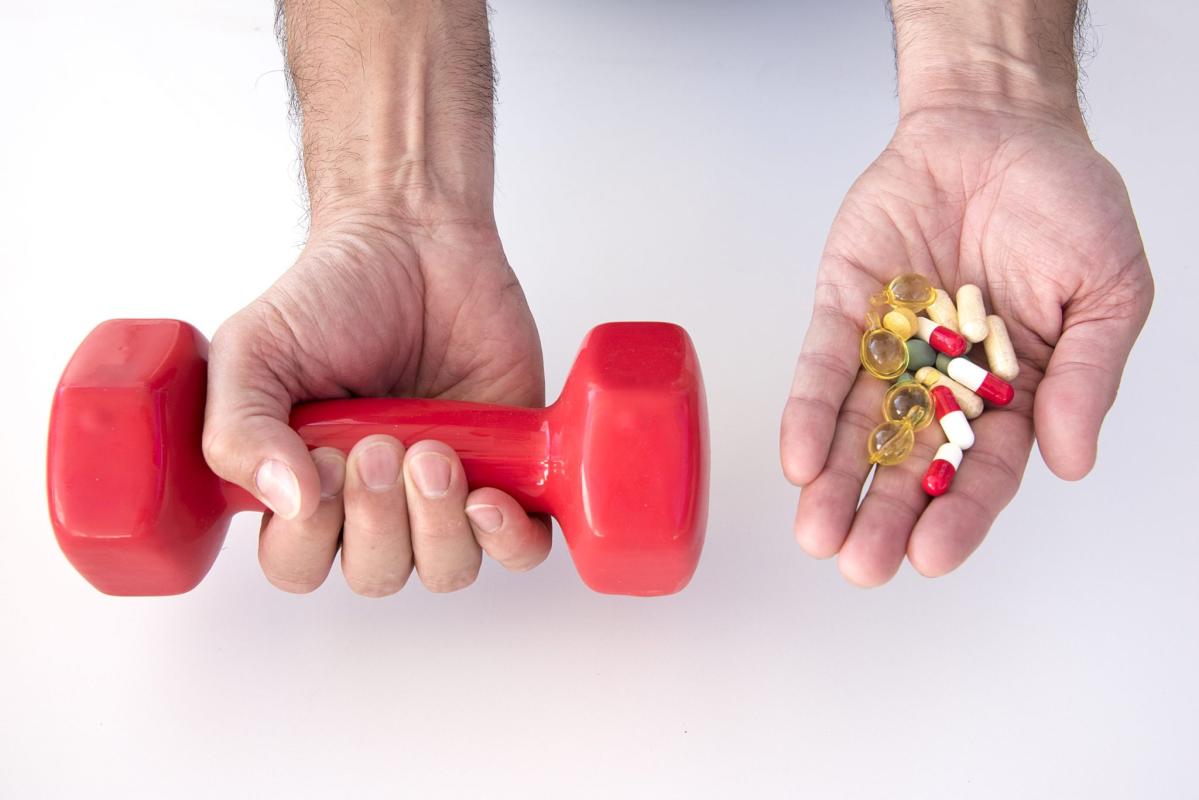
Scientists are working on developing drugs called "exercise mimetics" that mimic some of the cellular effects of exercise, aiming to help those who face physical barriers to exercising. The drugs target estrogen-related receptors (ERRs) to boost muscle mass and cellular energy production. While the research is promising, the drugs are still in early stages and have yet to be tested in humans. The team is also exploring potential applications for treating conditions like heart failure, obesity, kidney dysfunction, and neurodegenerative disorders.

"Pioneering Pill Mimics Exercise Benefits, Researchers Find"

Originally Published 1 year ago — by AOL

Featured image for "Pioneering Pill Mimics Exercise Benefits, Researchers Find"
Source: AOL

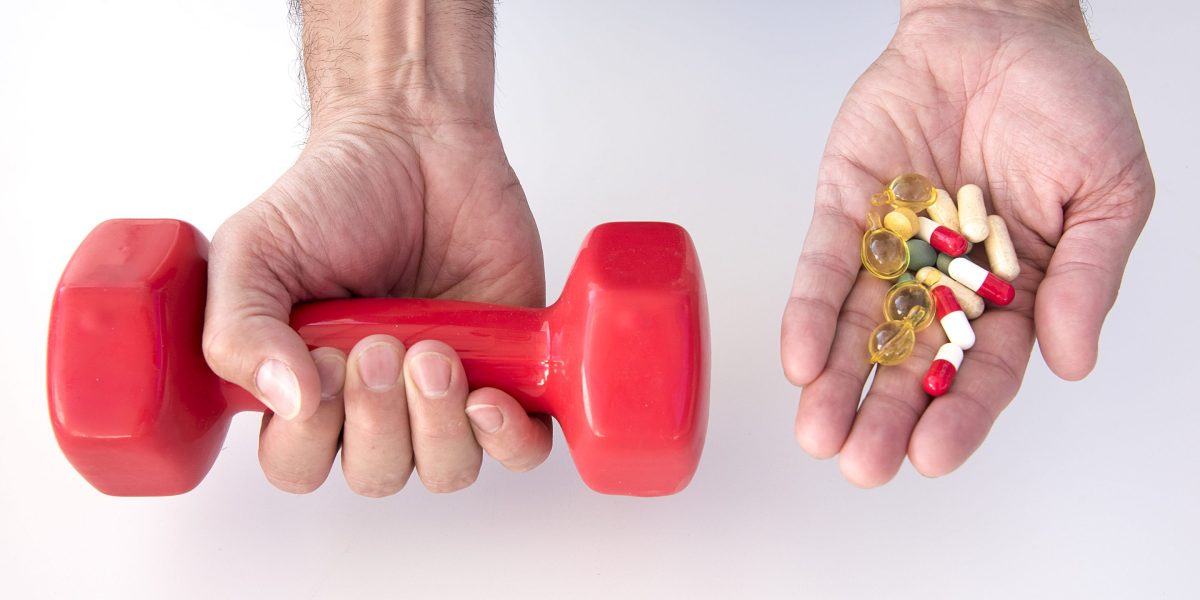
Scientists are developing a pill that mimics the benefits of exercise, potentially offering a solution for those unable to work out due to medical conditions or time constraints. The compound SLU-PP-332 and its new iterations activate proteins responsible for metabolic pathways and have shown promising results in rodents, including improved endurance and muscle function. The research team aims to create a safe and potent drug that could be used in humans within the next five years, with potential applications for treating muscle atrophy, obesity, and neurodegenerative diseases.

"Pioneering Research: Developing a Pill to Mimic Exercise Benefits"

Originally Published 1 year ago — by Fortune

Featured image for "Pioneering Research: Developing a Pill to Mimic Exercise Benefits"
Source: Fortune

Scientists have developed a compound called SLU-PP-332 that mimics the physical benefits of exercise in rodents, with the potential to treat muscle atrophy and improve physical fitness in humans, especially those with serious ailments. The compound activates a group of proteins responsible for metabolic pathways in high-energy-demand tissues, and new patentable molecules have shown even stronger effects in mimicking exercise. The research team aims to develop a pill form of the drug for human use, potentially offering benefits such as weight loss, improved insulin sensitivity, and enhanced exercise endurance.

"Exploring the Potential of Exercise Pills for Public Health Enhancement"

Originally Published 2 years ago — by The Guardian

Featured image for "Exploring the Potential of Exercise Pills for Public Health Enhancement"
Source: The Guardian

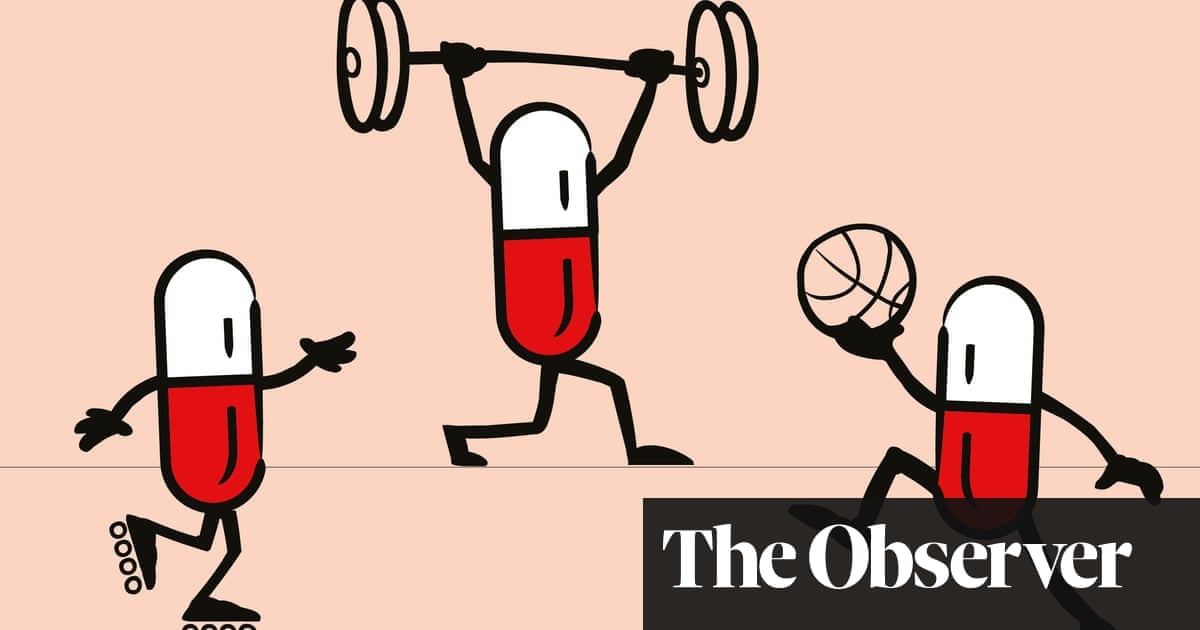
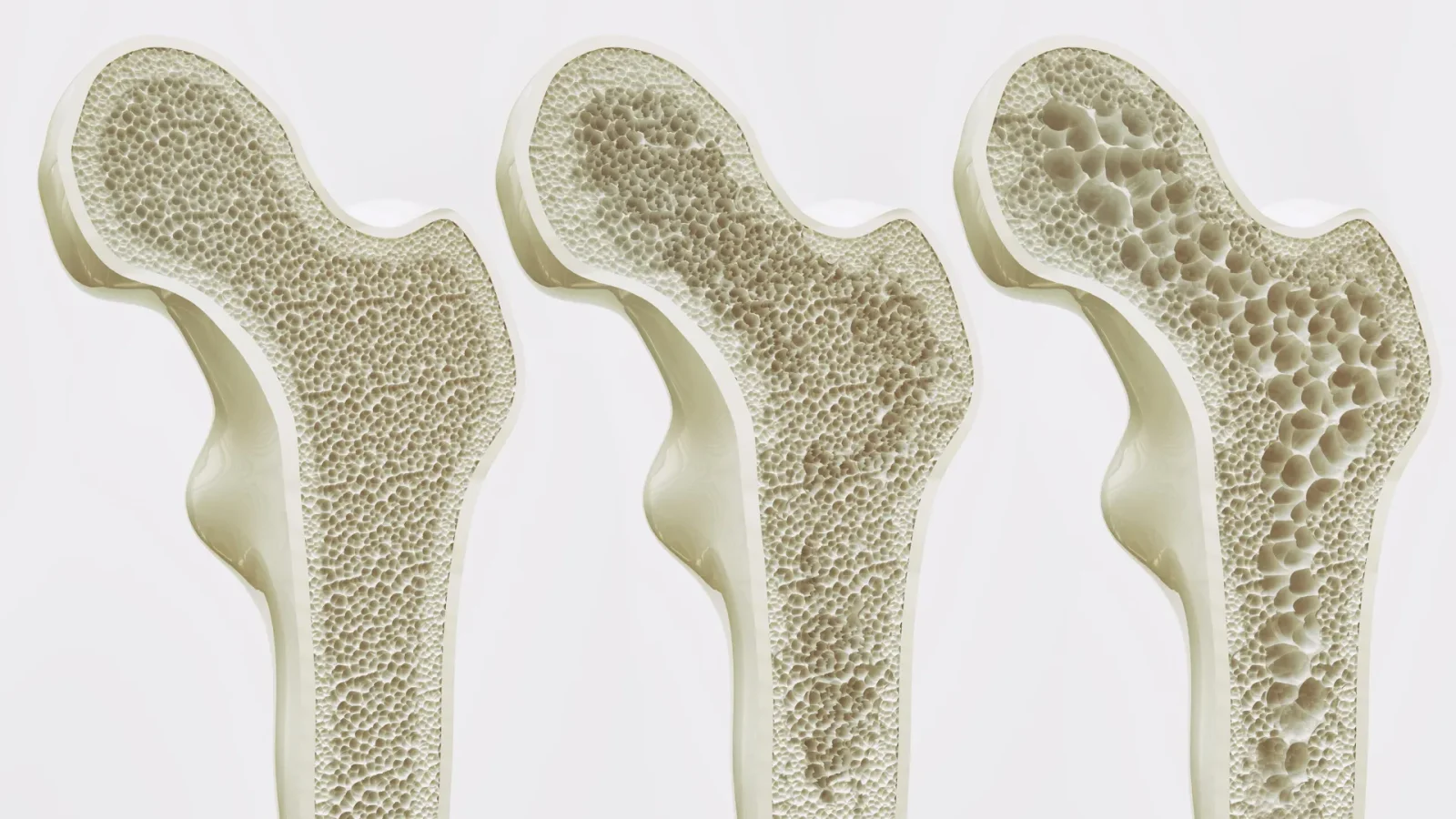
Researchers are exploring the potential of "exercise pills" as a means to replicate the health benefits of physical activity, particularly for those unable to exercise due to age or disability. The ExPlas trial in Norway is testing the effects of injecting plasma from active young adults into older individuals with early-stage Alzheimer's. Additionally, scientists are investigating specific hormones like irisin, which could lead to exercise-based treatments. While the full impact and safety of such treatments are still under study, with results expected in 2025, the concept represents a promising frontier in medical science that could benefit a wide range of patients, including those with Alzheimer's, osteoporosis, and obesity.

"Groundbreaking Drug Triggers Weight Loss and Muscle Growth in Mice"

Originally Published 2 years ago — by Medical Xpress

Featured image for "Groundbreaking Drug Triggers Weight Loss and Muscle Growth in Mice"
Source: Medical Xpress

A new drug, SLU-PP-332, has shown promising results in mice by mimicking the effects of exercise without increasing physical activity. The drug boosts the body's metabolism and increases endurance, leading to weight loss and improved muscle activity. It targets a group of proteins known as ERRs, which activate important metabolic pathways in tissues like muscles, the heart, and the brain. The drug has the potential to treat obesity, diabetes, and age-related muscle loss in humans, but further research is needed. The next step is refining the drug's structure and testing for side effects before human trials can begin.