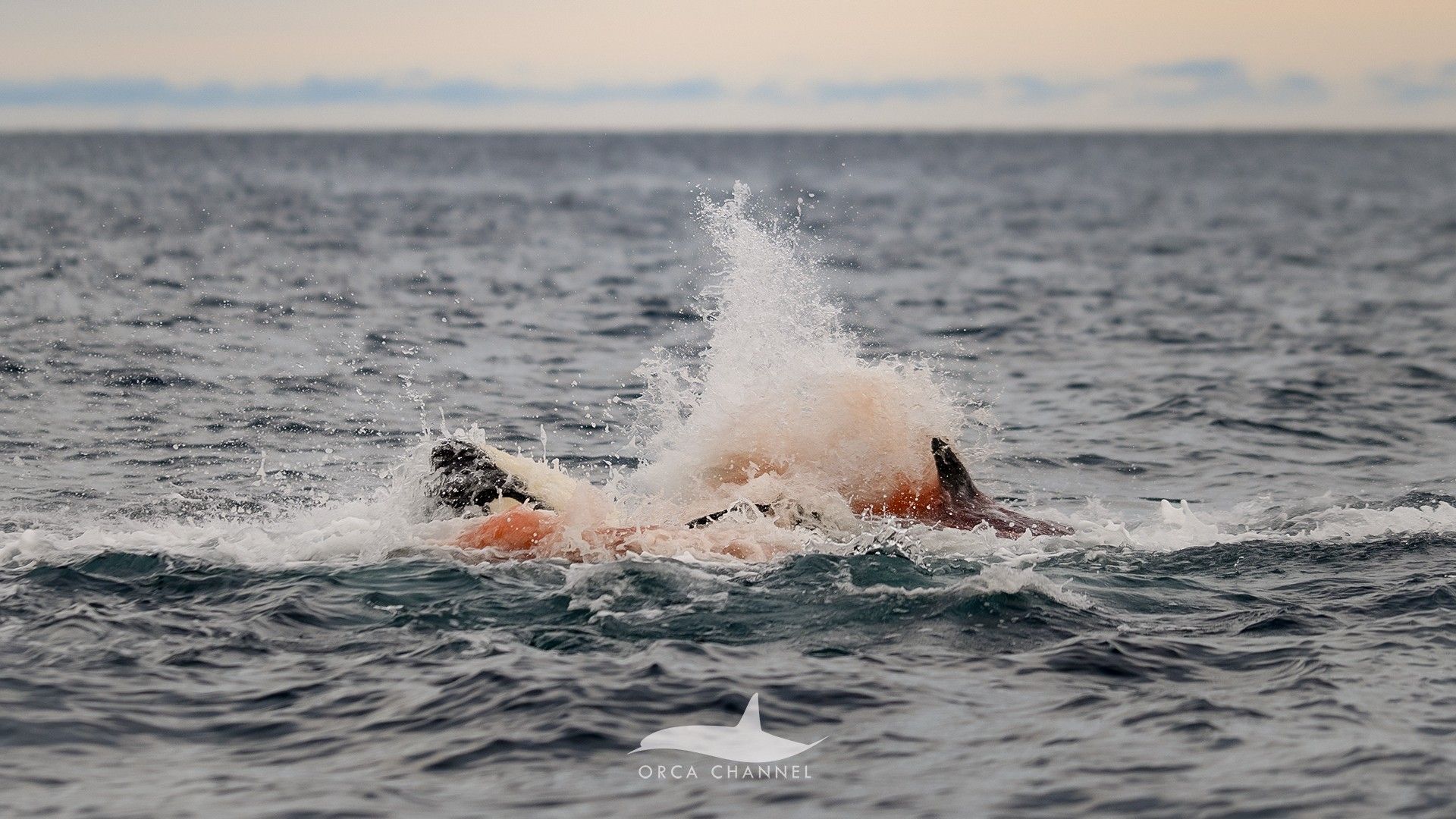
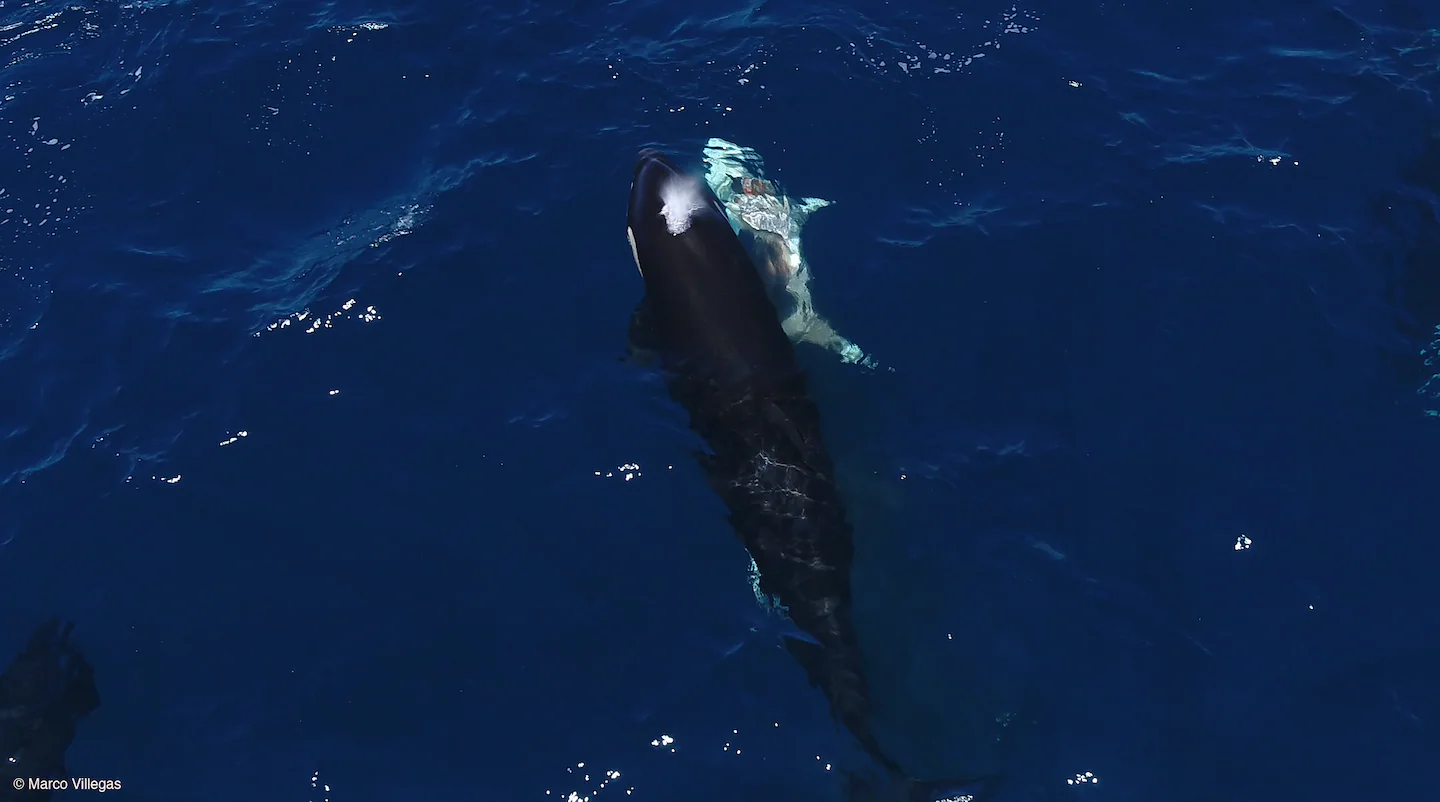
Scientists in Norway captured the first-ever images of a wild orca giving birth, observing the calf's initial struggles and the pod's protective behavior, marking a significant milestone in marine biology research.
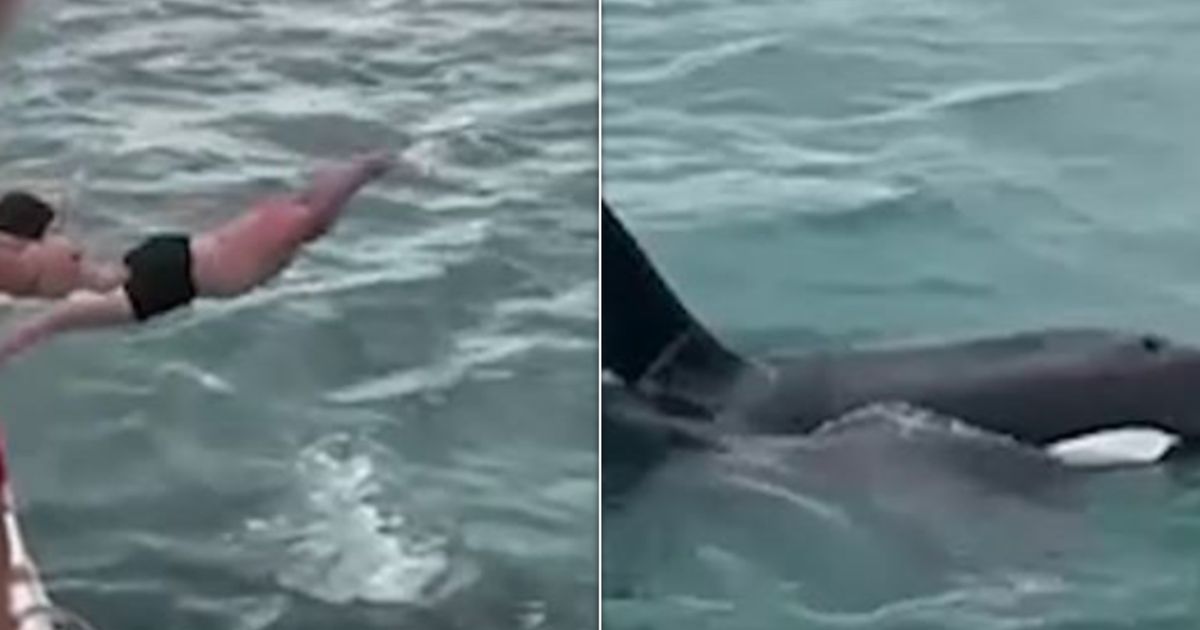
A New Zealand man was fined 600 NZD for attempting to "body slam" an orca, an act condemned by conservation authorities as dangerous and idiotic. The incident, which was captured on video, showed the man jumping off a boat to harass the orca and its calf. Authorities warned that such behavior could have serious consequences for both the animals and the individuals involved.
A 50-year-old man in Auckland, New Zealand, has been fined for attempting to body slam an orca, violating the country's Marine Mammals Protection Act. The incident, captured on video, showed the man jumping into the water to touch the orca, prompting condemnation from New Zealand's Department of Conservation for his irresponsible behavior.
A New Zealand man was fined $600 for attempting to "body slam" an orca near Auckland, an act deemed "shocking and stupid" by officials. The incident, filmed and posted on Instagram, showed the man jumping off a boat to touch the orca, which was swimming near a calf. Authorities highlighted the danger and irresponsibility of his actions, noting the orca's critical status and potential risks to both the man and the whale.
A New Zealand man has been fined 600 New Zealand dollars for attempting to "body slam" an orca in a social media video, an act officials condemned as "stupid" and "extremely irresponsible." The incident, which took place off the coast of Auckland, was reported to the Department of Conservation, highlighting the legal protections for orcas in the country and the potential dangers of such reckless behavior.
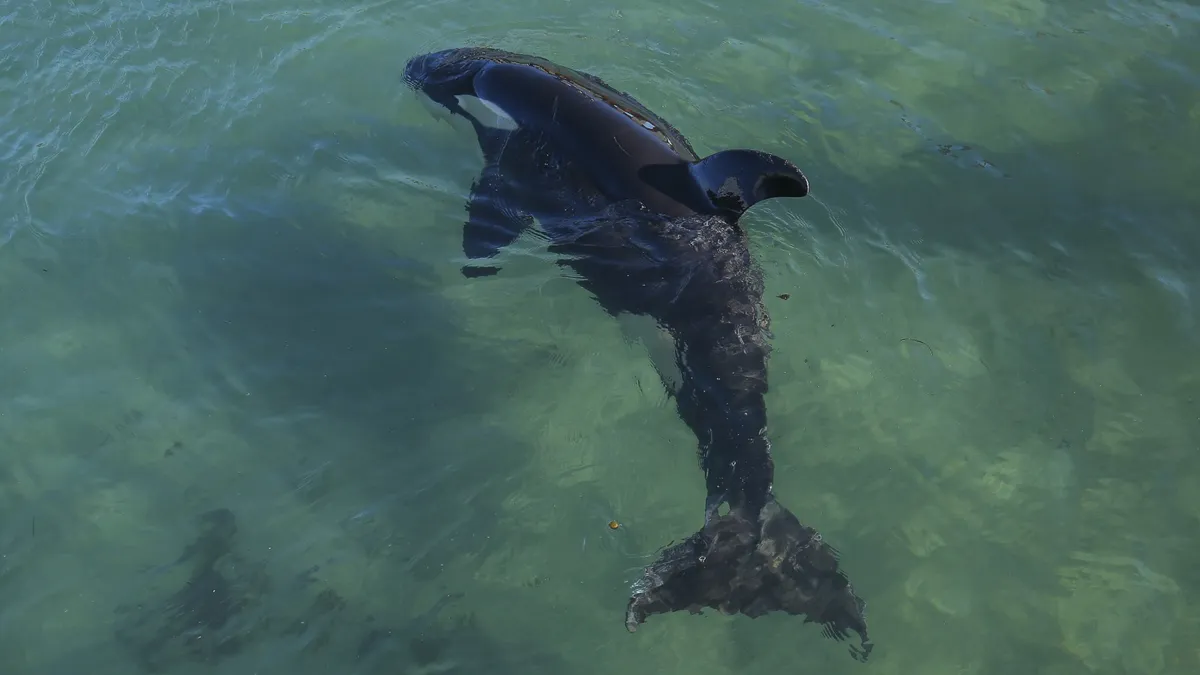
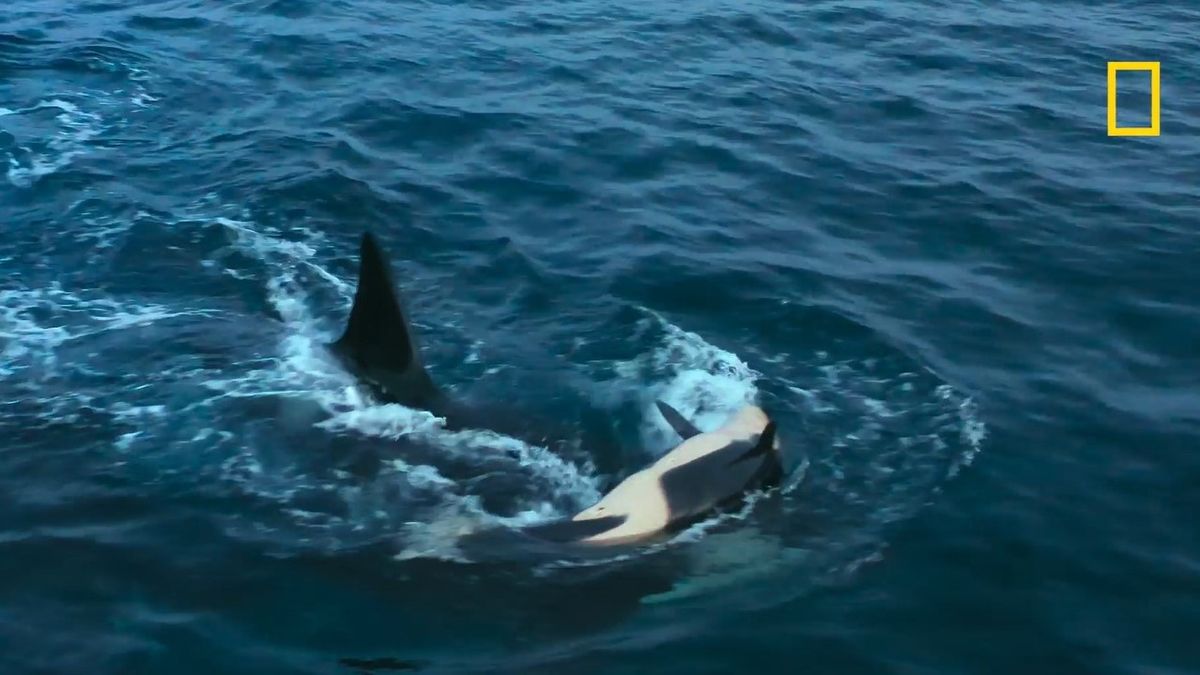
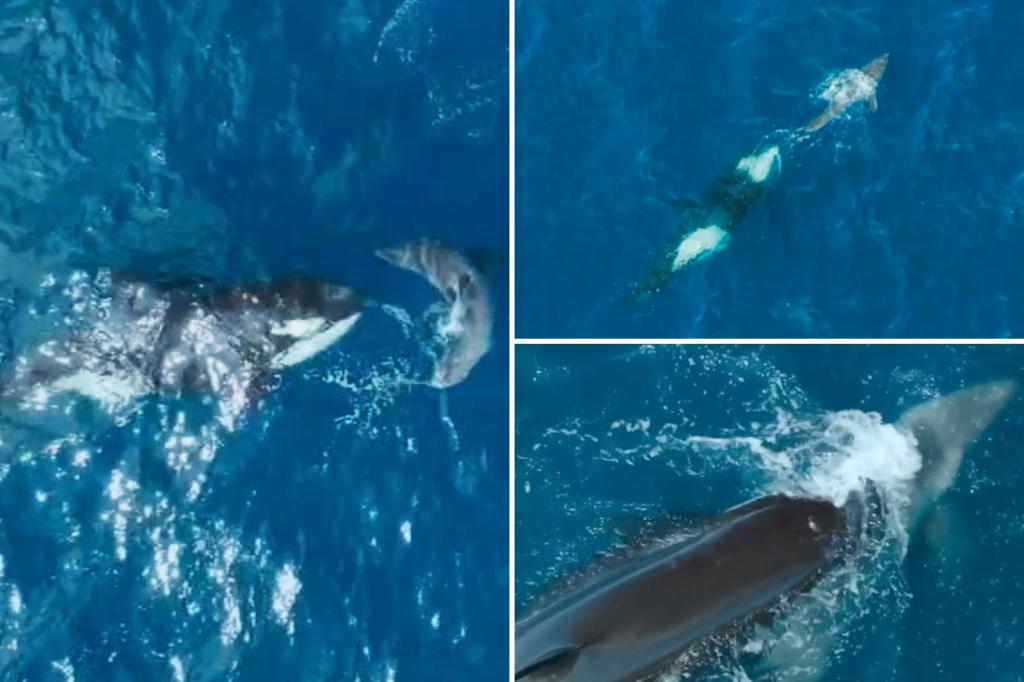
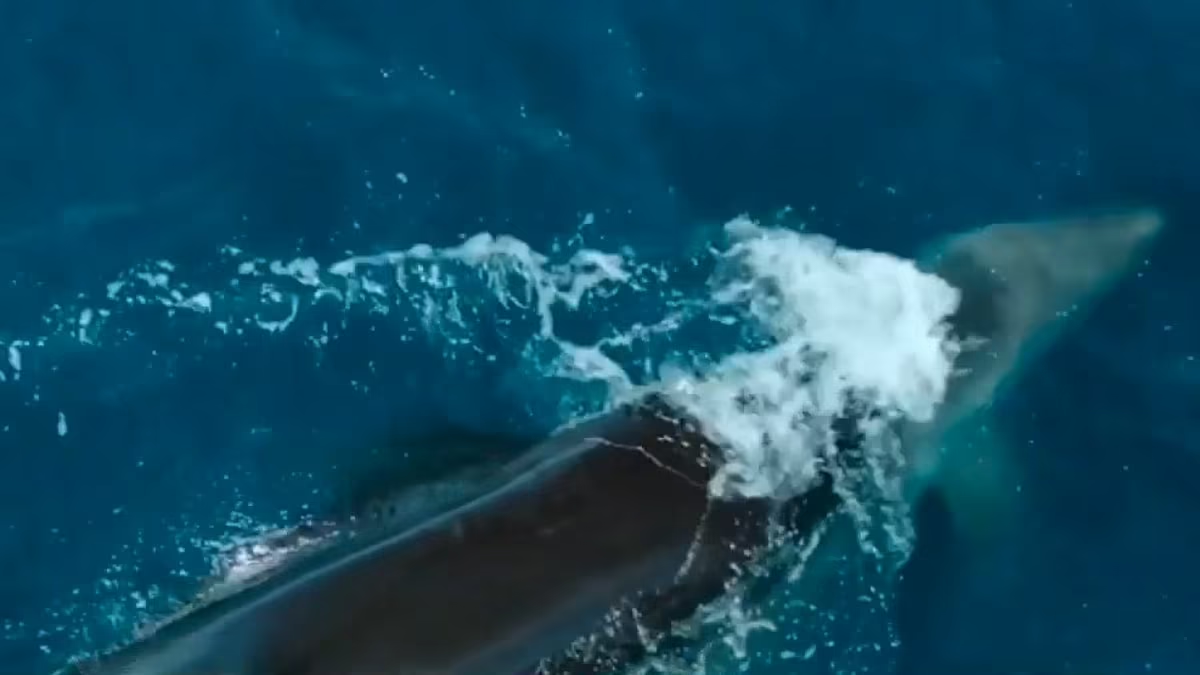
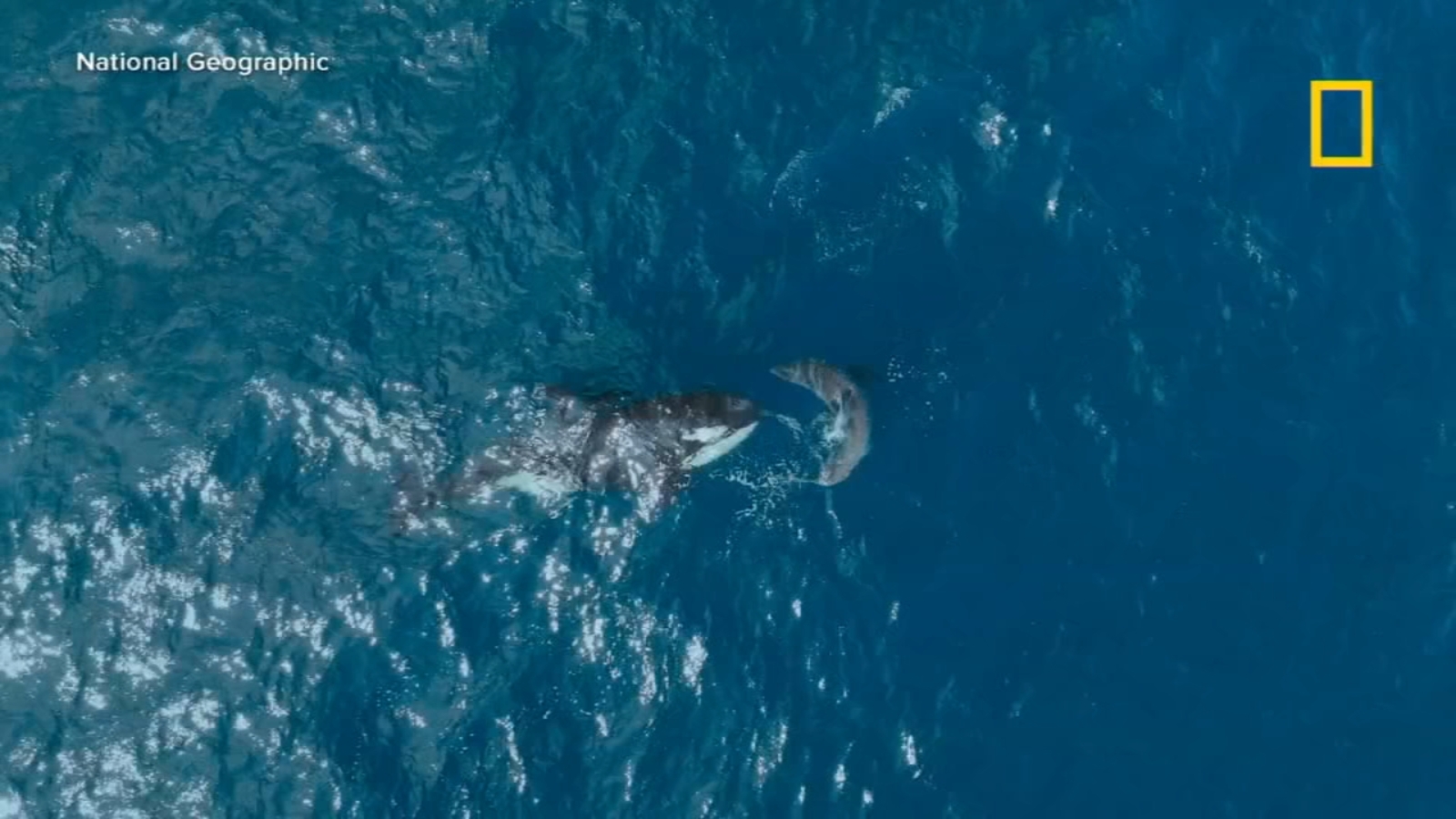
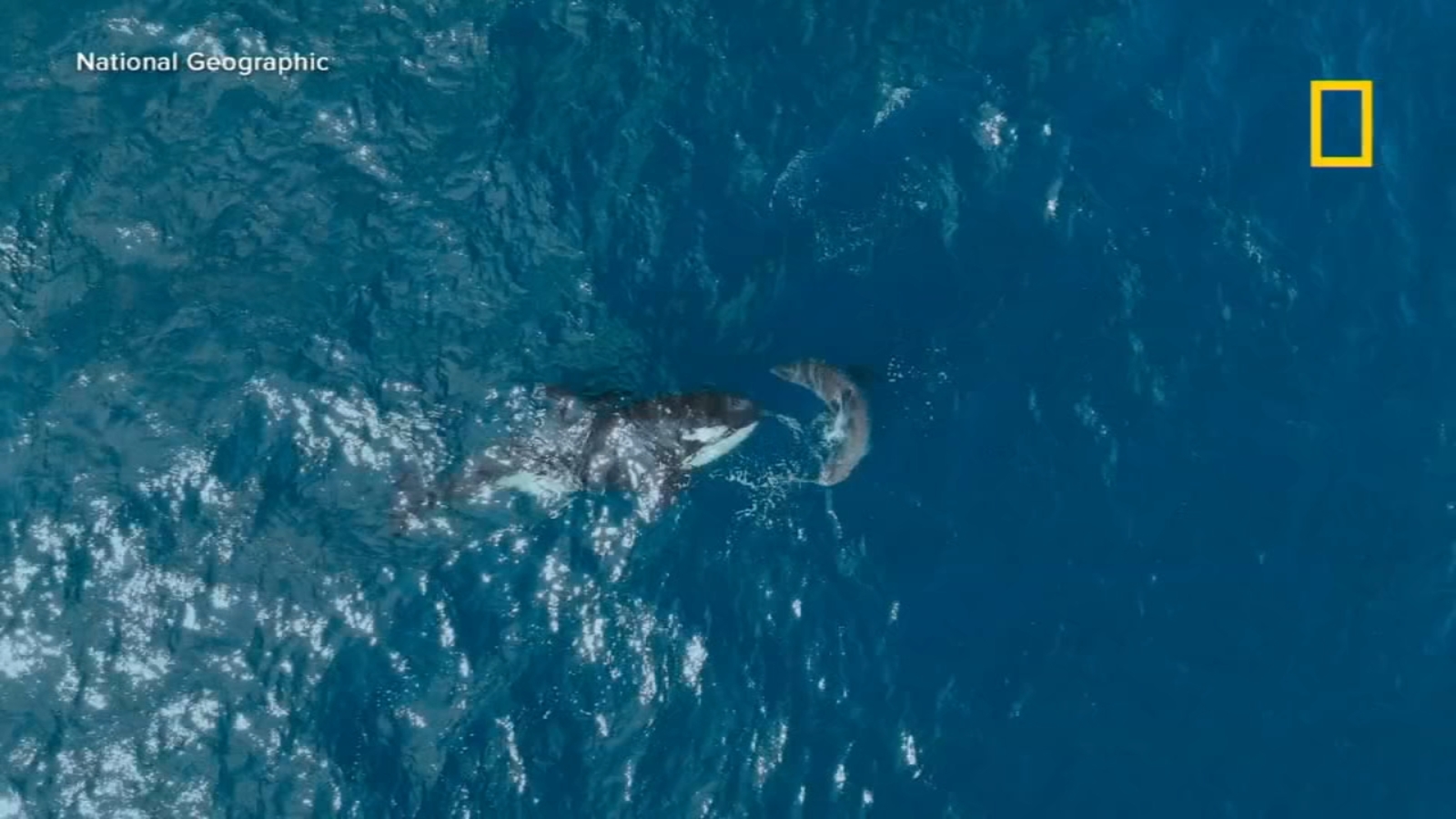
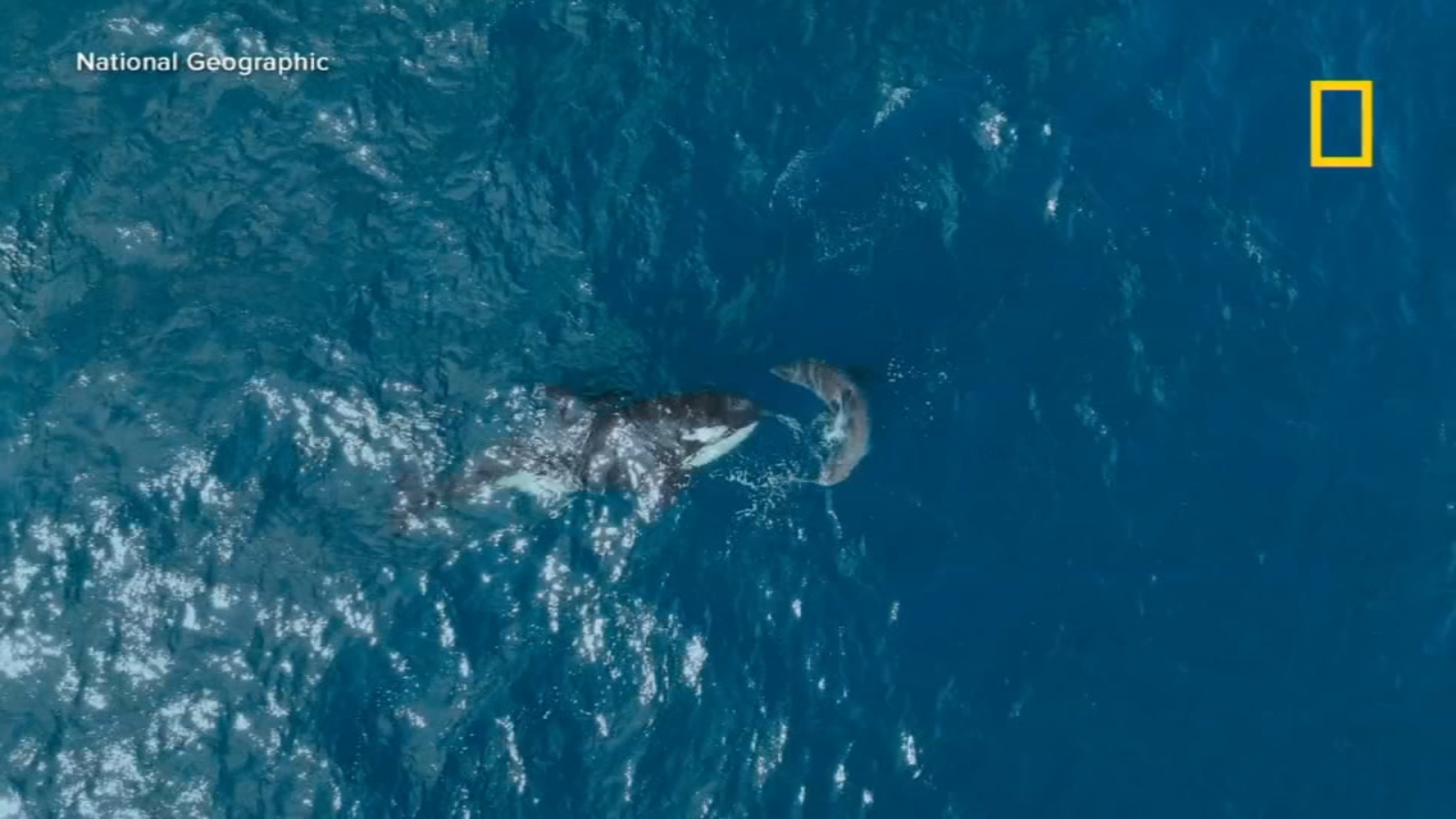
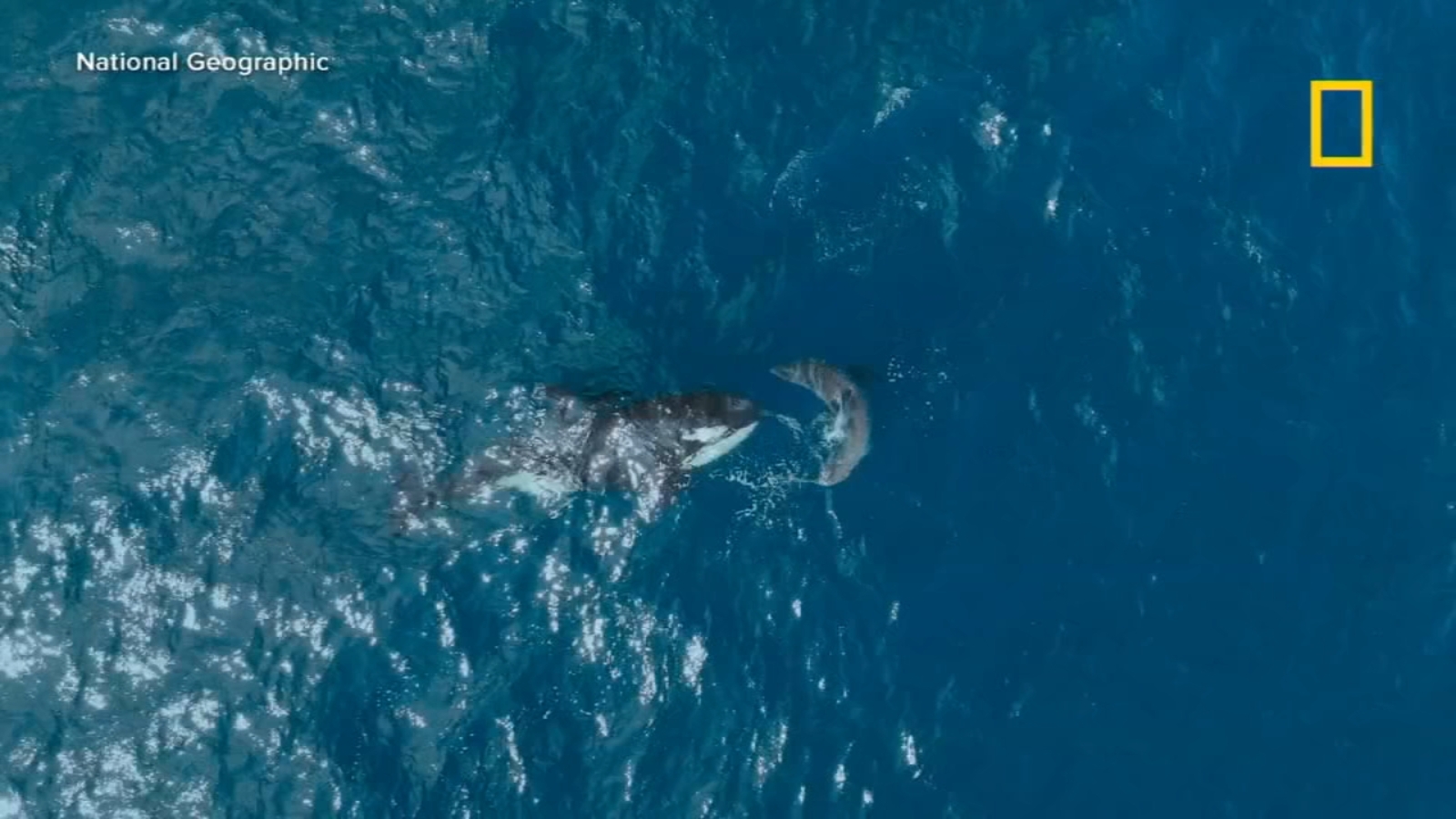
Heartbreaking footage captured by National Geographic shows a rare instance of orca infanticide, as a mother and her adult son from one pod team up to drown a calf from a neighboring pod. The behavior, likely aimed at enabling the male to breed with the mother of the deceased calf, is extremely rare and has only been documented once in published scientific literature. The footage provides scientists with a unique opportunity to study the roles and reactions of the orcas involved, shedding light on the power of the matriarch and the lengths she'll go to for the benefit of her pod and lineage.
Scientists witnessed a lone orca named Starboard killing an 8-foot great white shark off the coast of South Africa, marking the first documented instance of a solitary orca preying on a great white. The incident, observed in June 2023, challenges conventional hunting behaviors and raises concerns about the orcas' impact on the area's ecosystem. Researchers believe that killer whales could potentially drive sharks out of South African waters, leading to changes in the marine ecosystem.
In a rare and shocking encounter, a 60-year-old grandmother orca named Sophia was filmed attacking and killing a great white shark as part of National Geographic's limited series "Queens." This is believed to be the first time a solo orca has been captured on film killing a great white shark. Orcas, also known as killer whales, are highly intelligent and powerful animals, and recent reports suggest they may be becoming more aggressive, possibly due to climate change.
Scientists have observed a lone Orca, named Starboard, attacking and killing a great white shark in South Africa, marking the first documented instance of such behavior in the region. The orca swiftly killed the shark and consumed its liver, a behavior that has raised concerns among scientists about potential disruptions in the balance of apex predators in the ocean, possibly due to human activities such as climate change and industrial fishing. The incidents of orcas preying on great white sharks appear to be increasing, posing potential threats to other species in the marine ecosystem.
Footage captured by National Geographic shows a 60-year-old orca named Sophie taking down a great white shark off the coast of South Africa, while another orca named Starboard was seen killing and eating a great white shark within two minutes. Scientists believe that climate change may be causing orcas to change their behaviors, as they are typically pack animals but have been observed hunting solo. The incidents have raised questions about the shifting dynamics of marine predator behavior in response to environmental changes.
Rare footage captured by National Geographic shows a 60-year-old orca named Sophia taking down a great white shark, a behavior experts believe to be an anomaly. The orca's solitary hunting may be an adaptation caused by climate change, and while killer whales have been observed displaying aggressive behavior towards boats, experts emphasize that such incidents are different from their predatory behavior. The footage sheds light on the power and intelligence of orcas, challenging the perception of great white sharks as the top predators in the ocean.
A rare and stunning wildlife moment was captured on camera as a 60-year-old grandmother orca named Sophia was filmed taking down a great white shark, showcasing the orca's power and intelligence. Experts believe this event is likely an anomaly, as orcas are typically highly social animals that hunt in pods. The footage coincides with the first time a single orca has been documented killing a great white shark, sparking discussions about the behavior of these apex predators and their interactions with other marine life.
A rare and stunning video captured a 60-year-old orca named Sophia taking down a great white shark, challenging the perception of great white sharks as the top predator in the ocean. Experts believe this behavior may be an anomaly, possibly influenced by climate change. The orca's aggressive behavior has also been observed in other instances, including attacking boats off the coasts of Portugal and Morocco. The footage is part of the National Geographic limited series "Queens," showcasing the power and intelligence of orcas in the wild.
Rare footage captured by National Geographic shows a 60-year-old orca named Sophia taking down a great white shark, a behavior experts believe to be an anomaly. The orca's solitary hunting may be an adaptation to climate change, and previous instances of orca aggression towards boats have been observed. The footage sheds light on the power and intelligence of orcas, challenging the perception of great white sharks as the top ocean predator.