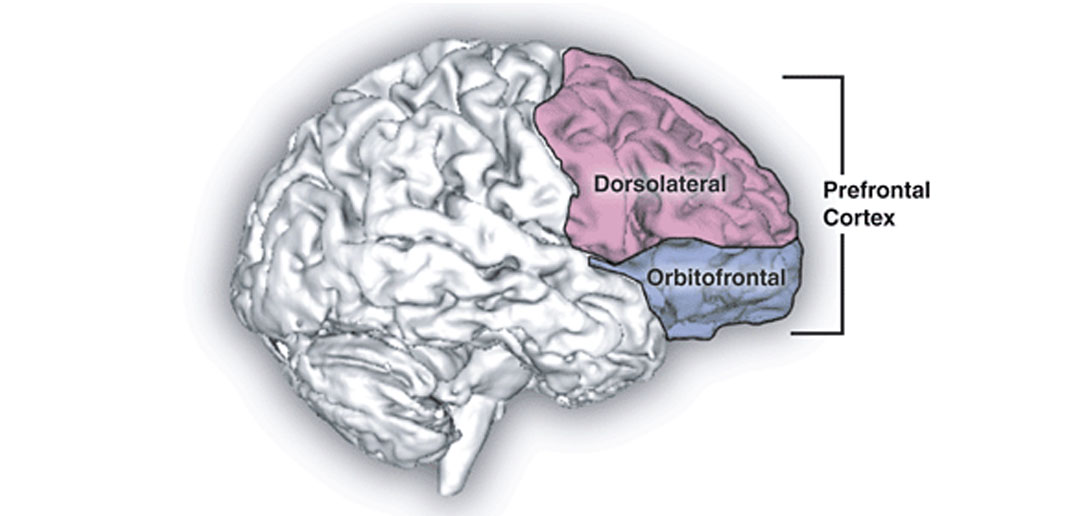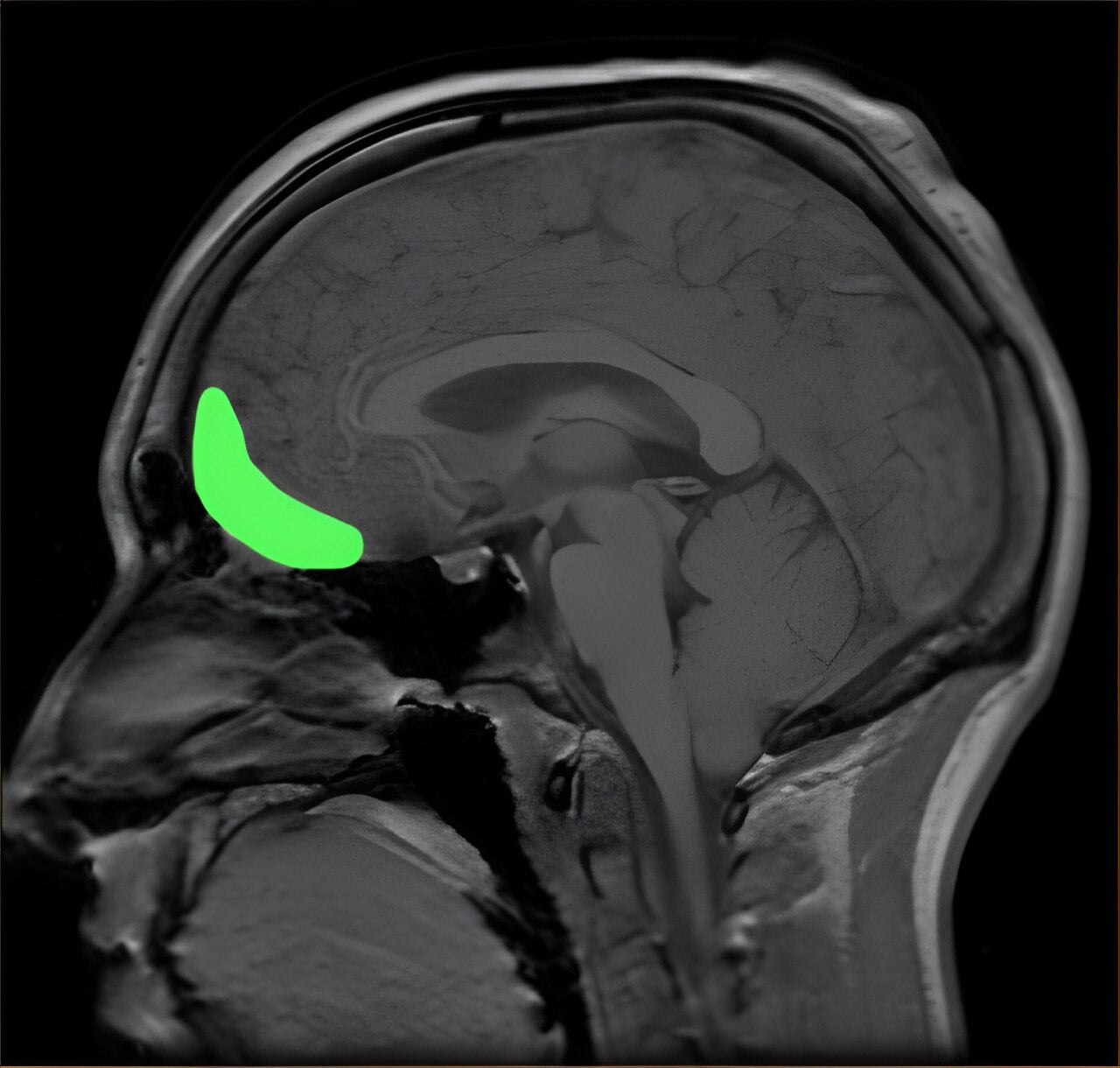
Researchers at Yale identified two brain regions, the orbitofrontal cortex and dorsomedial prefrontal cortex, as crucial for social gaze in primates. Stimulating these areas can enhance immediate and long-term social gaze behaviors, potentially informing therapies for social behavior challenges in disorders like autism.
A longitudinal study in Germany suggests that negative life events experienced during childhood can predict depressive symptoms later in life, with the development of depressive symptoms preceded by accelerated thinning of the orbitofrontal cortex region of the brain. The study sheds light on the neural and psychological mechanisms underpinning the development of depression, but also has limitations, including the treatment of negative life events as a singular score without considering timing, frequency, or duration.
Experiencing negative life events (NLE) during childhood is associated with a higher risk of developing depression in young adulthood, according to a new study. The research, involving brain imaging tests on 321 participants, also found that thinning of the orbitofrontal cortex during adolescence is linked to increased depressive symptoms later in life. While there was no direct relationship between NLE and orbitofrontal cortex thickness, the study highlights the importance of early assessment and monitoring of these factors to identify individuals at risk for depression and prevent psychological disorders in young adults.
Brain imaging studies have revealed that high-fat foods, such as milkshakes, activate the orbitofrontal cortex (OFC) in the brain, which is involved in reward processing. Researchers found that the smooth texture of fatty foods influences the allure of the food and guides eating behavior. The study also showed that individuals with more sensitive OFCs to fatty texture were more likely to consume larger amounts of high-fat foods. These findings could contribute to the development of low-calorie food formulations and provide insights into the neural mechanisms of overeating.
Researchers at the University of California, Berkeley have conducted a study exploring the involvement of the orbitofrontal cortex (OFC) and anterior cingulate cortex (ACC) in decision-making. They found that OFC neurons represent the value of options under consideration and continuously flip-flop between them, which predicts decision-making. The researchers also discovered that this flip-flopping alters signals in the ACC related to the choice itself, suggesting that the ACC determines the final choice. These findings could lead to the development of implantable devices that monitor neural activity and bias decision-making towards healthier choices, benefiting individuals with addiction or unhealthy lifestyle habits. Future research will focus on how context influences decision-making processes.