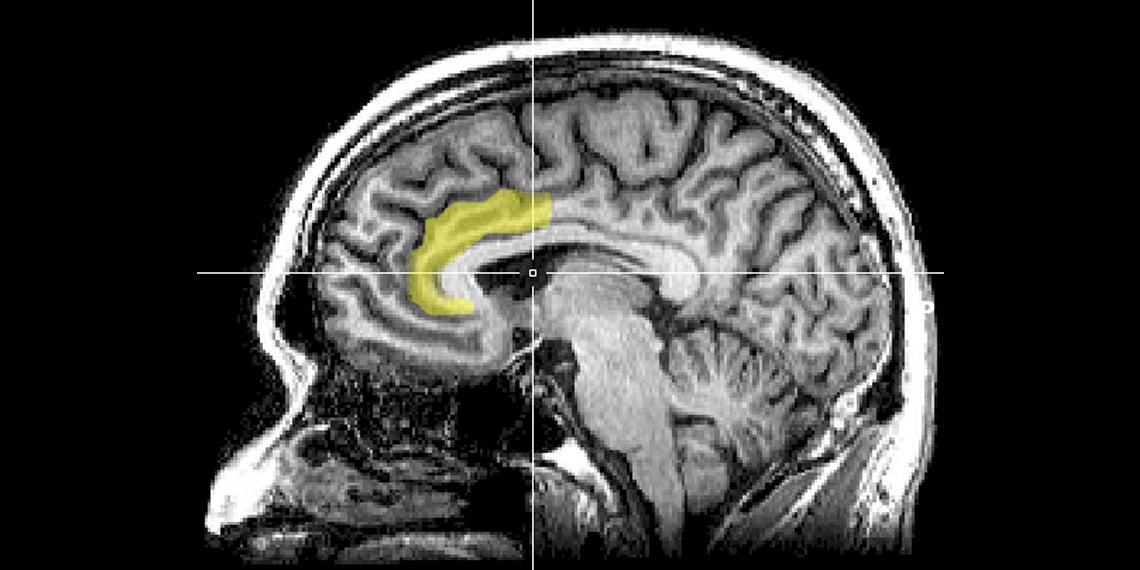
A study found that individuals with schizophrenia have smaller and differently shaped neurons in the brain's anterior cingulate cortex, with neuron size correlating to hallucination severity, suggesting potential biological markers and targets for future treatments.
A study identifies beta frequency neural activity in the anterior cingulate cortex (ACC) as crucial for recognizing rewards and shaping behavior, which is altered in patients with depression. This neural signature could serve as a biomarker and potential treatment target for anhedonia, potentially leading to innovative therapies for mental health conditions involving disrupted reward processing.
New research delves into how ketamine affects brain connectivity in individuals with treatment-resistant depression, shedding light on its rapid antidepressant effects. The study, involving 50 participants, found that ketamine significantly improved depressive symptoms and the ability to anticipate pleasure compared to a placebo. Changes in brain connectivity within the anterior cingulate cortex were associated with improvements in depression and anhedonia symptoms, suggesting that different brain regions may contribute to these conditions in diverse ways. The findings provide valuable insights into the potential for targeted treatments for specific groups of patients burdened by particular symptoms.
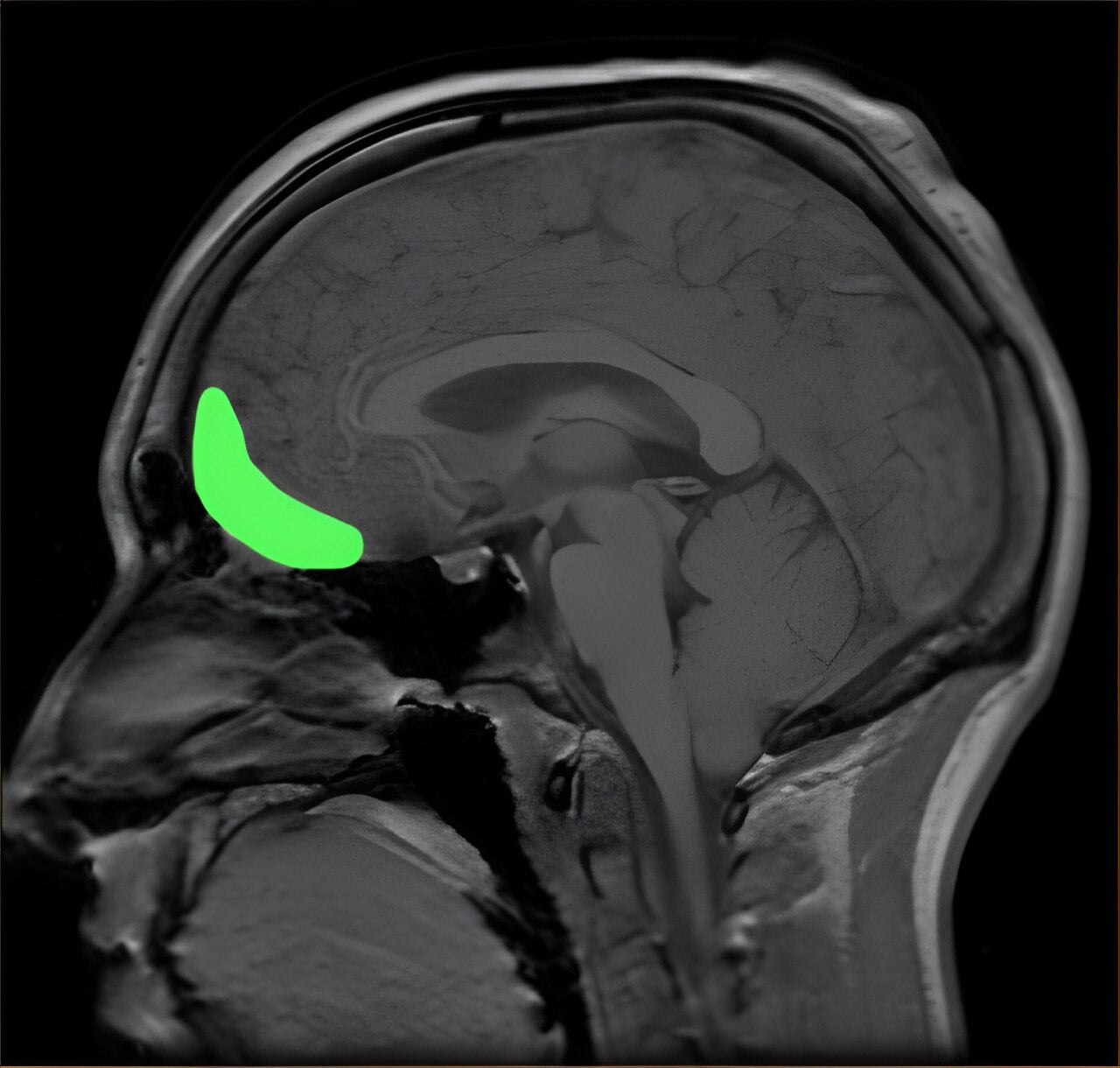
Researchers at the University of California, Berkeley have conducted a study exploring the involvement of the orbitofrontal cortex (OFC) and anterior cingulate cortex (ACC) in decision-making. They found that OFC neurons represent the value of options under consideration and continuously flip-flop between them, which predicts decision-making. The researchers also discovered that this flip-flopping alters signals in the ACC related to the choice itself, suggesting that the ACC determines the final choice. These findings could lead to the development of implantable devices that monitor neural activity and bias decision-making towards healthier choices, benefiting individuals with addiction or unhealthy lifestyle habits. Future research will focus on how context influences decision-making processes.