The article discusses the mixed interest of U.S. and European energy companies in investing in Venezuela's oil sector amid political upheaval, with skepticism from major firms and enthusiasm from smaller players, highlighting the risks and uncertainties involved.
Donald Trump suggested that US taxpayers could reimburse oil companies like Chevron, ConocoPhillips, and ExxonMobil for investing in rebuilding Venezuela's oil infrastructure, aiming to increase production after US-led regime change, though plans face significant challenges due to infrastructure, political, and legal uncertainties.
Major US energy companies, including Chevron, are responding to the US administration's efforts to control oil-rich Venezuela, with Chevron continuing operations in the country and producing 150,000 barrels daily, while others like ConocoPhillips monitor the situation amid potential investment opportunities estimated between $500 billion and $750 billion over five years.
Russia's Lukoil plans to sell its foreign assets due to the impact of US sanctions, as the company faces increased financial pressure and seeks to mitigate risks associated with international restrictions.
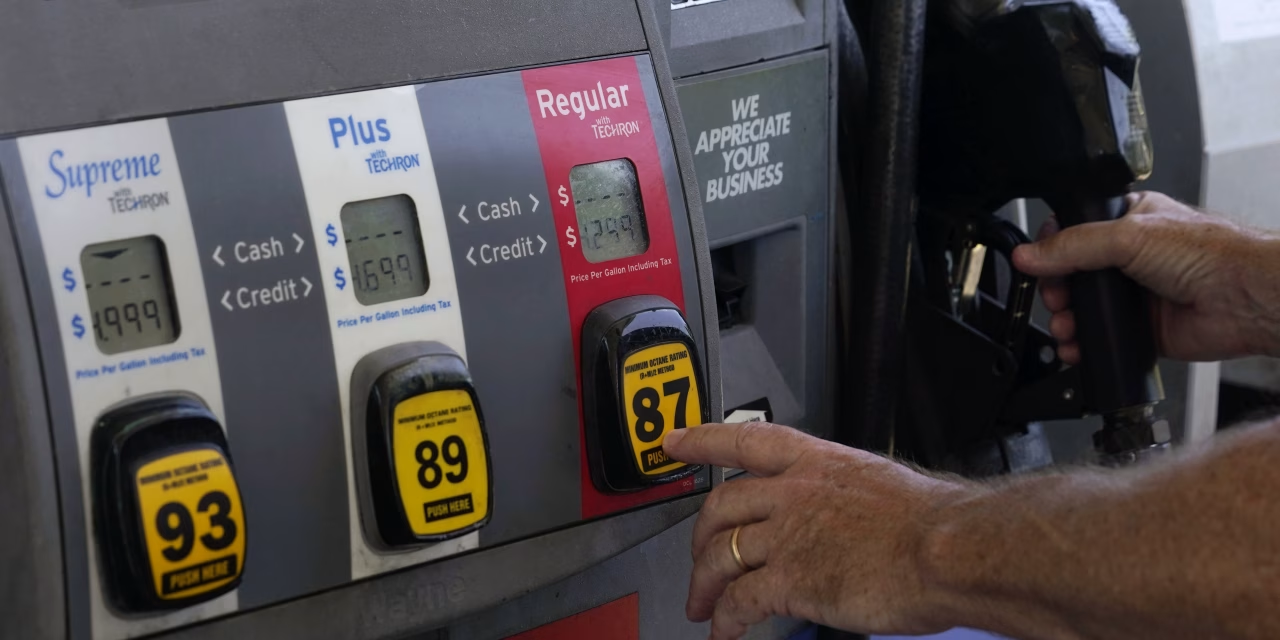
Despite Donald Trump's pledge to lower US gas prices by increasing domestic oil production, energy experts and industry leaders are skeptical. US oil companies are focused on maintaining profitability by controlling costs and maximizing efficiency, rather than ramping up production. The current market conditions, including stable crude oil prices and limited refinery capacity, suggest that increased drilling may not significantly impact gas prices. Additionally, the industry's shift towards generating free cash flow and the technical limitations of refining US shale oil further complicate the potential for lower gas prices.
BlackRock is pushing back on Texas' decision to withdraw $8.5 billion in assets from the Texas Permanent School Fund over alleged boycott of energy companies. BlackRock's Vice Chairman Mark McCombe disputed the state's claims, stating that the firm complies with Texas law and has delivered strong performance for the fund. He criticized the lack of transparency in the decision-making process and urged Texas to reconsider, emphasizing the long-term benefits of their partnership.
In 2024, investors seeking opportunities in the stock market may find bargain prices in overlooked dividend stocks such as Devon Energy, Diamondback Energy, and ConocoPhillips. These energy companies offer attractive dividends with sustainable financials, capital allocation policies, and low production costs, making them worth considering for investors looking to bolster their portfolios with dividend income.
A report by the Institute For Public Policy Research and Common Wealth suggests that major energy and consumer companies contributed to higher and more persistent inflation in 2022 by passing on greater cost increases than necessary to protect their margins. The report argues that market power, particularly in the oil and gas, food production, and commodities sectors, amplified inflation. The analysis of financial reports from 1,350 companies found that nominal profits were on average 30% higher at the end of 2022 compared to the end of 2019, indicating that higher prices were shouldered by consumers. The report highlights the need to consider the impact of corporate profits and market power in the current debate on inflation.
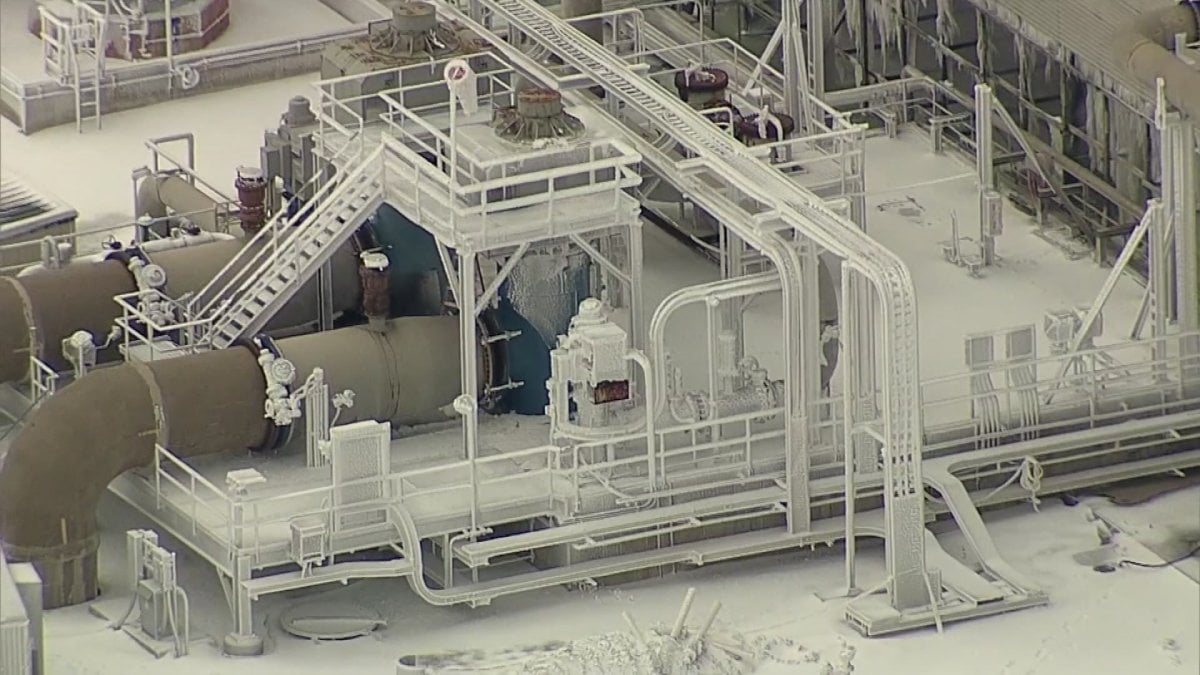
ERCOT has canceled a program aimed at increasing power reserves ahead of winter due to limited responses from energy companies. The program was introduced as a precautionary measure to mitigate risks during extreme weather conditions. Despite the cancellation, ERCOT believes there is potential for expanding grid demand response through industrial, commercial, and residential entities and will work with the Public Utility Commission of Texas to explore incentives and product designs. ERCOT has made improvements to the grid since the 2021 winter storm, including weatherization inspections and additional ancillary services.
The Electric Reliability Council of Texas (ERCOT) has canceled a program to boost power reserves for the upcoming winter after no energy companies volunteered to reactivate their shuttered plants. ERCOT had sought additional electricity generation to power about 600,000 homes, but only received offers for enough power to cover 2,200 homes. The cancellation comes as ERCOT forecasted a near 20% chance of emergency conditions this winter.
OPEC is seeking to build ties with Guyana, a tiny nation that has recently discovered a massive oil field, and has already built relationships with influential energy companies, financiers, and governments. The oil-producing alliance, which controls over half of the world's output, has benefited from high oil prices and is unlikely to distance itself from Russia.
Exxon Mobil and Chevron have reported $18 billion in profits for the first quarter of 2023, despite a decline in oil and natural gas prices. Investors fear that an economic slowdown could suppress energy prices, suggesting that the cash gusher for these energy companies may have peaked last year.
Kazakhstan has initiated arbitration proceedings against the companies developing its Kashagan and Karachaganak oilfields over $13 billion and $3.5 billion, respectively, in costs deducted as part of profit-sharing deals. The two oilfields are the second and third biggest producers of oil in the Central Asian nation, whose economy relies heavily on energy exports. The companies involved in the dispute include Eni, Shell, TotalEnergies, ExxonMobil, KazMunayGas, Inpex, CNPC, Chevron, and LUKOIL. The claims cover the period from 2010 to 2018 for Kashagan and from 2010 to 2019 for Karachaganak.