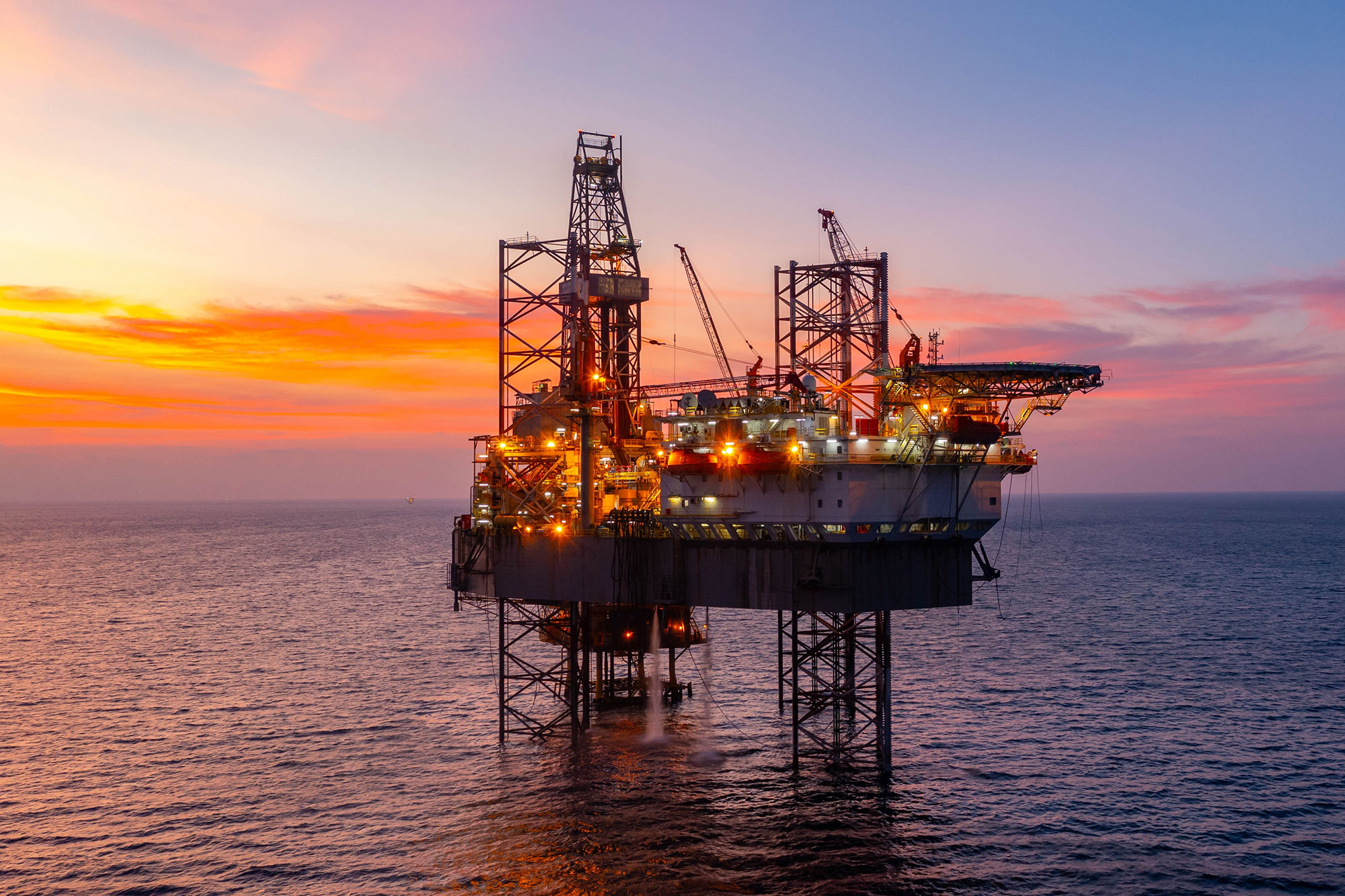
Researchers at Penn State used supercomputers to add a time dimension to seismic imaging, revealing hidden underground structures that can block oil access, potentially improving oil extraction efficiency and reducing waste.
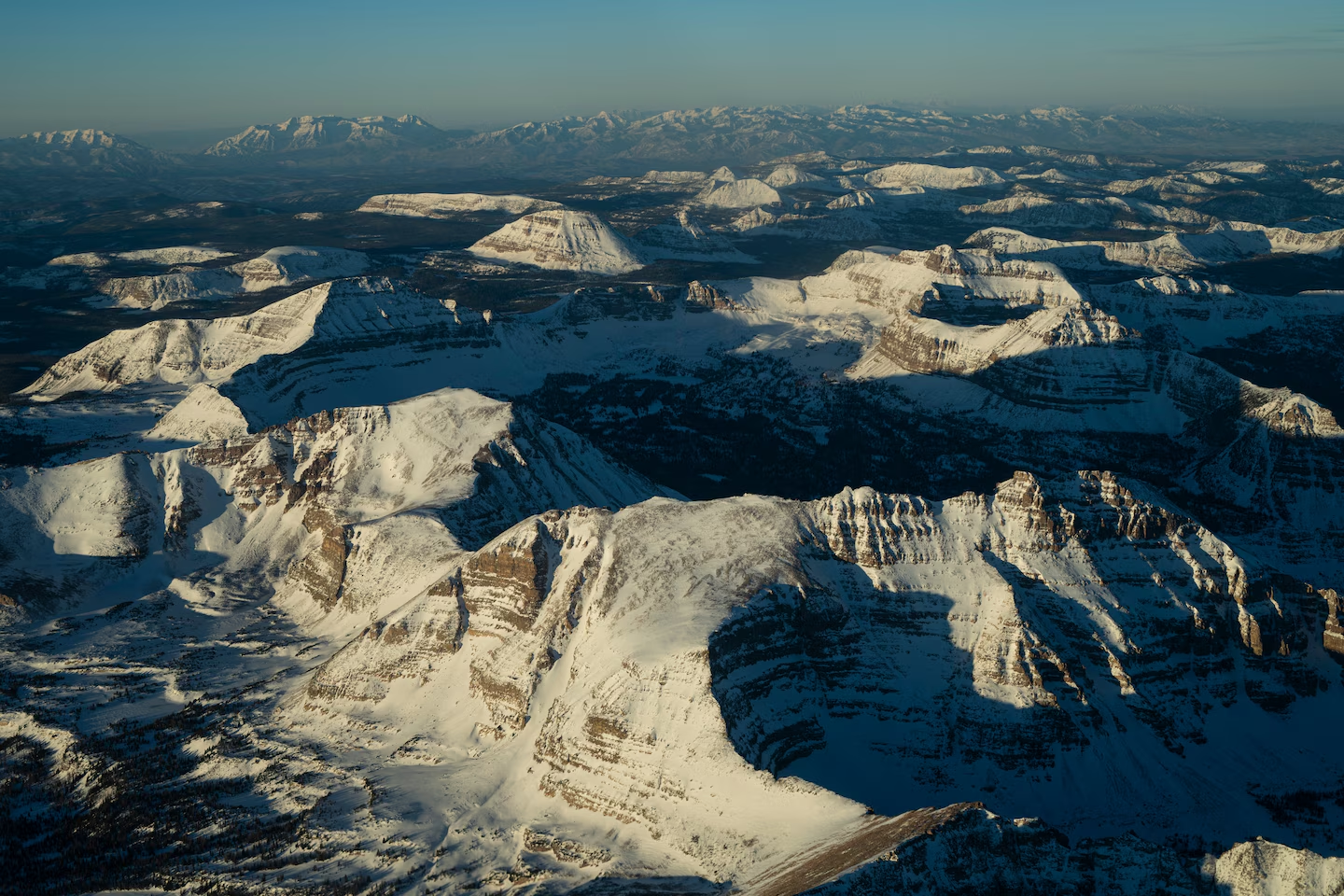
The Supreme Court limited the scope of environmental reviews for major infrastructure projects, overturning a lower court decision that blocked a controversial oil rail line in Utah, which would facilitate increased oil extraction from the Uinta Basin.
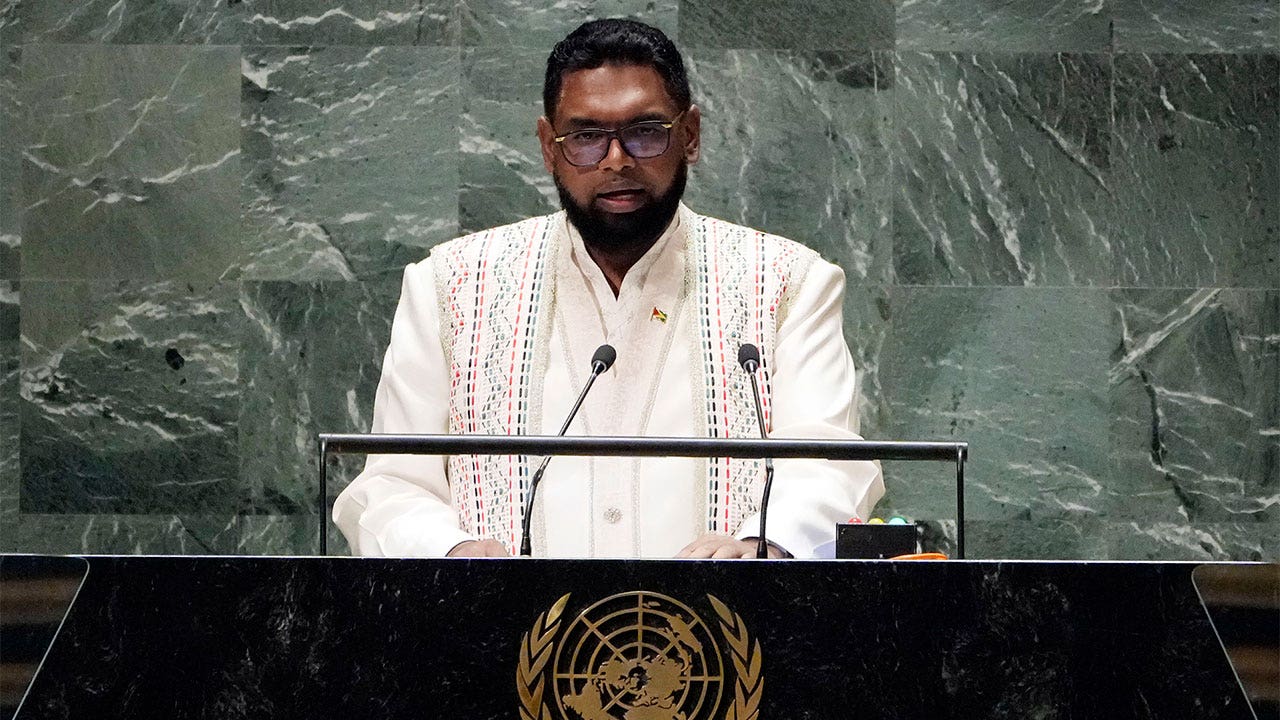
Guyana President Mohamed Irfaan Ali clashed with a BBC reporter who questioned the country's decision to allow oil extraction off its coast, asserting that Guyana has the right to make its own choices and criticizing western nations for their environmental impact. Ali defended Guyana's environmental record, highlighting its low deforestation rate and claiming that the country will achieve net-zero emissions despite the drilling. He accused the reporter of hypocrisy and questioned whether he was influenced by those who have historically damaged the environment.
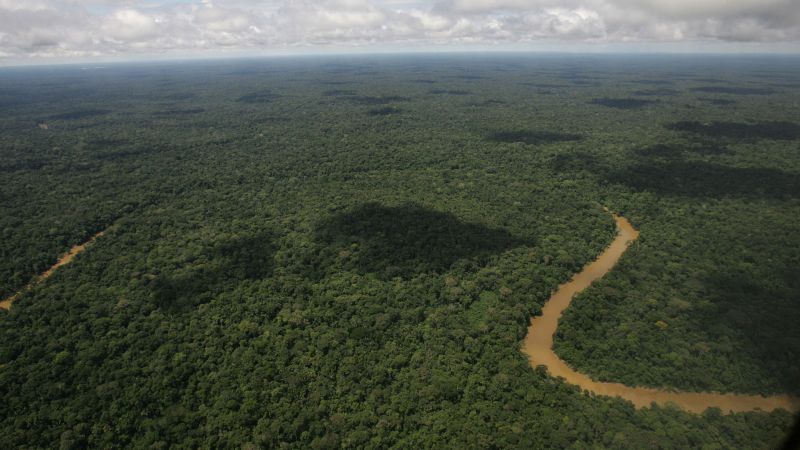
Ecuador is holding a historic referendum on whether to allow oil extraction in the Yasuní National Park, one of the most biodiverse places on Earth and home to uncontacted indigenous communities. The park contains Ecuador's largest reserve of crude oil, and the referendum will determine the fate of drilling in the area. Supporters argue that continuing extraction is crucial for the country's economy, while opponents propose alternative solutions such as eco-tourism and eliminating tax exemptions. The outcome of the referendum will have significant implications for Ecuador's economy and the fight against climate change.