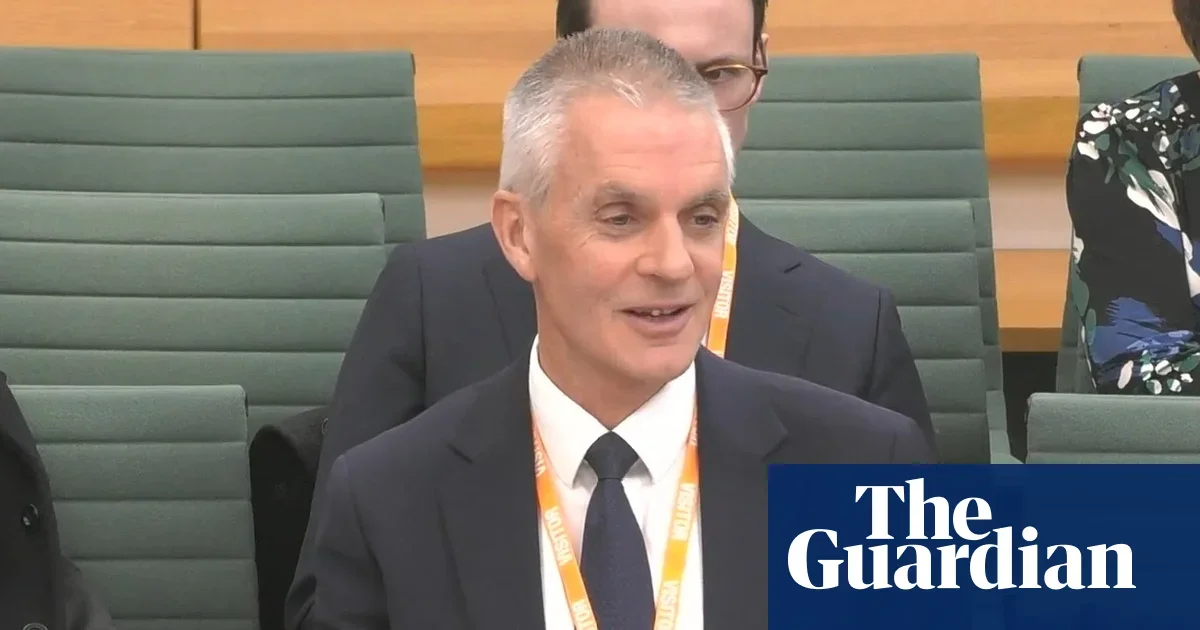
BBC Director General Tim Davie announced the BBC will remain on Elon Musk's platform X to combat global misinformation, despite pressure and backlash over content and platform issues, emphasizing the importance of reaching vulnerable audiences and countering state-sponsored disinformation from countries like China and Iran.
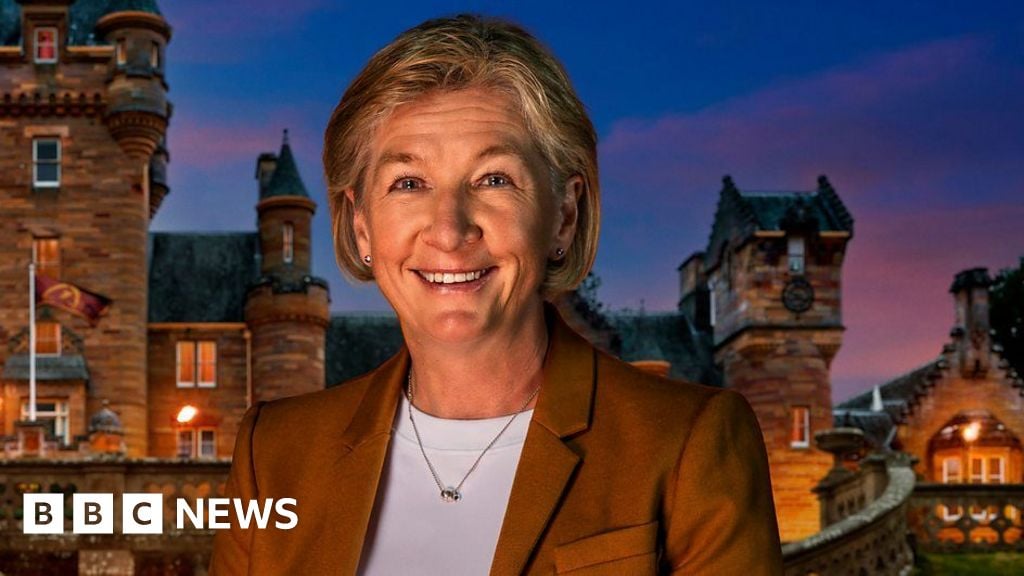
A retired Brighton police detective, Amanda, joins the fourth series of BBC's The Traitors, aiming to use her skills in deception and quick decision-making to win up to £120,000, while also planning to support charities and family if successful.
Father Brown returns for its 13th series with new storylines involving kidnappings, murder, and seaside trips, featuring the original cast and guest stars, as they navigate crises, relationships, and adventures in Kembleford, with the series premiering on 9 January 2026.
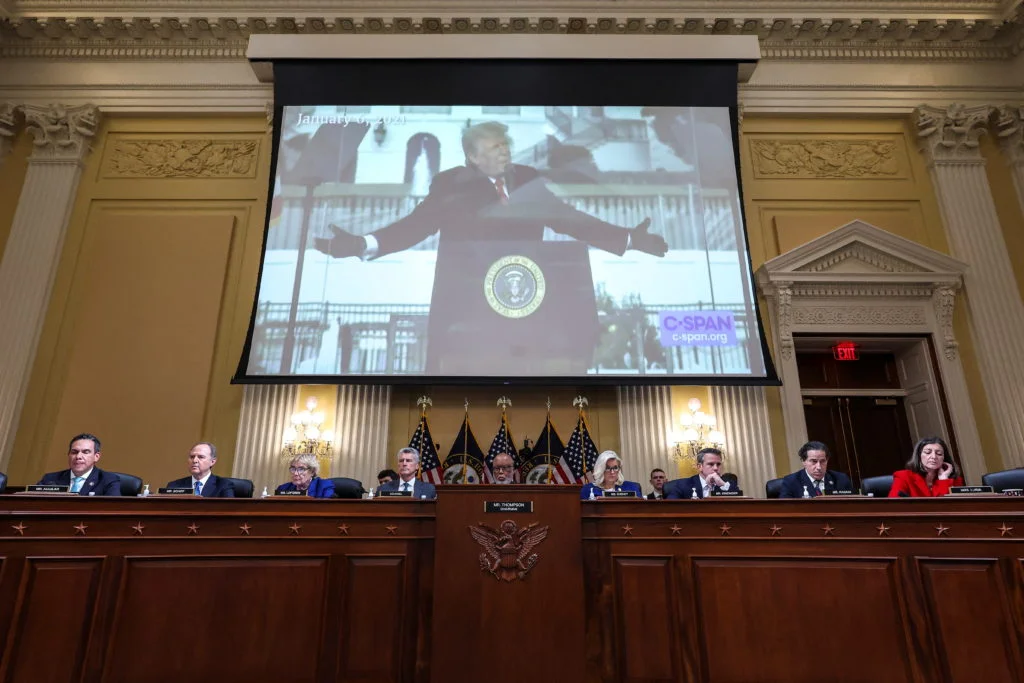
The BBC has overhauled its editorial standards committee following criticism over its handling of a misleading edit of Donald Trump's speech in a Panorama program, leading to high-profile resignations and a lawsuit from Trump. The new committee aims to improve transparency and responsiveness to editorial issues, while the BBC maintains its current editing guidelines.
Sir Humphrey Burton, a renowned classical music broadcaster and influential figure at the BBC who created programs, founded the BBC Young Musician of the Year, and won multiple awards, has died at age 94, leaving a significant legacy in arts broadcasting.
President Trump has filed a $10 billion defamation lawsuit against the BBC over a documentary that he claims falsely depicted his comments related to the January 6 Capitol attack, alleging the BBC manipulated footage to influence the 2024 election. The lawsuit also discusses how viewers in the U.S., particularly in Florida, could access the documentary via BritBox or VPNs, with some suggesting the use of VPNs is driven by access to adult content due to new age verification laws. Legal experts anticipate a possible settlement, noting Trump's history of suing media outlets.
The BBC plans to fight Donald Trump's $5 billion defamation lawsuit over a Panorama documentary, citing legal grounds and the importance of defending its journalism, despite high costs and potential distractions. The case hinges on jurisdiction and malice claims, with the BBC asserting it did not broadcast in the US and that the edit was unintentional. The outcome could impact the BBC's reputation, legal strategy, and US audience engagement, amid broader concerns about media freedom and legal battles involving US outlets.
President Trump filed a $10 billion defamation lawsuit against the BBC just hours before the UK began its review of the broadcaster’s royal charter, amid ongoing accusations of liberal bias and ideological pressure from his allies.
The UK government has launched a consultation to explore new funding options for the BBC, including advertising and subscription models, aiming to ensure its sustainability and independence while considering public opinion and maintaining trust. The current licence fee may be reformed or replaced, with options like advertising or a top-up subscription being considered, as part of the renewal of the BBC charter due in 2027.
The BBC announced it will defend itself in a $10 billion defamation lawsuit filed by Donald Trump in Florida, claiming the broadcaster falsely depicted him in a documentary by editing his January 6 speech. Trump alleges the BBC's actions were malicious and violated Florida trade practices law, but legal experts suggest his case is unlikely to succeed and that damages would be limited under UK law. The controversy has led to resignations at the BBC and ongoing legal battles.
Donald Trump is suing the BBC for over $5 billion, alleging defamation and violation of trade practices, as part of his ongoing legal efforts against media outlets, despite previous settlements and ongoing lawsuits.
Donald Trump has filed a $5 billion lawsuit against the BBC, accusing the broadcaster of defamation and maliciously editing his 2021 speech in a Panorama documentary, which he claims altered the context and misrepresented his words related to the Capitol riot. The BBC apologized but denied any legal wrongdoing, and the lawsuit raises issues about broadcasting rights and distribution outside the UK.
President Trump filed a $10 billion lawsuit against the BBC in Miami, accusing the broadcaster of defamation and deceptive practices over a documentary editing that allegedly misrepresented his call for violence before the Capitol storming. The BBC admitted to an editing error and apologized, but Trump seeks substantial damages for the alleged harm.
Donald Trump sued the BBC for $10 billion over edited clips of his January 6 speech, claiming defamation and reputational harm, after the broadcaster admitted to editing errors that suggested he called for violence. The BBC has apologized and decided not to rebroadcast the documentary, amid a broader controversy over political bias and media coverage.