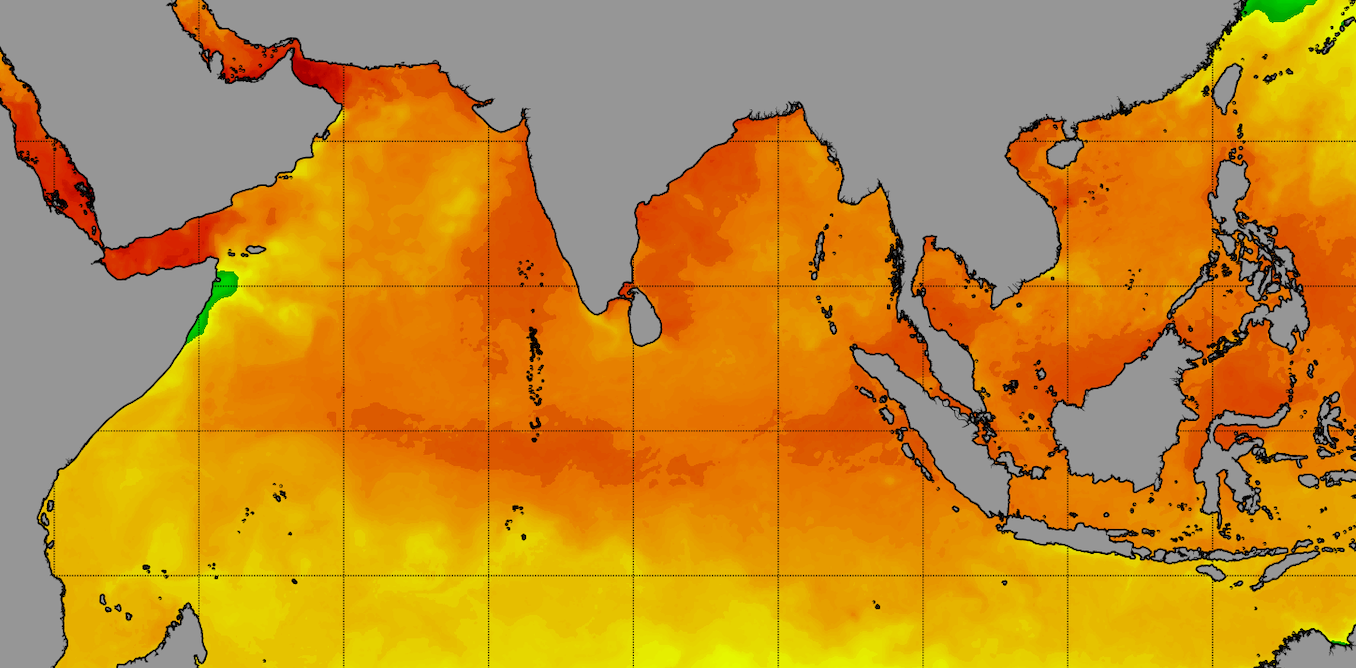
In 2025, the world's oceans absorbed record amounts of heat, intensifying climate disasters such as hurricanes, floods, and marine heatwaves, and contributing to sea level rise. This ongoing ocean warming, which is likely the hottest in at least 1,000 years, underscores the urgent need to reduce emissions to mitigate future climate impacts.
Climate scientists warn that the Southern Ocean may release a 'burp' of stored heat after humans reduce greenhouse gas emissions, potentially reigniting global warming for over a century, especially impacting the Southern Hemisphere and vulnerable countries in the global south.
Recent research shows Earth's energy imbalance has more than doubled in 20 years, with the planet trapping significantly more heat than climate models predicted, mainly due to changes in cloud cover and other factors, indicating a potential acceleration of global warming and more severe climate impacts ahead.
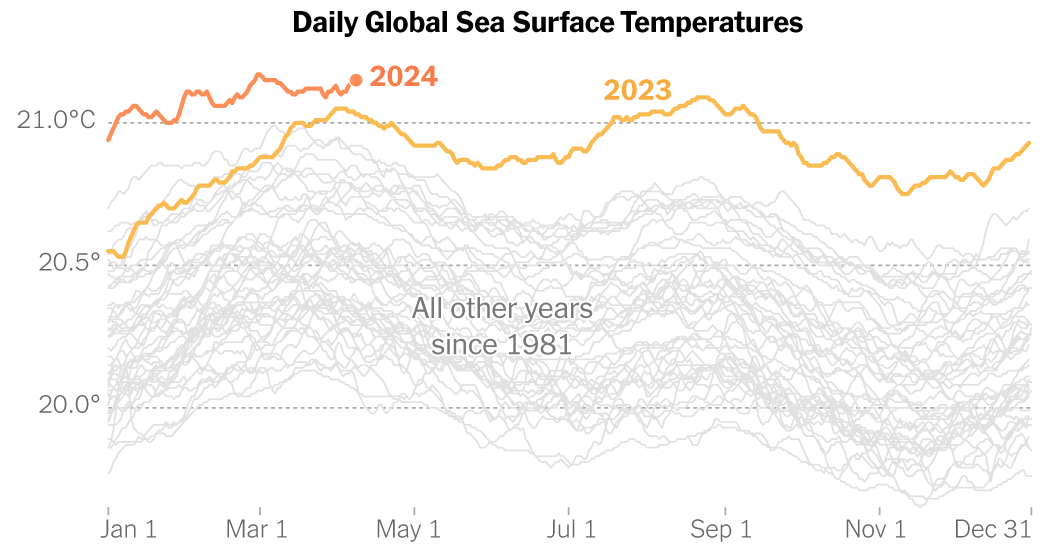
The ocean has been breaking temperature records every day for over a year, with 2024 continuing the trend of surpassing previous records by significant margins. The global sea surface temperature reached a new monthly high last month, contributing to a sequence of climate records being broken. Scientists are investigating the specific physical processes behind these temperature records to improve climate models and predict future temperatures more accurately. The abnormally warm tropical Atlantic is also setting the stage for a busy hurricane season due to higher ocean temperatures providing more energy for stronger storms.
Scientists are concerned as record ocean heat, now entering its second year, spreads heat waves across the oceans, potentially indicating a fundamental shift in Earth's climate systems. The unprecedented warmth, attributed to factors such as El Niño and reduced shipping liner pollution, has led to significant ocean temperature increases, with potential irreversible impacts on marine life and ecosystems. The extreme ocean warming, coupled with the warmest atmospheric conditions ever observed, poses significant challenges and uncertainties for the future climate, prompting a need for urgent action to address the escalating environmental crisis.
February 2024 marked the ninth consecutive month of record-breaking global temperatures, with the month being 1.77 degrees Celsius warmer than the average February in pre-industrial times. This trend has resulted in the hottest 12-month period in recorded history, with global ocean temperatures hitting a record high. Experts warn that these extreme temperatures have significant global impacts, fueling extreme weather events and emphasizing the urgent need for drastic emissions reductions to mitigate the effects of climate change.
Florida is facing a race against time to rescue coral reefs that are experiencing alarming rates of bleaching due to record ocean heat and rising water temperatures. The decline in healthy coral cover in the Florida Keys has reached 90% since the late 1970s, with factors such as climate change, pollution, overfishing, storms, and disease contributing to the decline. The National Oceanic and Atmospheric Administration (Noaa) has issued alerts for coral bleaching, with temperatures reaching record highs. Efforts are underway to rescue and preserve coral through initiatives like Mission: Iconic Reefs, but experts emphasize the need for comprehensive action to address climate change and protect coral reefs.
Scientists are alarmed by a series of climate records being broken, including the hottest day on record, the hottest June globally, extreme marine heatwaves, and record-low Antarctic sea ice. These events, which are occurring earlier than expected, are attributed to global warming from burning fossil fuels and the influence of the first El Niño since 2018. The average global ocean temperature has also reached record levels, with particular concern over extreme heat in the North Atlantic. While the exact link to climate change is complex, the impact on marine ecosystems is significant. The reduction in Antarctic sea ice is also at record lows, raising questions about the pace of change and the potential worst-case scenarios. Despite these alarming records, scientists emphasize that there is still time to secure a livable future.
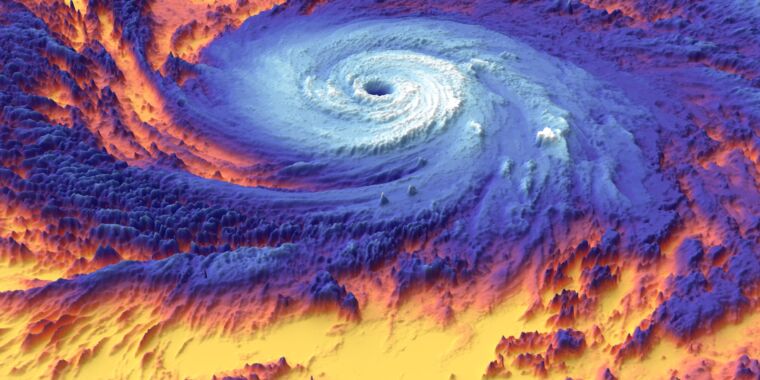
New research shows that hurricanes not only churn water at the surface but also push heat deep into the ocean, which can have far-reaching consequences. Underwater waves produced by the storm can push the heat roughly four times deeper than mixing alone, sending it to a depth where the heat is trapped far from the surface. From there, deep sea currents can transport it thousands of miles, ultimately affecting regions far from the storm.
Ocean temperatures have been at their highest levels in 40 years of satellite monitoring since mid-March 2023, with the sea of Japan being more than 7 degrees Fahrenheit warmer than average. El Niño is partly to blame, but global warming is the underlying cause. The effects of this ocean warming are being felt around the world, including weakened monsoons in South Asia, droughts in Norway, and the risk of marine heat waves in South America. To lower the risk, the world needs to reduce baseline warming by limiting excess greenhouse gas emissions and move to a carbon-neutral planet.
Hurricanes not only churn water at the surface but also push heat deep into the ocean, which can be locked up for years and ultimately affect regions far from the storm. Underwater waves produced by the storm can push the heat roughly four times deeper than mixing alone, sending it to a depth where the heat is trapped far from the surface. From there, deep sea currents can transport it thousands of miles. Hurricanes can help to slow down warming of the Earth's atmosphere by keeping the heat sequestered in the ocean.