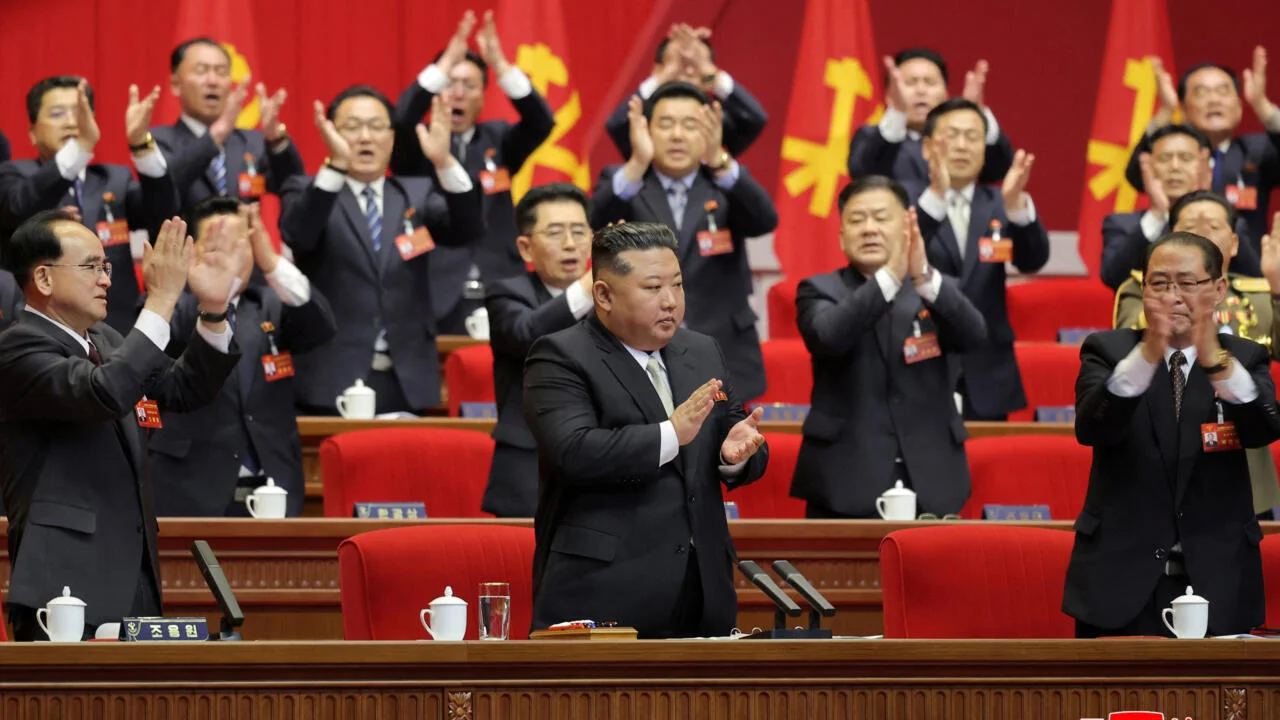
Kim Jong Un was re-elected general secretary of North Korea's ruling Workers’ Party at a rare congress, with delegates voting unanimously; KCNA said the country’s nuclear deterrence has been radically improved under his leadership, while Kim also pledged to boost living standards and push economic development.
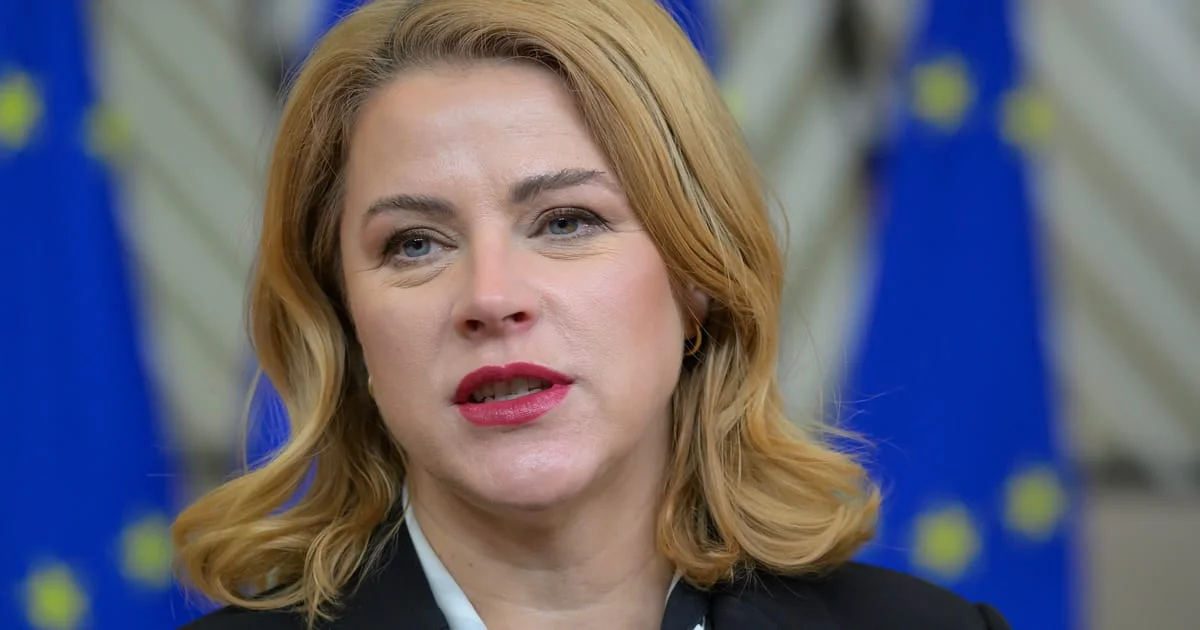
Latvian Prime Minister Evika Siliņa said Europe must become a more decisive geopolitical actor and speak to the United States in a direct, unified voice after the Greenland dispute; she noted EU decision-making is evolving, with ideas like a European Security Council and even a European nuclear deterrent to gain greater respect in transatlantic ties.
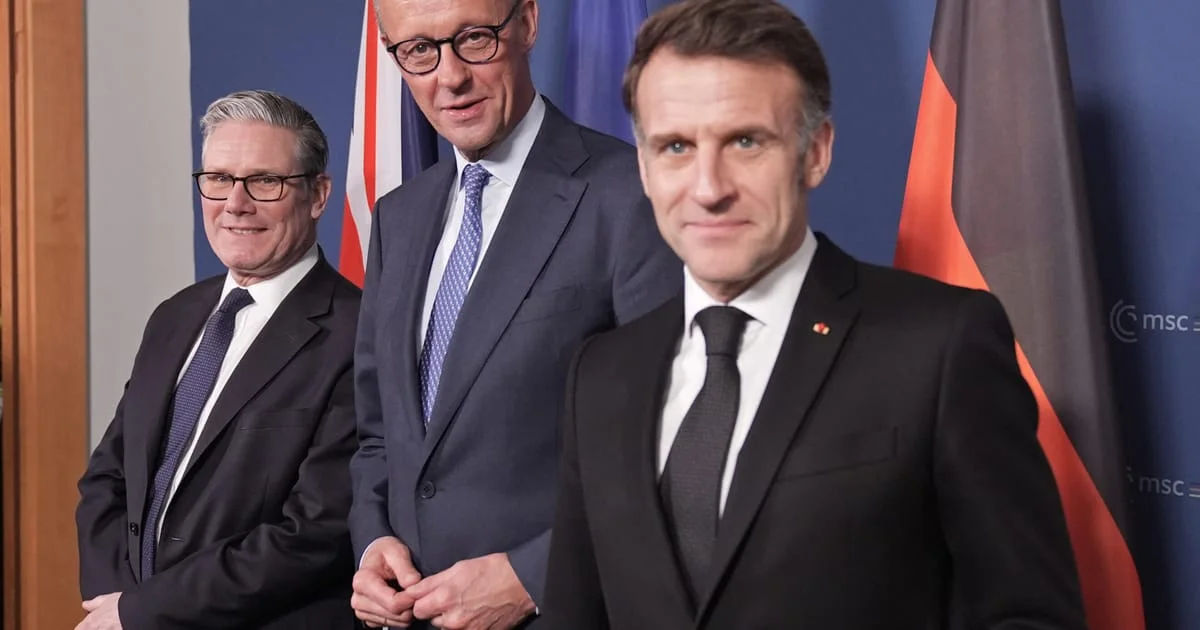
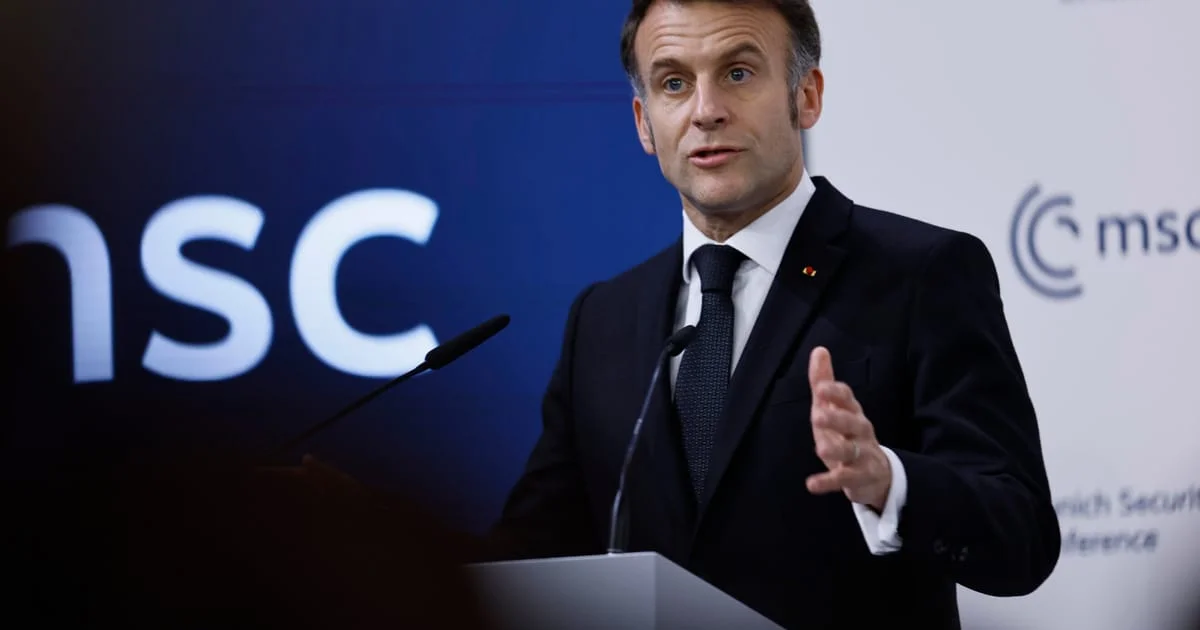
At the Munich Security Conference, European leaders and officials discuss the possibility of Europe hosting a homegrown nuclear deterrent to complement the U.S. arsenal amid waning confidence in Washington’s commitment. Estonia and Latvia expressed openness to early talks, while France and the U.K. remain central to any plan, with Macron signaling a broader integration of deterrence that blends conventional and nuclear forces. Spain’s Sánchez cautioned against rearmament. NATO remains the anchor, with debates on linking French capabilities to alliance structures but not replacing the U.S. nuclear umbrella. Macron’s upcoming March speech is expected to spell out concrete options, from strengthening existing deterrence to exploring a supranational Eurodeterrent, as discussions remain in early stages.
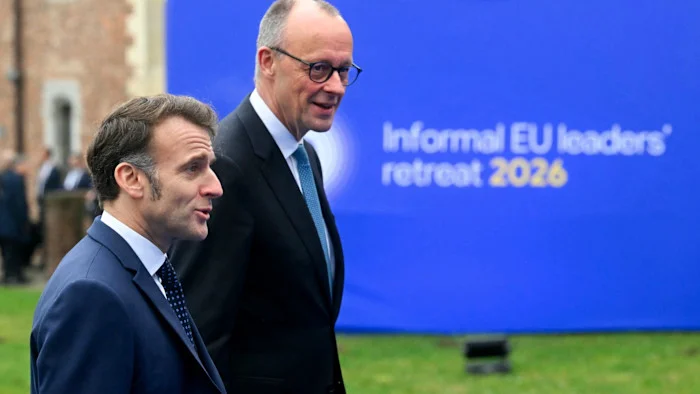
German Chancellor Friedrich Merz has opened talks with Emmanuel Macron on strengthening Europe’s nuclear deterrent, including a potential German role in France’s nuclear umbrella, amid fears of a reduced US military presence in Europe. Macron says the discussions are exploratory and within NATO, aiming to adapt Europe’s security architecture and repair transatlantic ties as Europe faces rising great-power competition.
At Munich, Macron urged Europe to become a geopolitically stronger, more autonomous power with greater defense capability and tech leadership, hinting that France’s coming nuclear-doctrine speech could outline how its nuclear deterrent could bolster Europe’s security. He highlighted ongoing European defense collaborations (like ELSA and JEWEL), pushed for a coherent security architecture, and stressed maintaining a constructive transatlantic relationship while seeking greater European independence from the U.S.
ISW reports that Medvedev used a three-way media push to reaffirm Russia’s unchanged demands on Ukraine—neutrality, demilitarization, and denazification—while rejecting security guarantees and signaling continued use of nuclear deterrence to extract concessions in US-led talks. Militarily, Russia maintains pressure around Lyman with aims toward Slovyansk, but Ukrainian counterattacks and logistical constraints likely push any major operation several months out; Kyiv has moved to restrict non-registered Starlink terminals to curb drone use, and Belarusian balloon incursions reflect broader cognitive warfare. ISW assesses a rapid seizure of the Fortress Belt remains unlikely, with fighting spanning Kharkiv, Pokrovsk, Oskil, and Donetsk directions and continued cross-border activity as part of a long, multi-front campaign.)
Amid shifting geopolitics and Donald Trump’s Greenland gambit, Europe weighs whether it can deter adversaries with its own nuclear arsenal. Sweden’s revived interest in a Nordic programme (potentially with Germany) hints at a political turnaround after decades of disarmament talk, while Britain and France deepen defence cooperation. The piece questions whether Europe can maintain security autonomy from the U.S. in a changing transatlantic balance.
North Korea appears to strengthen its self-defence justification for nuclear and missile programs in response to the US operation against Nicolás Maduro, while launching supersonic missiles and reinforcing anti-South narratives ahead of the 9th Party Congress. Seoul and Beijing have pursued dialogue, but Pyongyang remains wary of denuclearization talks, signaling intensified domestic security measures and closer alignment with Russia and China as cross-border tensions rise.
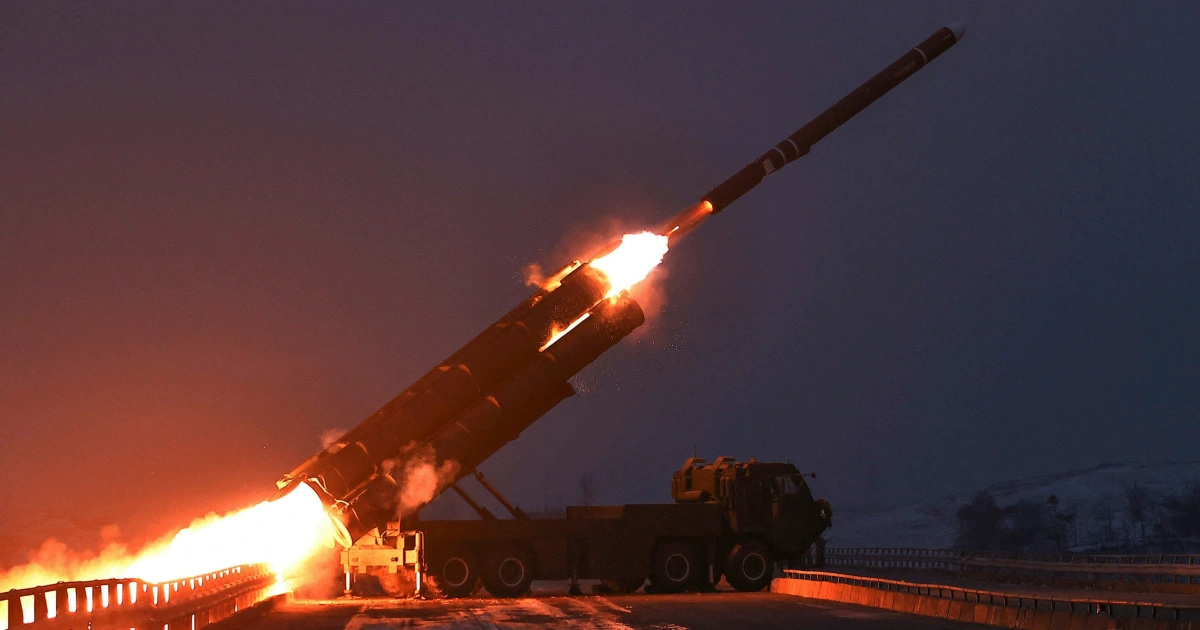
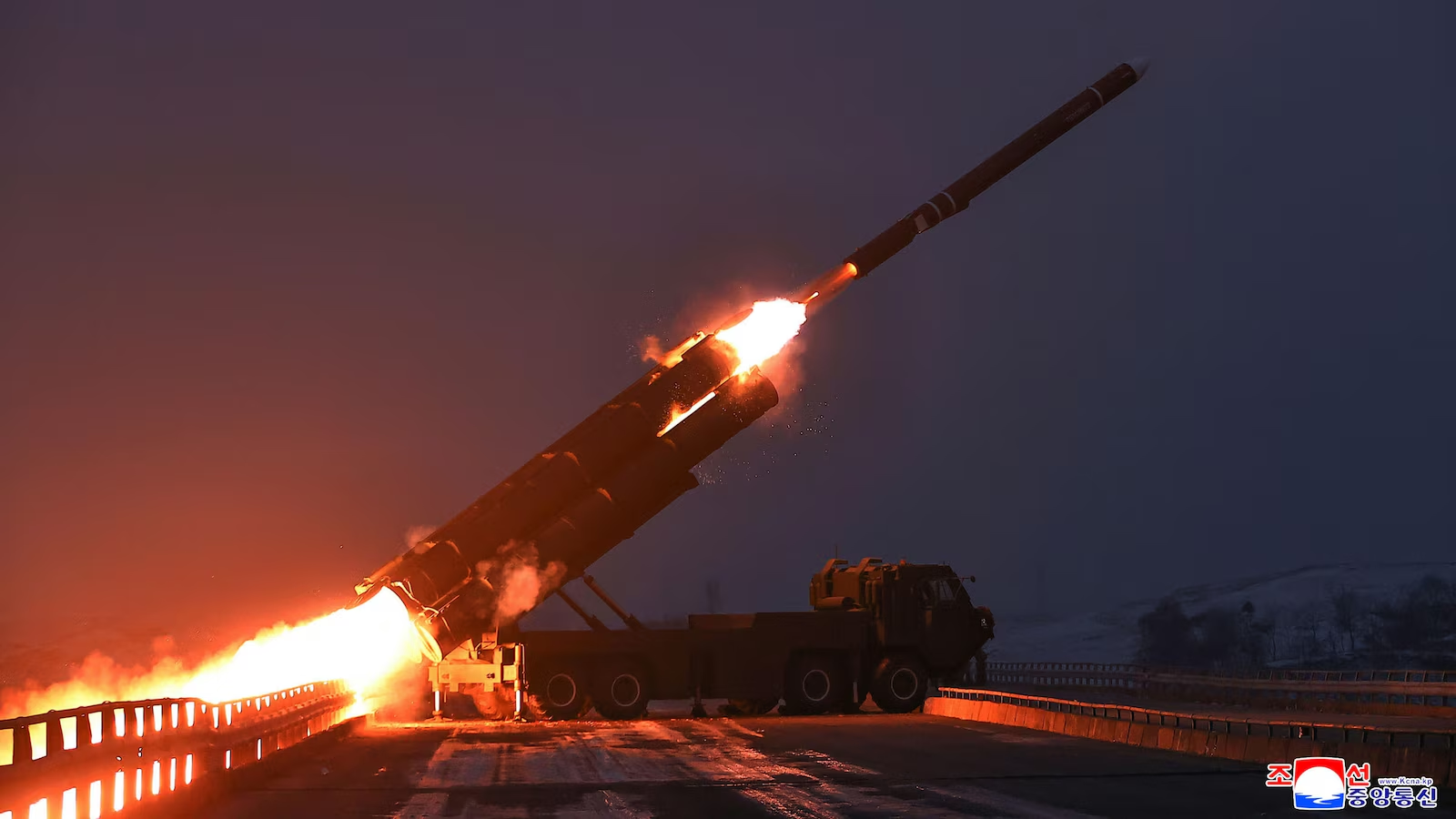
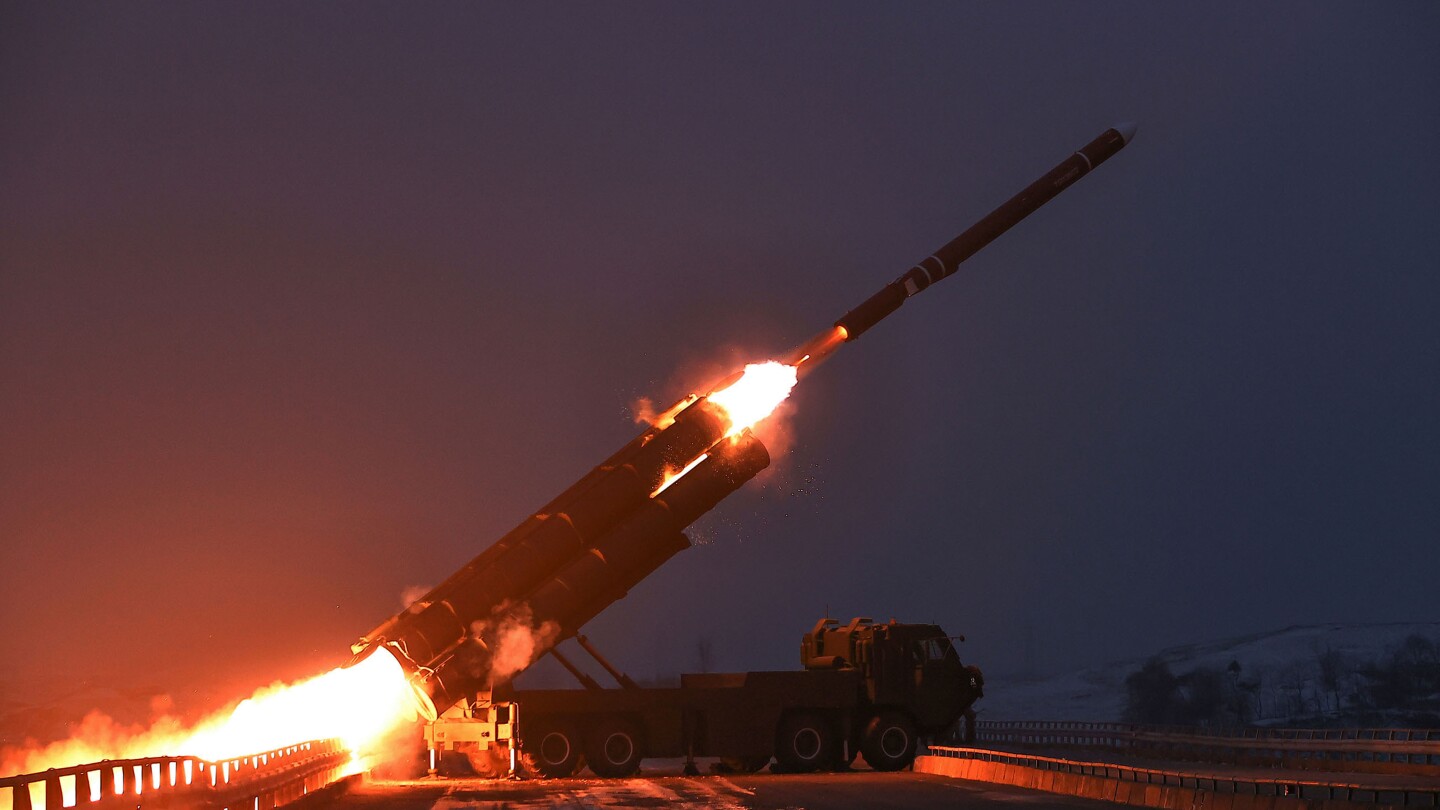
North Korea announced it tested long-range cruise missiles to demonstrate its nuclear deterrence capabilities amid ongoing tensions and upcoming political events, including its first Workers’ Party congress in five years, with potential implications for future US-North Korea relations.
North Korea announced it tested long-range cruise missiles into the sea to bolster its nuclear deterrence, amid ongoing military developments and preparations for a key party congress, with tensions heightened by recent weapons tests and regional security concerns.
North Korea conducted long-range cruise missile tests to demonstrate its nuclear deterrence capabilities amid preparations for a major party congress, with recent advancements including a nuclear-powered submarine, as tensions with the U.S. and South Korea persist.
Experts review Netflix's 'A House of Dynamite', praising its authentic depiction of nuclear command systems and decision-making, while highlighting inaccuracies such as the portrayal of a surprise nuclear attack and missile defense capabilities, emphasizing the importance of global nuclear risk awareness and arms control.
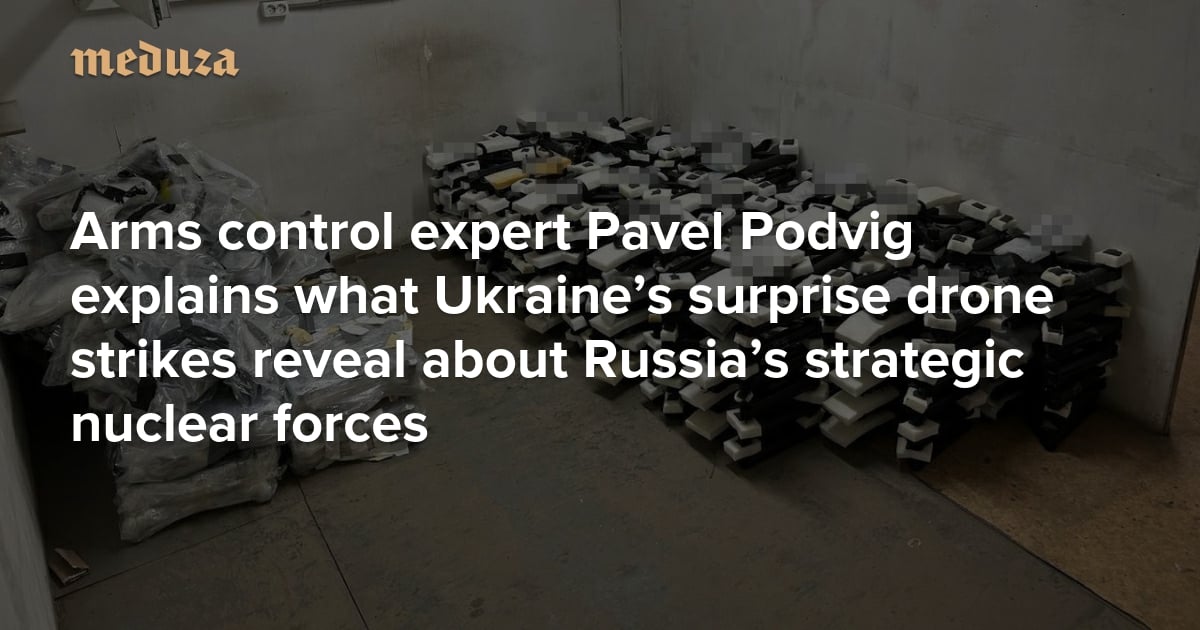
Ukraine launched a large-scale drone operation called 'Spiderweb' targeting Russian airfields, damaging strategic bombers and inflicting psychological and physical impacts, but experts suggest it has limited strategic value and does not threaten Russia's nuclear deterrence. The operation highlights the changing nature of warfare, emphasizing asymmetric tactics over traditional military strength.
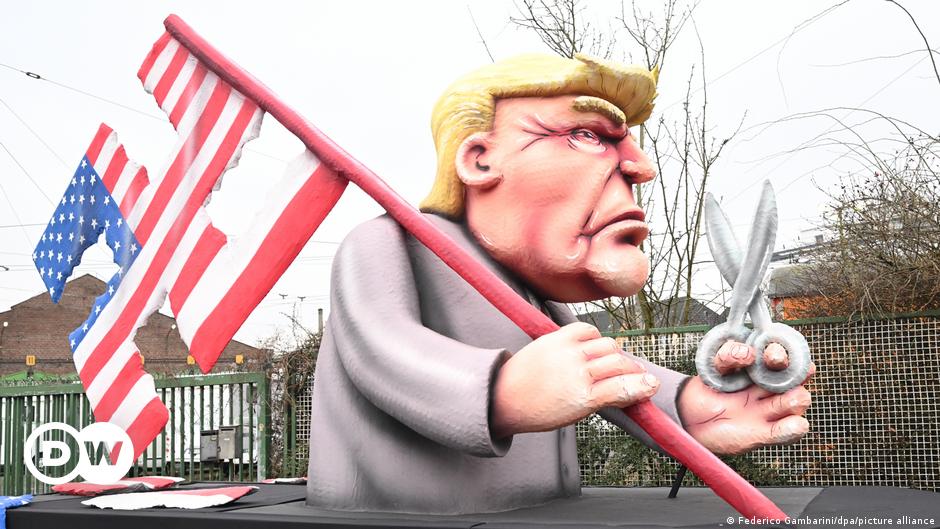
Donald Trump's comments about potentially not coming to the aid of NATO states have prompted the European Union to consider its own nuclear deterrence without the US. Concerns about security in the EU have been heightened, leading to discussions about the possibility of the EU developing its own nuclear arsenal or Europeanizing France's nuclear capabilities. However, the idea remains highly divisive within the EU, with some experts critical of its feasibility and global implications. NATO Secretary General Jens Stoltenberg downplayed Trump's comments, emphasizing the alliance's nuclear deterrent and expressing expectation that the US will remain a strong NATO ally regardless of the election outcome.
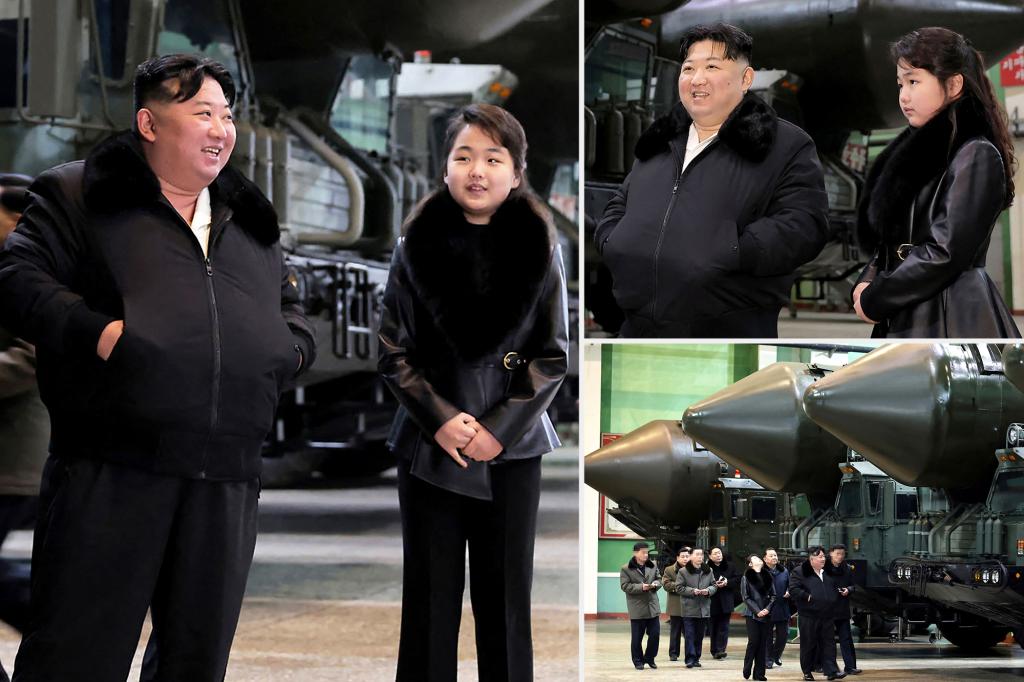
North Korean leader Kim Jong Un and his daughter, Kim Ju Ae, were seen in matching outfits during a visit to a missile production plant, amid threats to "annihilate" the US and South Korea if provoked. Kim emphasized the importance of missile production for the country's nuclear deterrence and expressed readiness for war, aligning with "anti-imperialist independent" countries. The visit follows North Korea's increased military testing and the revelation that Russia has used North Korean missiles in Ukraine. Kim Ju Ae's public appearances have grown, leading to speculation about her role in the regime's future and the potential sidelining of Kim's sister, Kim Yo Jong.