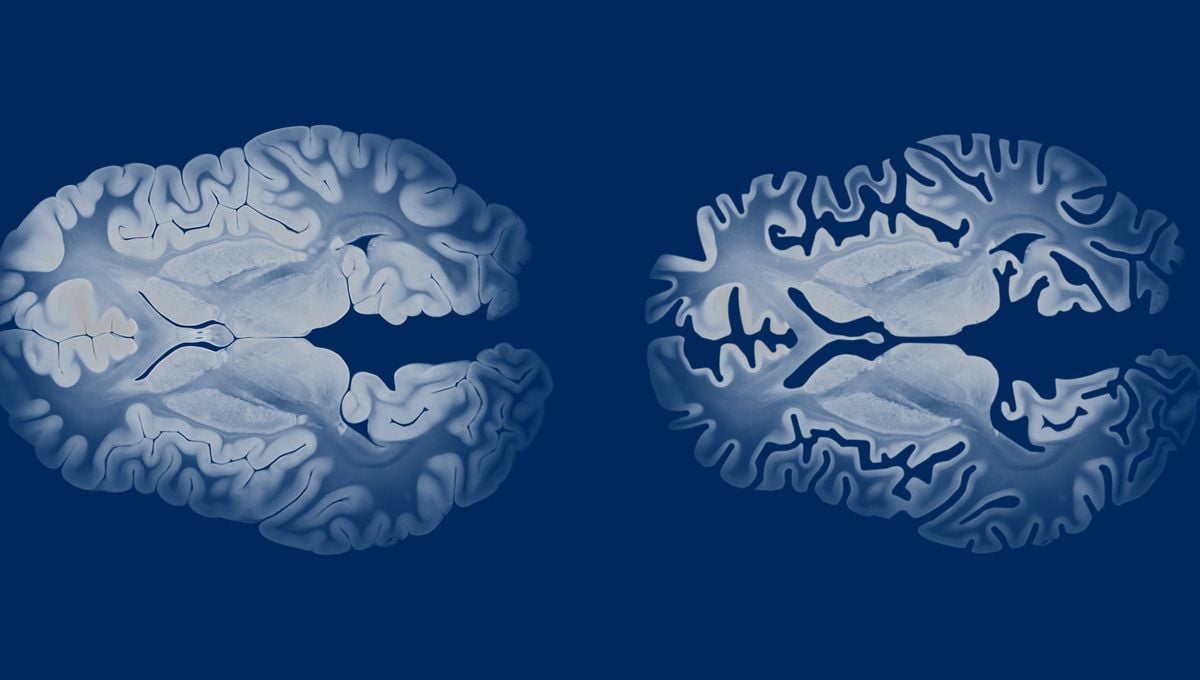
A promising experimental drug called NU-9 has shown potential in preventing Alzheimer's disease in mice by targeting toxic amyloid-β protein subtypes early in the disease process, with future human trials and early diagnostic tests on the horizon.
Scientists at Northwestern University discovered a novel compound, NU-9, that can target a previously unknown subtype of brain protein associated with early Alzheimer's disease in mice, potentially allowing for preventative treatment similar to managing high cholesterol. The compound reduces toxic proteins and inflammation, paving the way for future research on its effectiveness in later stages and its potential to control the disease before symptoms appear.
Scientists at Northwestern University discovered a novel compound, NU-9, that can target a previously unknown brain protein subtype associated with early Alzheimer's disease in mice, potentially allowing for preventative treatment similar to managing high cholesterol. The compound reduces toxic protein accumulation and brain inflammation, paving the way for future research into its effectiveness in later disease stages and its potential to control Alzheimer's before symptoms appear.
Scientists at Northwestern University have developed an experimental drug, NU-9, that could potentially prevent Alzheimer's disease by targeting toxic proteins early in the disease process, before symptoms appear, with testing ongoing in animal models.
Scientists from Northwestern University developed a promising drug called NU-9 that effectively stalls Alzheimer's in mouse models by reducing toxic amyloid beta oligomers and calming brain support cells, potentially enabling early preventative treatment before symptoms appear.
An experimental drug called NU-9 developed at Northwestern University shows promise in preventing Alzheimer's disease by targeting toxic amyloid beta oligomers early in the disease process, potentially delaying or stopping memory loss and neurodegeneration.