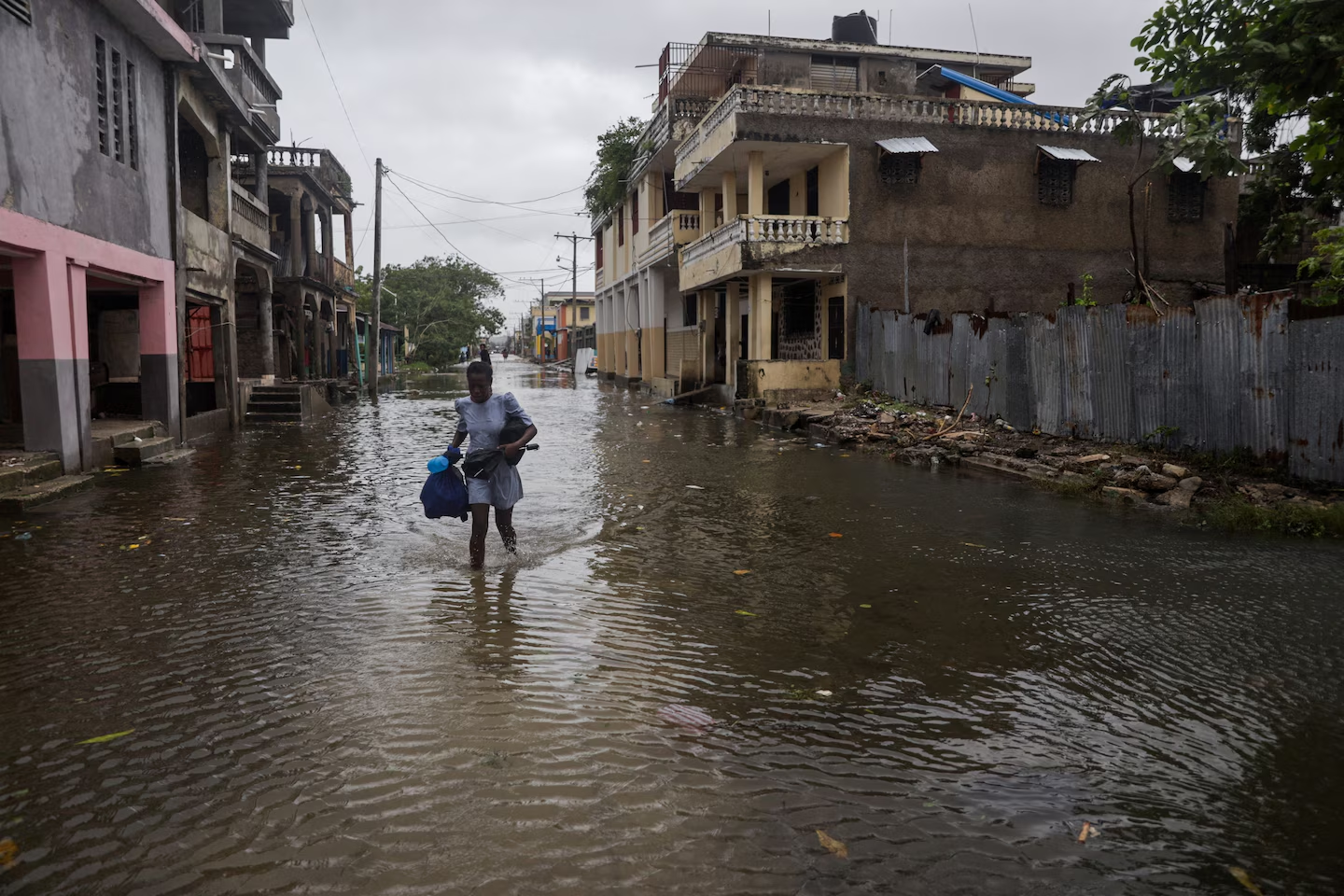
Hurricane Melissa Causes Flooding and Damage Across the Caribbean and U.S.
Hurricane Melissa, now a Category 2 storm, is moving towards Bermuda and Newfoundland, bringing heavy rain to the Mid-Atlantic and New England regions of the US.
All articles tagged with #northeast us

Hurricane Melissa, now a Category 2 storm, is moving towards Bermuda and Newfoundland, bringing heavy rain to the Mid-Atlantic and New England regions of the US.

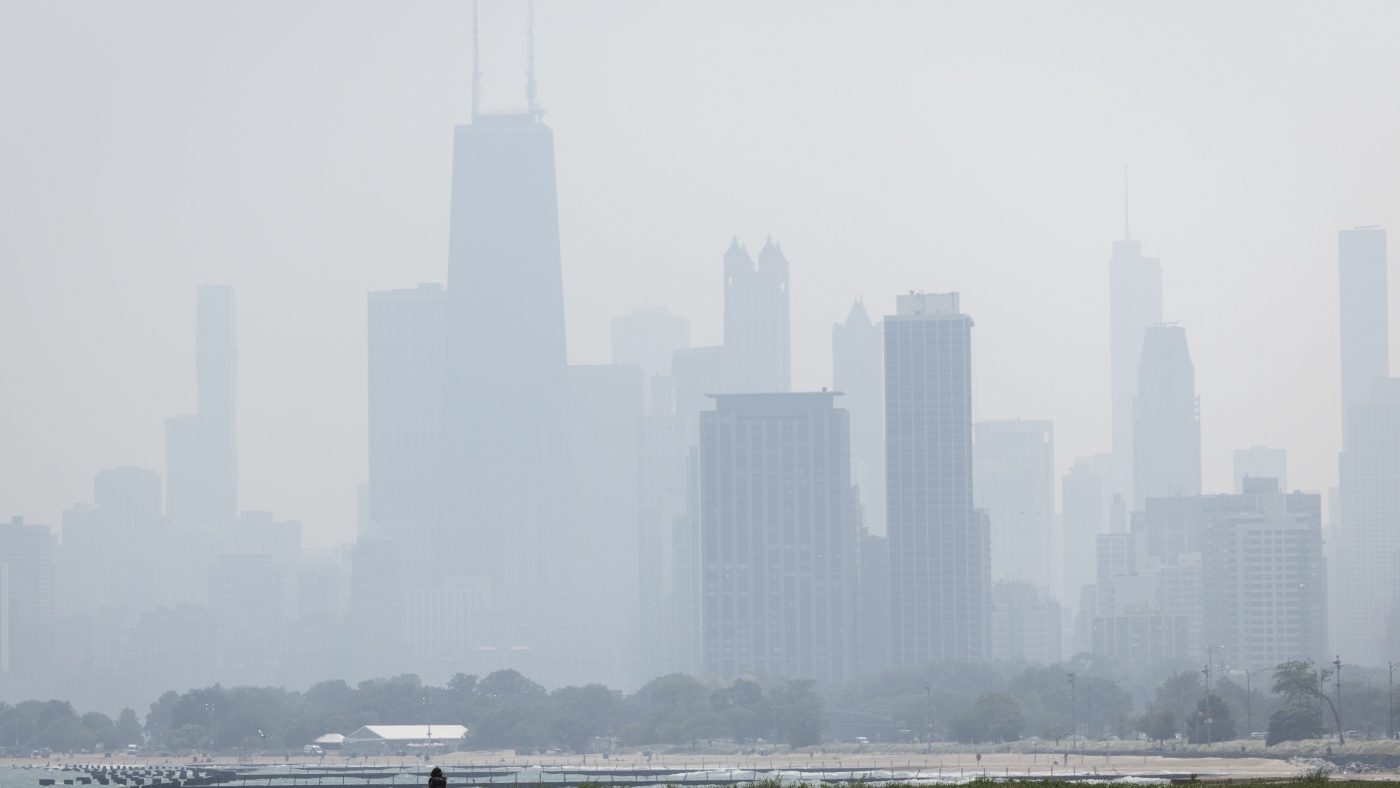
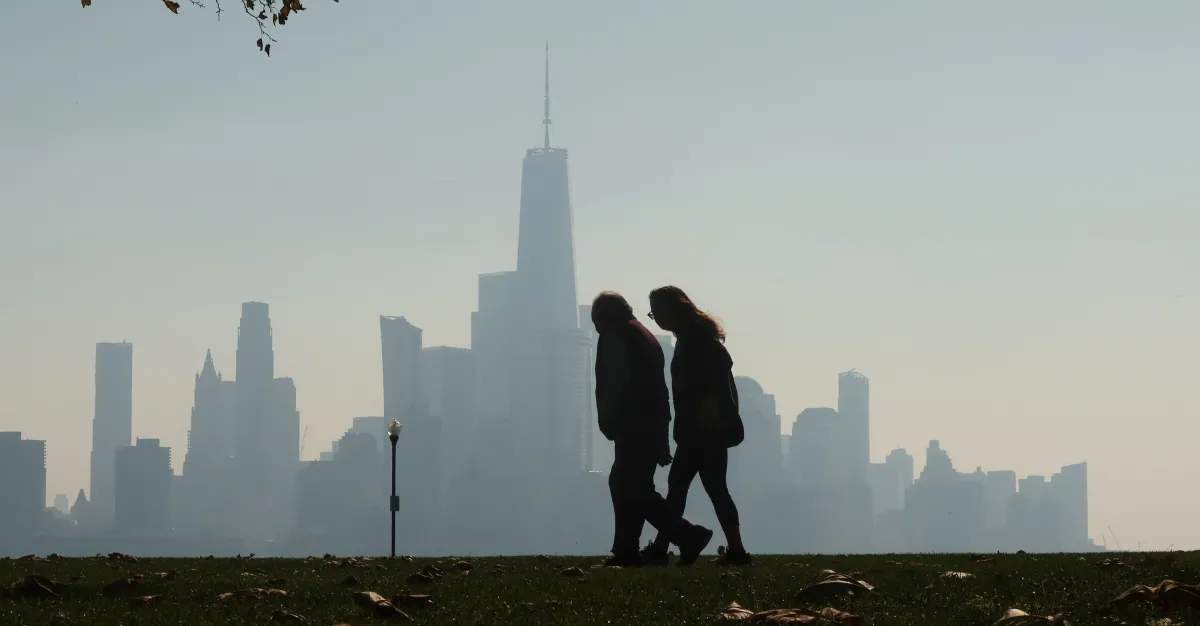
Canadian wildfires, the second worst on record, have caused significant smoke pollution across the midwest and northeast US, leading to poor air quality and health advisories in multiple states, with conditions expected to persist due to prevailing wind patterns.

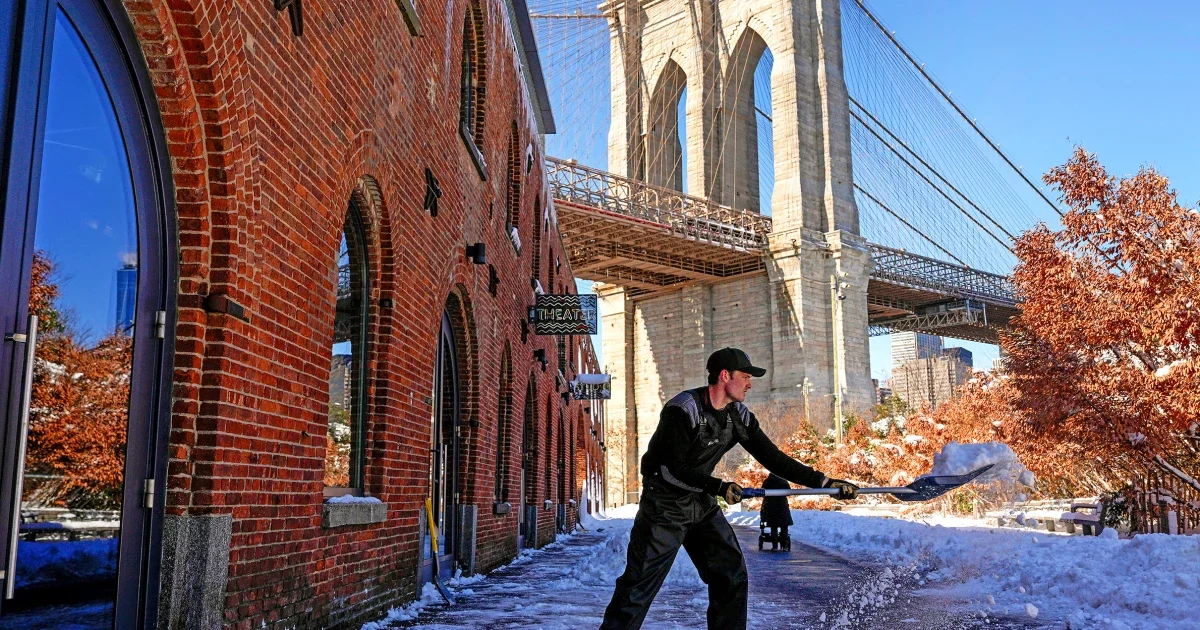
Parts of the northeast US experienced significant snowfall due to lake-effect snow, with western New York receiving nearly 4 feet in four days, prompting states of emergency in New York and Pennsylvania. The Buffalo Bills called for volunteers to clear snow from their stadium. Further snow is expected, with up to 6 feet forecast in upstate New York. Meanwhile, South Korea's capital, Seoul, saw its third heaviest snowfall on record, causing flight cancellations, school closures, and at least five deaths.

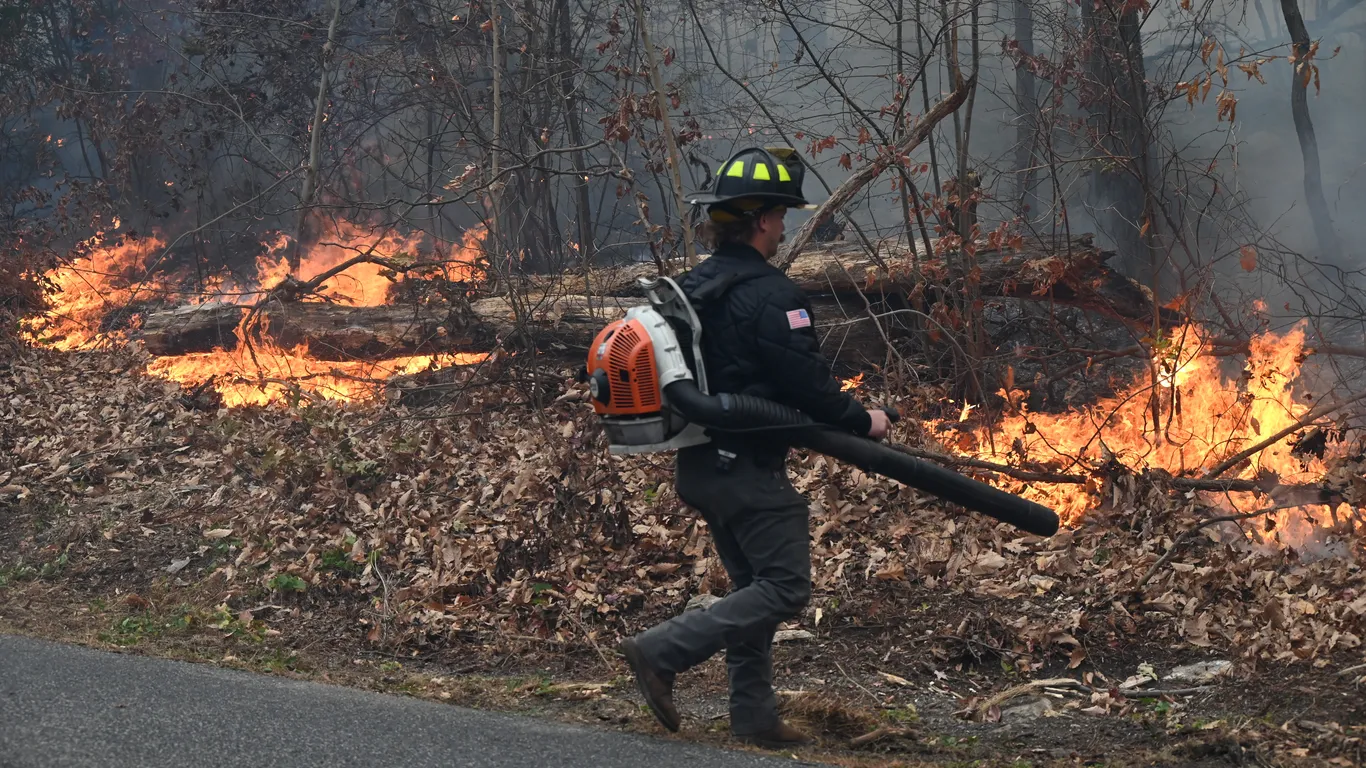
Unseasonably hot and dry conditions have led to wildfires in the Northeast US, including a small blaze in Brooklyn's Prospect Park and a larger one on the New York-New Jersey border. These fires are part of a broader pattern of drought affecting the entire country, exacerbated by climate change and warmer temperatures extending into typically cooler months. The situation highlights the increasing unpredictability of weather patterns and the need for water conservation as drought conditions persist.

Wildfires are raging across the drought-stricken Northeastern U.S., affecting air quality from New York City to Philadelphia. The region is experiencing abnormally dry conditions, with Red Flag Warnings in effect. An 18-year-old New York state parks employee died fighting a fire in Greenwood Lake. Despite some rainfall, officials warn it won't significantly impact the fires. The drought, exacerbated by climate change, is contributing to more frequent and severe wildfires across the U.S.

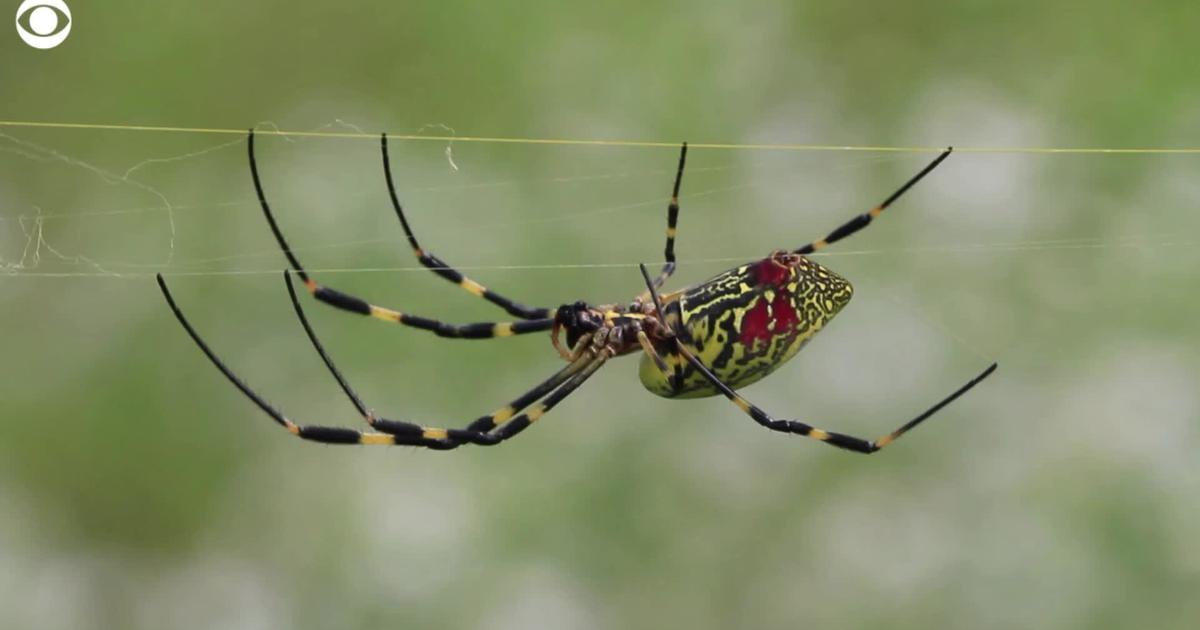
Joro spiders, an invasive species that arrived in Georgia over a decade ago, are now spreading to the Northeast U.S., with experts noting their ability to travel by "parachuting."

Joro spiders, giant venomous arachnids from Japan, are expected to invade the Northeast US, including New York, after initially spreading in the Southeast. Known for their striking appearance and ability to "balloon" through the air, these spiders could disrupt local ecosystems by preying on native insects. While their venom is not typically deadly to humans, it can cause discomfort and allergic reactions. Pest control experts emphasize the need for education and responsible management to coexist with these invasive spiders.

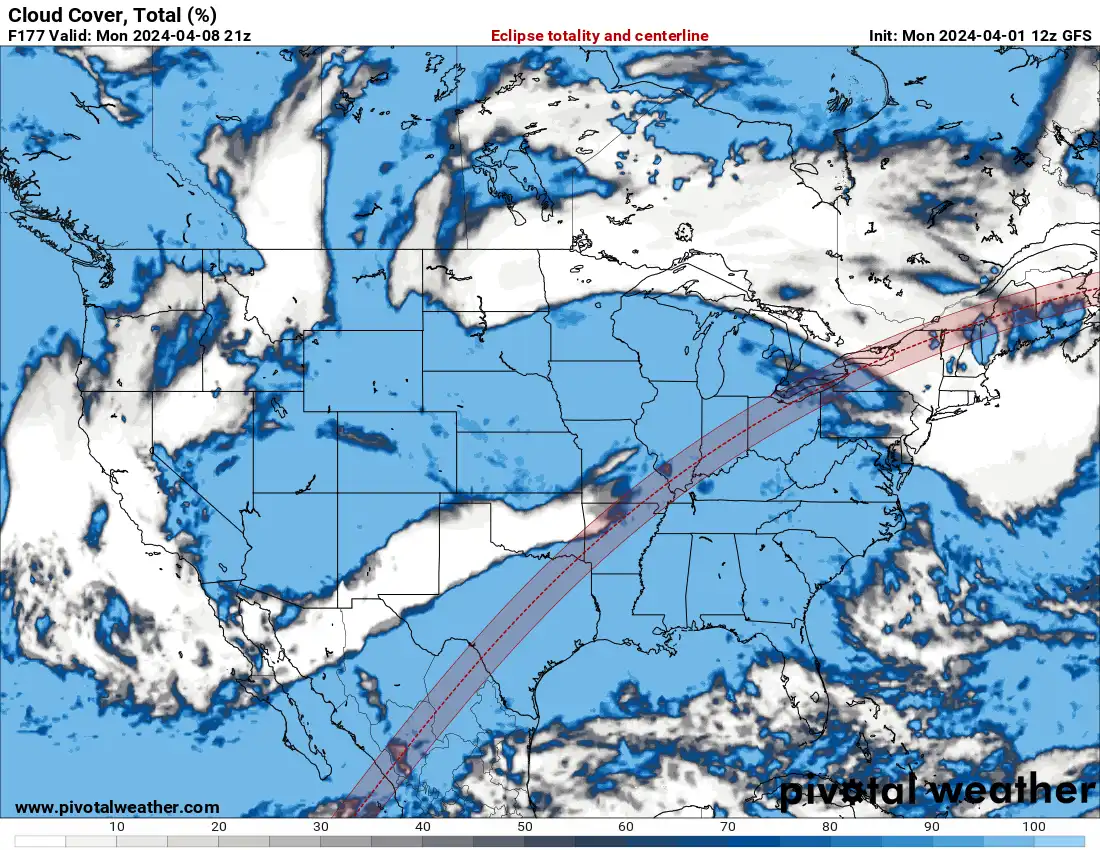
The latest weather forecast for the total solar eclipse path across the United States indicates cloudy skies along most of the route, with the best chance for clear skies favoring the northeast U.S. The eclipse is set to occur on Monday, April 8, with the moon covering about 74 percent of the sun in the Twin Cities area. While the cloud forecast may change, many people who have been planning travel for years are hoping for clear skies to witness this rare event.

The Northeast U.S. is experiencing a wintry mix of wind, rain, sleet, and heavy snow on the first weekend of spring, with over a foot of snow expected in some areas and potential flooding in southern regions and along the coast. Maine and New Hampshire are facing treacherous travel conditions, while Connecticut, New York City, Rhode Island, and Massachusetts are expecting rain and freezing precipitation. Flood advisories have been issued for various areas, and the storm is set to clear out by Sunday morning.

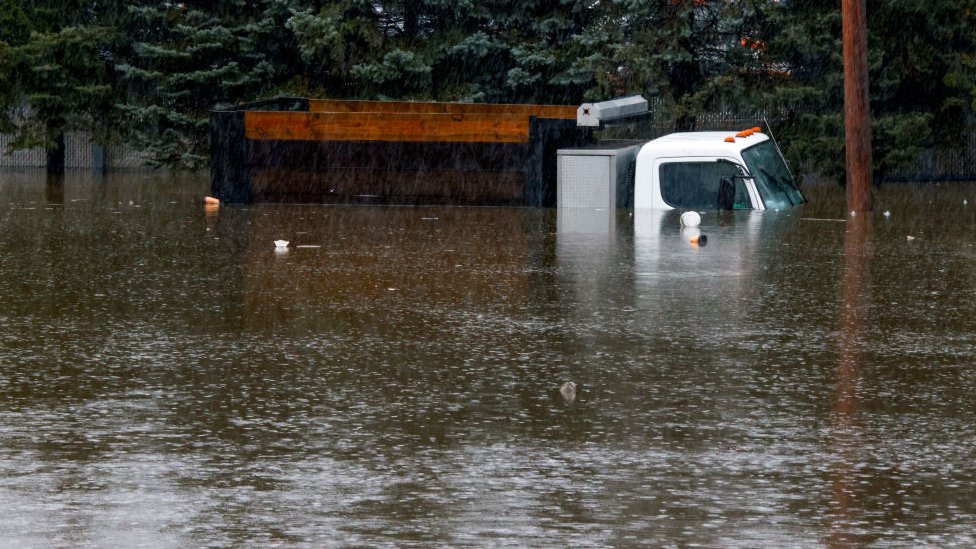
A powerful storm has caused havoc along the US East Coast, resulting in three deaths, widespread power outages, and flood watches. Heavy rains have caused flooding in several areas, while strong winds have knocked down trees and caused travel disruptions. Millions of residents are on flood watch, and over 700,000 are without power. The storm is expected to continue until Tuesday, posing risks to holiday travel.

Smoke from wildfires in Canada is expected to cause hazy skies and moderate air quality conditions in parts of the Northeast US, including New York City and Massachusetts. The New York State Department of Environmental Conservation has issued an air quality index warning, advising residents with preexisting health conditions to take necessary precautions. Southern New England residents have already experienced dense fog due to the smoke, and the National Weather Service predicts more hazy weather. Canadian officials also forecast moderate air quality in Toronto. The wildfires in Canada have led to over 50 fires in Ontario and five in Quebec, impacting regional air quality.

Post-tropical cyclone Lee, formerly a powerful hurricane, is expected to weaken as it moves away from Canada and into the Atlantic Ocean. The storm caused power outages, coastal flooding, and strong winds in the northeast US and Atlantic Canada. At least one death was reported in Florida due to turbulent wave conditions. Thousands of customers were without power in Nova Scotia, New Brunswick, and Maine. States of emergency were declared in Maine and Massachusetts, and flight cancellations were reported in Boston.

Storm Lee, now a post-tropical cyclone, has begun lashing the northeast United States and Canada, causing heavy rains and power outages. The storm is expected to make landfall in Nova Scotia and New Brunswick with hurricane-force winds. Coastal flooding, high waves, and strong gusts are already occurring in parts of the region. The US National Hurricane Center has issued advisories warning of dangerous conditions. The Biden administration has declared an emergency for Maine, providing federal assistance. Utilities report tens of thousands of customers without power.

Hurricane Lee is expected to pass Florida far offshore, but it will produce heavy surf, rip currents, and beach erosion along the entire U.S. East Coast. While the Gulf and Southeast coasts are not at risk of landfall, Florida's football teams will bring the tropical impacts with them as they travel to New England. Hurricane Lee is currently a Category 3 hurricane with maximum sustained winds of 115 mph, and it is expected to impact the Northeast U.S. and Atlantic Canada. The storm will bring heavy rain, gusty winds, and the potential for flooding to coastal areas. Meanwhile, Hurricane Margot is meandering in the eastern subtropical Atlantic, and another tropical storm may develop between West Africa and the Lesser Antilles.

Hurricane Lee is expected to strengthen and its path remains uncertain, but Bermuda, Atlantic Canada, and the Northeast U.S. should closely monitor the forecast. Dangerous high surf, rip currents, and coastal flooding are likely along the East Coast this week. Lee's track will determine the extent of impacts, with Bermuda and Atlantic Canada having the highest chance of rain and wind impacts. Regardless of its path, Lee will generate dangerous conditions along the Eastern Seaboard, including high surf, rip currents, and coastal flooding.