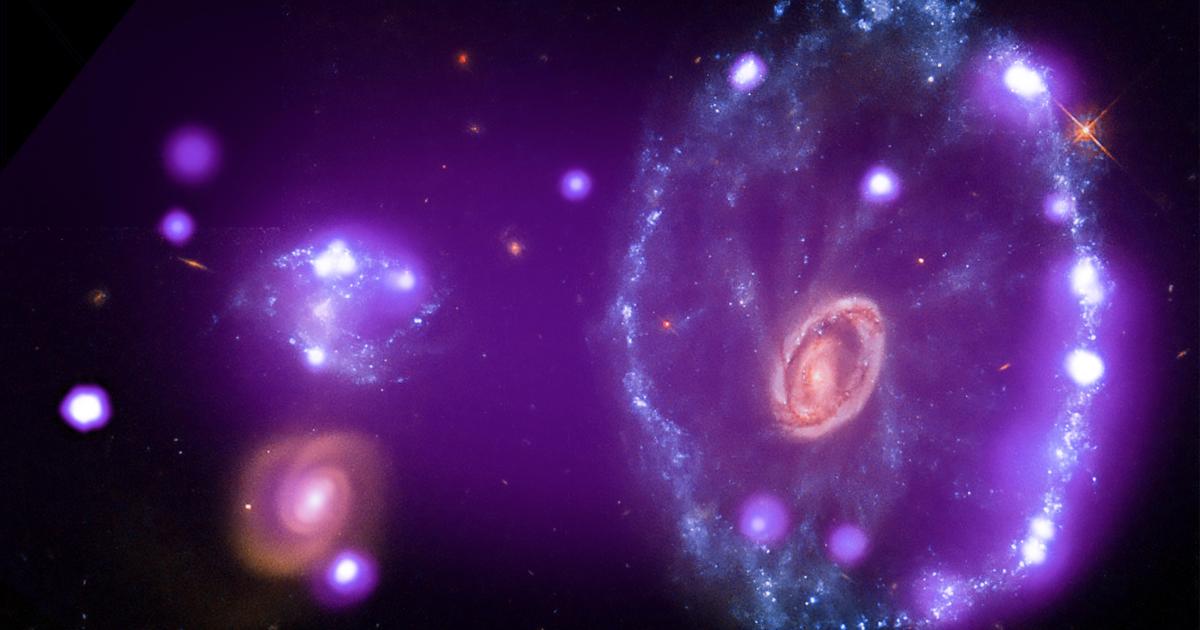
Most of the universe's normal matter isn't in stars or galaxies but is distributed in the cosmic web between galaxies, with recent studies using fast radio bursts confirming that about 76% of normal matter resides in intergalactic space, supporting the Big Bang theory. Dark matter, which makes up most of the universe's mass, remains largely mysterious, but scientists are actively studying it through various methods including underground detectors and telescopes.
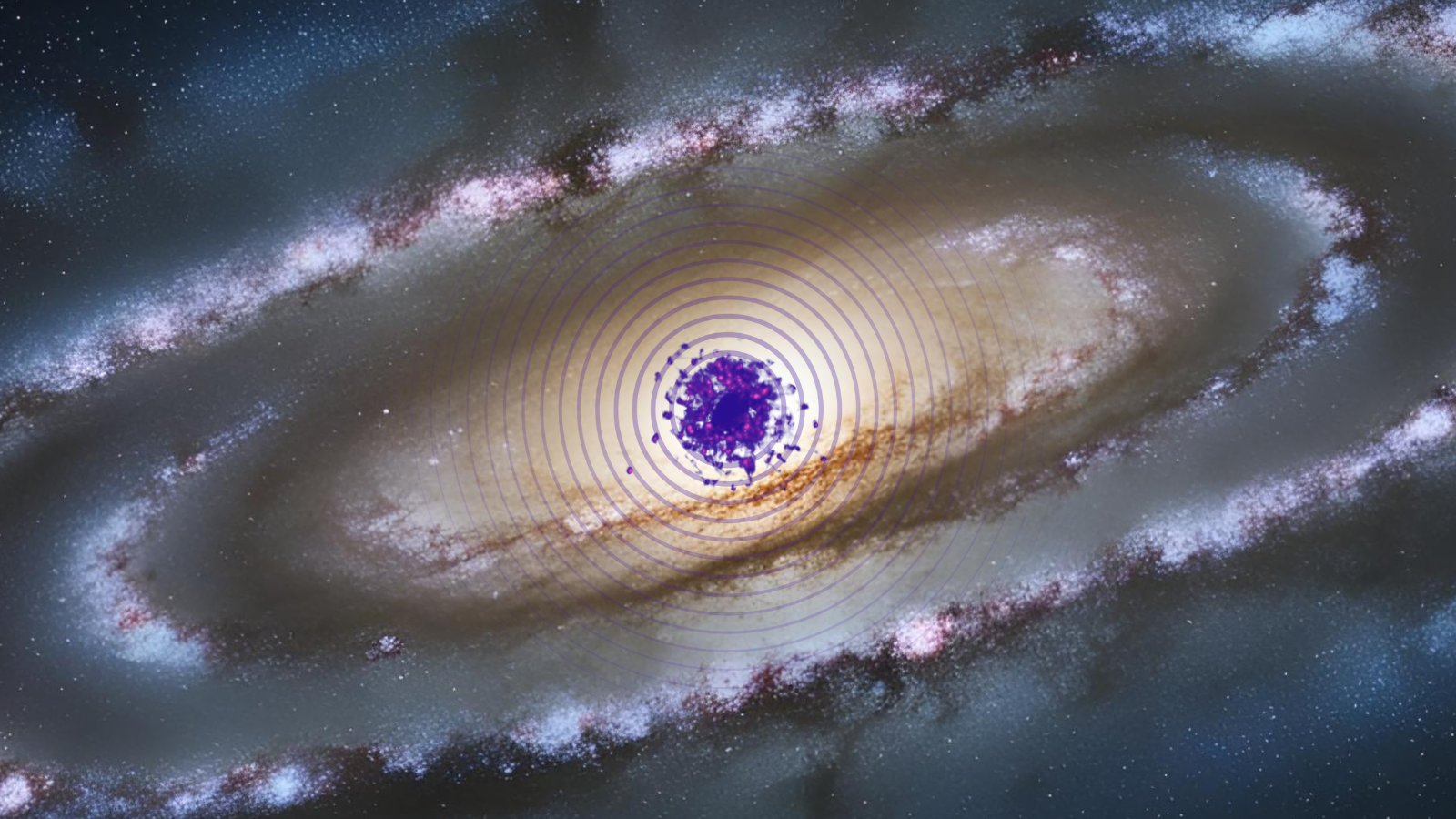
The composition of our Universe is mostly non-luminous, with 5% normal matter, 27% dark matter, and 68% dark energy. However, much of the normal matter remains elusive, leading to the "missing baryons" problem. Recent X-ray studies have detected a hot, ionized, galaxy-surrounding material known as the circumgalactic medium, which may hold the solution to the missing baryons. This diffuse gas, with very high temperatures and low densities, extends far beyond the stellar extents of galaxies and can absorb light at specific frequencies. By studying the absorption features in the spectra of distant sources, astronomers have found evidence of a normal matter-rich circumgalactic medium around many galaxies, including our Milky Way. This suggests that the missing baryons required by the Universe may be located in this hot, diffuse medium.