A power outage at NIST in Boulder caused a disruption in atomic clock operations, affecting internet time servers globally. Backup systems were activated, restoring accurate time within nanoseconds, but the incident highlights the critical role of atomic clocks in modern technology like GPS and financial systems.
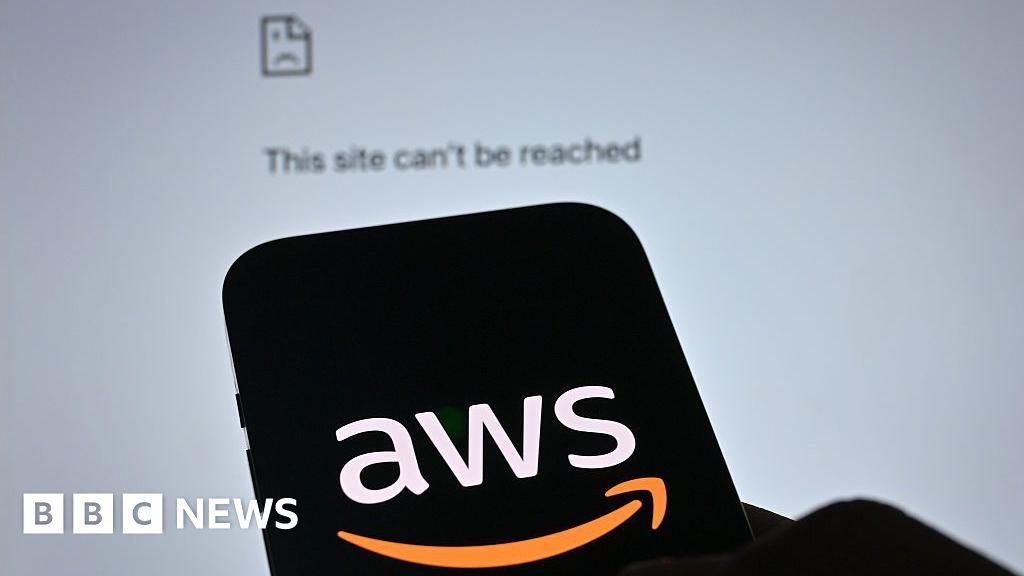
AWS experienced a significant outage again, primarily affecting US-EAST-1, impacting airlines, banks, and major services including Microsoft and LastPass, highlighting ongoing concerns about cloud infrastructure fragility and the need for better backup plans.
A small bug in AWS's system, caused by two automated processes trying to update the same DNS record simultaneously, led to a massive outage affecting major global services like Netflix and United Airlines, highlighting the importance of quick response and system improvements after such incidents.
Amazon Web Services apologized after a major outage in its North Virginia data center caused widespread disruptions to over 1,000 websites and services, including Snapchat, Reddit, and Lloyds Bank, due to a faulty automation process that affected DNS management and highlighted the tech industry's reliance on AWS.
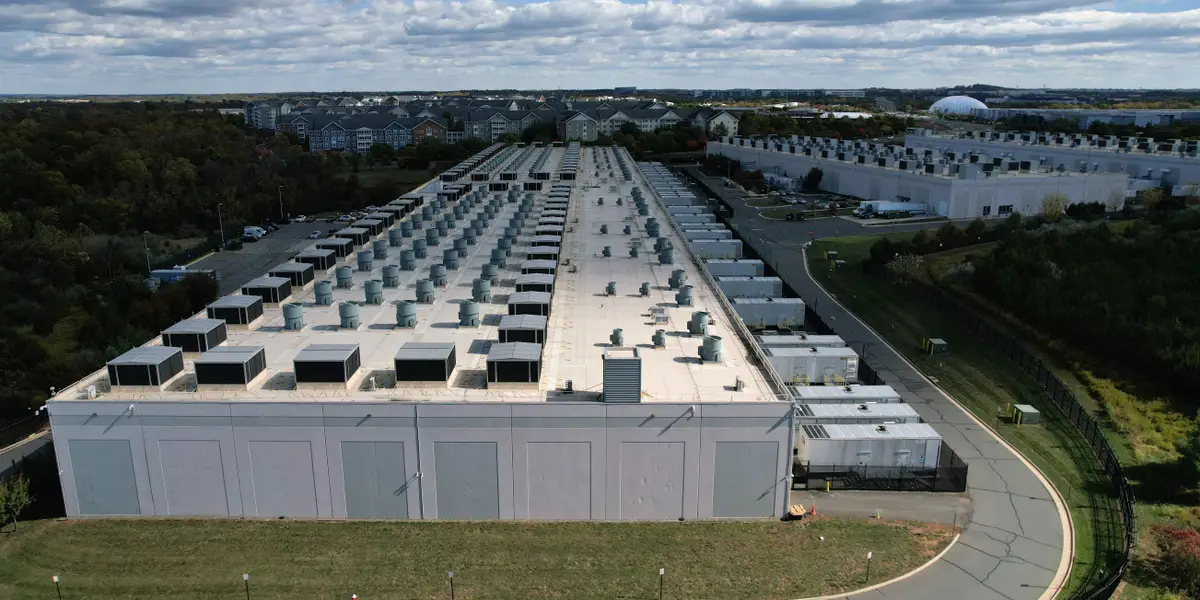
A DNS error at AWS's northern Virginia data center caused a major outage affecting over 100 services, including Reddit, Snapchat, and Venmo, which was resolved by the evening. The incident highlights the critical role of DNS in internet infrastructure and the widespread impact of cloud service disruptions.
A major outage at Amazon Web Services caused widespread disruptions to numerous websites and apps globally, including Snapchat, Roblox, and UK banks, but signs of recovery were reported by mid-morning, with the issue originating from AWS's US East Coast region.
A major AWS outage originating from North Virginia data centers has caused widespread disruptions across numerous popular apps and services, including social media, gaming, productivity, and streaming platforms, highlighting the critical role of Amazon's cloud infrastructure in global internet connectivity.
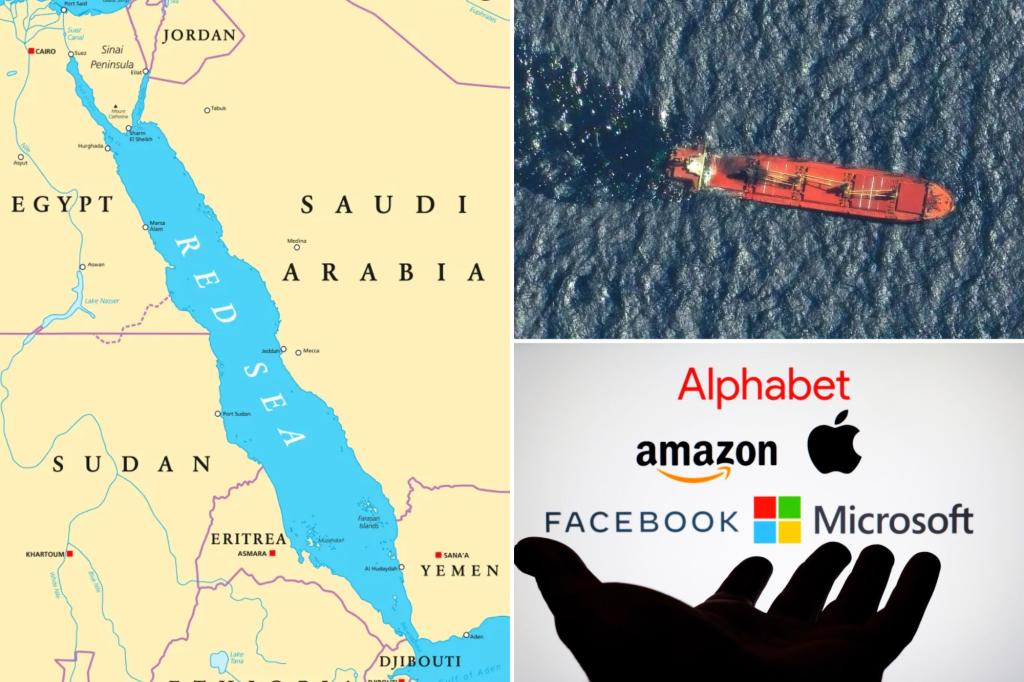
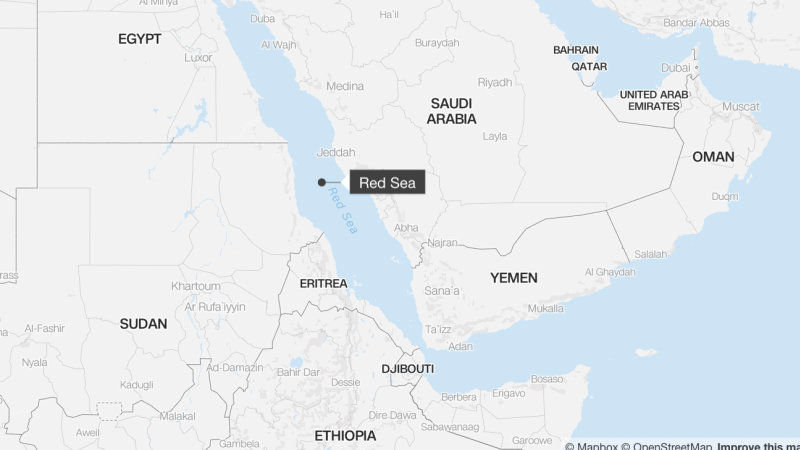
Subsea cable outages in the Red Sea have caused internet disruptions across Asia and the Middle East, affecting countries like India, Pakistan, and the UAE. Microsoft Azure users are experiencing increased latency and potential service disruptions, though traffic rerouting has minimized impact. The cause of the damage is unclear, but it has impacted multiple cable systems near Jeddah, Saudi Arabia.
Microsoft Azure's cloud services experienced delays due to undersea cable cuts in the Red Sea, affecting internet traffic in the Middle East and parts of Asia, with rerouted traffic mitigating some impacts. The cause of the damage remains unclear, but such incidents highlight vulnerabilities in undersea infrastructure, which have been targeted or damaged in various regions amid geopolitical tensions.
Undersea cables in the Red Sea were cut, causing internet disruptions in parts of Asia and the Middle East, with suspected links to attacks by Yemen's Houthi rebels amid ongoing regional conflicts and tensions over the Israel-Hamas war.
Undersea cable cuts in the Red Sea have disrupted internet access across parts of Asia and the Middle East, with potential links to attacks by Yemen's Houthi rebels amid ongoing regional conflicts, though the exact cause remains unclear.
Cable cuts in the Red Sea have caused widespread internet disruptions across Asia and the Middle East, highlighting vulnerabilities in regional connectivity infrastructure.
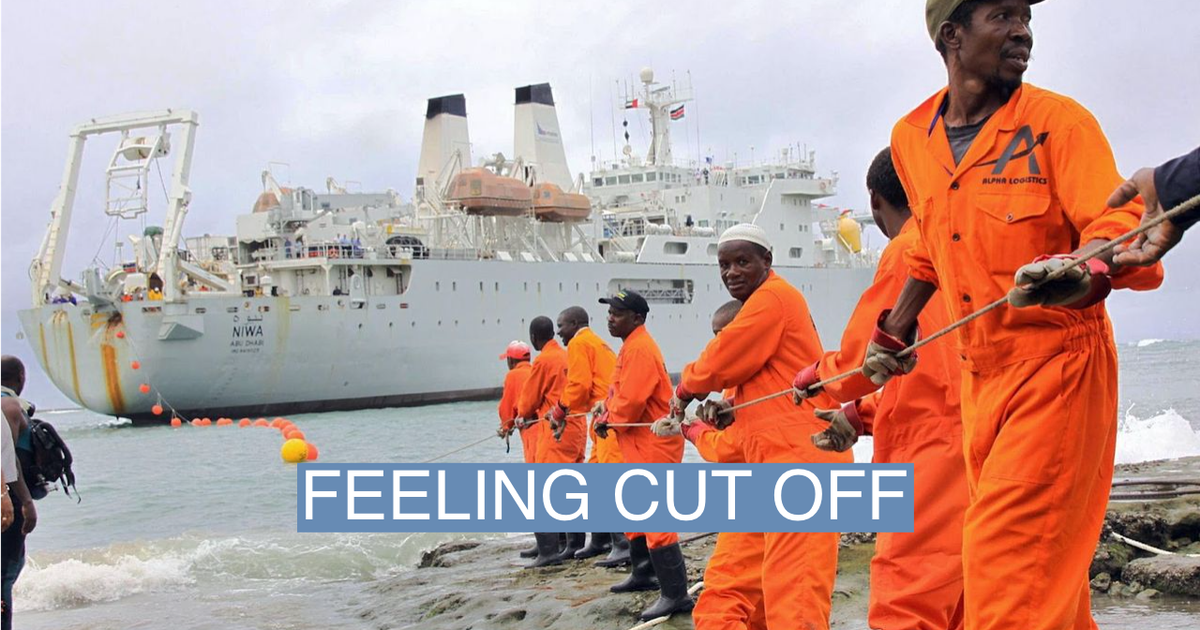
Undersea cables in Africa, crucial for internet connectivity, were damaged, causing disruptions in some services. Google and Meta have invested in laying fiber optic cables in the continent, with their respective cables remaining unaffected. Services like WhatsApp, Instagram, Facebook, Google search, and YouTube remained normal in Nigeria and Ghana. Other companies, like Seacom, rerouted their traffic to alternative cables to mitigate the impact of the disruption. Repairing the damaged cables is expected to take weeks.
Undersea cables in the Red Sea have been damaged, causing a "significant" disruption to global internet traffic, with reports suggesting that up to 25% of internet traffic between Asia, Europe, and the Middle East has been affected. While it's unclear how the cables were damaged, Yemeni government officials warned that Houthi rebels may be responsible, although the rebel leader denied the allegations. Major internet providers have been forced to divert traffic, and tech giants with ownership stakes in underwater cables have not been impacted by the outage.
Damage to submarine cables in the Red Sea has disrupted telecommunications networks, causing significant disruption to communications networks in the Middle East and impacting as much as 25% of traffic between Asia, Europe, and the Middle East. The cables, belonging to four major telecoms networks, have been damaged, prompting rerouting of traffic to minimize disruption. The cause of the damage is currently unknown, with conflicting reports suggesting involvement of Houthi rebels, British and US military units, and denial of involvement from the Yemeni rebel leader. The affected networks include Asia-Africa-Europe 1 and the Europe India Gateway, with major telecoms companies working to ensure uninterrupted service by rerouting traffic through multiple undersea cable systems.