A study from Newcastle University found that just 10 minutes of exercise can help halt bowel cancer growth and enhance DNA repair, suggesting even short workouts can have significant protective effects against cancer.
A short, ten-minute workout can induce molecular changes in the blood that may halt bowel cancer progression, suggesting even brief physical activity has significant health benefits and could inform future therapies.
Newcastle University's Chinese Independent Film Archive (Cifa) houses nearly 800 indie films and oral interviews with over 100 filmmakers, making it the world's largest publicly accessible archive of independent Chinese films. The archive, located in the UK, was created by Sabrina Qiong Yu and funded by a £1m grant, preserving films that have been censored or banned in China. The films cover a wide range of topics, including historical events and personal stories, shedding light on aspects of Chinese society that are often silenced. The archive provides a platform for filmmakers to share their work and engage in conversations that are otherwise restricted in China.
Scientists from Newcastle University, as part of an international team, have produced the first experimental evidence of vacuum decay, a pivotal discovery for understanding the early universe and fundamental physics. This achievement, observed in a supercooled gas near absolute zero, sets the stage for further research in quantum field phenomena and offers new insights into the early universe and ferromagnetic quantum phase transitions. The experiment, published in Nature Physics, provides support for theoretical simulations and numerical models, confirming the quantum field origin of the decay and its thermal activation. This groundbreaking research opens up new avenues in the understanding of the early universe and has the potential to alter the laws of physics, with implications for the creation of space, time, and matter in the Big Bang.
Scientists at Newcastle University have simulated ancient hydrothermal vent conditions and discovered key organic molecules, including fatty acids, potentially forming the earliest cell membranes. Their findings shed light on life's early development and hint at the possibility of life's genesis under icy moons' surfaces in our solar system. The research, funded by the UK's Natural Environmental Research Council, provides insight into the transformation of inorganic chemicals into essential organic molecules, crucial for understanding the origins of life on Earth over 3.5 billion years ago.
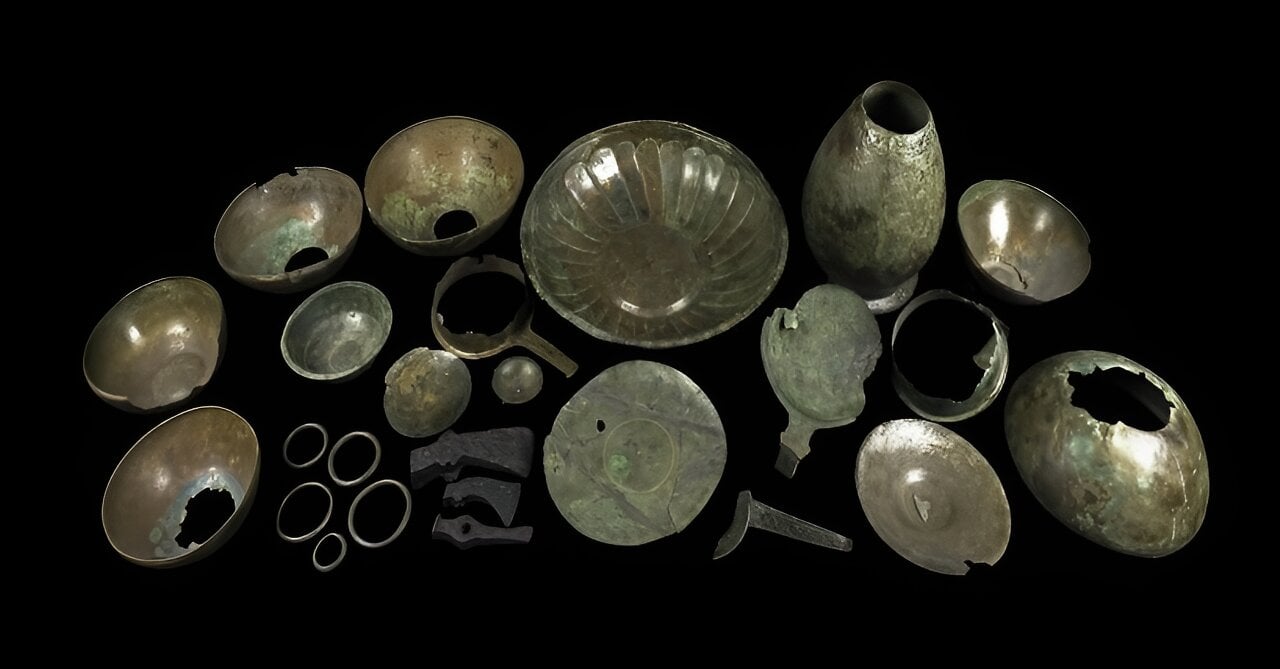
Researchers from Newcastle University have conducted the first comprehensive study of the Knaresborough Hoard, an unusual late-Roman metalware collection discovered in the British Isles in 1864. The hoard, now on display at the Yorkshire Museum, is believed to have been found in a boggy area near Farnham, and its items may have originated from wealthy Roman villas in the area. The collection includes unique bronze items and shows signs of ancient repairs, indicating their value. The research also sheds light on the circumstances of the hoard's discovery and the role of Thomas Gott, who donated the items to the museum.
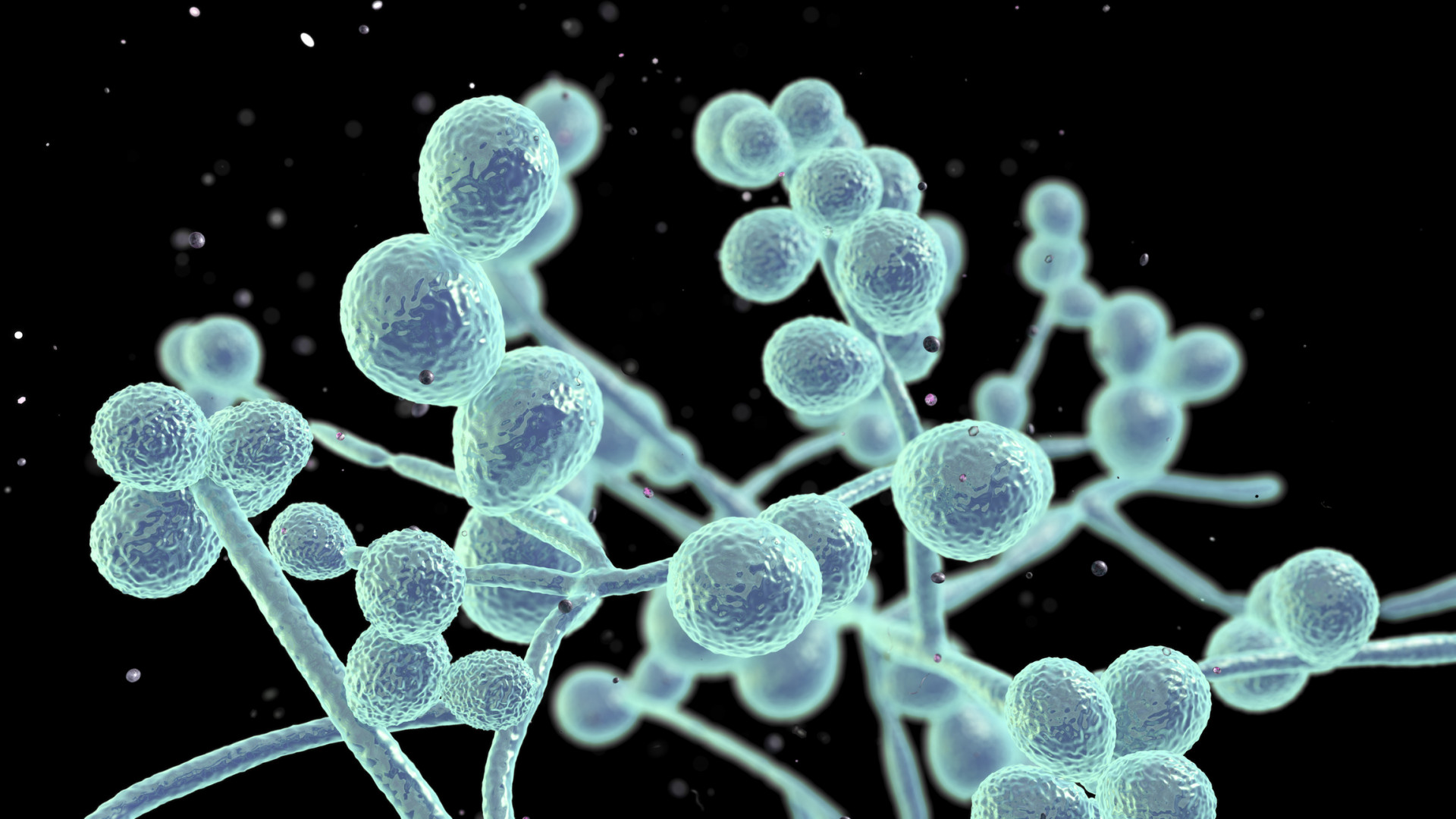
Researchers from Newcastle University and Northumbria University have found that the root-like threads produced by many fungi have the potential to be used as a biodegradable, wearable material that's also able to repair itself. They produced a skin from branching filaments known as hyphae, which together weave into a structure called a mycelium.