Residents of Woodland Hills oppose a proposed development of nearly 400 homes on a country club property, citing concerns over fire safety, traffic, environmental impact, and community disruption, while developers argue the project will provide needed housing and jobs, with the city considering legal challenges and environmental reviews.

The New York City Council has approved a plan to add approximately 9,500 new homes across 42 blocks in Midtown Manhattan by updating outdated zoning laws, aiming to address the city's housing shortage and revitalize the area post-pandemic.
California Governor Gavin Newsom successfully pushed through major housing reforms by leveraging the state budget process to bypass legislative opposition, including significant exemptions to environmental review laws (CEQA), aiming to accelerate urban housing construction amid political and environmental challenges.
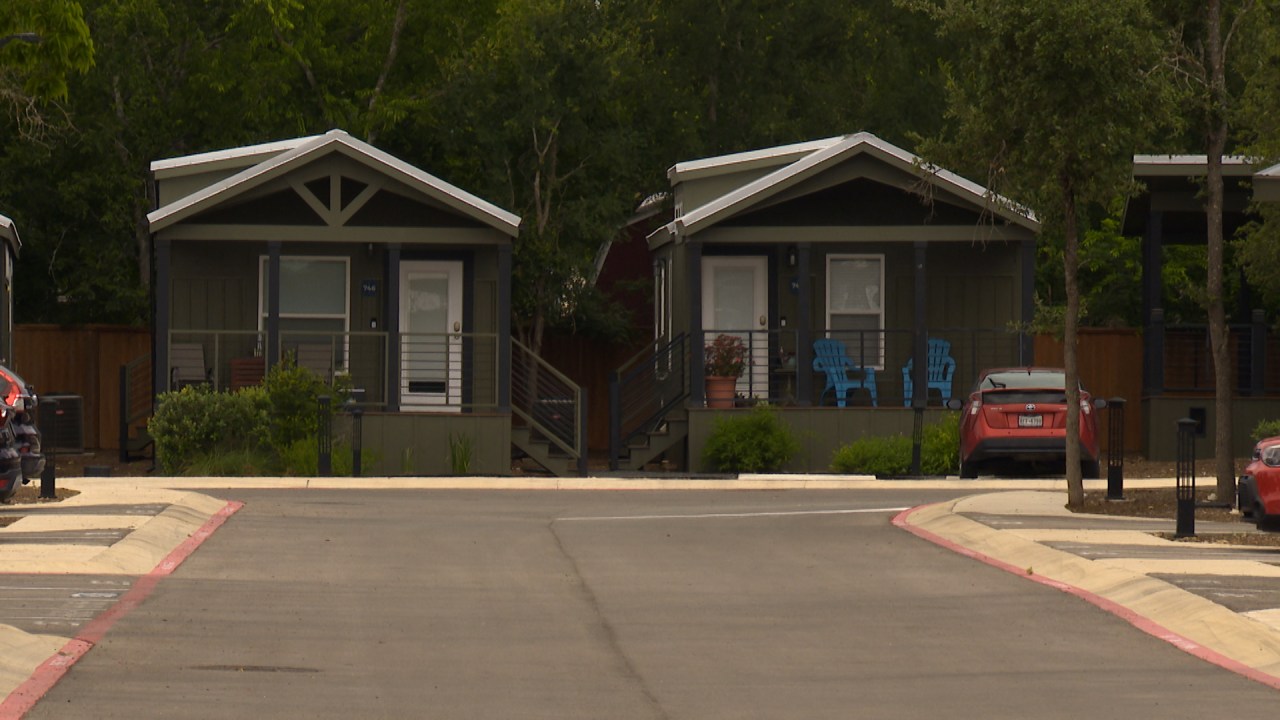
A new community of 210 micro homes ranging from 500 to 800 square feet is being developed in San Marcos by Casata, aiming to address affordability issues in the area. The community will feature amenities like dog parks, trails, a pool, and a gym, with residents expected to move in by Summer 2025. This development is seen as a positive step towards increasing the supply of affordable housing in a region struggling with high poverty rates and limited housing options.
Steamboat, a once relatively affordable ski town, is facing a housing crisis as real estate prices have skyrocketed, making homeownership largely out of reach for those making less than $200,000 a year. A proposed housing development, Brown Ranch, has sparked a heated debate among residents, with concerns about its impact on traffic, infrastructure, and the community's character. The city council approved the plan, but opponents collected signatures to get it placed on the ballot. Similar struggles are seen in other destination towns, as demand and prices surged during the pandemic, leaving even high earners priced out of the market.
A resident of the Village of Belle Aire expresses concern over non-compliant homes being sold by the family/developer, stating that the deed restrictions should apply to all homes sold by them. The resident argues that the family/developer should be responsible for completing factual seller's disclosures and ensuring compliance with all deed restrictions. They believe that buyers should not be expected to identify non-compliant issues in new construction, and independent inspectors may not be aware of deed issues. The resident calls for the family/developer to bring all sold properties into full compliance with the deed restrictions.
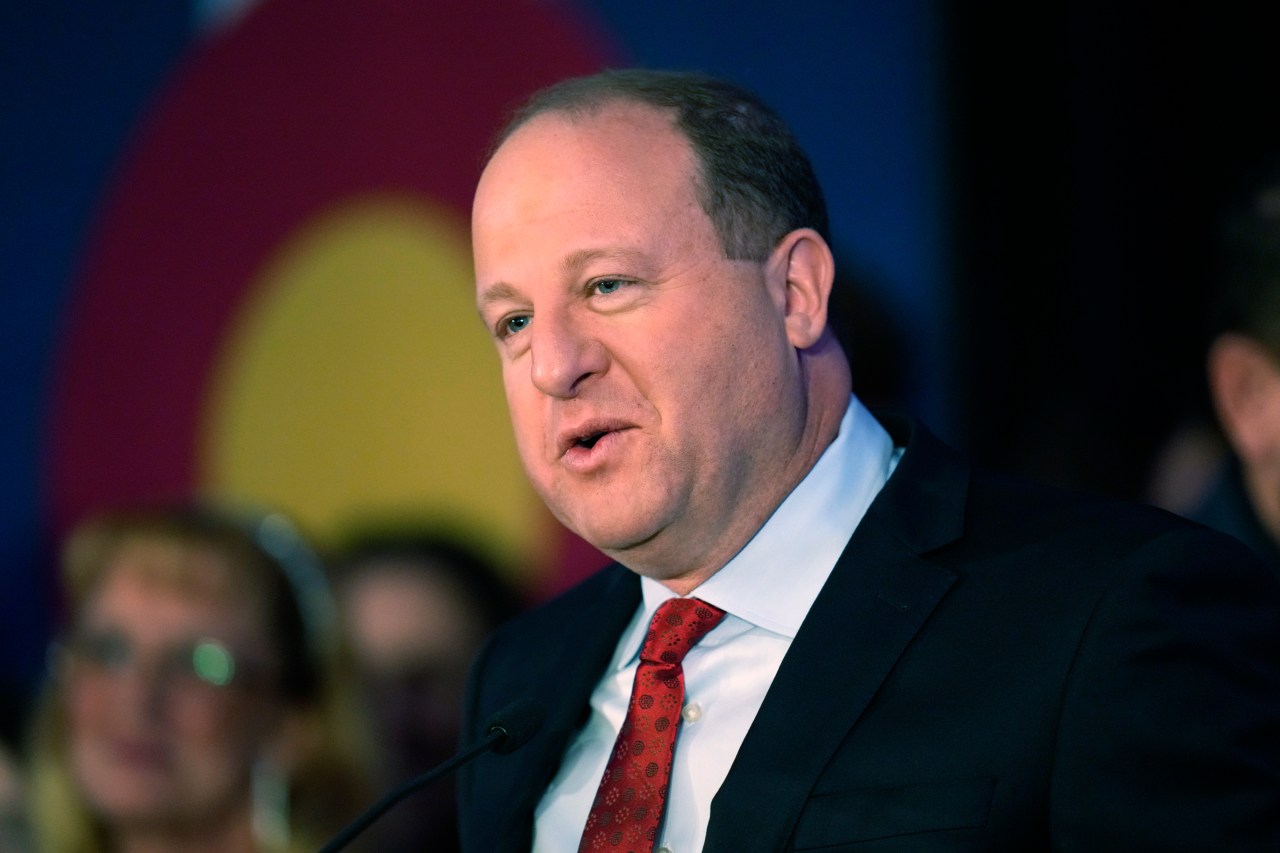
Colorado Governor Jared Polis has signed an executive order aimed at accelerating housing development in the state. The order seeks to streamline the process by reducing bureaucracy and expediting the turnaround time for grants and loans. State agencies will also evaluate their inventory and support local governments and nonprofits in funding housing efforts. While the order does not address zoning barriers like Polis' failed land use bill, it aligns with priorities such as developing housing near transit and meeting water and air quality goals. The governor emphasized the importance of affordable housing and the state's role in leading by example. The order will remain in effect unless modified or rescinded by a future executive order.
Colorado Governor Jared Polis has signed an executive order aimed at expediting affordable housing development in the state. The order requires the Division of Housing to reduce the time it takes to provide loans and grants to approved recipients from an average of eight months to 90 days. While the order does not allocate additional funding, it aligns with Polis' broader objectives of increasing housing density and availability statewide. The order also includes 10 growth goals for state agencies to prioritize, such as cutting down on sprawl and focusing on efficient development. The move comes as discussions on land-use reform are set to resume in the state legislature.
Lawmakers in the U.S. are urging for urgent action to address climate change, as extreme heat waves and climate-related disasters become more frequent. Washington state Governor Jay Inslee emphasized the need to stop using fossil fuels and highlighted short-term measures and longer-timeline initiatives to reduce their usage. Palm Springs Mayor Grace Elena Garner called for more federal funding for electric vehicles, walking and biking paths, and housing development to ensure residents have safe places to live. Inslee stressed that the U.S. must lead the climate fight for both moral and self-interest reasons, as it presents opportunities for new jobs and economic revitalization.
San Francisco Mayor London Breed and Board of Supervisors President Aaron Peskin have proposed measures to accelerate housing development in the city by reducing the percentage of affordable units developers need to include in their projects and slashing the fees they are required to pay. The city aims to build 82,000 new homes in the next eight years. The proposal builds on the work of an eight-member technical advisory committee composed of housing developers. The city added about 2,800 units to its housing stock last year, a 40% decrease from the prior year and a 21% decrease from the 10-year average.
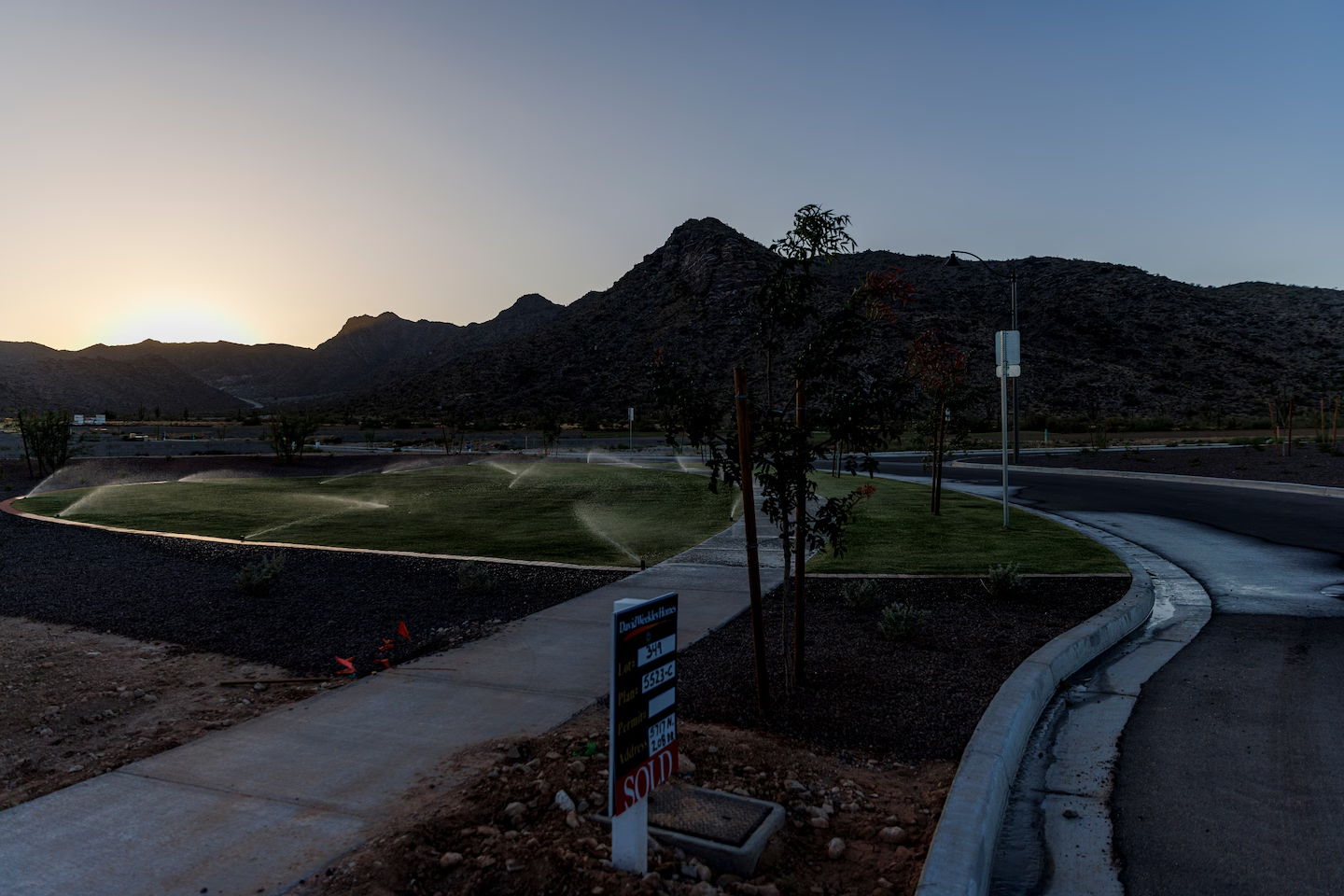
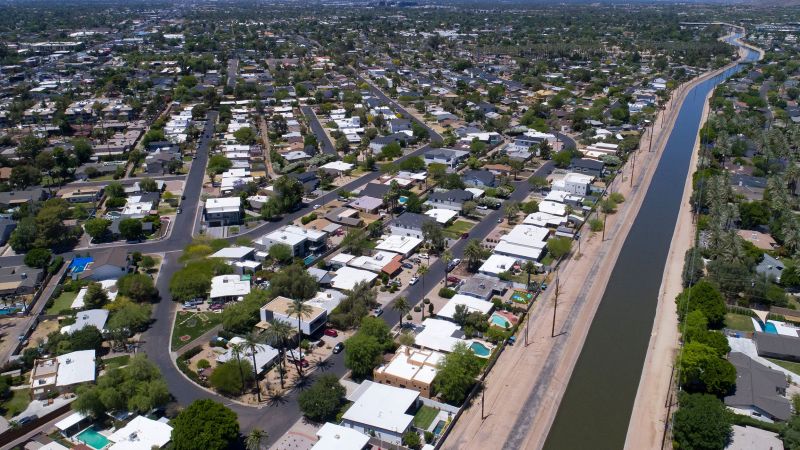
A new report from the Arizona Department of Water Resources warns that there is not enough groundwater underneath the Phoenix metropolitan area to meet projected demands over the next century, which could threaten the current home-building boom in outer suburbs. The study means that plans for future housing developments that rely solely on groundwater could not move forward. As the climate gets hotter and drier in the West, and major water sources such as the Colorado River diminish, dwindling supplies of groundwater could portend a vastly different future than the one residents in the Southwest have come to expect.
Arizona officials announced that the state will no longer grant certifications for new developments within the Phoenix area due to groundwater rapidly disappearing amid years of water overuse and climate change-driven drought. A new study showed that the groundwater supporting the Phoenix area likely can’t meet additional development demand in the coming century. The announcement wouldn’t impact developments that have already been approved, but developers that are seeking to build new construction will have to demonstrate they can provide an “assured water supply” for 100 years using water from a source that is not local groundwater.
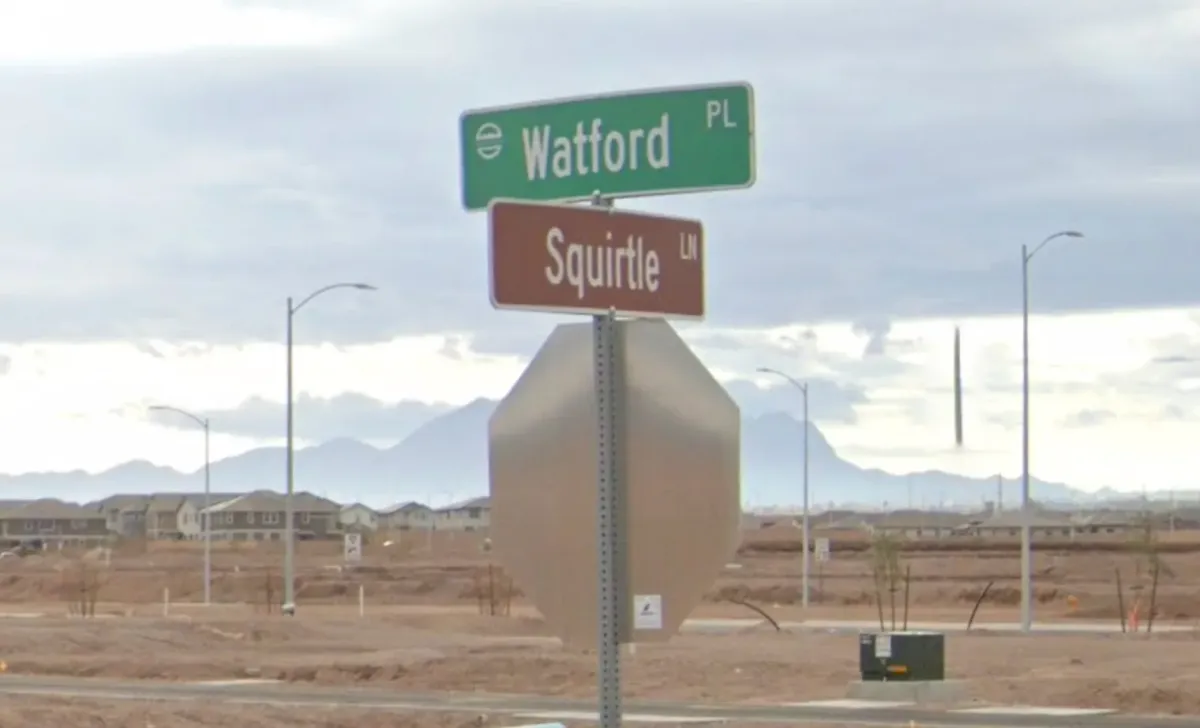
A new housing development in Las Vegas, Serenity Place, has named its streets after Pokémon creatures. The construction manager, Andrea Miller, named the streets after her sons' favorite Pokémon characters, including Jigglypuff and Charizard.
A new housing development in Henderson, Nevada, called Serenity Place, has named its streets after Pokémon characters, including Charmander Lane, Charizard Lane, Jigglypuff Place, Snorlax Lane, and Squirtle Lane. The project construction manager, Andrea Miller, was inspired to use these names as her sons are "obsessed" with Pokémon. The development is located roughly 16 miles southeast of downtown Las Vegas.
Bethel African Methodist Episcopal Church has reached an agreement with the Pittsburgh Penguins for the church to use a 1.5-acre parcel near its former home, which was taken away from it 60 years ago as part of an urban renewal project. The church envisions using the land for housing and other revenue-generating development. The agreement came after years of public calls and demonstrations by the church, and its battle is a microcosm of a larger one over the legacy of the 1950s project. The Penguins hope the agreement can serve as a model for other U.S. cities with the wounds of similar mid-20th century urban renewal projects.